The Allure of China Stacked Stone A Timeless Architectural Element
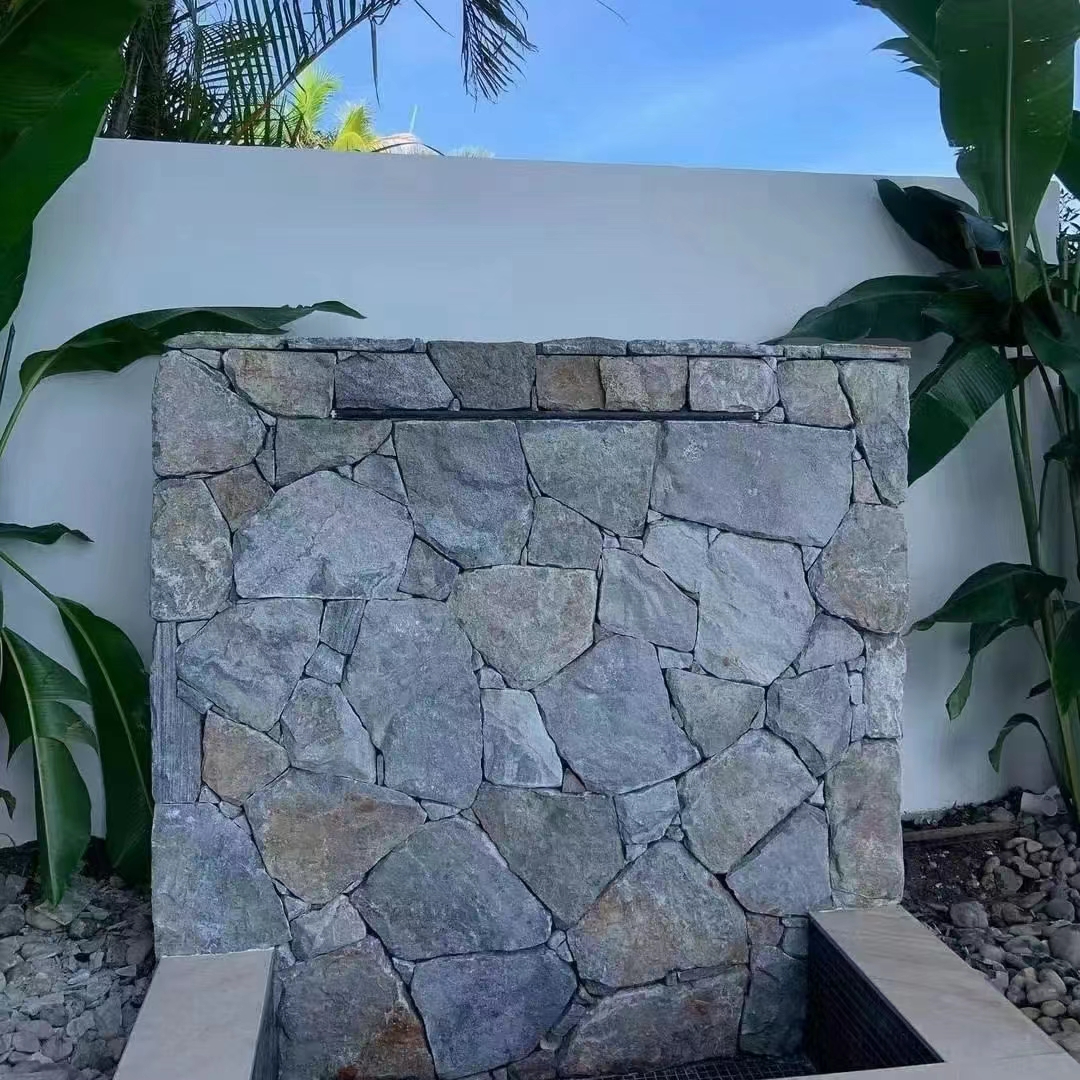
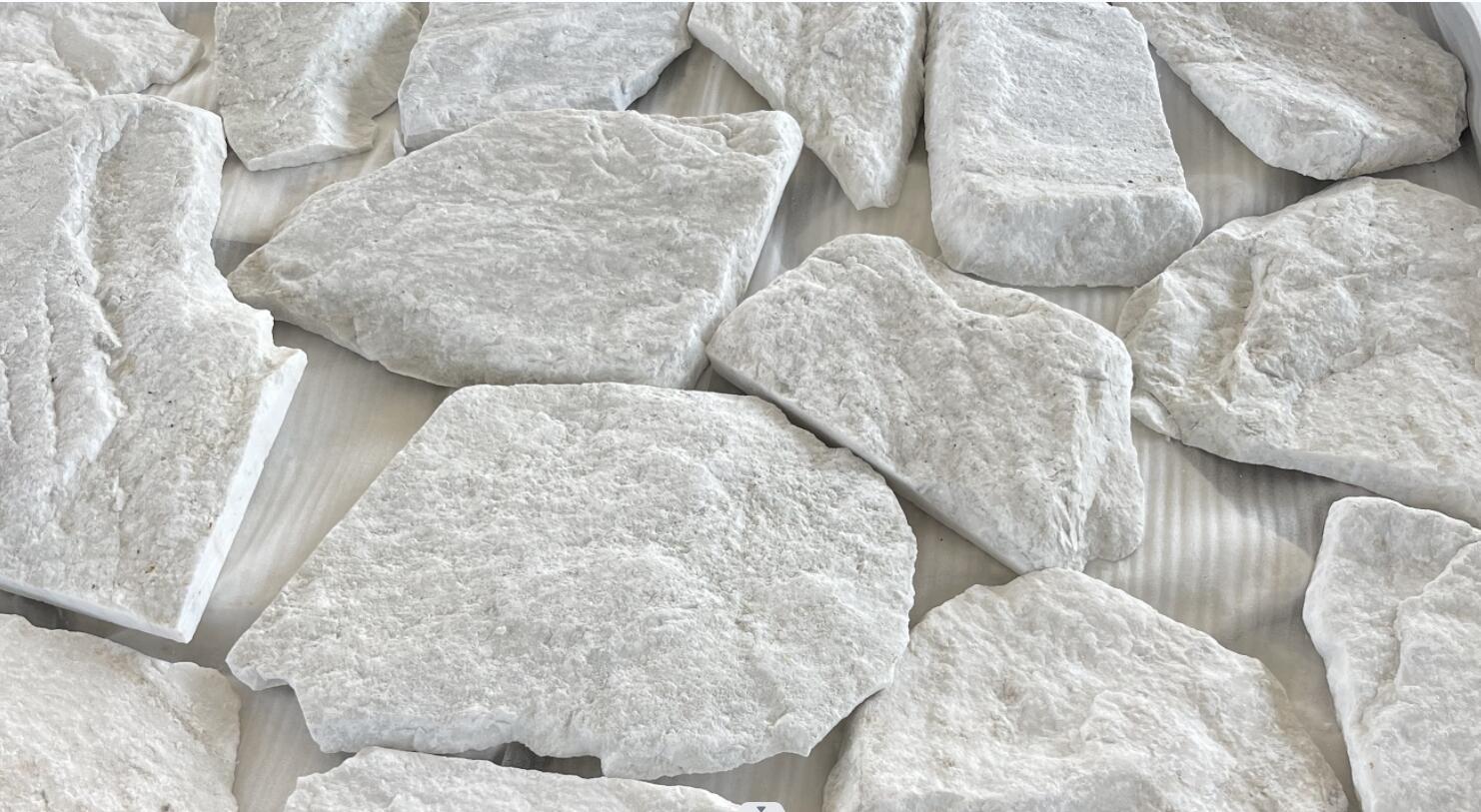
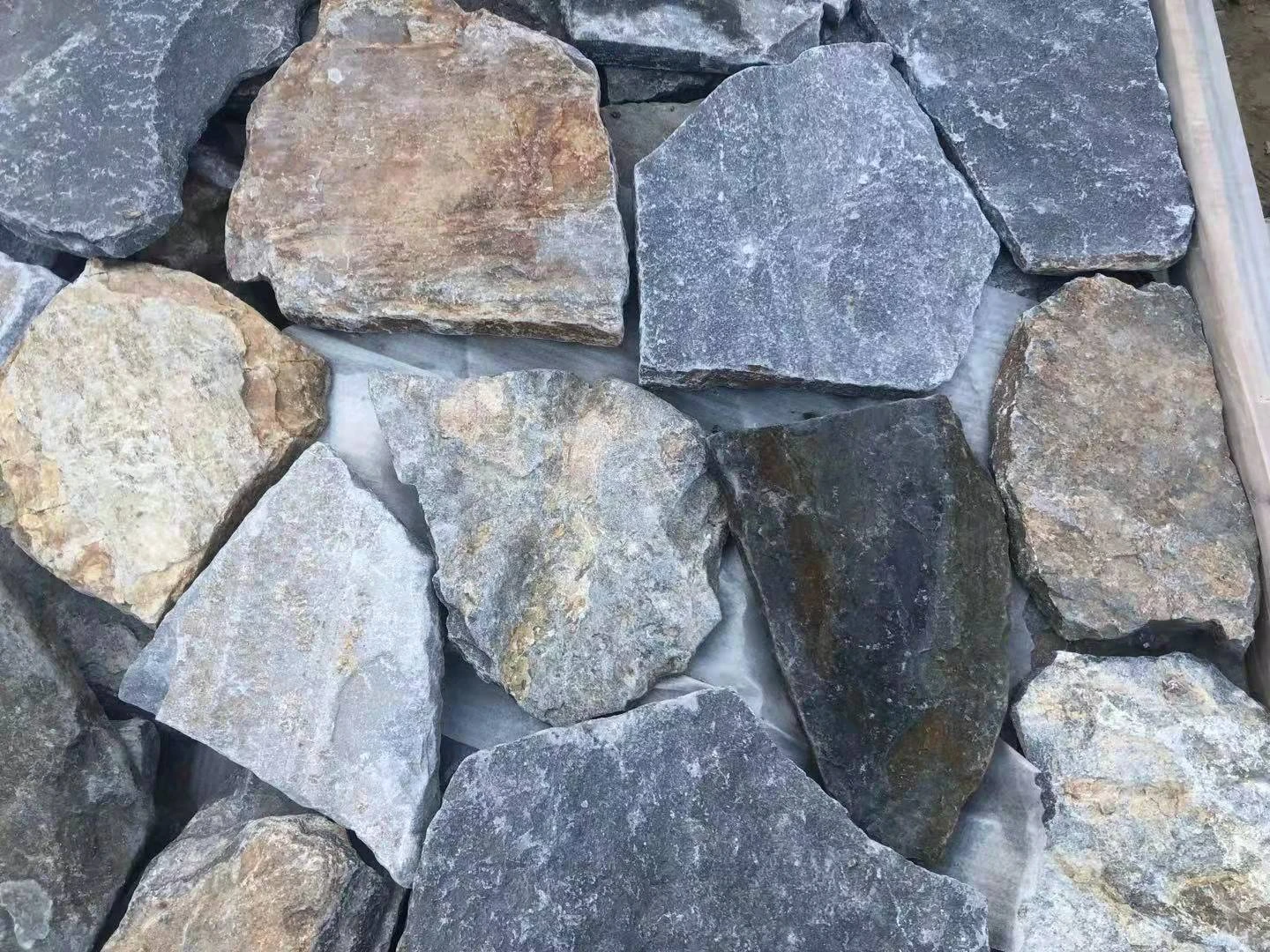
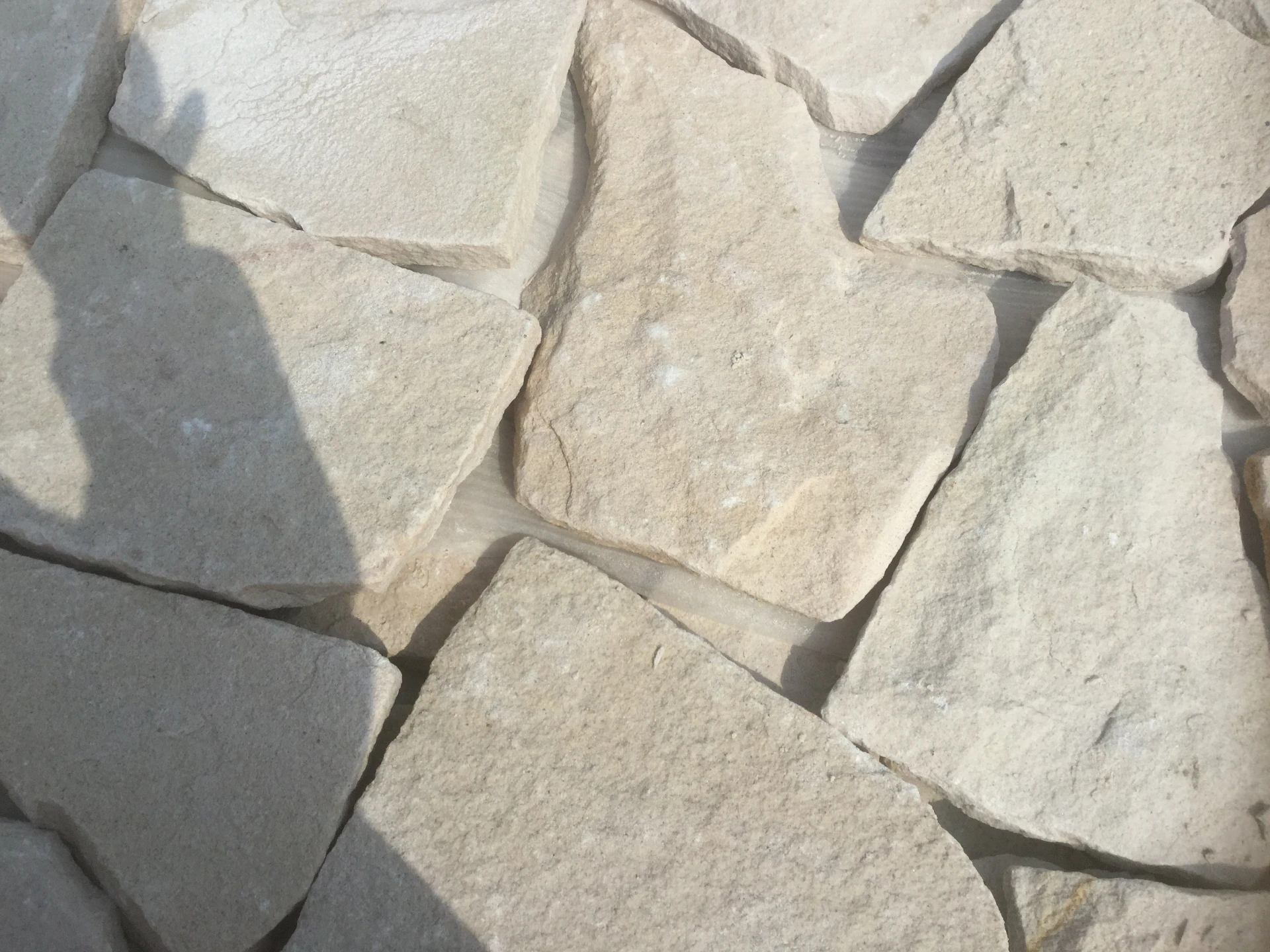
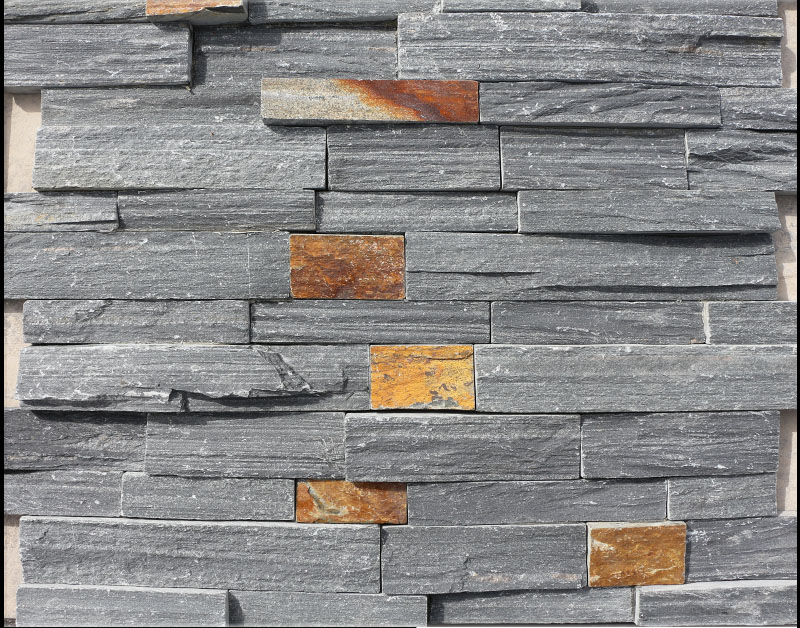
In the realm of architectural design and landscaping, few materials possess as rich a history and aesthetic appeal as stacked stone, particularly that which hails from China. The term stacked stone refers to a technique where natural stones are layered upon one another without the use of mortar, creating a visually intriguing and structurally sound facade. This method not only accentuates the natural textures and colors of the stone but also evokes a sense of harmony with the surrounding environment.
Historical Context
The use of stacked stone in China can be traced back thousands of years. Ancient Chinese architects and builders integrated this technique into various structures, including temples, pagodas, and city walls. The Great Wall of China, for instance, showcases the long-standing tradition of using stone as a primary building material. The mountains of China provided a wealth of stone types, each with unique characteristics, giving rise to various regional styles of stone architecture.
In traditional Chinese culture, the use of natural materials like stone is deeply intertwined with philosophical beliefs, particularly those rooted in Taoism and Confucianism. These philosophies emphasize the importance of harmony between humanity and nature, which is beautifully encapsulated in the design and application of stacked stone structures.
Aesthetic Appeal
China stacked stone stands out due to its unparalleled visual beauty. When artists and architects create features using this material, they often celebrate the natural imperfections and variations in color and texture that stones naturally possess. From the rustic charm of weathered grey stones to the vibrant hues of polished specimens, the aesthetic versatility means that these stones can complement various architectural styles—from ancient structures to modern minimalist designs.
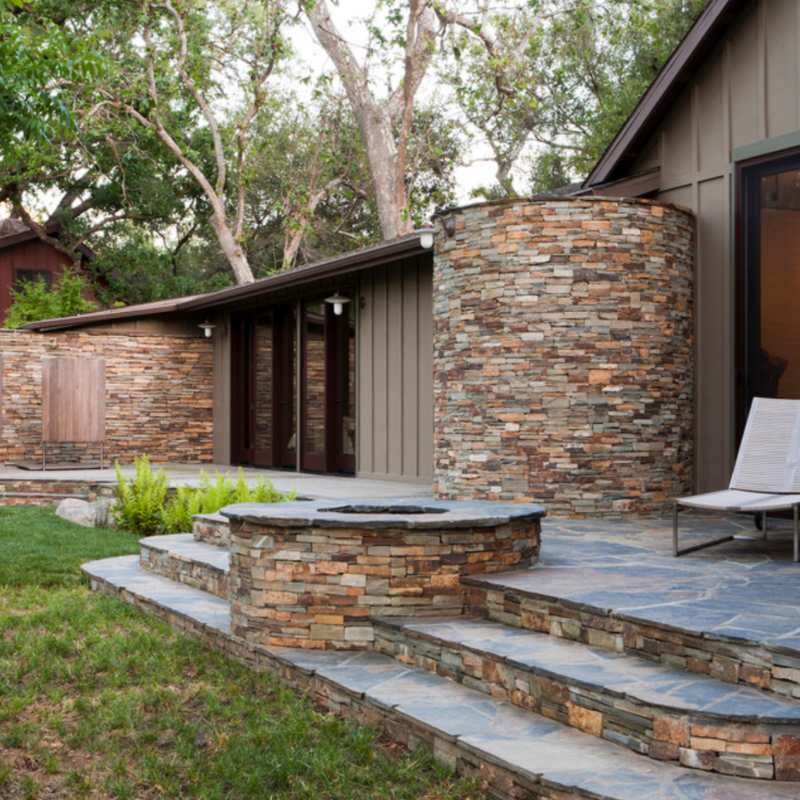
The visual impact of stacked stone can transform gardens, courtyards, and exteriors into serene retreats. When utilized in water features, pathways, or walls, the stones create a dynamic interplay of light and shadow, enhancing the overall ambiance of the space. The earthy tones of stacked stone blend seamlessly with lush greenery and vibrant flowers, echoing the organic beauty of the natural world.
Practical Benefits
In addition to its aesthetic advantages, China stacked stone offers several practical benefits. The interlocking nature of the stones, when properly arranged, creates stable structures that can withstand the test of time and the elements. This durability makes stacked stone an ideal choice for walls, patios, and outdoor installations.
Moreover, the porous nature of many stacked stones promotes drainage, reducing the risk of water pooling and erosion. This characteristic is particularly advantageous in garden settings, where maintaining proper water flow is essential for healthy plant growth.
Modern Applications
In contemporary design, China stacked stone continues to be a favored choice among architects and landscapers. It is used not only in traditional settings but also in modern constructions. From chic urban residences featuring stacked stone accent walls to upscale commercial properties employing this material in their exteriors, its timeless appeal remains strong.
Recent trends also highlight the use of stacked stone in sustainable building practices. As environmental awareness grows, many designers are incorporating locally sourced stones into their projects, minimizing the carbon footprint associated with transportation and fostering a connection to the local landscape.
Conclusion
In summary, China stacked stone serves as a profound testament to timeless design and functionality. Its historical significance, aesthetic versatility, and practical benefits make it an exceptional material for both traditional and modern applications. As we move forward in the world of architecture and landscaping, the legacy of stacked stone will undoubtedly continue to inspire and shape our built environment, echoing the ancient philosophies that celebrate the beauty of nature and the art of craftsmanship.