

Pool Wall Cladding Enhancing Aesthetic and Functionality
When it comes to creating an inviting and enjoyable outdoor space, pools often take center stage. However, the appeal of a swimming pool is significantly enhanced by the choice of wall cladding. Pool wall cladding is not only functional but also serves as an integral element in defining the style and ambiance of your outdoor oasis. This article will explore the various aspects of pool wall cladding, highlighting its benefits and the materials available to homeowners.
The Importance of Pool Wall Cladding
Pool wall cladding serves several primary functions. Firstly, it protects the pool structure from water exposure and potential damage. The continuous presence of water can lead to deterioration if the materials are not appropriately selected. Cladding acts as a shield against the natural elements, prolonging the lifespan of the pool.
Secondly, wall cladding enhances the visual appeal of the pool area. With an array of materials, colors, and textures available, homeowners can choose cladding that complements their landscaping, patio, or home design. Aesthetically, a well-clad pool creates an inviting atmosphere that encourages relaxation and social interaction.
Materials for Pool Wall Cladding
There are several materials available for pool wall cladding, each with its unique advantages and stylistic qualities. Here are some popular options
1. Natural Stone Stone cladding introduces a luxurious and organic feel to any pool area. The natural variations in color and texture ensure that each installation is unique. Stone is highly durable and stands up well to water exposure, making it a practical choice.
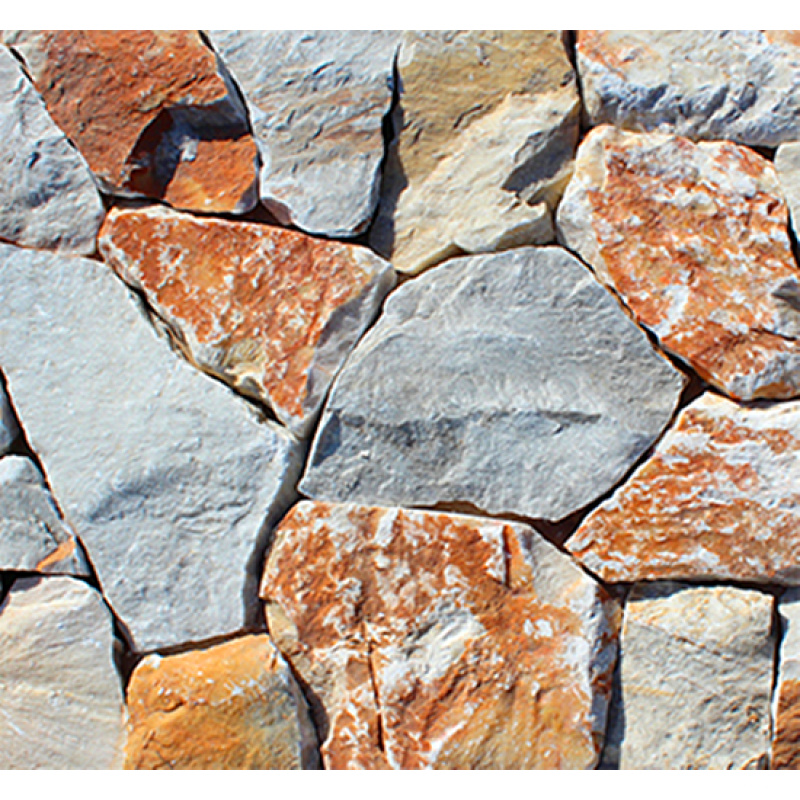
2. Ceramic Tiles Tiles are a versatile option, available in countless colors, patterns, and sizes. They can be arranged in various designs, allowing for creative expression. Ceramic tiles resist fading and are easy to maintain, making them ideal for pool environments.
3. Glass Tiles For those seeking a modern and vibrant look, glass tiles are an excellent choice. They reflect light beautifully, creating an eye-catching shimmer on the water’s surface. Glass tiles are also resistant to mildew and algae, ensuring that your pool remains clean and sparkling.
4. Composite Materials Composite cladding is increasingly popular due to its combination of durability and low maintenance. These materials often mimic the look of natural wood or stone but come with enhanced resistance to weather conditions and pests.
5. Wood Wood can bring warmth and a natural aesthetic to a pool area. However, it's essential to choose treated wood or inherently durable species such as teak or cedar to resist moisture and decay. Regular maintenance, including sealing and staining, is required to keep it looking its best.
Final Thoughts
Choosing the right pool wall cladding can dramatically alter the ambiance of your outdoor space. Whether you prefer the elegance of natural stone, the versatility of tiles, or the sleek appeal of composite materials, there are countless options to suit every taste and budget. Additionally, consider factors such as durability, maintenance, and how the materials will harmonize with other elements in your backyard.
Ultimately, investing in quality pool wall cladding not only enhances the beauty of your pool but also contributes to its longevity, creating a serene retreat for years to come. So as you embark on your design journey, take a moment to explore the variety of cladding options available and envision how they can transform your outdoor oasis into a stunning haven.





