Irregular Flagstone in China A Timeless Choice for Outdoor Spaces
When it comes to enhancing outdoor spaces, irregular flagstone has emerged as a favored choice in China, capturing the attention of architects, landscapers, and homeowners alike. This unique material not only boasts stunning aesthetic appeal but also offers several practical benefits that make it ideal for various applications.
What is Irregular Flagstone?
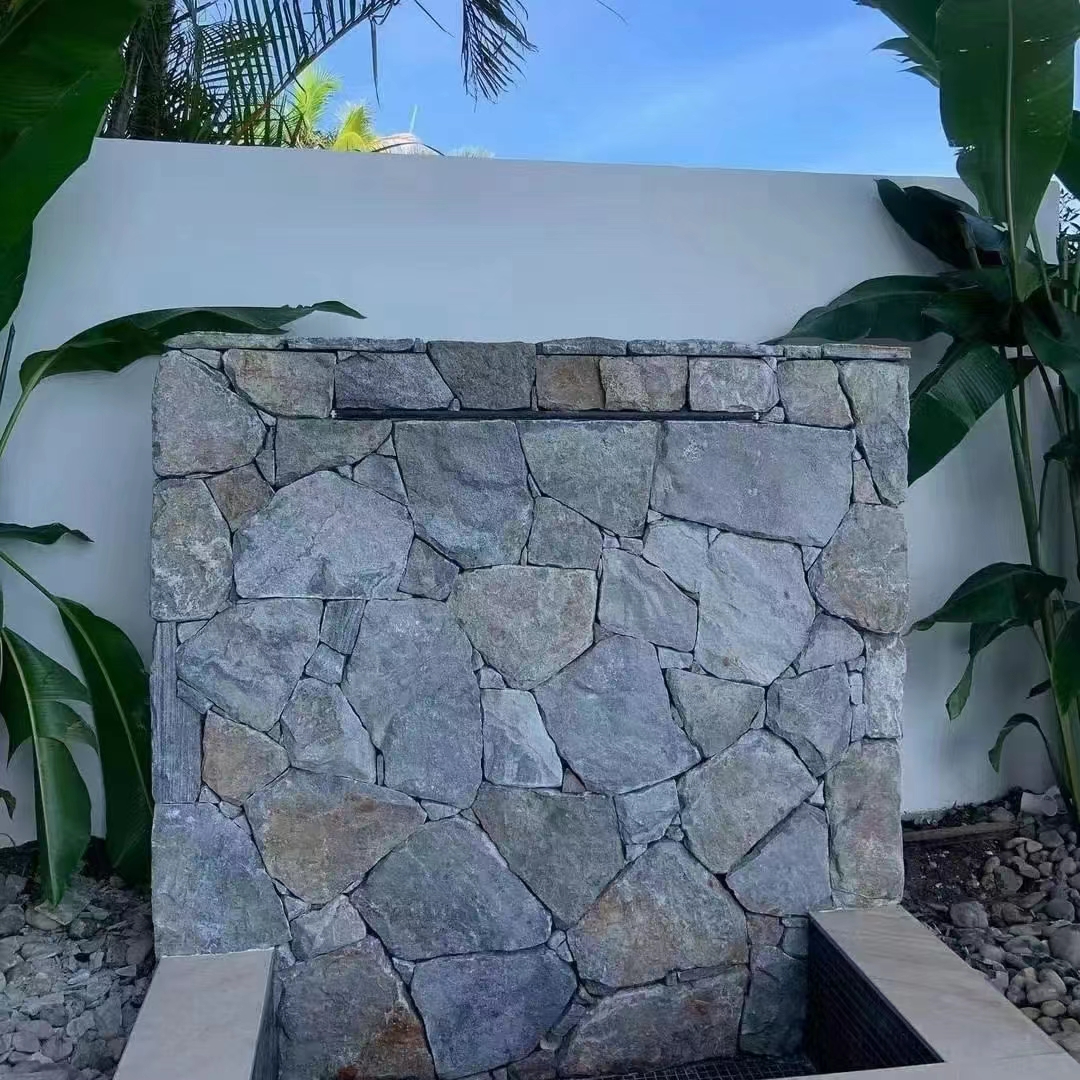
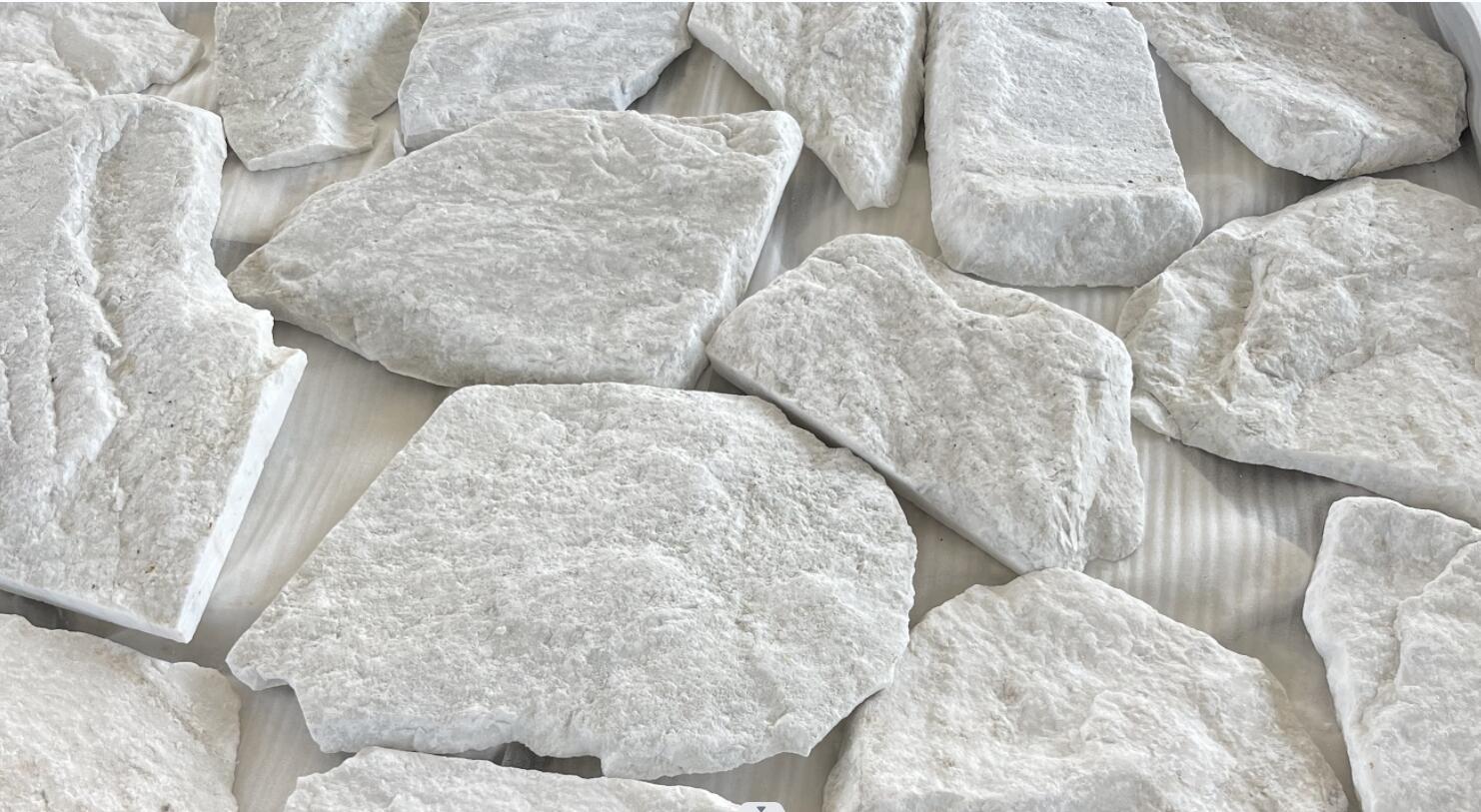
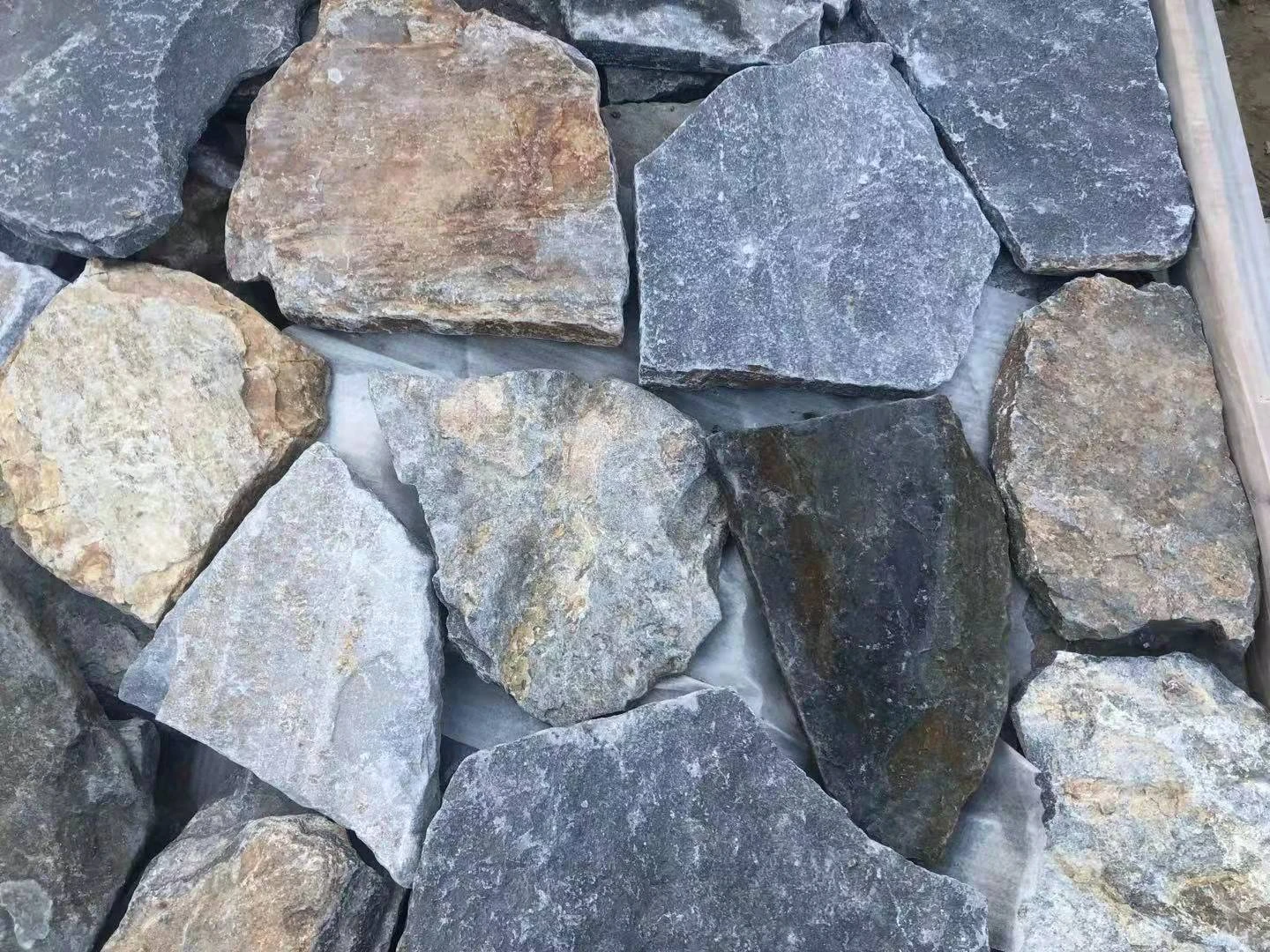
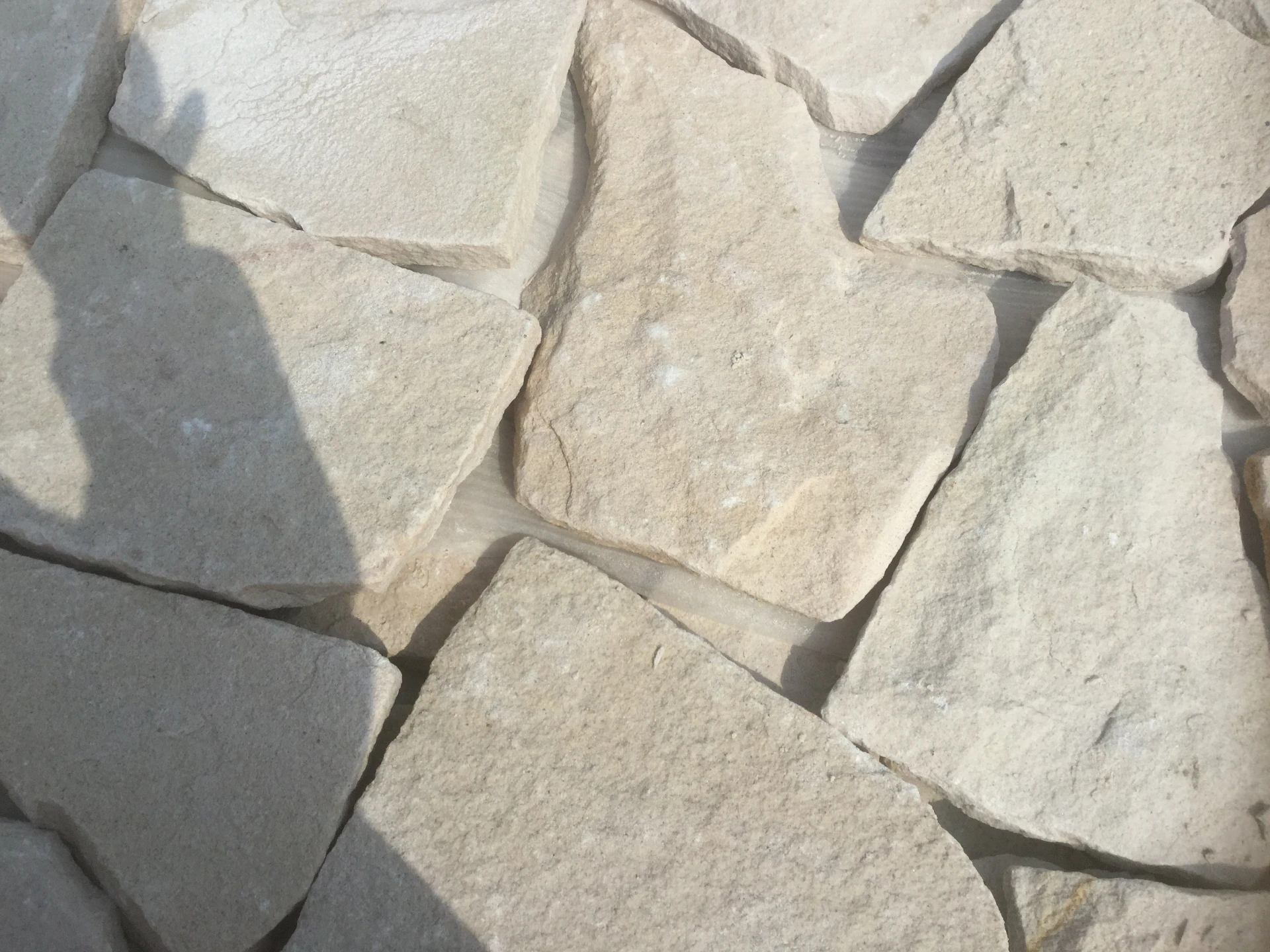
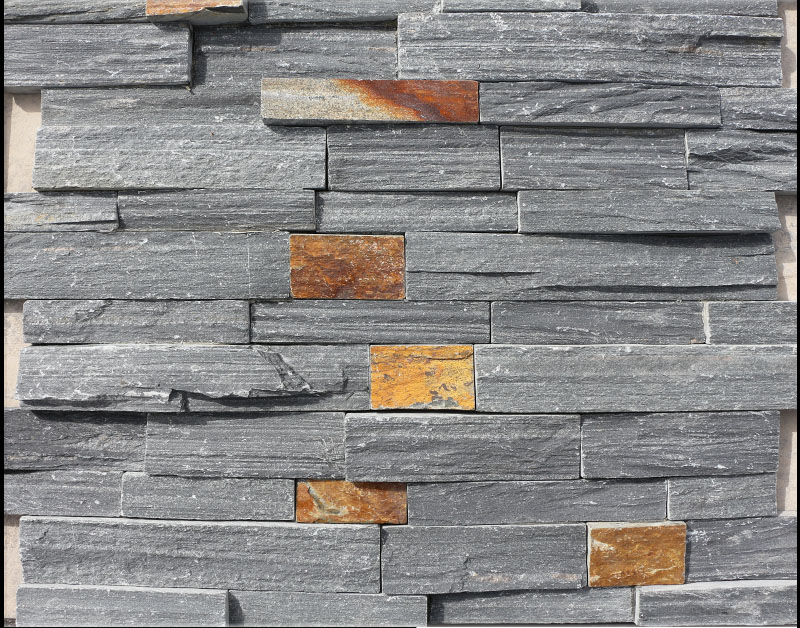
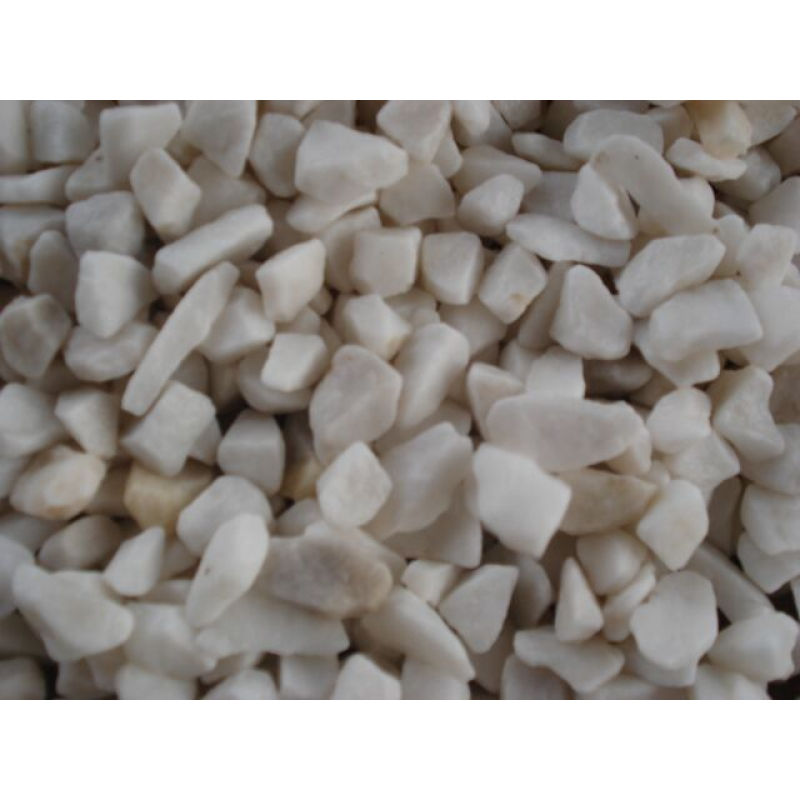
Irregular flagstone refers to flat stones that are mined and cut into random shapes and sizes, creating a natural, rustic look. This type of stone is often made from materials like slate, limestone, sandstone, or granite. The beauty of irregular flagstones lies in their unpredictability; each piece is distinct, allowing for creative patterns and designs that reflect the natural landscape. The versatility of this material has made it increasingly popular for patios, walkways, garden paths, and even poolside areas.
Aesthetic Appeal
One of the primary reasons for the rising popularity of irregular flagstone in China is its eye-catching aesthetic. The varied colors and textures of the stones can complement any style of home or garden. Whether aimed at a contemporary urban setting or a traditional countryside dwelling, irregular flagstones can enhance the visual appeal of outdoor spaces. When installed correctly, they create a naturally flowing surface that seamlessly integrates with the surroundings, inviting people to engage with nature.
In Chinese culture, harmony with nature holds great significance. The organic forms of irregular flagstones resonate with this philosophy, allowing homeowners to connect their built environments with the natural world. Tools like sand, mortar, and gravel can further enhance this connection while ensuring durability.
Durability and Maintenance
Unlike other paving materials, irregular flagstones are highly durable. Its resistance to weathering makes it a practical choice for regions in China experiencing varying climates—from the rainy seasons of southern China to the colder northern areas. Flagstones may be subjected to rain, snow, and extreme temperatures but tend to withstand these conditions better than other materials.
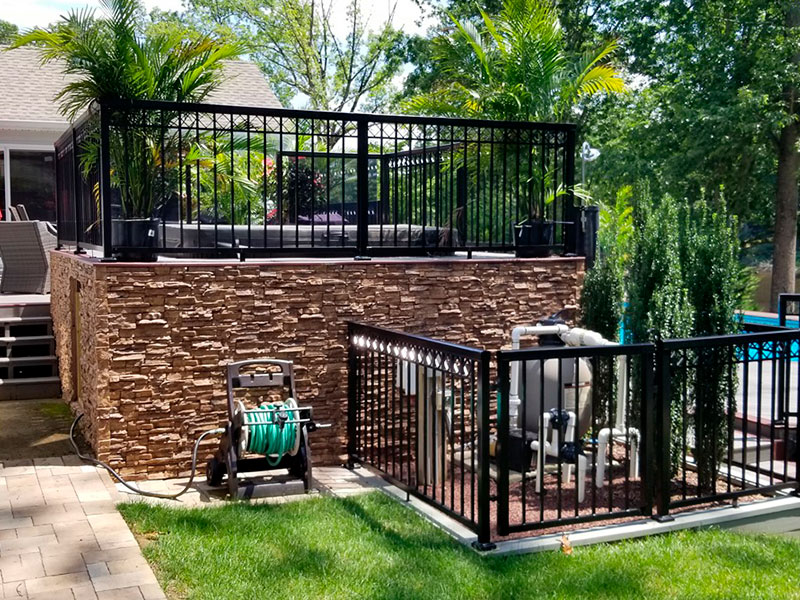
Maintenance is also relatively straightforward. Regular sweeping to remove debris and occasional power washing can keep an irregular flagstone surface looking fresh. Between stones, ground cover can fill gaps and add to the overall aesthetic while preventing weed growth, which often proves to be a problem in paved areas.
Installation Considerations
While DIY enthusiasts might be tempted to lay irregular flagstone on their own, hiring professionals is often advisable. Proper installation is critical to ensure that the stones are laid securely and create a level surface. Professionals know the subtleties of this process, including how to manage drainage and erosion issues.
China’s construction sector has increasingly embraced innovative paving solutions, and skilled craftsmen are available who specialize in irregular flagstone installation, ensuring that each project achieves maximum aesthetic and functional benefits.
Environmental Friendly Choice
Lastly, irregular flagstone is an environmentally friendly option compared to many synthetic alternatives. As it is harvested from the earth, flagstone requires minimal processing, resulting in a lower carbon footprint. Furthermore, its longevity means fewer replacements are necessary, contributing to sustainability.
Conclusion
In conclusion, irregular flagstone is an exceptional choice for outdoor spaces in China. Its timeless beauty, durability, and compatibility with the natural environment make it a favorite among architects and homeowners alike. As the demand for aesthetically pleasing yet practical outdoor surfaces continues to rise, irregular flagstone stands out as an enduring option that melds artistic expression with functionality, appealing to those wishing to create serene and picturesque outdoor spaces. Embracing this material not only adds value to a property but also reflects a growing appreciation for sustainable and harmonious design principles in China's evolving landscape.