The Versatility and Aesthetic Appeal of Cladding Stone
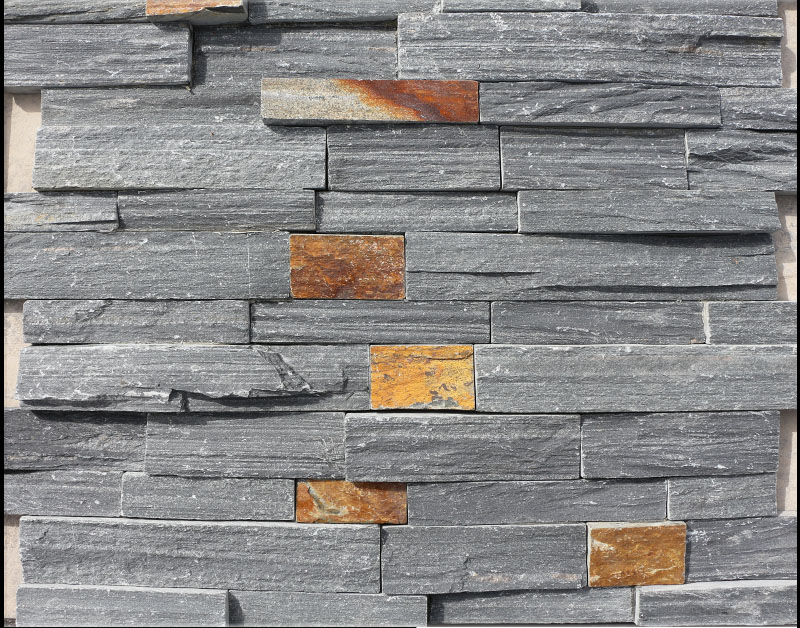
Cladding stone is swiftly becoming a favored choice in modern architecture and interior design, valued for its natural beauty, durability, and versatility. This material is used to cover walls and surfaces, providing both structural integrity and an appealing aesthetic. As trends in construction and design continue to evolve, cladding stone stands out as a frontrunner, marrying form and function seamlessly.
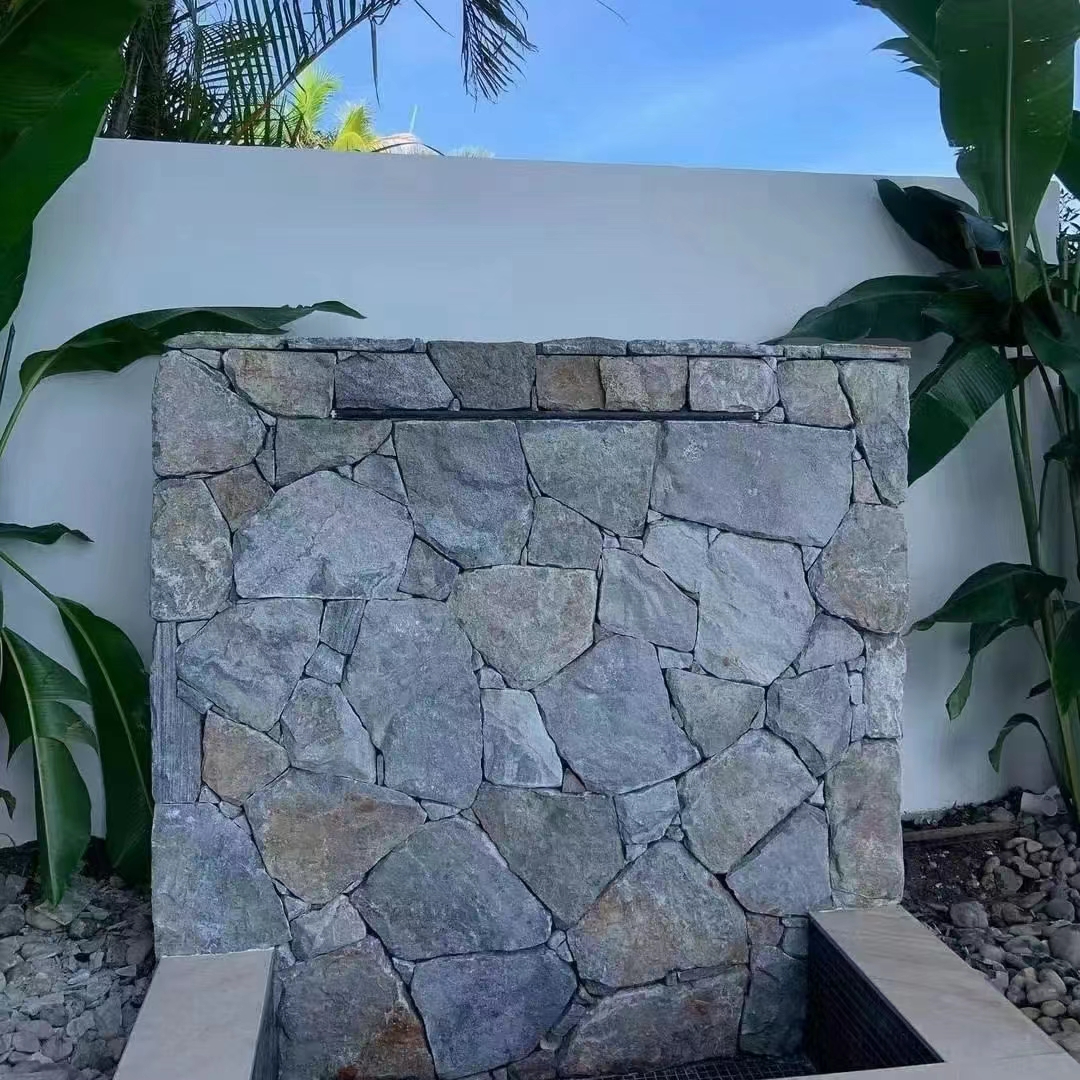
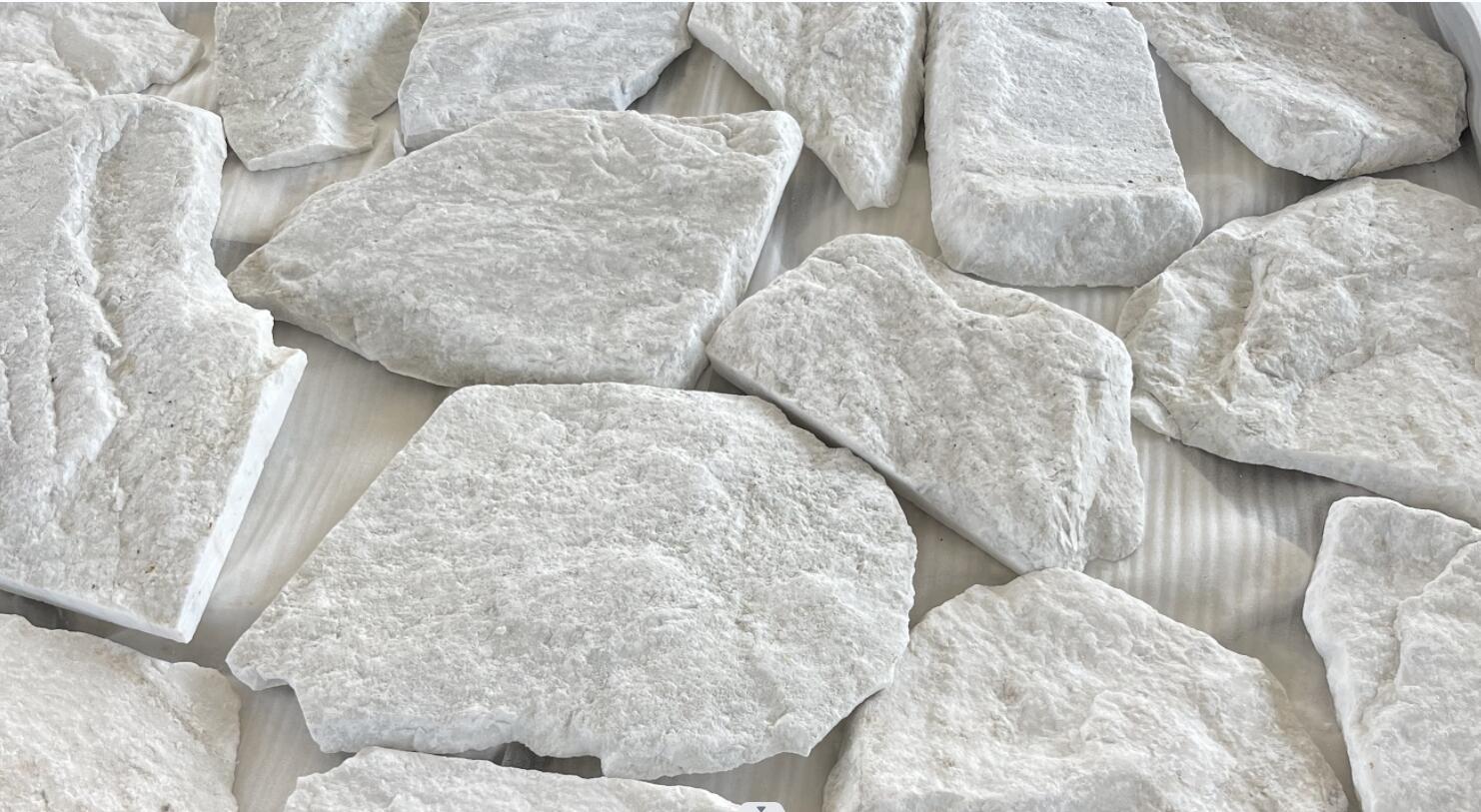
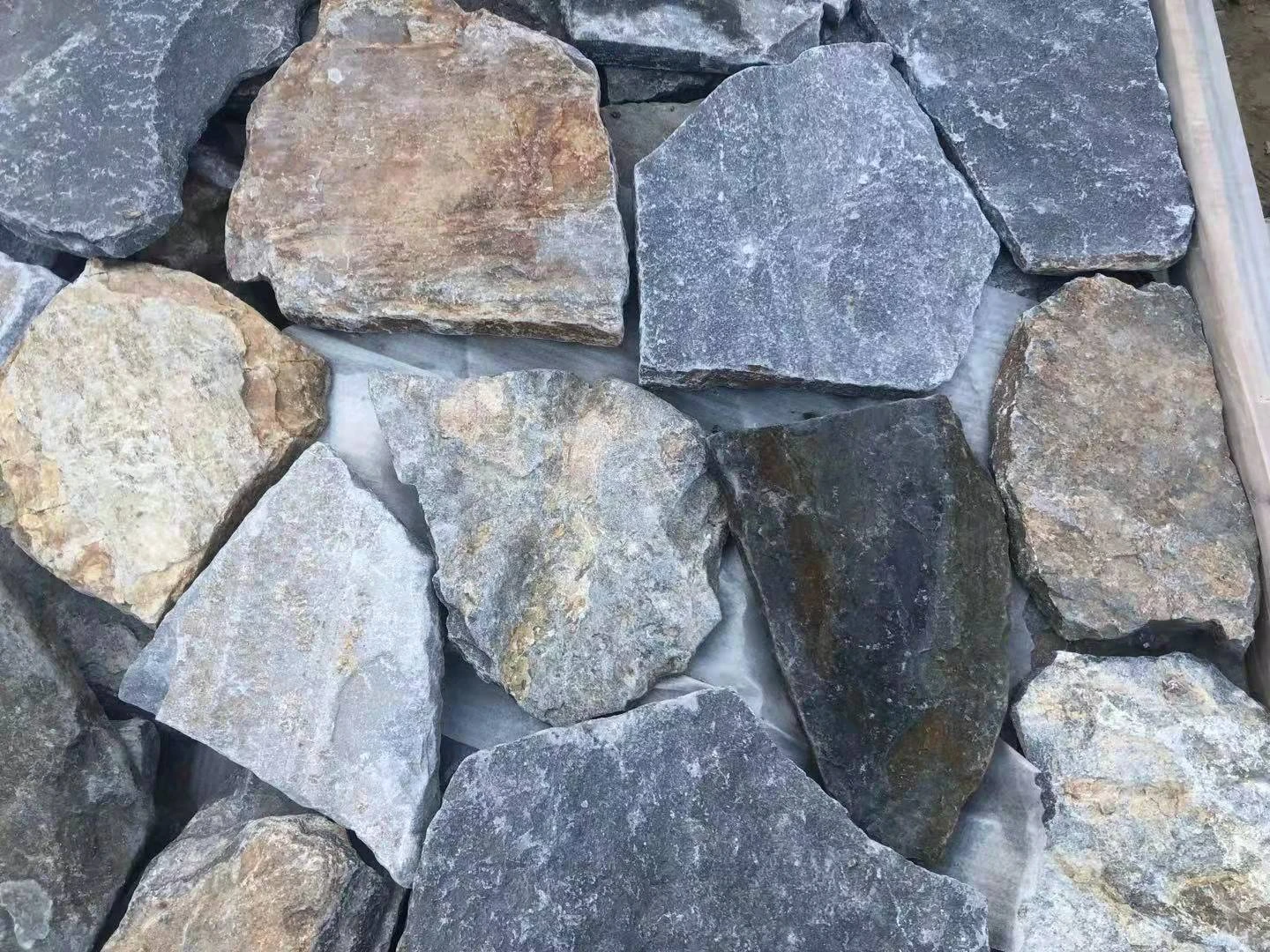
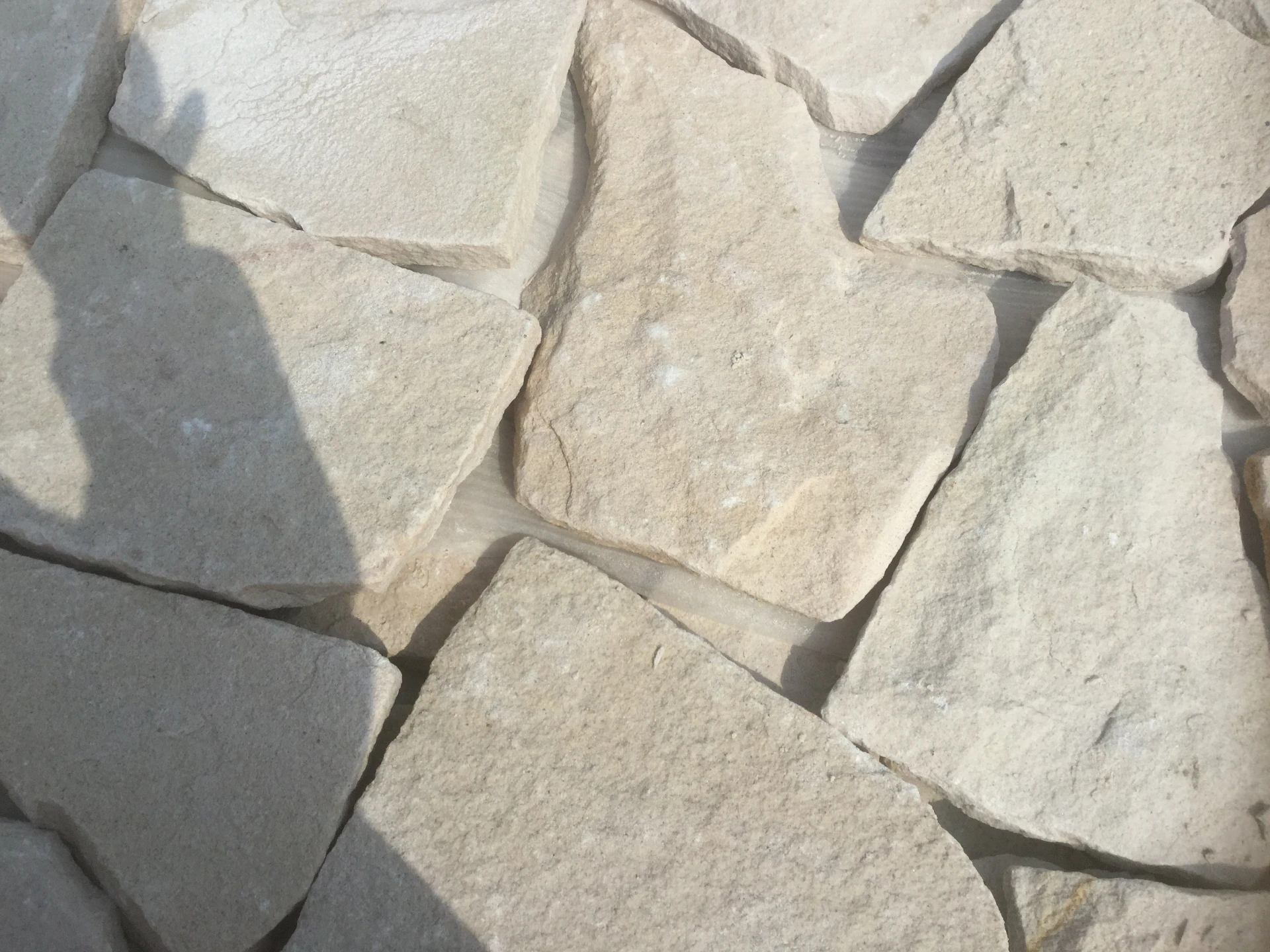
One of the primary attractions of cladding stone is its wide range of options. From limestone to granite and slate to sandstone, different types of stone offer unique textures, colors, and finishes. Limestone, for instance, is renowned for its warm tones and soft texture, making it an excellent choice for creating a timeless look in residential buildings. In contrast, granite provides a more robust and striking appearance, favored for commercial properties and high-traffic areas due to its resistance to wear and tear. Each type of stone can be selected to match the specific style of a building, whether it's contemporary, rustic, or traditional.
Beyond aesthetic considerations, cladding stone also possesses numerous practical benefits. Its durability ensures that it can withstand the elements, making it suitable for both indoor and outdoor applications. Unlike some materials that may degrade or lose their appeal over time, natural stone maintains its integrity and beauty for decades, if not centuries. This durability translates into lower maintenance costs, as cladding stone typically requires minimal care beyond occasional cleaning.
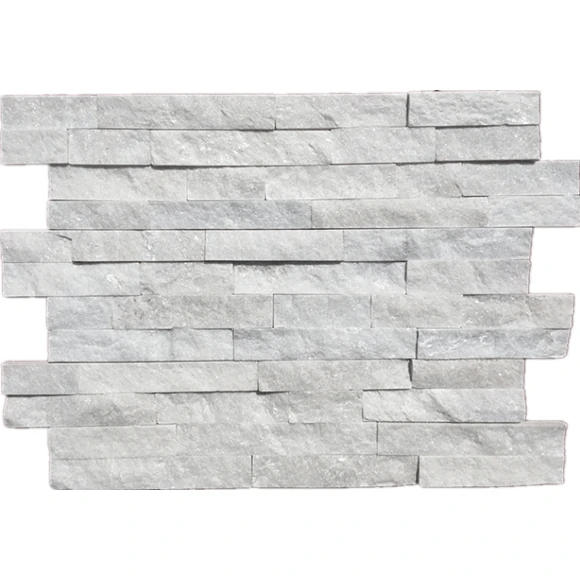
In addition to longevity, cladding stone offers excellent thermal and acoustic insulation properties. Buildings that employ stone cladding can benefit from a reduction in energy costs, as the material helps regulate indoor temperatures by keeping heat in during winter and cool air trapped during summer. Moreover, stone is an effective sound barrier, making it an ideal choice for structures situated in noisy environments.
Eco-conscious consumers will also appreciate that many types of cladding stone are sourced sustainably. Natural stone can often be harvested with minimal environmental impact, especially when sourced locally. This not only reduces transportation emissions but also helps to support local economies. By choosing cladding stone, homeowners and builders can make a positive contribution to sustainable construction practices.
Furthermore, the installation of cladding stone can enhance property value. Homes and buildings adorned with high-quality stone cladding often attract potential buyers and can command higher prices in the market. The timeless appeal of natural stone conveys a sense of luxury and sophistication that synthetic materials strive to replicate but often fall short.
In conclusion, cladding stone is much more than a mere building material; it is an integral component of modern design that combines beauty, practicality, and sustainability. With its wide variety of options, durability, thermal efficiency, and positive environmental impact, it serves as an ideal choice for anyone looking to elevate their property’s aesthetic while investing in quality and longevity. As trends in architecture lean towards more natural materials, cladding stone remains a classic choice that continues to stand the test of time, enhancing both contemporary and traditional designs alike. Whether for a cozy home or a striking commercial building, cladding stone undoubtedly adds a touch of elegance and resilience.