The Art of Decorative Landscaping Stone
Landscaping is an essential aspect of creating an outdoor environment that is not only aesthetically pleasing but also functional. One of the most versatile materials in landscaping design is decorative landscaping stone. This natural element adds texture, color, and structure to gardens, patios, and pathways, making it a favored choice among landscapers and homeowners alike.
The Benefits of Decorative Landscaping Stone
Decorative landscaping stones come in various types, sizes, and colors, making them suitable for a wide range of projects. One of the significant benefits of using stone in landscape design is durability. Unlike organic materials, which can decompose or fade over time, stone can withstand various weather conditions and retain its appearance for years. Whether it's heavy rain, intense sun, or freezing temperatures, decorative stones remain intact, making them a long-lasting investment for any outdoor space.
Moreover, stones require minimal maintenance compared to other landscaping materials. Once they are installed, they do not need regular watering, mowing, or replanting. This low-maintenance nature is particularly appealing to busy homeowners who want a beautiful yard without the constant upkeep.
Versatility in Design
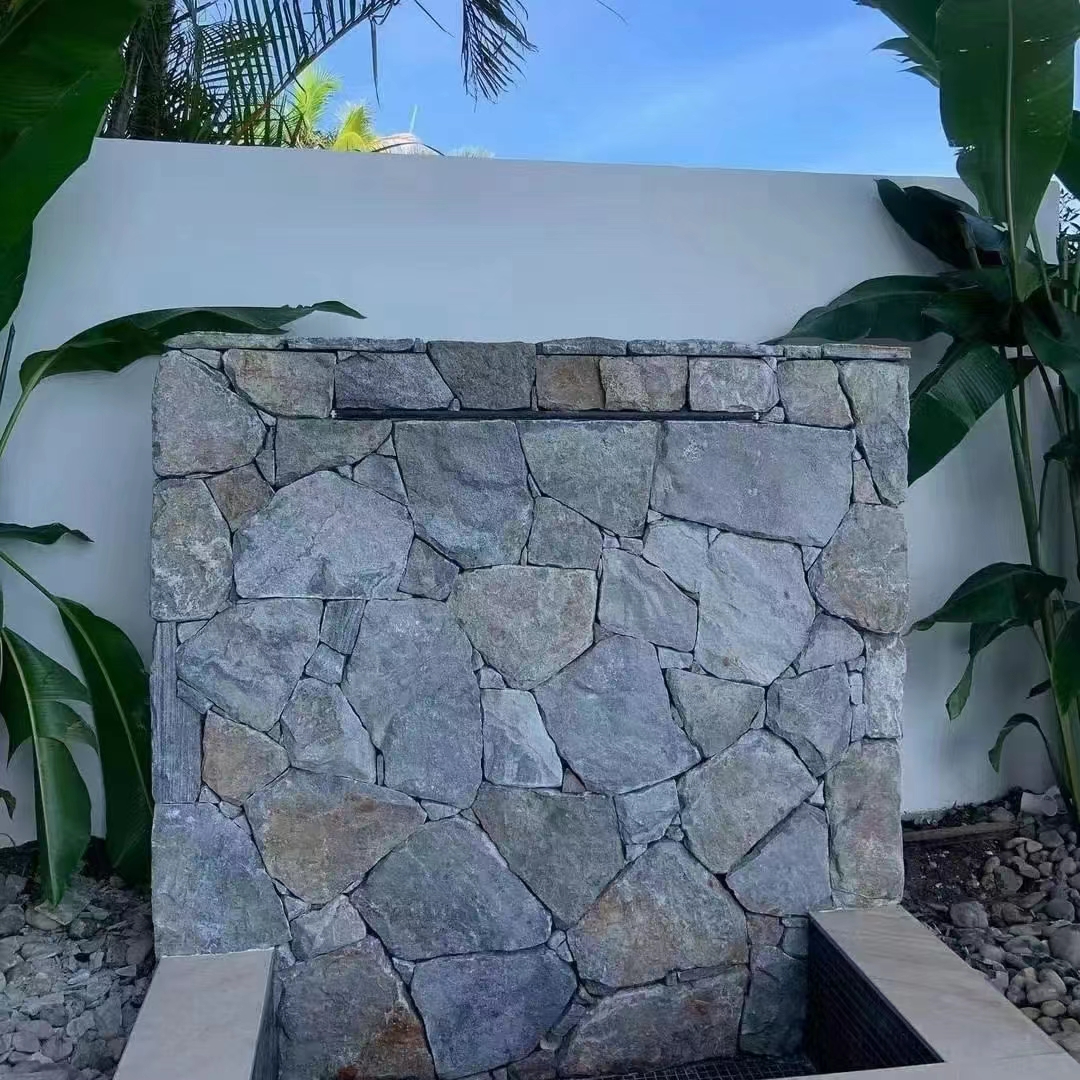
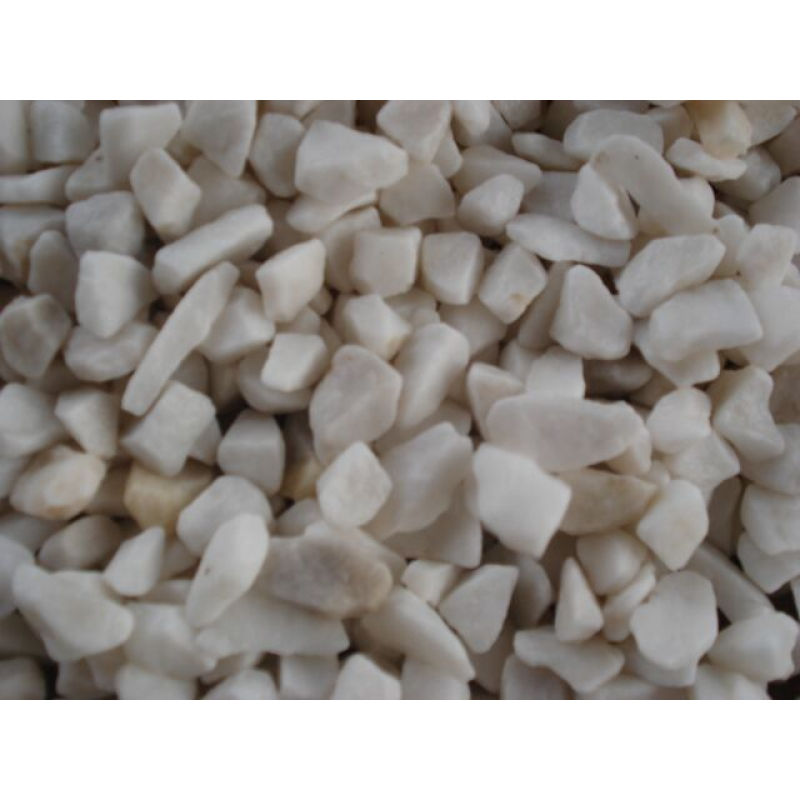
The versatility of decorative stones allows for creative and innovative landscape designs. Stones can be used for pathways, patios, retaining walls, rock gardens, and even water features. For instance, smooth river stones in varying sizes can create a stunning dry riverbed, while larger boulders can function as focal points in a garden, drawing the eye and adding dimension.
Incorporating decorative stones can also enhance the natural beauty of the surrounding environment. Selecting stones that complement the local geography can help the design feel cohesive and harmonious. For example, if you live in a mountainous area, utilizing locally sourced granite or slate can link your landscape to the larger natural landscape.
Color and Texture
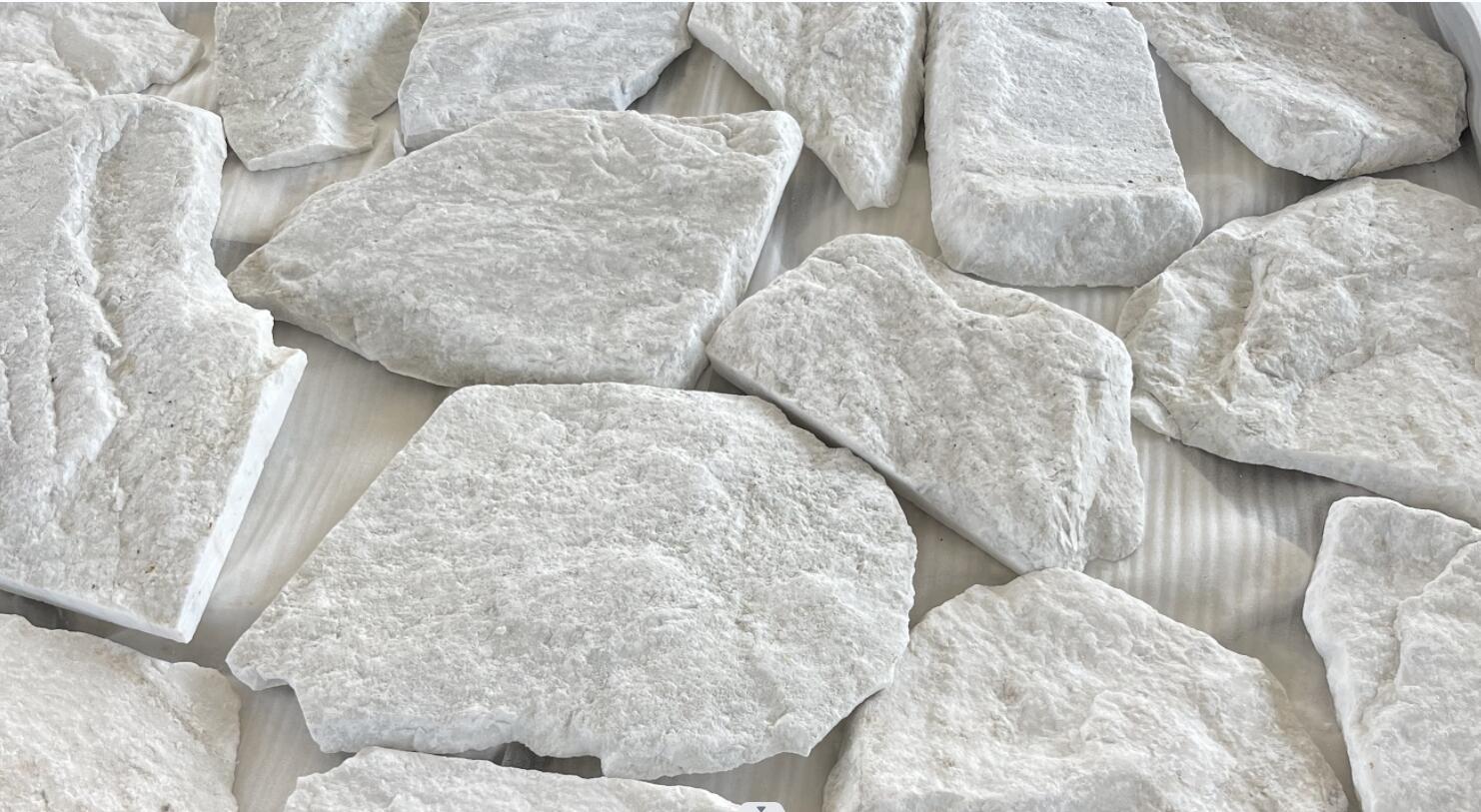
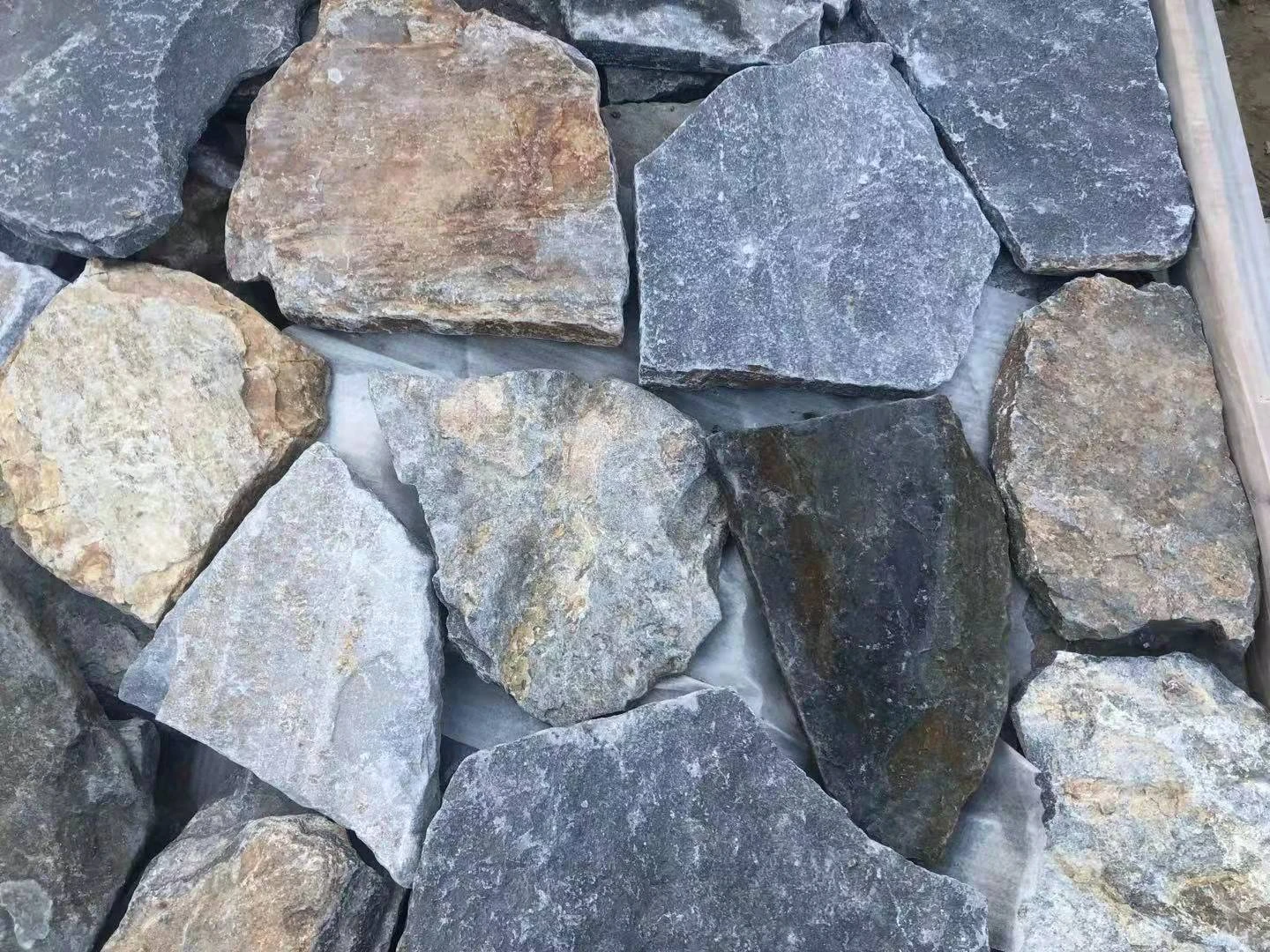
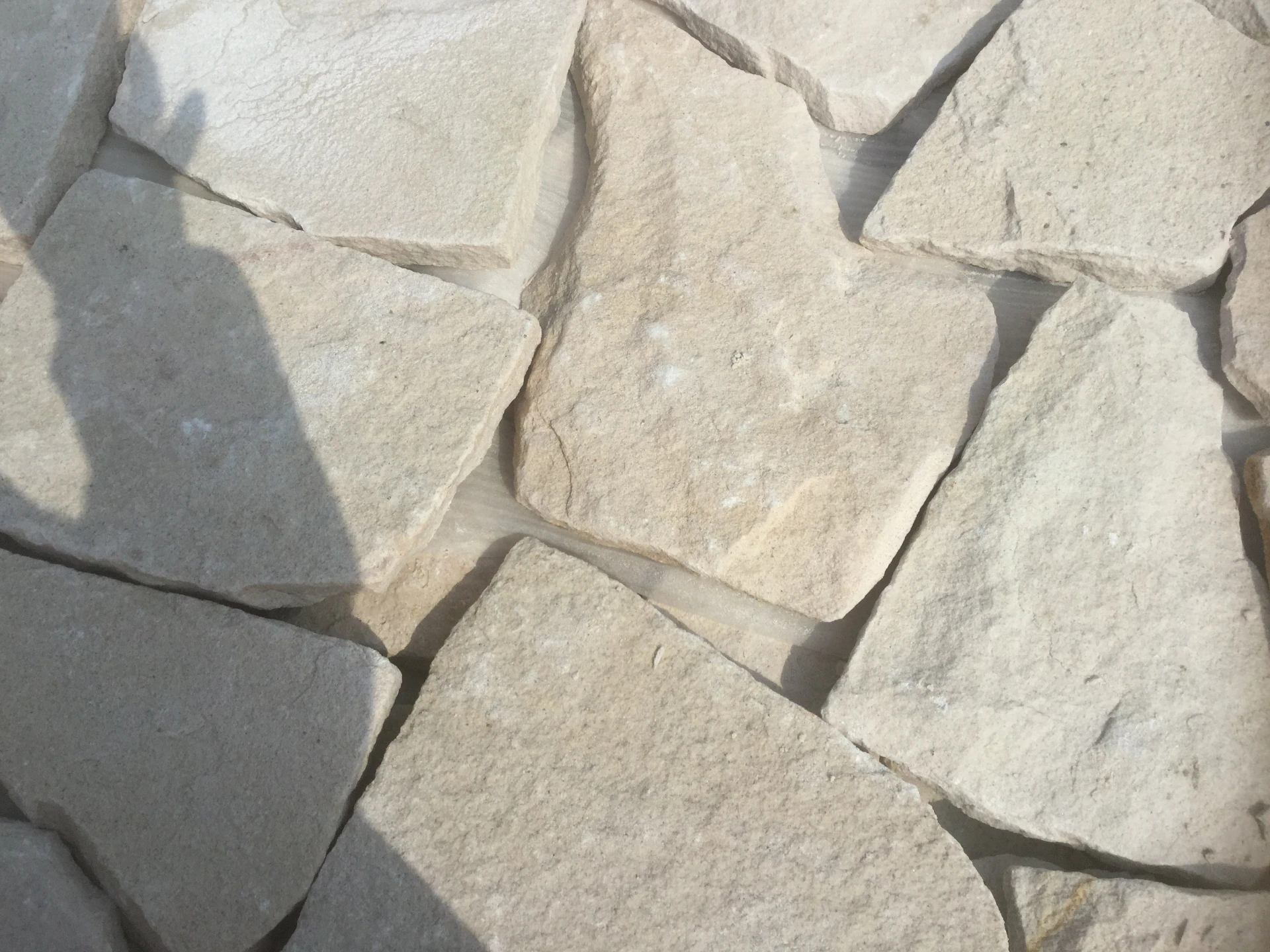
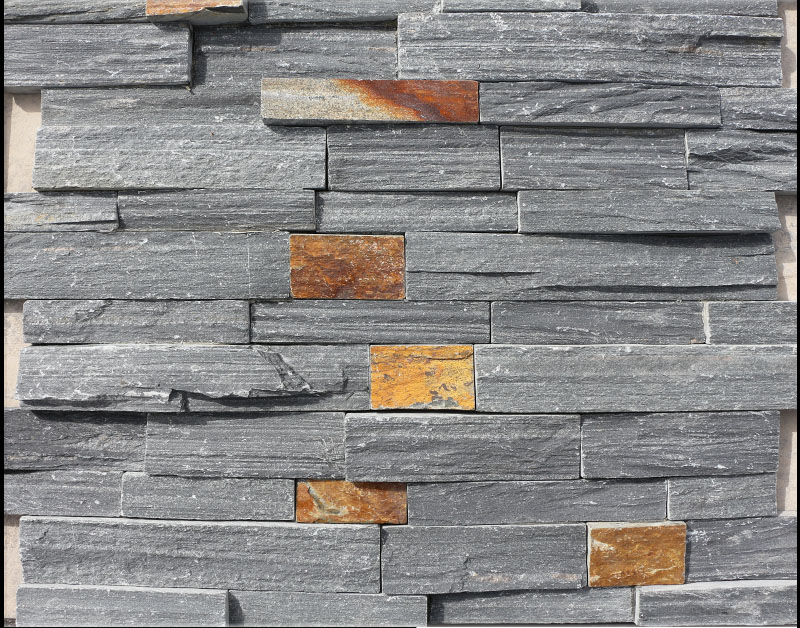
Another advantage of decorative landscaping stones is the range of colors and textures available. From warm reds and browns to cool blues and grays, there is a stone to suit every color palette. This variety allows homeowners to achieve a desired aesthetic, whether they aim for a modern, minimalist look or a rustic, earthy feel.
The texture of the stones also plays a crucial role in the overall design. Smooth, polished stones can convey a sleek and contemporary style, while rough, jagged stones exude a more organic and natural appeal. Combining different types of stones can create striking contrasts that add depth and visual interest to the landscape.
Sustainable Landscaping
In the era of sustainable living, decorative landscaping stones present an eco-friendly option for those looking to reduce their environmental impact. Since stones are a natural resource, they do not require the extensive processing that many artificial materials do. Furthermore, using stones can reduce the need for water-intensive plant landscaping, thus conserving water resources.
Additionally, carefully designed stone landscapes can improve drainage and prevent soil erosion. By opting for stones that allow water to permeate through, landscape designs can support local ecosystems and maintain soil health.
Conclusion
Decorative landscaping stone is more than just a functional element; it is an art form that enhances the beauty and usability of outdoor spaces. With its durability, versatility, and aesthetic appeal, it is no wonder that many seek to incorporate stone into their landscape designs. Whether used in pathways, gardens, or patios, decorative stones offer an array of design possibilities that can transform any outdoor area into a stunning retreat. Embracing the use of stones not only contributes to a beautiful landscape but also promotes sustainability and environmental awareness, making it a choice that resonates with modern sensibilities.