

The Elegance and Durability of High-Quality Travertine Stone
Travertine stone has been a treasured building material for centuries, renowned for its unique beauty and remarkable durability. Formed through the precipitation of calcium carbonate from mineral springs, travertine is a natural stone that not only adds aesthetic value to any space but also stands the test of time. Its appeal is rooted in the variations in color and texture, which can seamlessly integrate into various architectural styles and design themes.
Distinctive Characteristics of Travertine Stone
One of the most captivating features of high-quality travertine is its array of colors, ranging from warm beiges and creams to deeper shades of brown and gold. This natural palette allows architects and interior designers to create versatile spaces that reflect their individual styles. The stone's unique pitting and veining also play a crucial role in its character, providing depth and visual interest. Each piece of travertine is distinctive, telling a story of its geological past.
High-quality travertine is categorized into three main types filled, unfilled, and honed. Filled travertine has been treated to fill its natural voids with resin or cement, resulting in a smoother surface ideal for high-traffic areas. Unfilled travertine displays its natural texture and is often favored for outdoor applications or rustic designs. Honed travertine, with its satin-smooth finish, offers a more contemporary look that works beautifully indoors, particularly in modern and minimalist environments.
Applications of Travertine Stone
The versatility of high-quality travertine makes it suitable for a wide range of applications. In residential spaces, it is often used for flooring, walls, countertops, and even fireplaces. Its ability to maintain a stable temperature means that it is a comfortable choice for both hot and cold climates. For outdoor spaces, travertine is an excellent option for patios, pool decks, and walkways, as its porous nature provides slip resistance, making it safer than many other materials.
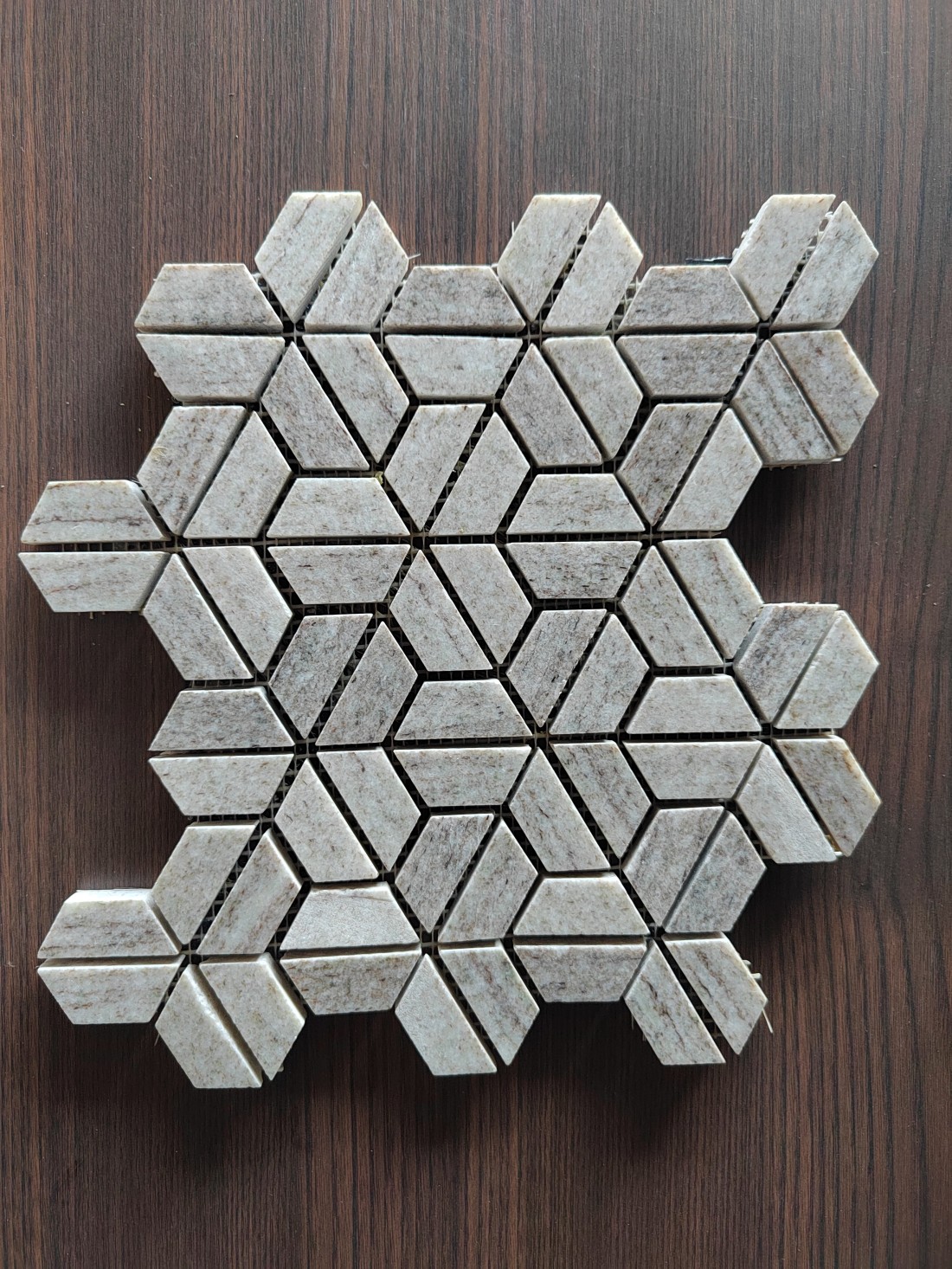
In commercial settings, travertine is frequently utilized in upscale hotels, restaurants, and retail spaces. Its luxurious appearance elevates the overall ambiance, while its durability ensures that it can withstand heavy foot traffic with minimal wear and tear. Moreover, several iconic structures, including ancient Roman baths and amphitheaters, showcase the timeless appeal of travertine, proving its worth as a historical and enduring material.
The Sustainability of Travertine
In an age where environmental consciousness is increasingly important, travertine stands out as a sustainable choice. Being a natural stone, it requires minimal processing compared to synthetic materials. When sourced responsibly, travertine can be a wise decision for eco-friendly construction and renovation projects. Additionally, its longevity means that less frequent replacements are necessary, further reducing waste and environmental impact.
Caring for Travertine Stone
To maintain the beauty and longevity of high-quality travertine, proper care and maintenance are essential. Regular cleaning with a mild pH-neutral solution will help preserve its finish, while avoiding harsh chemicals that can damage the stone. Sealing travertine periodically can also protect it from stains and enhance its durability, especially in high-moisture areas.
Conclusion
High-quality travertine stone is a timeless, elegant, and versatile material that continues to be a favorite among architects, designers, and homeowners. Its unique characteristics, numerous applications, and sustainable qualities make it a wonderful choice for any project. Whether used in modern design or historical restoration, travertine captivates with its natural beauty and durability, ensuring that it will remain a valued resource for generations to come. Embracing travertine in your home or workspace not only adds aesthetic appeal but also a sense of connection to nature and history.





