Exterior stone cladding has become an increasingly popular material choice for enhancing the exterior aesthetics of both residential and commercial buildings. Drawing on centuries of architectural tradition, stone cladding offers not only a timeless and elegant appearance but also practical benefits such as durability and insulation.
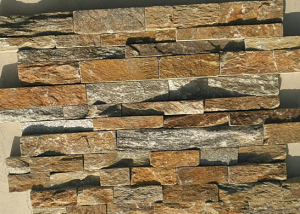
The primary advantage of exterior stone cladding is its ability to transform the look of a building, adding a sense of grandeur and prestige. It is available in various colors, textures, and finishes, allowing architects and homeowners to customize the appearance according to their personal taste and architectural style. From sleek, modern designs to rustic, traditional facades, stone cladding can be adapted to meet any aesthetic vision.
One of the defining attributes of stone cladding is its durability. Unlike other facade materials that may suffer from wear and tear over time, stone cladding is resistant to weather, fire, and pests. This resilience makes it an ideal choice for regions with harsh climates, where temperature fluctuations and environmental conditions can otherwise compromise building exteriors. Stone's long-lasting nature ensures that the initial investment is preserved over many decades, reducing the need for frequent repairs and replacements.
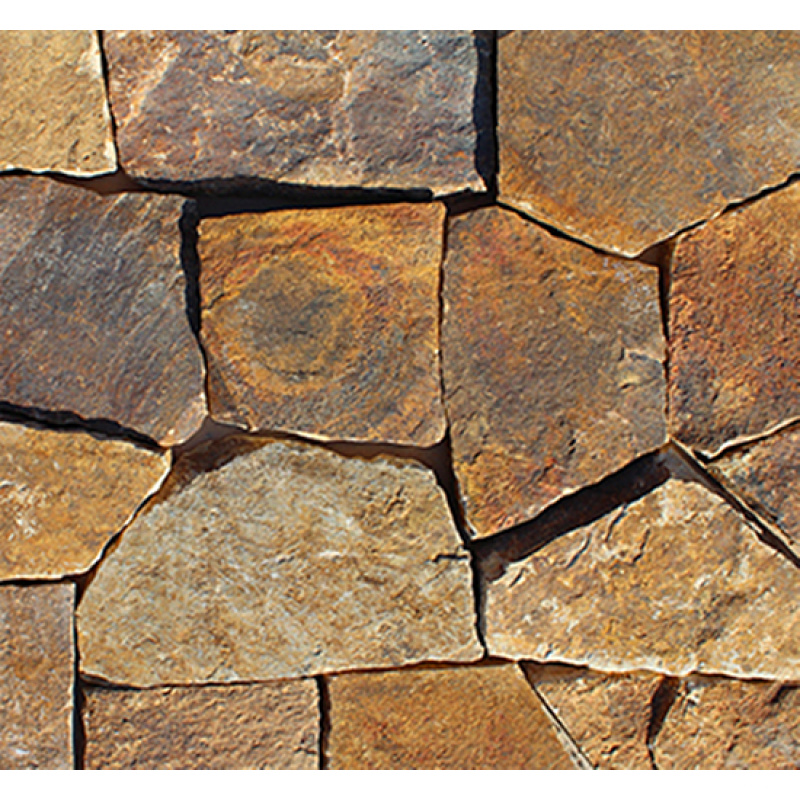
In terms of expertise, selecting and installing the right type of stone cladding requires a keen understanding of both material science and architectural design. Experienced professionals, such as architects and contractors specializing in stone installations, can provide invaluable guidance. They help determine the best stone type for specific environmental conditions, ensuring that the cladding performs well and endures over time. Additionally, they are skilled in the subtleties of installation, ensuring that each stone is meticulously placed to maximize both aesthetic appeal and structural integrity.
exterior stone cladding
One of the lesser-known benefits of exterior stone cladding is its contribution to energy efficiency. Natural stone, with its thermal mass properties, helps regulate temperature fluctuations within a building. During the day, stone absorbs heat, keeping interiors cooler, and releases it during cooler periods, contributing to a more stable indoor environment and potentially lowering energy costs associated with heating and cooling.
From an authoritative perspective, stone cladding offers a heritage that few other materials can match. For centuries, stone has been associated with architectural marvels—such as castles, cathedrals, and ancient temples—which are still standing today, testifying to its formidable strength and allure. This historical reliability enhances the product’s appeal and lends credibility to its use in contemporary construction.
Trustworthiness is also crucial when considering exterior stone cladding. It is essential to source the stone from reputable suppliers that provide authentic, high-quality materials. Homeowners should seek out companies with verified certification and positive reviews from past clients. Furthermore, eco-friendly sourcing practices, such as utilizing locally quarried stone, can minimize environmental impact and reflect a commitment to sustainable building practices.
In conclusion, exterior stone cladding stands as a premier choice for those looking to enhance their building’s exterior with a material that promises elegance, durability, and energy efficiency. By engaging experienced professionals, utilizing high-quality materials, and considering sustainable practices, the benefits of stone cladding can be fully realized, ensuring both aesthetic and functional satisfaction for years to come. This blend of tradition and modernity makes stone cladding not only a visually appealing choice but also a wise investment in the longevity and efficiency of a property.







