The Charm of Irregular Stones in Chinese Culture
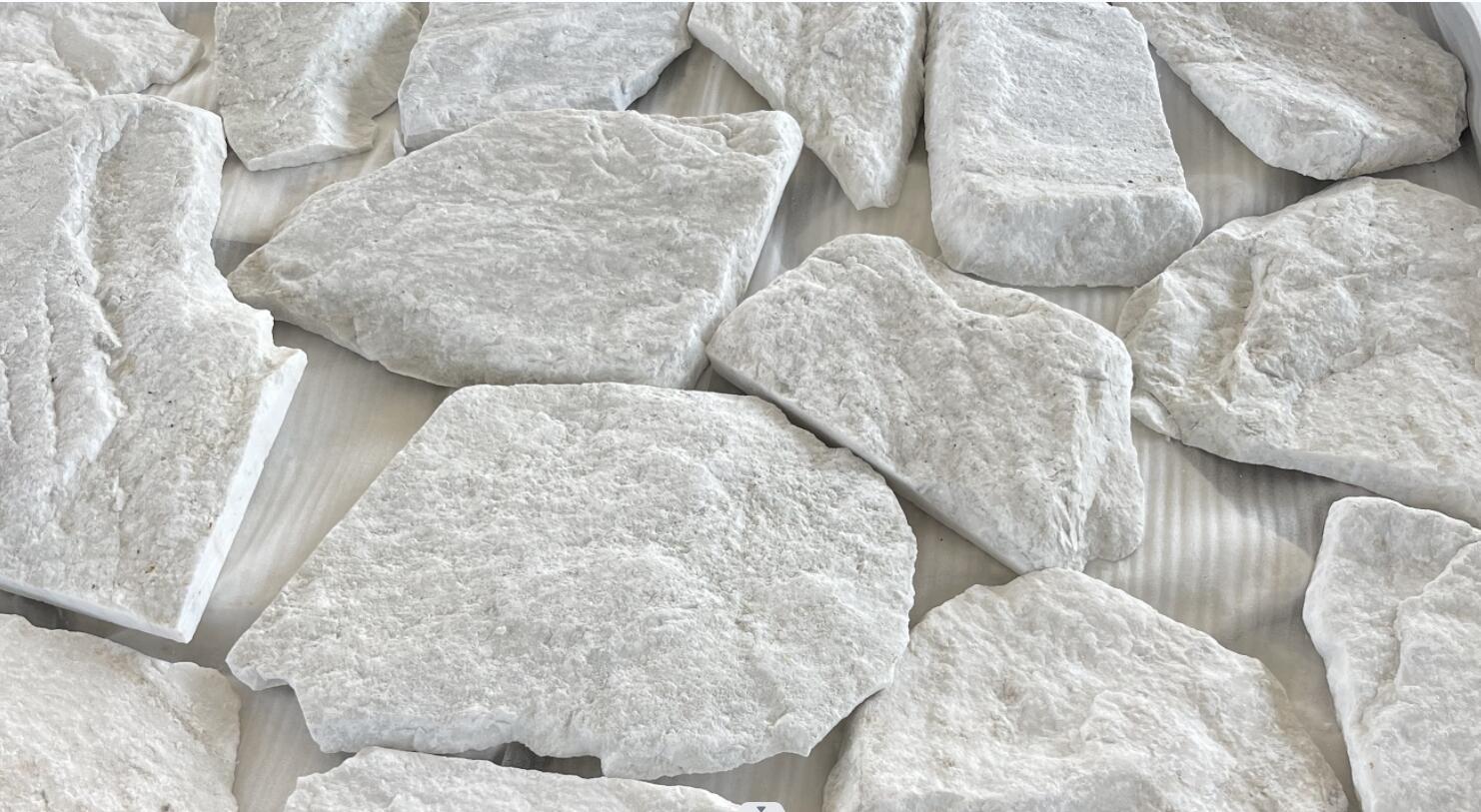
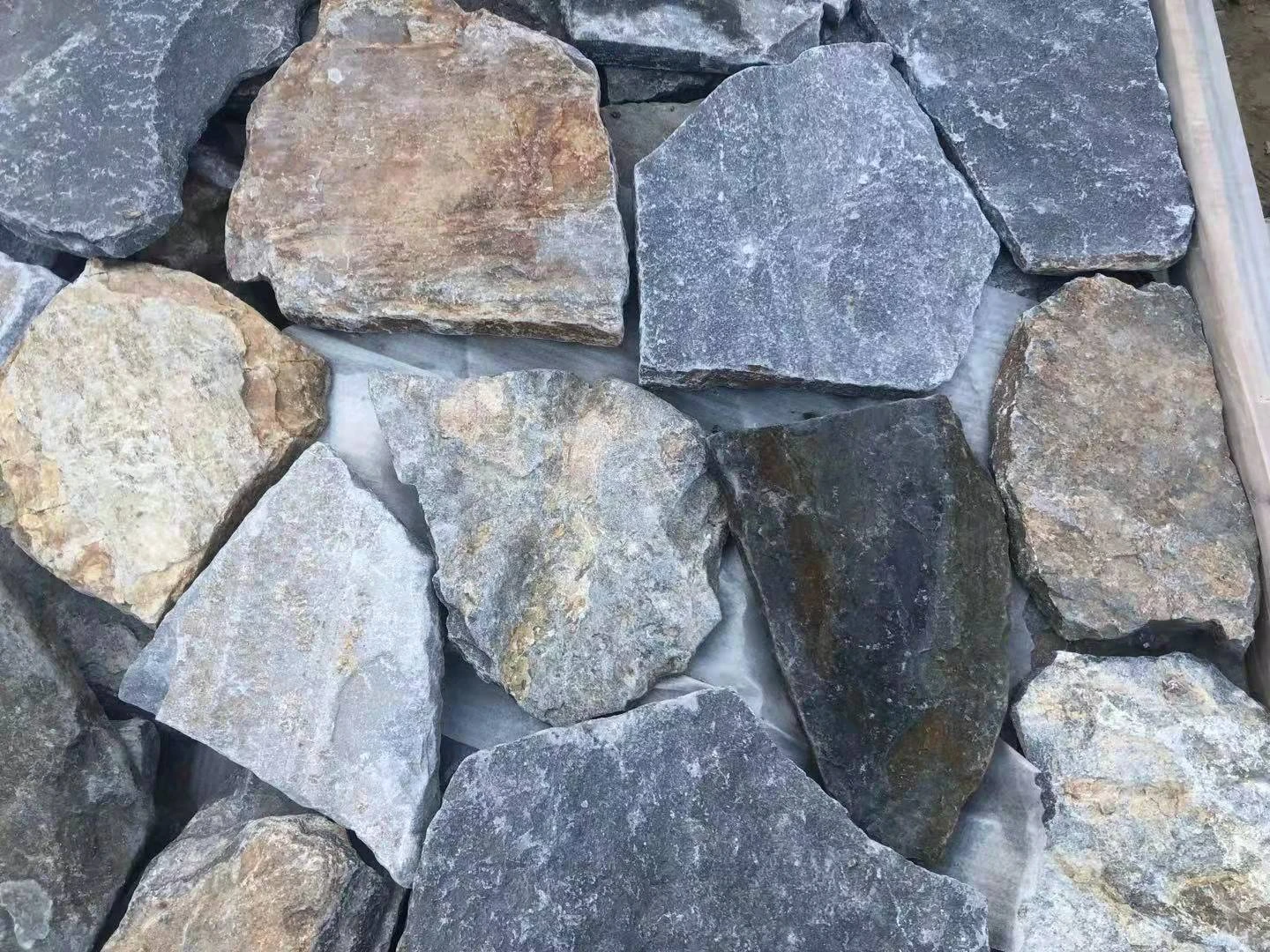
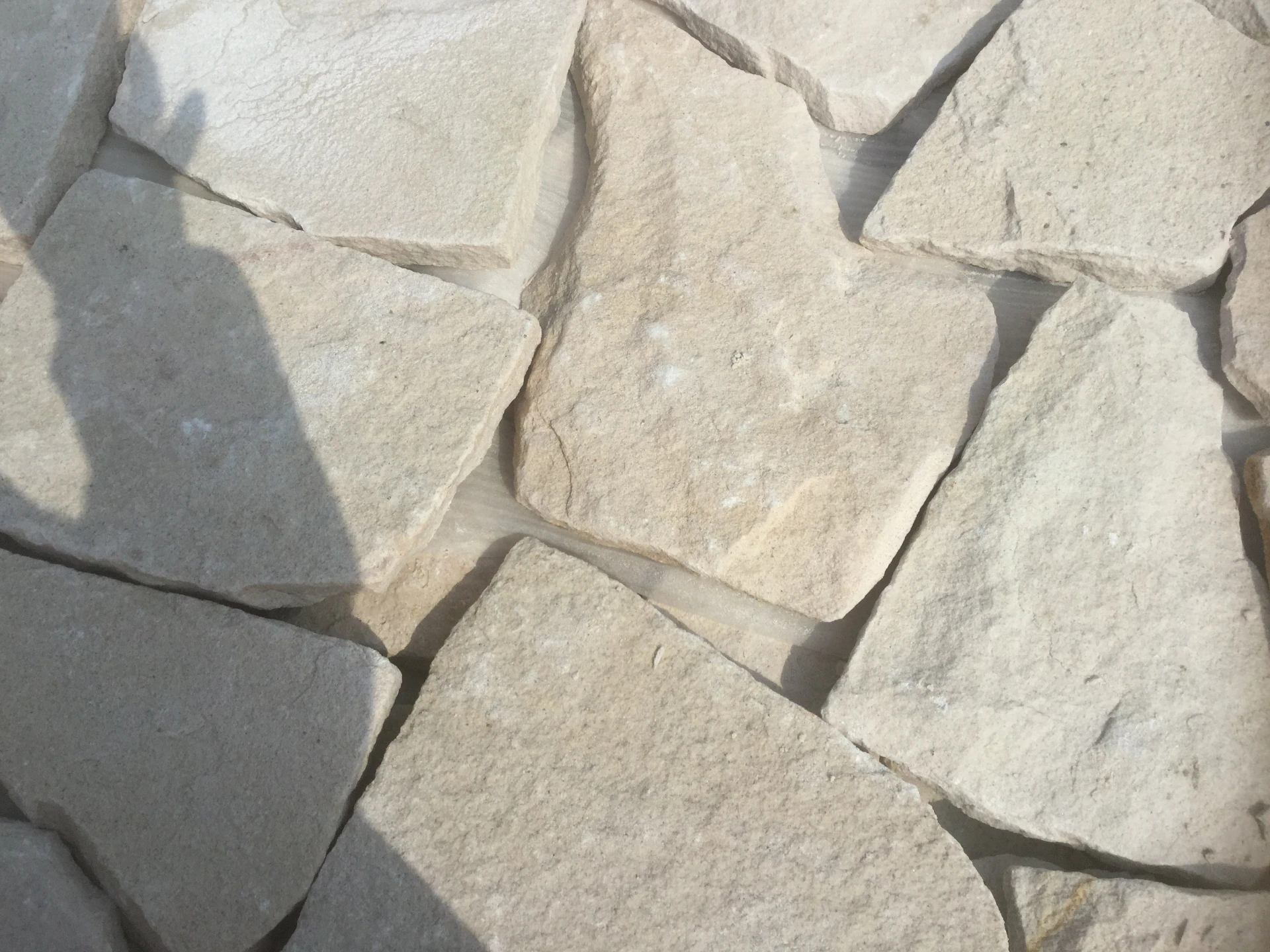
Irregular stones, with their unique shapes, textures, and colors, have captured the imagination of artists and artisans throughout history. In China, these natural creations are more than just geological phenomena; they embody cultural significance and artistic expression, deeply rooted in the nation’s history and philosophy.
The Historical Context
Chinese culture has a long-standing appreciation for stones, particularly those that are irregular in shape. This fascination dates back thousands of years, where stones were often associated with various philosophical concepts, including harmony, permanence, and the beauty of nature. The ancient Chinese scholar and poet Su Shi famously celebrated the aesthetics of these stones, referring to them as “natural treasures” that reflect the spirit of the natural world.
Irregular stones have been used in traditional Chinese gardens, particularly during the Song Dynasty (960-1279 AD). The art of rockery—building decorative arrangements of rocks—is a hallmark of Chinese gardening, where irregular stones create a sense of naturalness and balance. These gardens often embody the principles of yin and yang, where the ruggedness of the stones contrasts with the softness of plants, promoting a sense of harmony.
Symbolism and Aesthetics
In Chinese philosophy, irregular stones symbolize resilience and the beauty found in imperfection. They are seen as a reflection of the natural world, where each stone tells a story of its formation over millennia. This appreciation for the irregular aligns with the Taoist belief in the beauty of nature being found in its flaws. The irregularity of stones can be interpreted as a representation of life’s unpredictability and the importance of embracing imperfections.

Artists and craftsmen have long drawn inspiration from these stones. In Chinese art, the portrayal of irregular stones in paintings and sculptures serves to evoke emotions and contemplation. The intricate patterns and textures found in these stones often inspire calligraphers and painters, manifesting in their works through the fluidity of brush strokes and compositions that celebrate natural forms.
Contemporary Uses
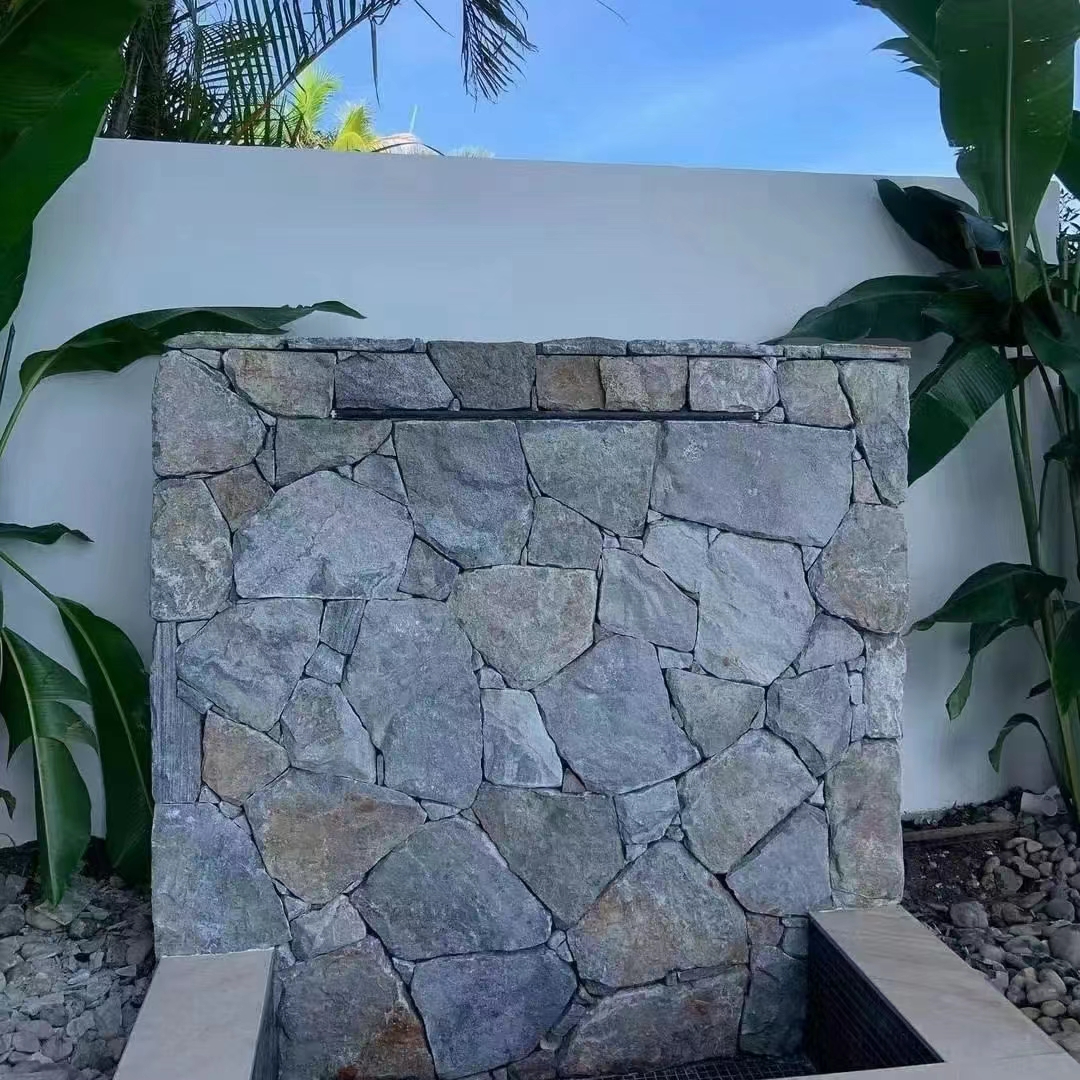
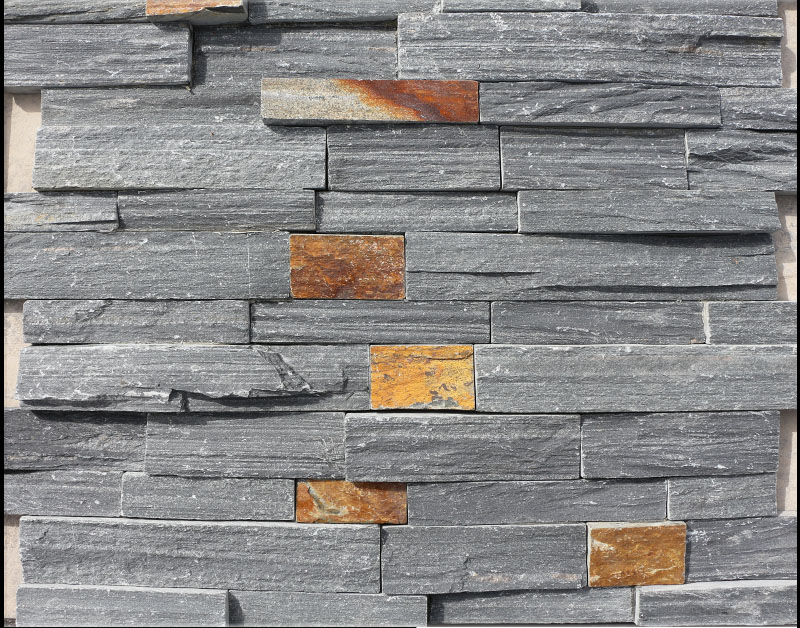
In contemporary China, the fascination with irregular stones continues. The market for these unique geological formations has grown, with collectors seeking out rare specimens. The aesthetic appeal of irregular stones has influenced modern decor, where they are used as statement pieces in both residential and commercial spaces. From garden landscapes to interior designs, these stones add a touch of natural elegance and serve as conversation starters.
Moreover, the practice of Feng Shui, which incorporates the arrangement of natural elements to promote balance and harmony, also utilizes irregular stones. Practitioners believe that the energy emitted by these stones can enhance the flow of chi (or energy) within a space, promoting a positive atmosphere and well-being.
Conclusion
The appreciation of irregular stones in Chinese culture encompasses a blend of history, philosophy, and artistry. These natural formations symbolize resilience, beauty, and the profound connection between humanity and nature. As contemporary society continues to embrace these stones, their allure remains undiminished. Whether as elements of a traditional garden, inspirations for artists, or stylish additions to modern decor, irregular stones will undoubtedly continue to capture hearts and minds, serving as enduring reminders of nature’s artistry and the cultural heritage of China.
Through the lens of an irregular stone, we see not just a piece of earth, but a canvas chronicling nature’s journey, embodying the spirit of a culture that respects and cherishes the beauty of the natural world in all its wondrous forms.