

The Beauty and Versatility of Stacked Slate Cladding
Stacked slate cladding is rapidly gaining popularity in both residential and commercial construction, providing a unique aesthetic that combines natural beauty with modern design. This architectural element captures the essence of nature while offering a range of practical benefits. In this article, we will explore the characteristics, advantages, applications, and maintenance of stacked slate cladding, demonstrating why it is an excellent choice for enhancing the appearance and functionality of buildings.
Characteristics of Stacked Slate Cladding
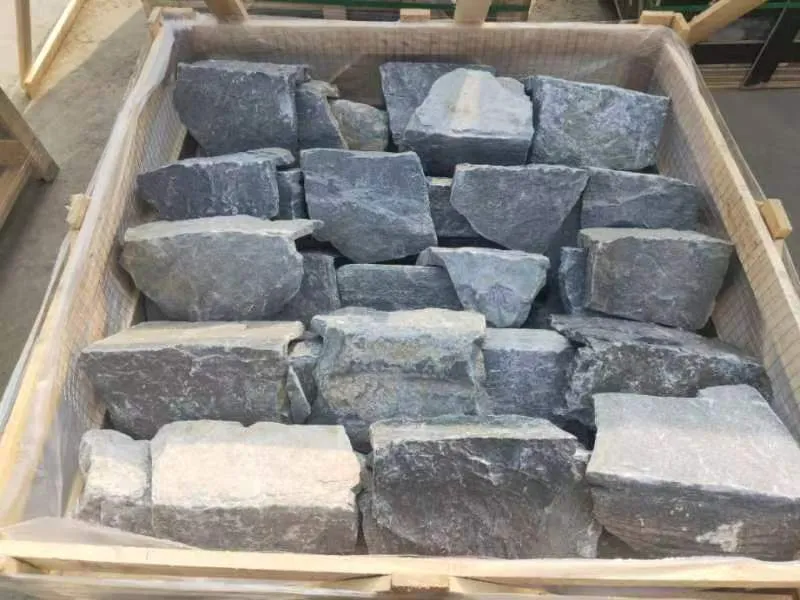
Stacked slate cladding is made from natural stone, specifically slate, which is known for its rich colors and textures. This material is sliced into thin pieces, allowing for a lightweight yet durable option for cladding surfaces. The unique layering of the slate gives it a multidimensional appearance, creating shadows and adding depth to any wall it adorns. The color range of slate can vary from dark grays and blacks to warm earth tones, such as ochre and rust, making it a versatile choice that complements different architectural styles.
One of the defining features of stacked slate cladding is its installation method. Unlike traditional flat cladding, stacked slate is installed with a dry-stacked technique, where pieces are arranged in a way that mimics natural stone formations. This method not only highlights the craftsmanship involved but also creates a more organic look on the exterior of a building.
Advantages of Stacked Slate Cladding
1. Durability Slate is a highly durable material that can withstand extreme weather conditions, making it an ideal choice for regions prone to heavy rain, snow, or intense sunlight. Its natural resistance to moisture reduces the risk of mold and mildew, ensuring that the cladding remains intact and attractive over time.
2. Low Maintenance Unlike other materials that may require regular repainting or sealing, stacked slate cladding is relatively low-maintenance. A simple wash with water and mild detergent is usually sufficient to keep it looking fresh and vibrant.
3. Energy Efficiency Stacked slate cladding provides added insulation to buildings, helping to regulate indoor temperatures. This can lead to reduced energy costs, as homes and buildings require less heating or cooling.
4. Eco-Friendly Since slate is a natural stone, its use in cladding minimizes the environmental impact associated with manufactured materials. Additionally, its longevity contributes to sustainability, as it does not need to be replaced frequently.
5. Aesthetic Appeal The natural beauty of slate adds elegance and sophistication to any structure. Whether applied to a modern home or a rustic cabin, stacked slate cladding instantly elevates the overall design. Its versatility allows it to complement various exterior materials, such as wood, glass, or metal.
Applications of Stacked Slate Cladding
The applications of stacked slate cladding are extensive. It can be used on exterior walls to make a striking first impression, acting as a captivating focal point. In addition to exteriors, designers are increasingly using stacked slate as an interior design feature. It can enhance living spaces such as fireplaces, accent walls, and kitchens, creating a seamless transition between indoor and outdoor environments.
Commercial buildings also benefit from the use of stacked slate cladding. Restaurants, hotels, and office buildings have adopted this material to convey sophistication and a connection to nature. As businesses increasingly emphasize aesthetics and sustainability, stacked slate stands out as a prime option for creating inviting spaces.
Maintenance and Care
While stacked slate cladding is low-maintenance, some considerations should be noted to ensure its longevity. Regular cleaning to remove dirt and debris is advisable, especially in high-traffic areas. In cases where mildew occurs, it can be treated with appropriate cleaning solutions. Ensuring proper drainage and sealing joints during installation can also help prevent moisture buildup and damage.
In conclusion, stacked slate cladding is an exceptional choice that combines beauty, durability, and practicality. Its unique characteristics and multiple applications make it suitable for various architectural styles, enhancing the appeal of any structure while providing functional benefits. Whether used in residential or commercial projects, stacked slate cladding continues to make a lasting impression, embodying the harmony of nature and modern design. As more architects and designers turn to sustainable materials, the popularity of stacked slate is likely to grow, solidifying its place in contemporary construction.





