The Rise of China’s Cement and Backside Stone Industry A Comprehensive Overview
In the modern construction landscape, materials play a crucial role in determining the durability, aesthetics, and sustainability of buildings and infrastructure. Among these materials, cement stands out as one of the most essential components, serving as the backbone of concrete structures worldwide. In China, the cement industry is colossal, dominating global production and influencing worldwide cement prices. But beyond cement, the backside stone—an element often used alongside or within cement structures—has also emerged prominently in recent years. This article explores the interrelationship between the cement and backside stone industries in China, examining their evolution, challenges, and future prospects.
Growing Demand for Cement in China
China's rapid urbanization and expansion over the past few decades have fueled an insatiable demand for cement. As urban areas burgeon, the need for infrastructure such as bridges, roads, and residential buildings grows exponentially. The Chinese government has made significant investments in construction projects, driving the cement industry to produce staggering amounts—over 2.4 billion tons in 2020 alone. This immense output has positioned China as the world's largest cement producer, accounting for more than half of global production.
The cement industry in China has employed advanced technology and innovative practices to improve efficiency and reduce environmental impacts. With the introduction of more environmentally friendly production methods and a focus on sustainability, the sector is undergoing a transformative phase aimed at reducing carbon emissions—an aspect that has become increasingly critical in the face of global climate change.
The Role of Backside Stone
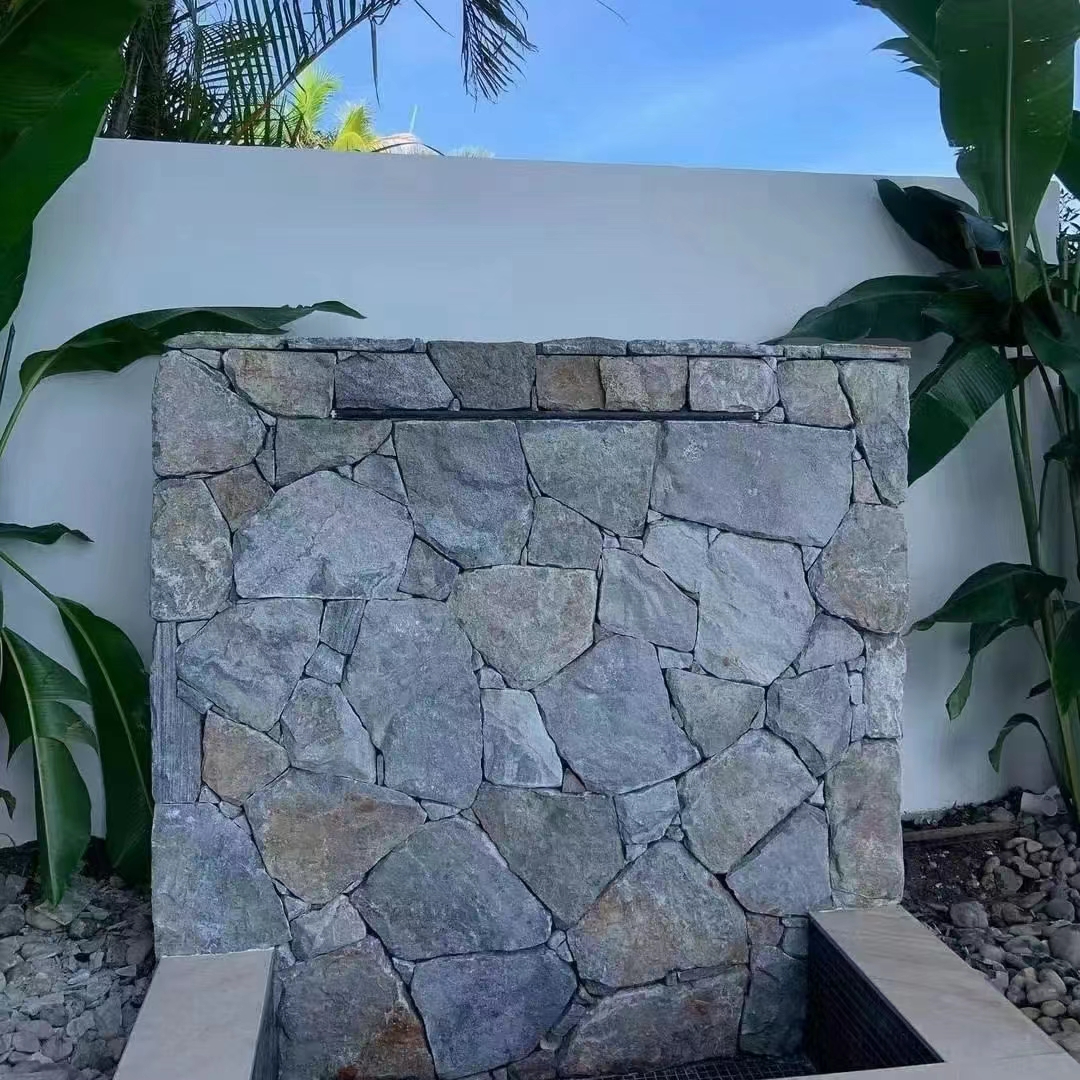
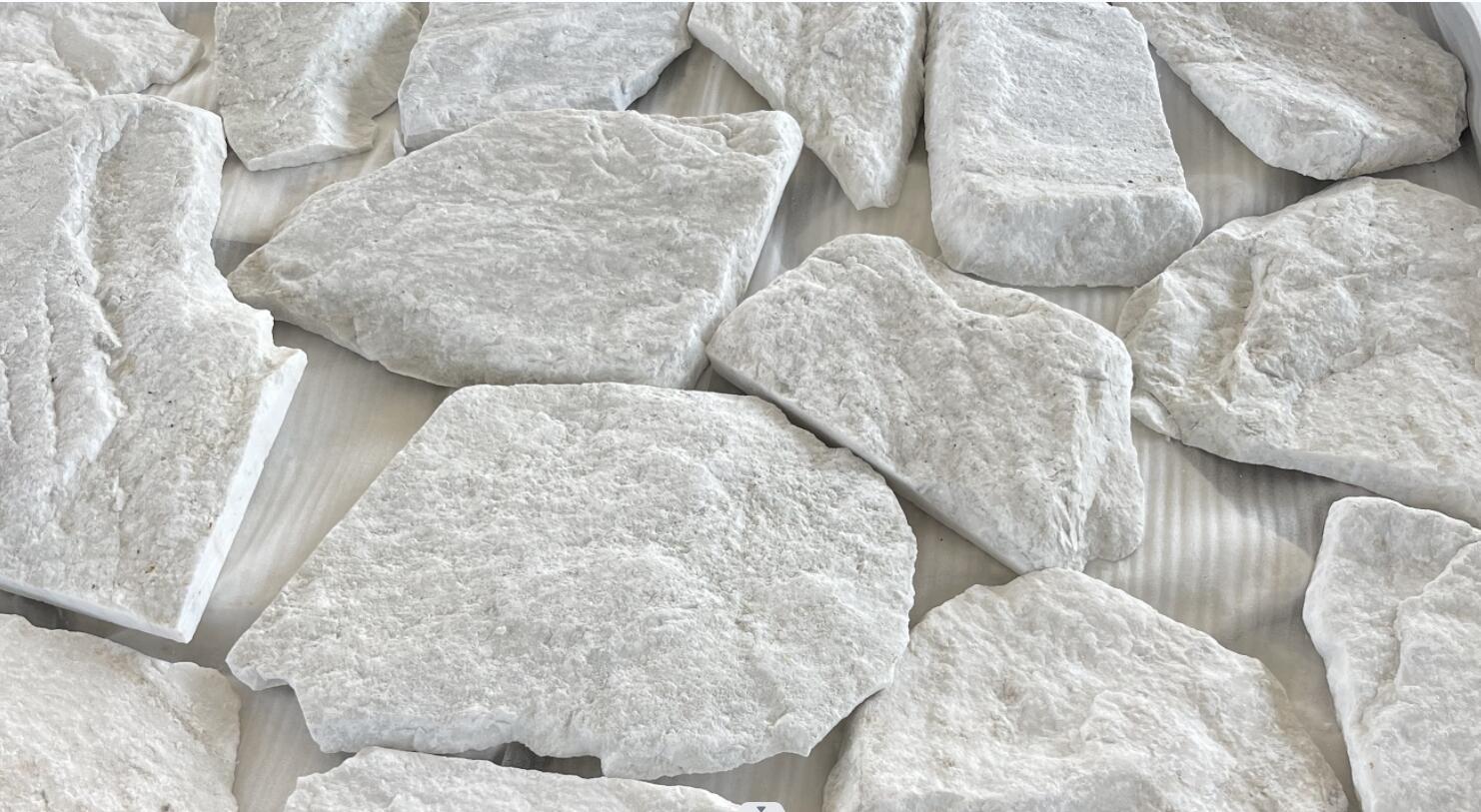
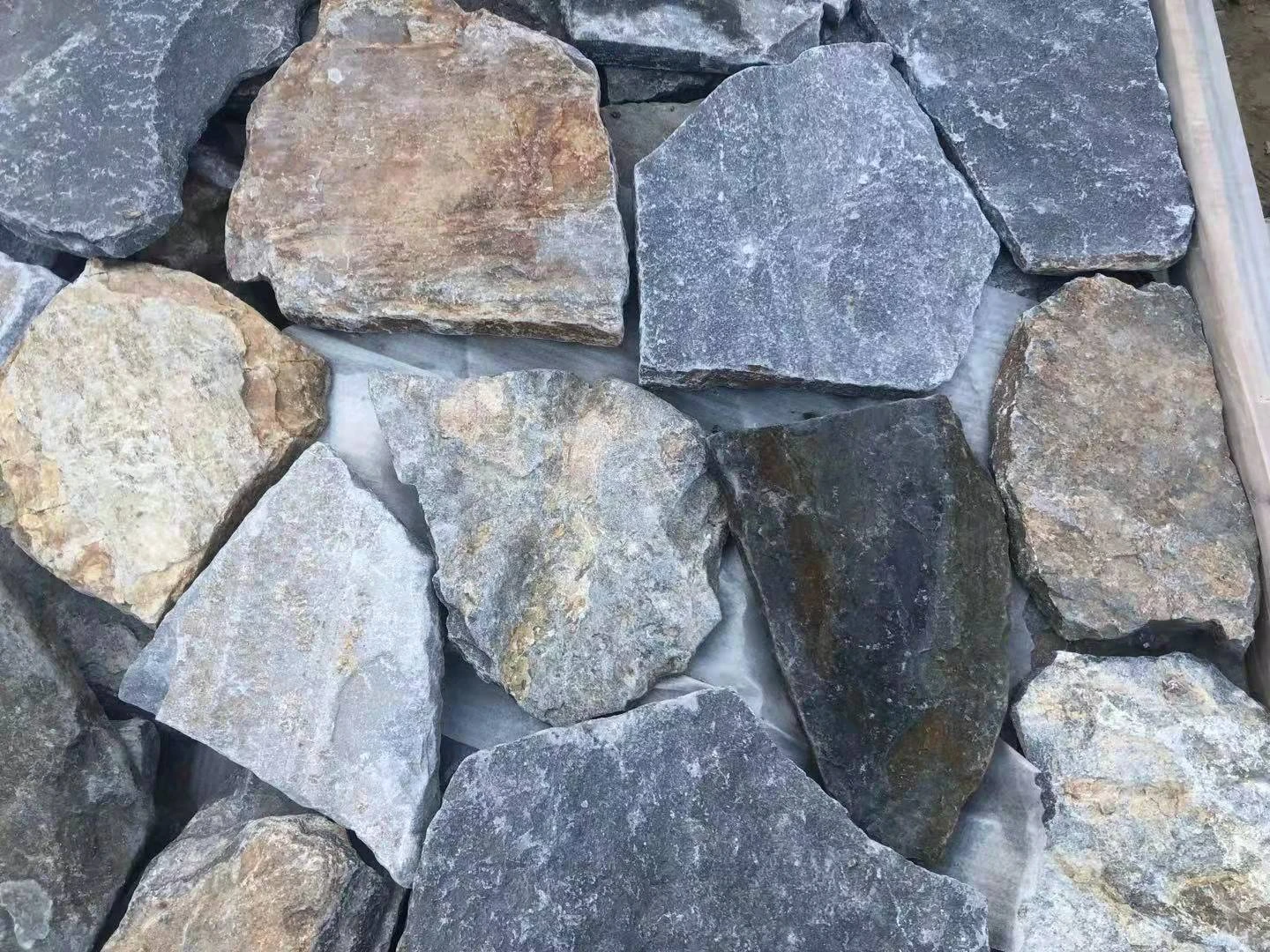
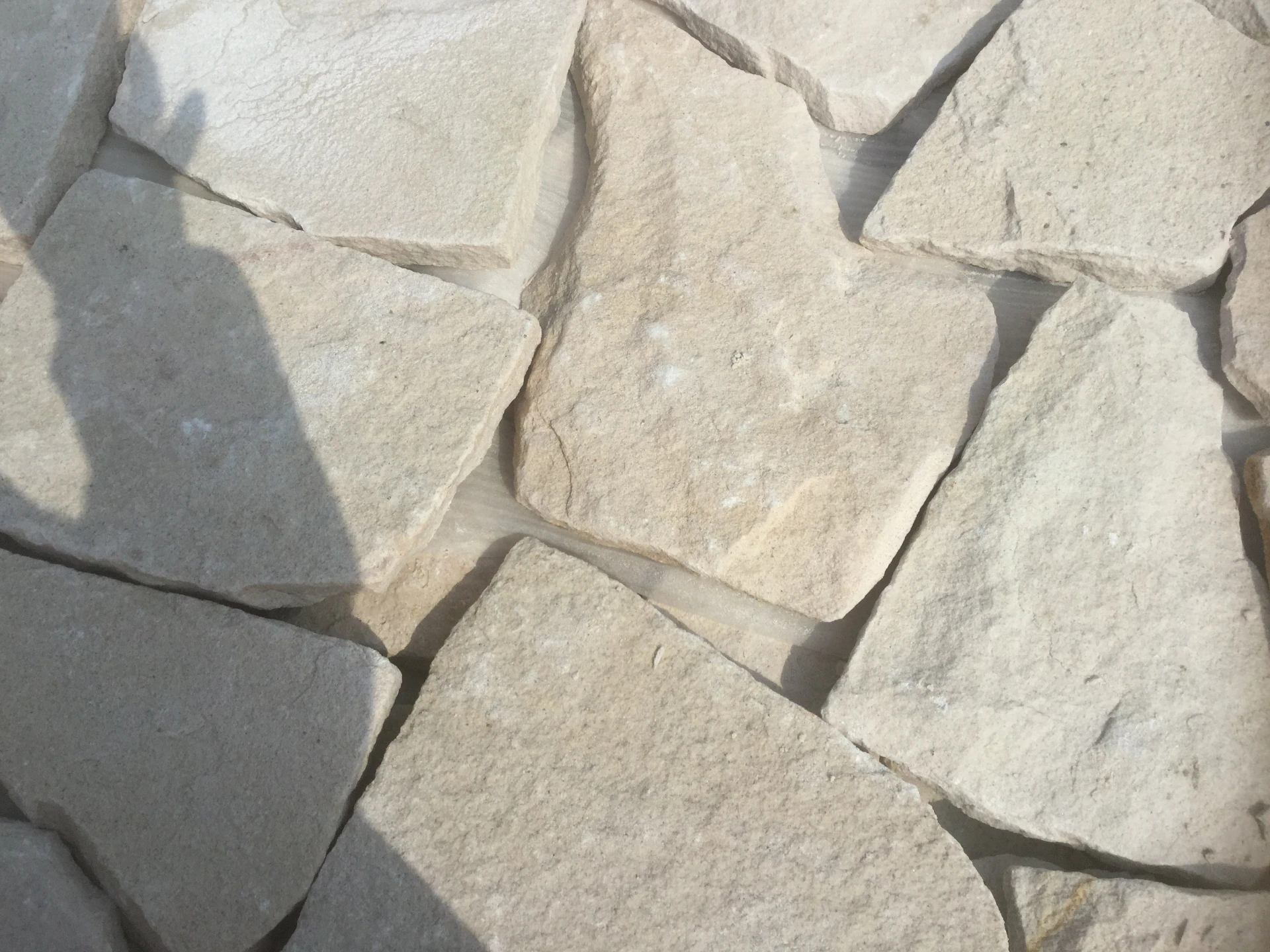
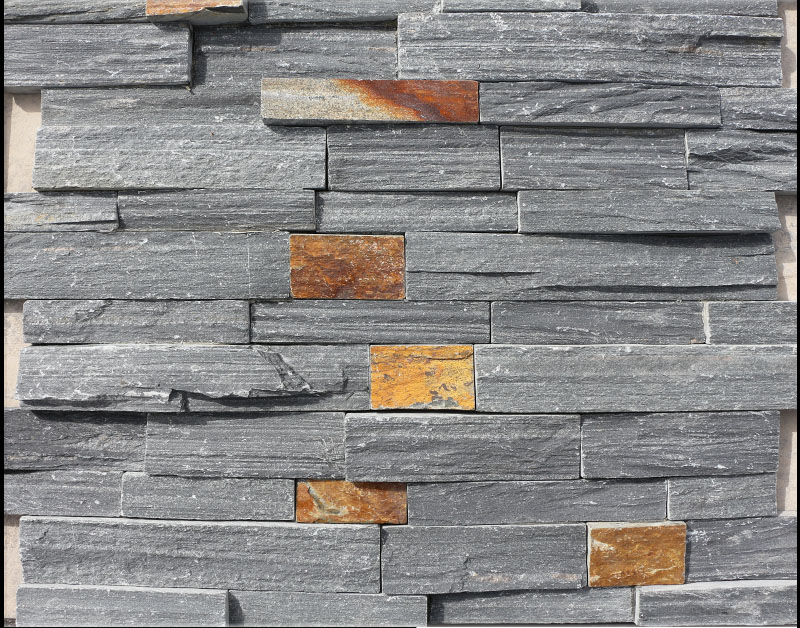
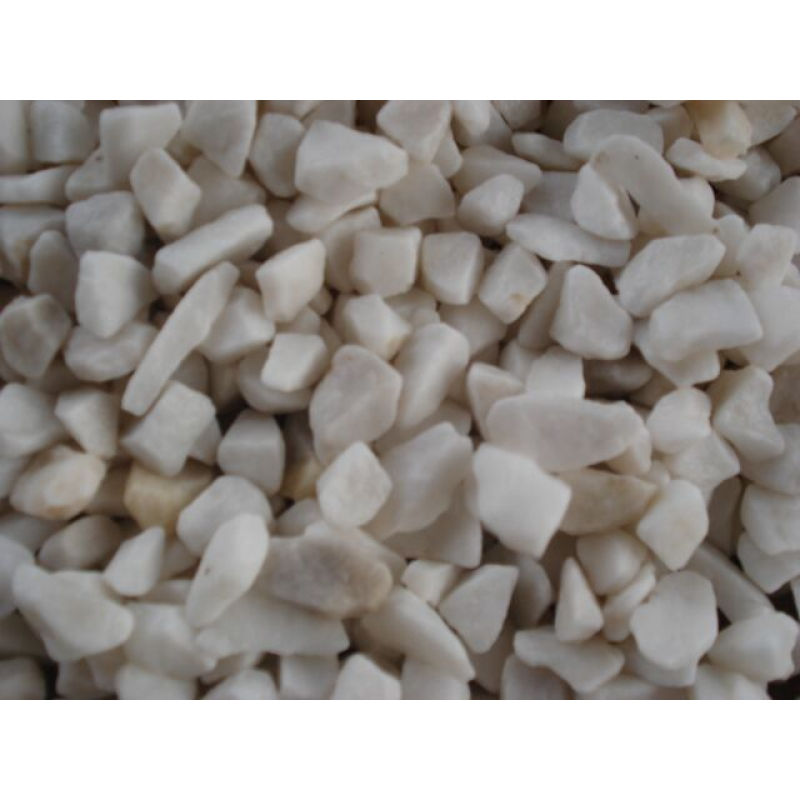
While cement often takes center stage, backside stone is a noteworthy player in construction, complementing and enhancing the use of cement in various applications. Backside stone, typically comprised of durable rocks such as granite, marble, or limestone, is utilized for both structural and aesthetic purposes, including wall cladding, flooring, and decorative features.
China is blessed with an abundance of natural stone resources, making the country a leading supplier of backside stone globally. The diverse range of colors and textures available allows architects and builders to select materials that align with their design visions. The combination of cement and backside stone offers enhanced durability and visual appeal, contributing to the longevity and marketability of properties. In urban developments, where competition for aesthetic superiority is fierce, incorporating backside stone has become a popular trend.

Environmental Concerns
Despite the growth of the cement and backside stone industries, concerns over their environmental impact are becoming more pressing. The production of cement is energy-intensive, leading to significant CO2 emissions. Moreover, quarrying for backside stone can result in landscape disruption, loss of biodiversity, and other ecological challenges. In response, the Chinese government and industry players are increasingly prioritizing sustainable practices.
Many cement manufacturers are exploring alternative materials for cement production, such as fly ash and slag, which can reduce the carbon footprint associated with traditional methods. Furthermore, environmentally conscious stone extraction techniques are being adopted to minimize the environmental impact of backside stone quarrying. By implementing responsible sourcing and production strategies, the industry can address the dual challenge of maintaining economic growth while safeguarding environmental integrity.
Future Prospects
Looking ahead, the future of China's cement and backside stone industries presents both opportunities and challenges. The ongoing urbanization efforts, coupled with the emphasis on green construction, will likely sustain demand for these materials. Moreover, as construction practices evolve, innovative applications of cement and backside stone are anticipated to emerge, offering new possibilities for architects and builders.
Digital technologies, such as 3D printing and automation, are also set to revolutionize material usage in construction. Integrating these technological advancements with traditional materials could lead to more efficient use of resources, thereby enhancing the overall sustainability of construction projects.
Conclusion
The interlinked evolution of China’s cement and backside stone industries reflects a dynamic response to growing demands in the construction sector. As challenges related to sustainability and environmental impacts continue to be addressed, these industries have the potential to adapt and thrive in a changing world. The focus on innovation and responsible practices will not only enhance the quality and sustainability of construction but also ensure that the legacies built today stand the test of time.