Split Face Stone An Aesthetic Element in Architecture and Design
In the world of architecture and landscaping, the choice of materials plays a pivotal role in shaping the overall aesthetic and functional appeal of a structure or outdoor space. One such material that has gained popularity in recent years is split face stone. This unique stone finish not only enhances the visual appeal of buildings but also offers several practical benefits that make it a preferred choice among architects and designers.
What is Split Face Stone?
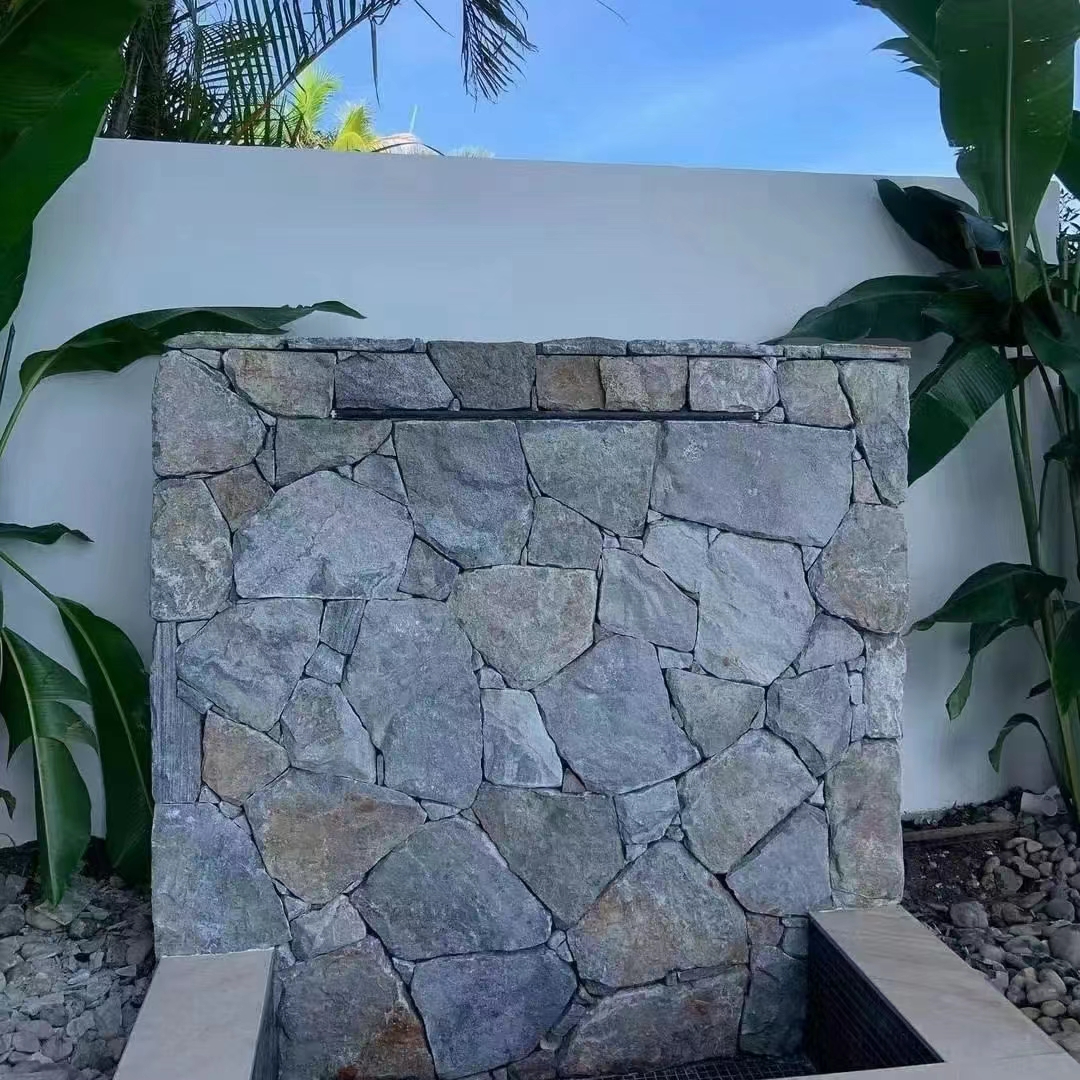
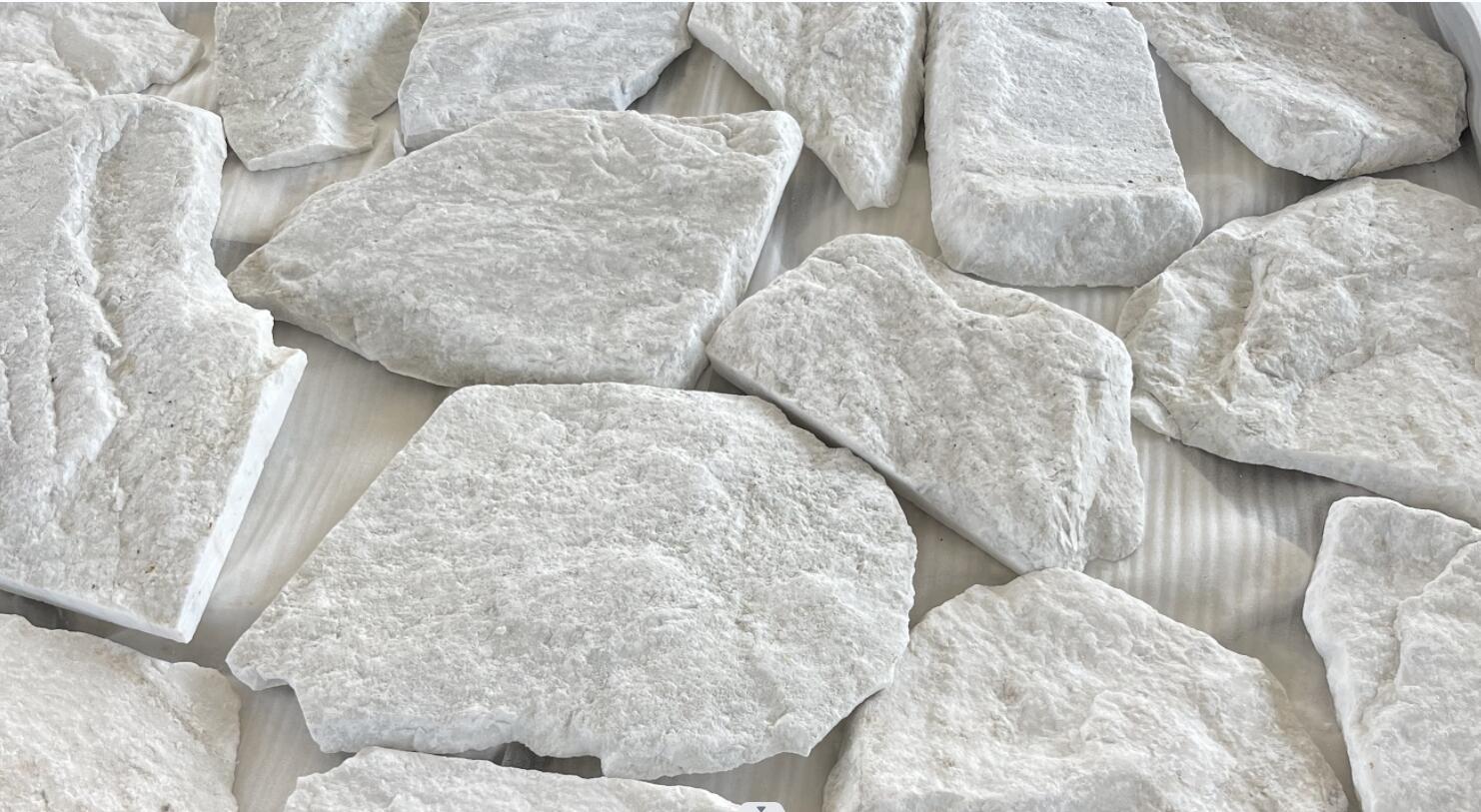
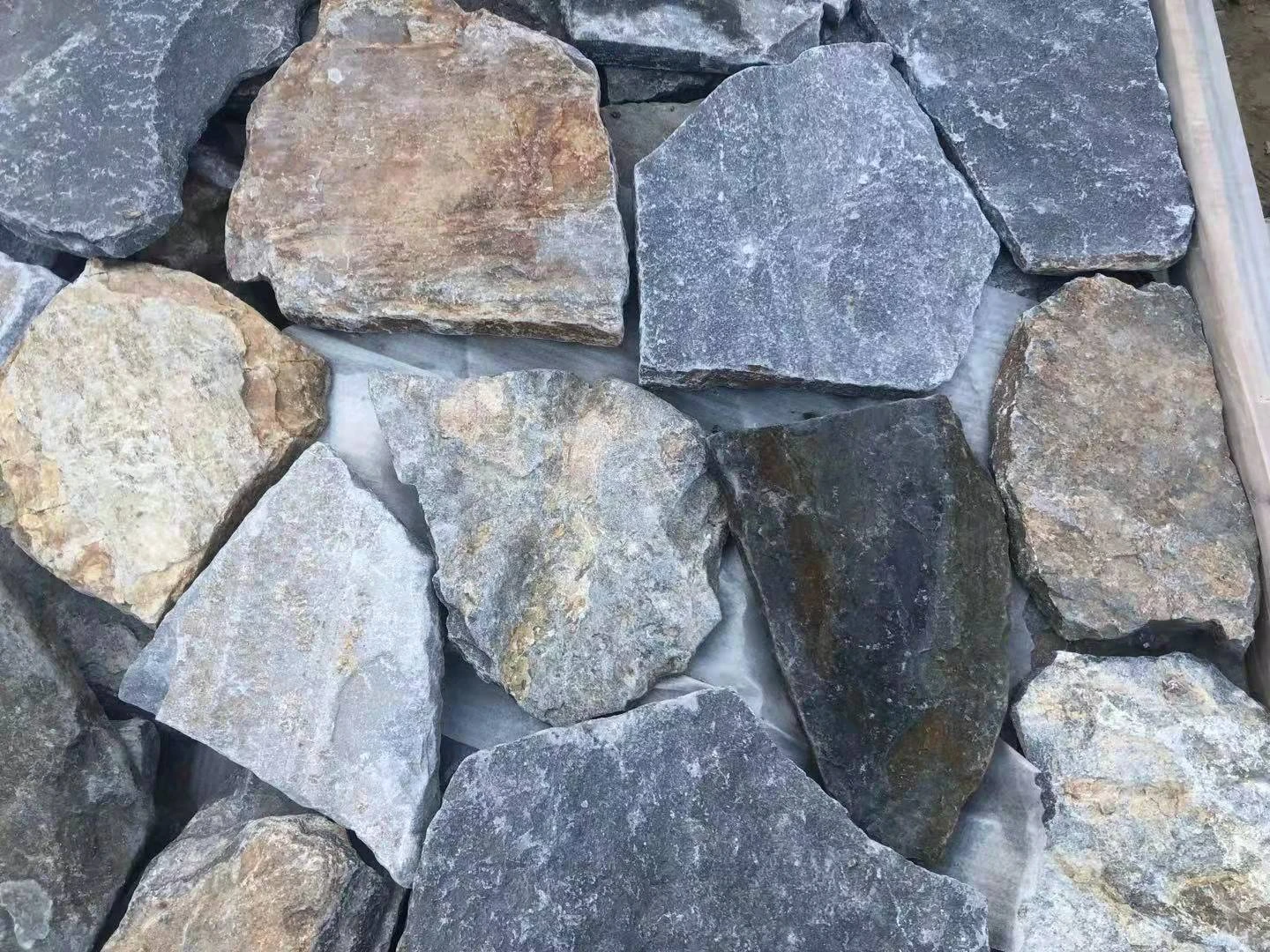
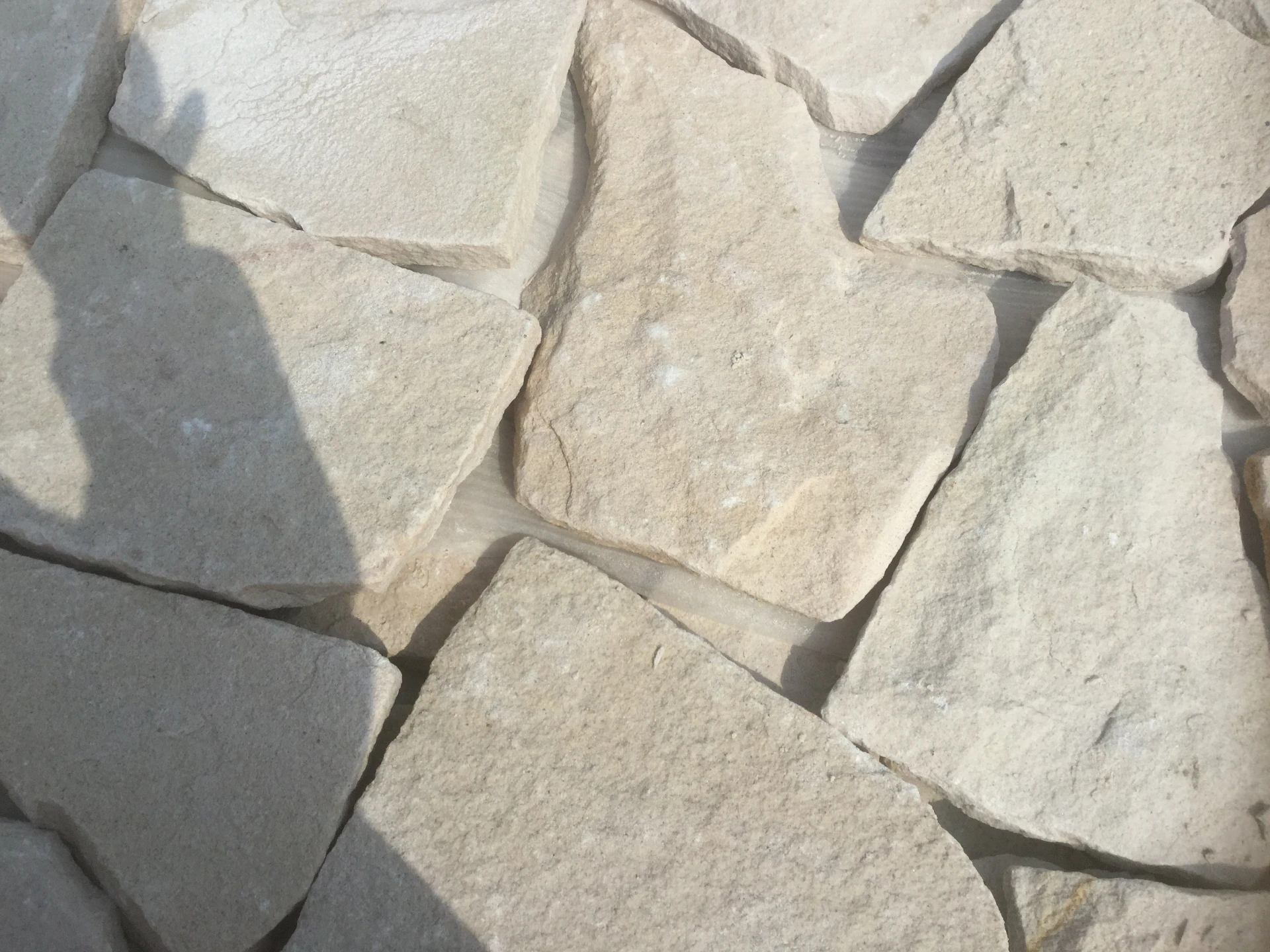
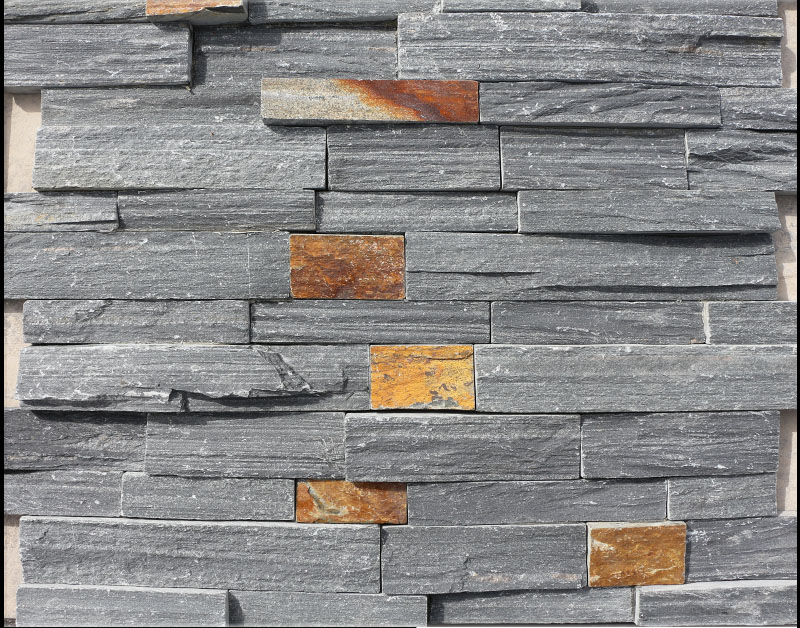
Split face stone is a type of masonry that features a rough, textured surface, achieved by splitting the stone rather than cutting it into smooth, polished pieces. This method of production results in a natural appearance that retains the original character of the stone while creating a distinct and rugged look. Split face stones come in a variety of colors, sizes, and finishes, allowing for versatile applications in both residential and commercial projects.
One of the most appealing aspects of split face stone is its authenticity. The natural layers and imperfections of the stone contribute to its charm, making each piece unique. Whether used for exterior walls, landscaping features, or interior accents, split face stone adds a touch of organic beauty that synthetic materials often struggle to replicate.
Applications in Architecture
In architectural design, split face stone is frequently utilized for cladding exterior walls. Buildings constructed with this material exude strength and permanence, often evoking a sense of stability and timelessness. Its robust appearance can complement various architectural styles, from traditional to contemporary, enhancing the overall design aesthetic. Many architects appreciate the ability of split face stone to harmonize with other materials such as wood, metal, and glass, creating a stunning contrast that captivates the eye.
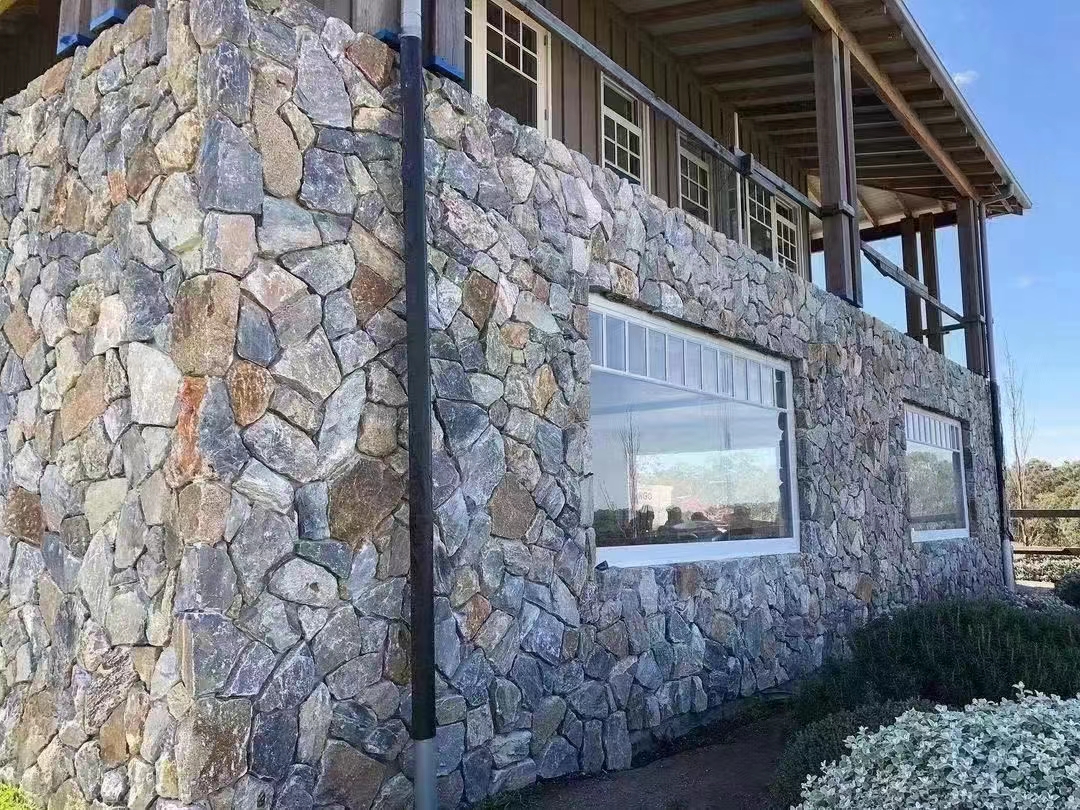
Moreover, split face stone can be used to create striking features such as entryways, columns, and accent walls. These elements, when crafted from split face stone, not only serve functional purposes but also draw attention to key areas of a design. Incorporating split face stone into landscaping elements, such as retaining walls, pathways, and garden beds, can further enhance outdoor spaces, creating visually appealing and structurally sound environments.
Benefits of Split Face Stone
The advantages of using split face stone are manifold. First and foremost, the durability of natural stone makes it an excellent choice for exterior applications. Resistant to weathering, extreme temperatures, and UV radiation, split face stone maintains its beauty over time without significant deterioration. Additionally, its low maintenance requirements make it attractive for builders and homeowners alike.
Another important aspect is the insulation properties offered by split face stone. With its ability to retain heat during colder months and keep interiors cooler during warmer periods, this stone can contribute to improved energy efficiency within buildings. This characteristic not only promotes comfort but can also lead to reduced energy costs over time.
From an environmental perspective, natural stone is a sustainable option. Extracted and processed with minimal environmental impact compared to synthetic alternatives, split face stone often comes from local quarries, reducing transportation-related emissions. By choosing split face stone, builders and designers support sustainable practices while enhancing the aesthetic value of their projects.
Conclusion
Split face stone stands out as a versatile and aesthetically appealing material in the realms of architecture and landscaping. Its unique texture and natural beauty allow for a wide range of creative applications, making it a favored choice among designers looking to create impactful and enduring spaces. Beyond its visual appeal, the durability, insulation properties, and sustainability of split face stone further solidify its status as a premium building material. As the architectural landscape continues to evolve, split face stone will undoubtedly remain a timeless element that bridges the gap between nature and modern design.