

The Benefits of Stone External Cladding in Modern Architecture
In the realm of contemporary architecture, external cladding plays a crucial role in defining the aesthetic and functional qualities of buildings. Among various materials available, stone external cladding has emerged as a timeless choice, offering a multitude of benefits that extend beyond mere appearance. This article explores the advantages of using stone as external cladding, its applications in modern design, and the environmental considerations associated with its use.
Aesthetic Appeal
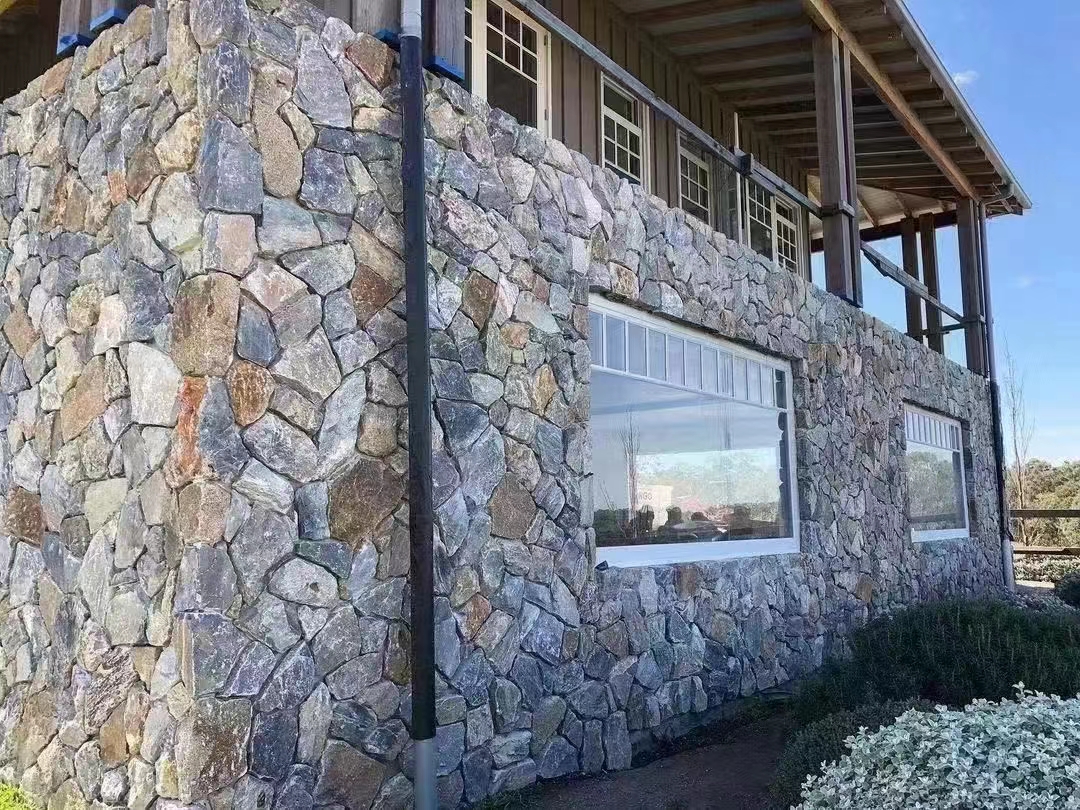
One of the most significant advantages of stone external cladding is its unparalleled aesthetic appeal. Stone exudes a classic elegance that can elevate the appearance of any structure, whether it's a residential home, a commercial building, or a public institution. The natural variations in color, texture, and pattern ensure that each installation is unique, allowing architects and designers to create visually striking facades that reflect the surrounding environment. From rustic finishes to polished surfaces, stone can harmonize with diverse architectural styles, enhancing the overall character of the building.
Durability and Longevity
Stone cladding is renowned for its durability. Unlike other cladding materials that may fade, warp, or deteriorate over time, stone is resilient to harsh weather conditions, including rain, snow, and UV radiation. This intrinsic strength makes stone an excellent investment for building exteriors, as it requires minimal maintenance and replacement over its lifespan. With proper installation, stone cladding can last for decades, saving property owners both time and money on repairs and renovations.
Thermal and Acoustic Insulation
In addition to its aesthetic and durability benefits, stone external cladding provides effective thermal and acoustic insulation. The dense nature of stone helps regulate indoor temperatures by minimizing heat loss during winter and reducing heat penetration during summer months. This not only enhances the comfort of occupants but also contributes to energy efficiency, leading to lower heating and cooling costs. Moreover, stone’s mass and density can significantly reduce noise pollution, providing a peaceful indoor environment in urban settings where external noises can be a concern.
Eco-Friendly Choice
As sustainability becomes increasingly important in construction, stone external cladding stands out as an eco-friendly choice. Stone is a natural material that can be sourced responsibly, and its production process generally has a lower carbon footprint compared to synthetic cladding options. Additionally, stone's durability means that it doesn't require frequent replacements, resulting in less waste over time. Many architects and builders are now prioritizing sustainably sourced stone, further enhancing its appeal for environmentally conscious projects.
Versatility in Design
The versatility of stone as a cladding material cannot be overstated. It can be cut and shaped to fit various architectural requirements, whether for modern designs featuring sleek lines or traditional styles requiring intricate detailing. Stone can be used in various forms, including slabs, panels, and tiles, and can even be combined with other materials such as wood or metal for a more eclectic look. This adaptability allows designers to experiment and innovate, pushing the boundaries of creativity in architectural design.
Installation Considerations
While the benefits of stone external cladding are substantial, proper installation is crucial to maximizing its advantages. This typically requires skilled labor and expertise to ensure that the cladding is applied correctly, allowing for adequate drainage and ventilation behind the stone. Selecting the right type of stone for specific climatic conditions and ensuring that it complies with local building codes are also vital steps in the process. Collaborating with experienced professionals can ensure the longevity and performance of the cladding.
Conclusion
In conclusion, stone external cladding presents a host of benefits that make it an attractive choice for modern architecture. Its aesthetic appeal, durability, thermal and acoustic insulation properties, eco-friendliness, and versatility in design all contribute to its growing popularity in both residential and commercial projects. As architects and builders continue to prioritize sustainability and endurance in their designs, stone external cladding is poised to remain a favored option in the construction industry for years to come. By choosing stone, stakeholders not only enhance the beauty of structures but also invest in a sustainable future.





