The Elegance and Durability of High-Quality Stone Facades
The facade of a building is often considered its most defining feature. A well-designed facade not only enhances the aesthetic appeal of a structure but also plays a crucial role in its overall functionality. Among the various materials available for facades, high-quality stone stands out for its timeless elegance, durability, and sustainability. This article explores the benefits of using high-quality stone facades, emphasizing their role in enhancing architectural beauty and ensuring long-lasting performance.
Timeless Aesthetic Appeal
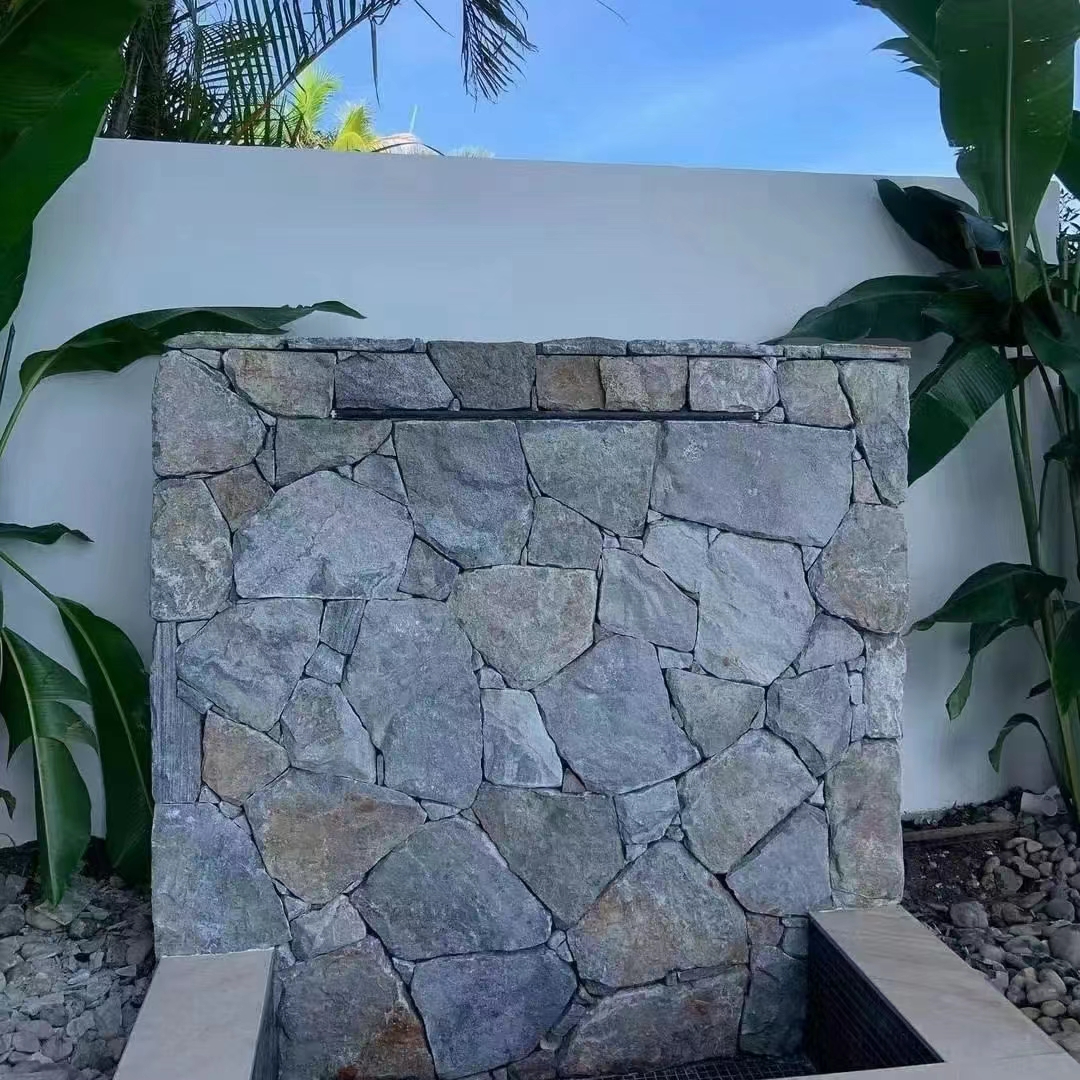
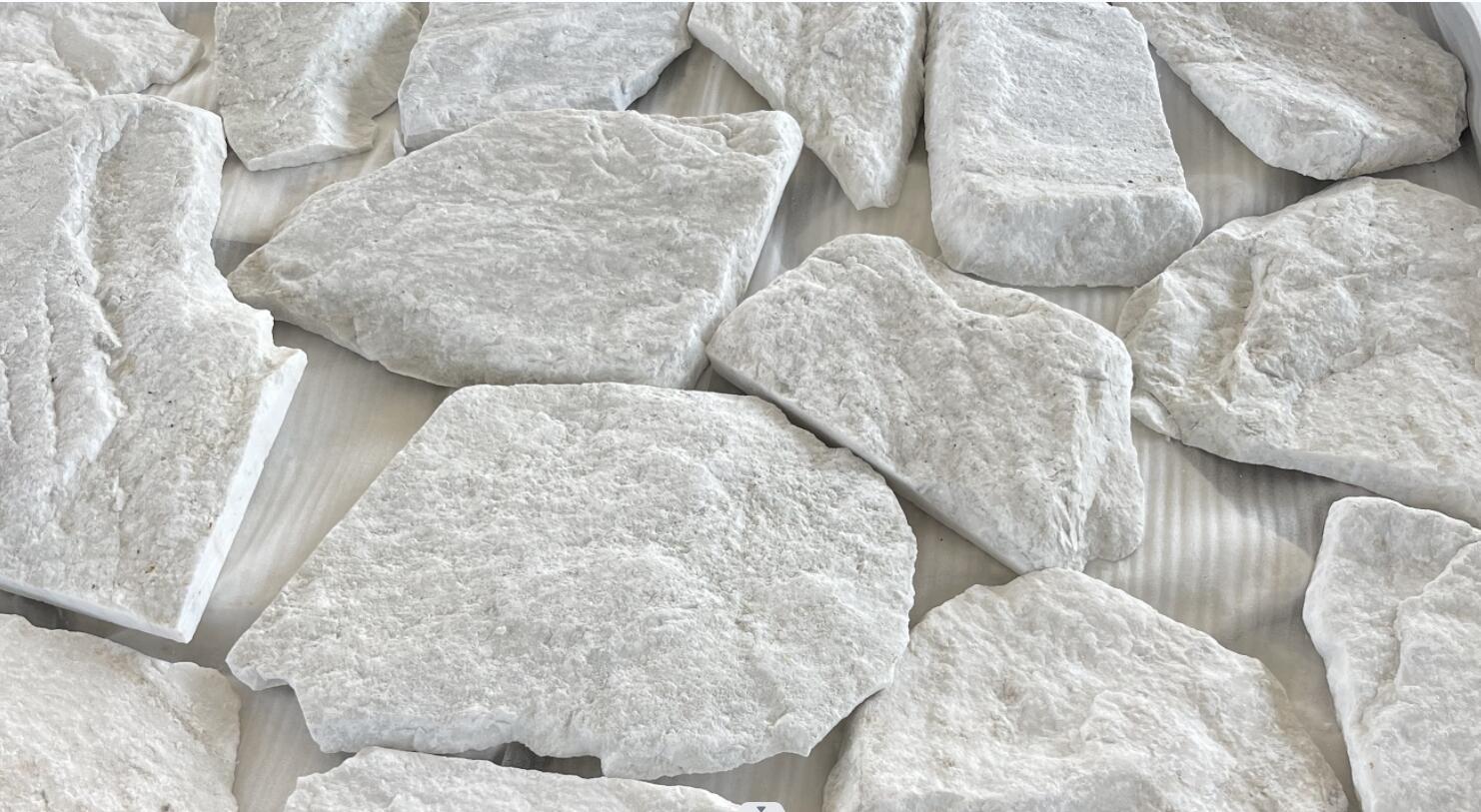
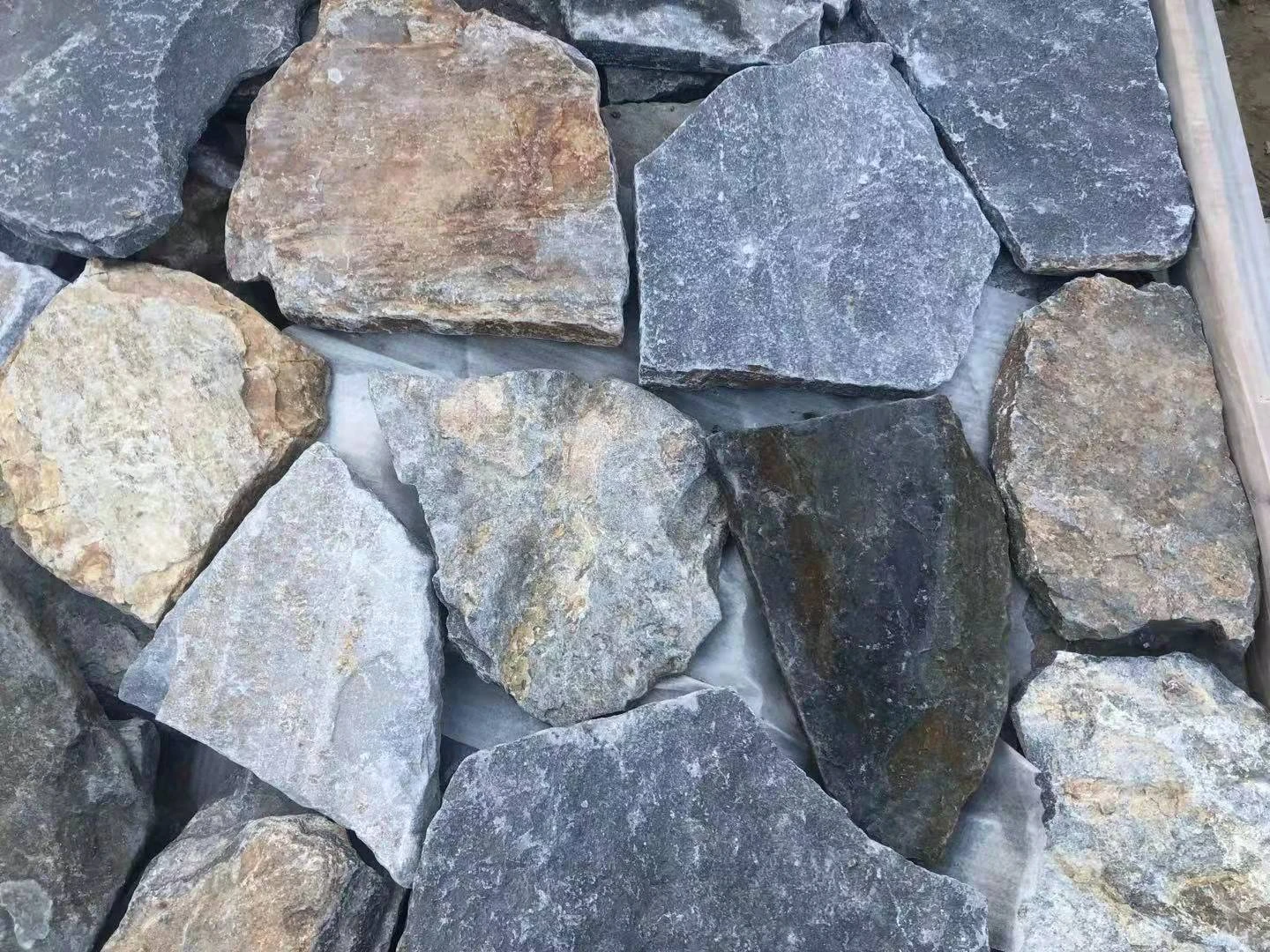
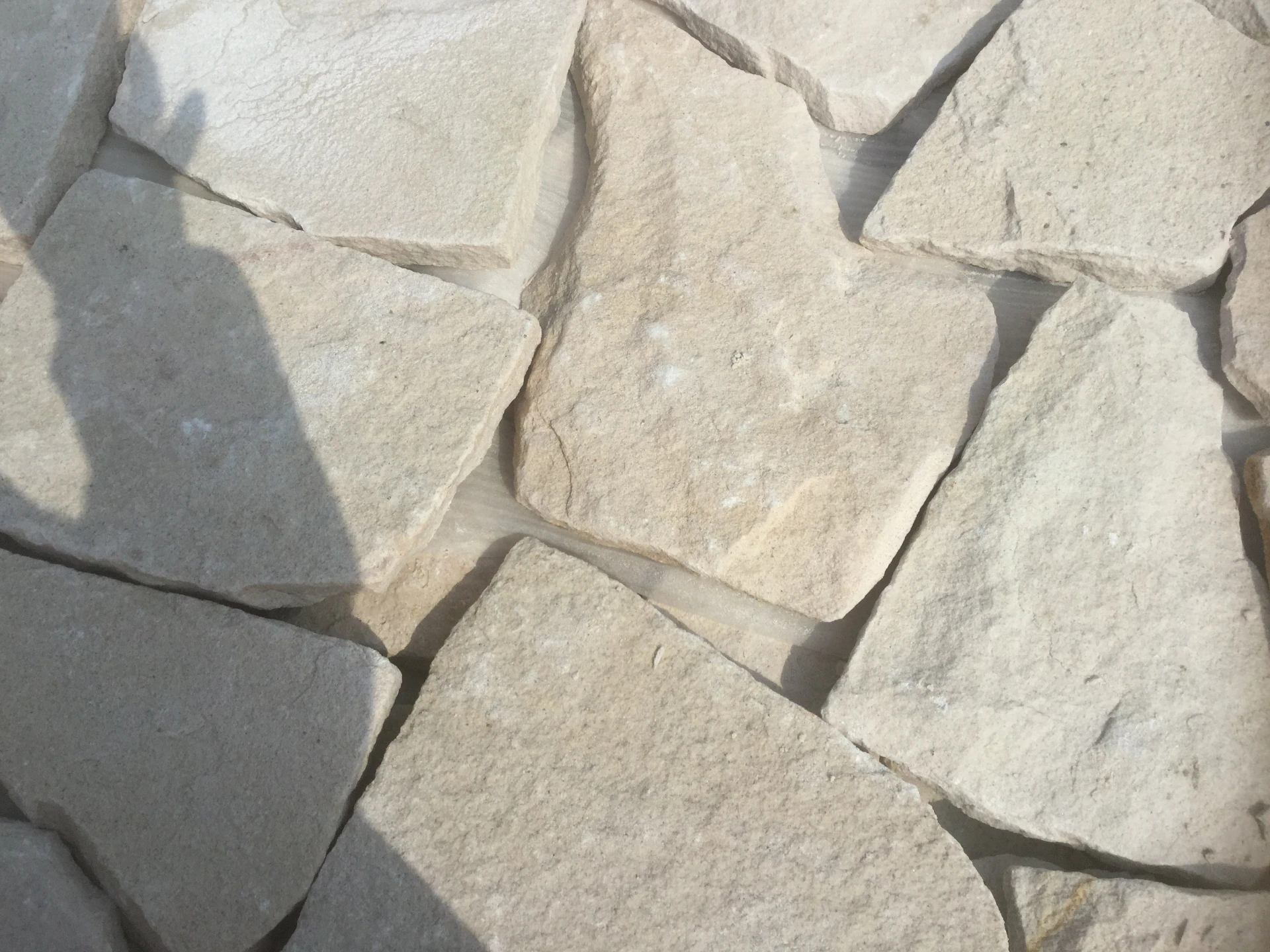
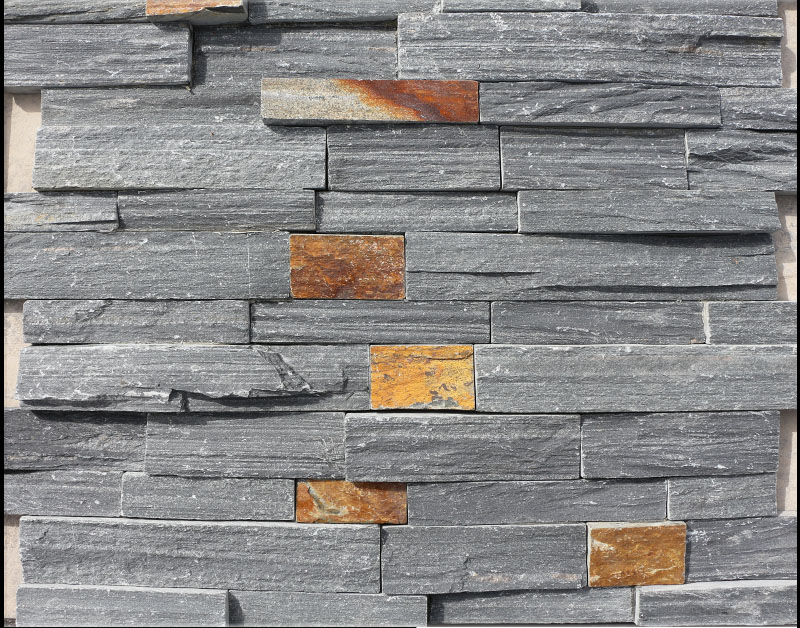
High-quality stone facades are synonymous with luxury and sophistication. Natural stones such as granite, marble, limestone, and slate have been used in architecture for centuries, imparting a sense of grandeur and permanence. The unique textures, colors, and patterns found in stone create a visually captivating appearance that can elevate any structure. Whether employed in contemporary designs or traditional architecture, stone facades provide a versatile canvas for creativity, allowing architects and designers to express their vision while maintaining a connection to the natural world.
The aesthetic appeal of stone facades is further enhanced by their ability to age gracefully. Unlike other materials that may fade or deteriorate over time, high-quality stone develops a patina, adding character and depth to the building. This enduring beauty ensures that stone-clad structures remain visually stunning for generations, making them a valuable investment for property owners.
Exceptional Durability and Low Maintenance
One of the most significant advantages of high-quality stone facades is their exceptional durability. Stone is inherently resistant to the elements, including moisture, heat, and UV radiation. This resilience means that buildings with stone facades are less likely to suffer from issues such as cracking, peeling, or fading, which can plague structures made from less durable materials.
Moreover, stone facades require minimal maintenance compared to other cladding options. While wood and synthetic materials may need regular painting, sealing, or replacement, stone typically only requires occasional cleaning to remove dirt or stains. This low-maintenance characteristic is especially appealing to property owners and managers, as it translates into significant long-term savings in both time and costs.
Sustainability and Environmental Benefits
In an era where sustainability is paramount, high-quality stone facades offer a compelling eco-friendly option. Natural stone is a recyclable and abundant material that can be sourced locally in many regions, thereby reducing the environmental impact associated with transportation. Additionally, stone facades contribute to energy efficiency in buildings. The thermal mass of stone helps regulate indoor temperatures, reducing the need for heating and cooling systems. This not only lowers energy costs but also minimizes the carbon footprint of the building.
Embracing high-quality stone as a facade material also supports the principles of sustainable architecture. Buildings constructed using natural materials demonstrate a commitment to environmental responsibility and can enhance the overall aesthetic of the surrounding landscape, promoting harmony between human-made structures and nature.
Conclusion
In summary, high-quality stone facades represent a perfect blend of beauty, durability, and sustainability. Their timeless aesthetic appeal enhances architectural designs, while their exceptional durability and low maintenance requirements ensure long-lasting performance. As the world increasingly shifts towards sustainable building practices, high-quality stone facades emerge not only as a practical choice but also as a statement of elegance and environmental consciousness.
Investing in stone facades is an investment in the future—one that preserves the rich legacy of our architectural heritage while embracing modern standards of beauty and sustainability. Whether for residential homes, commercial buildings, or cultural landmarks, high-quality stone facades will continue to captivate and inspire for generations to come.