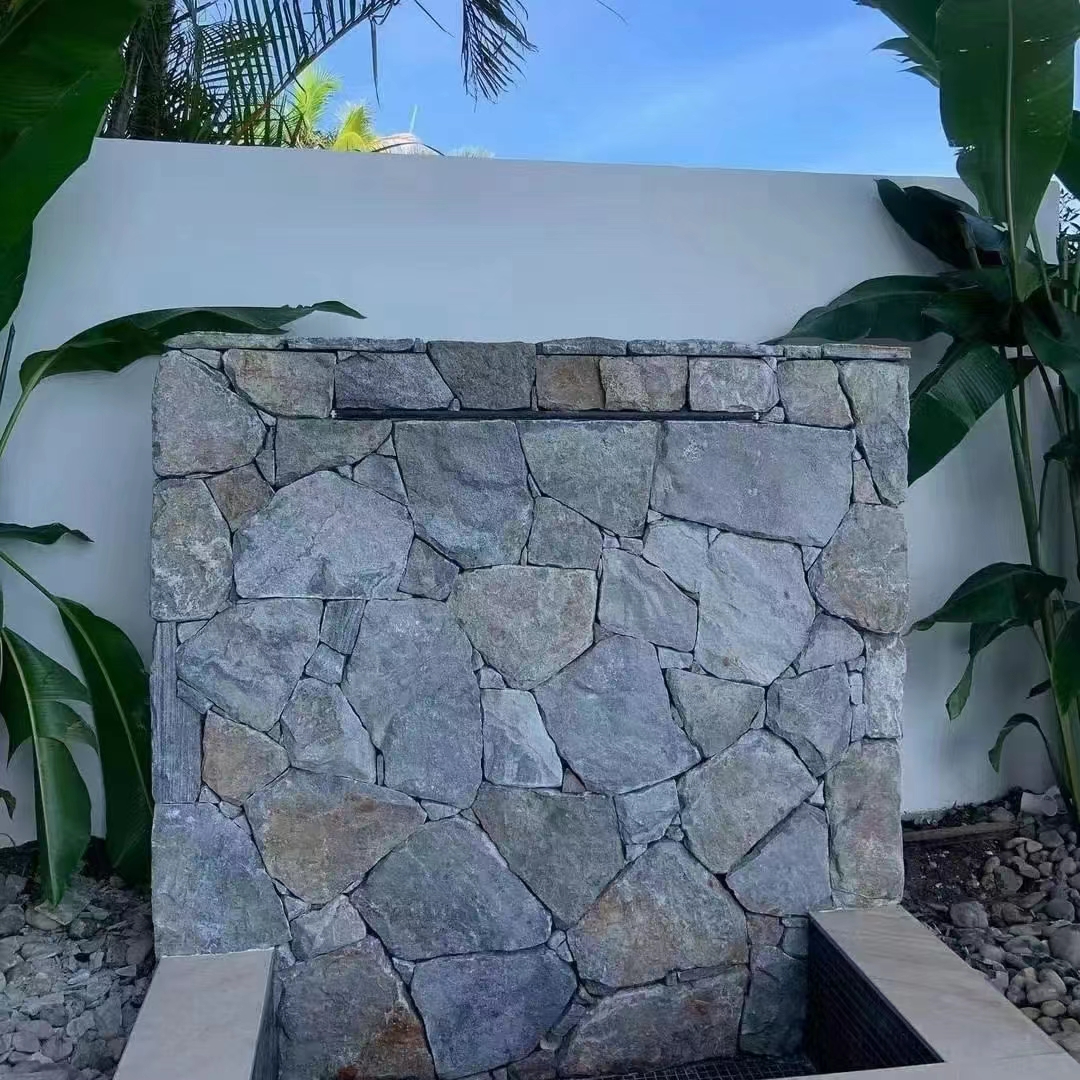
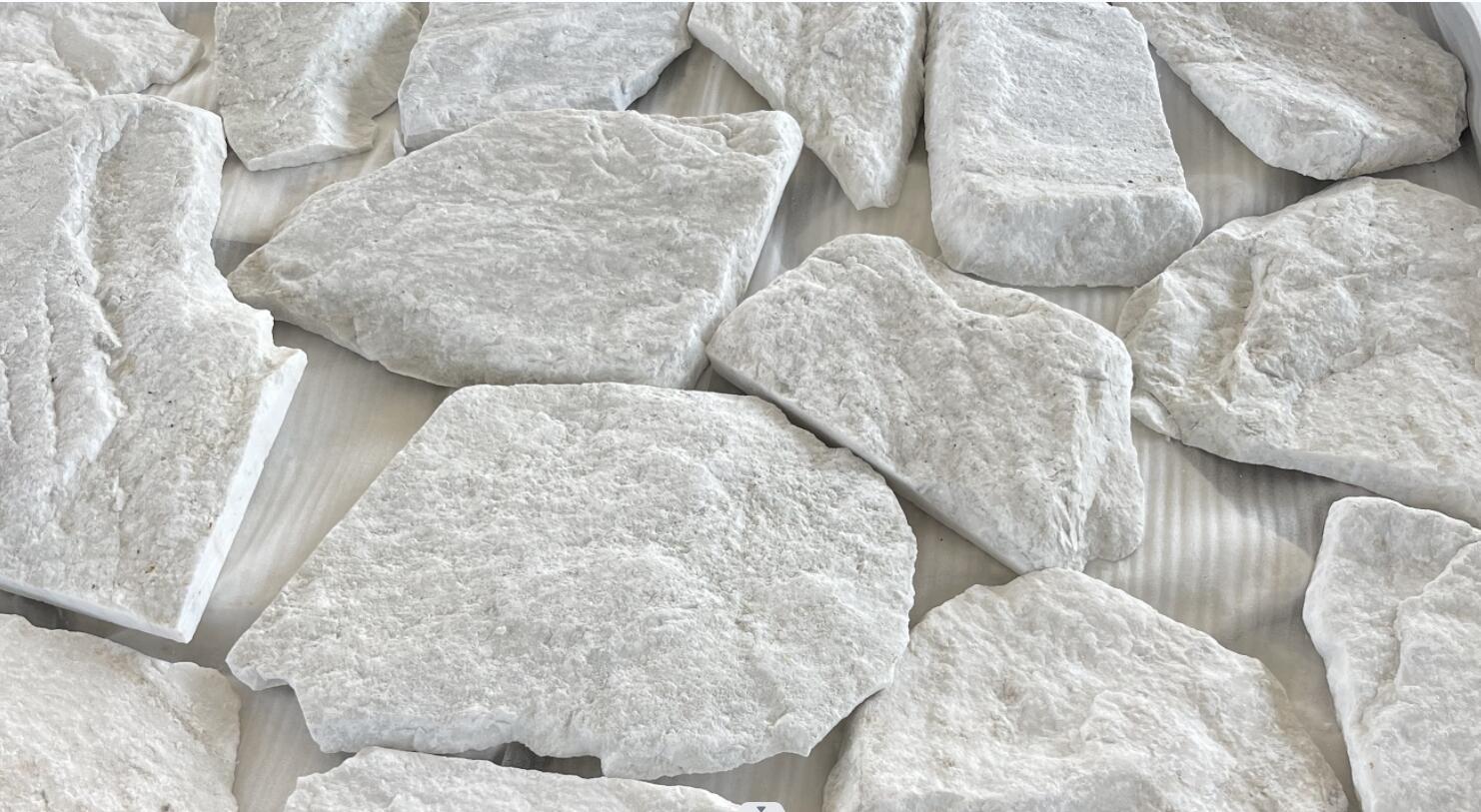
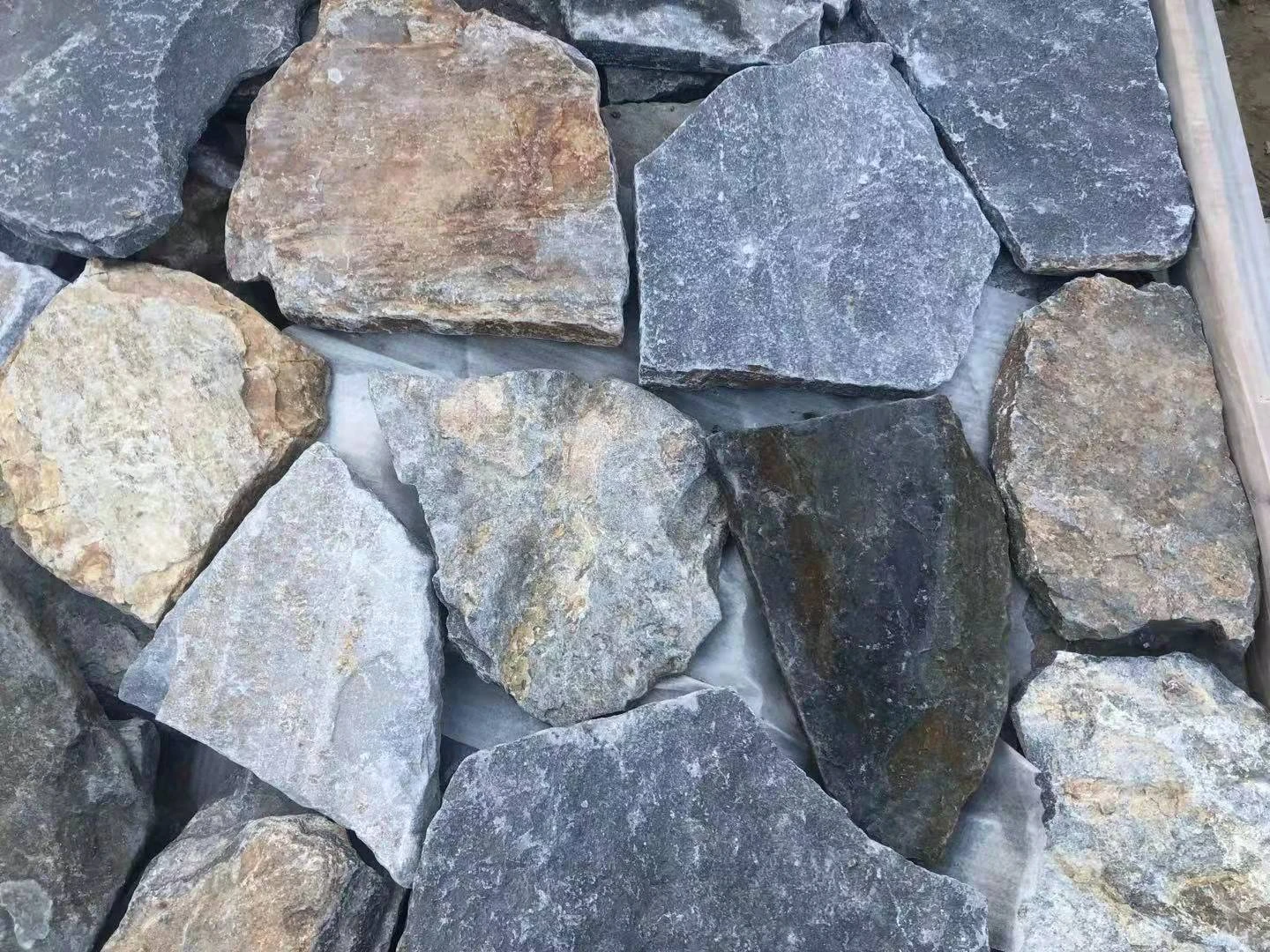
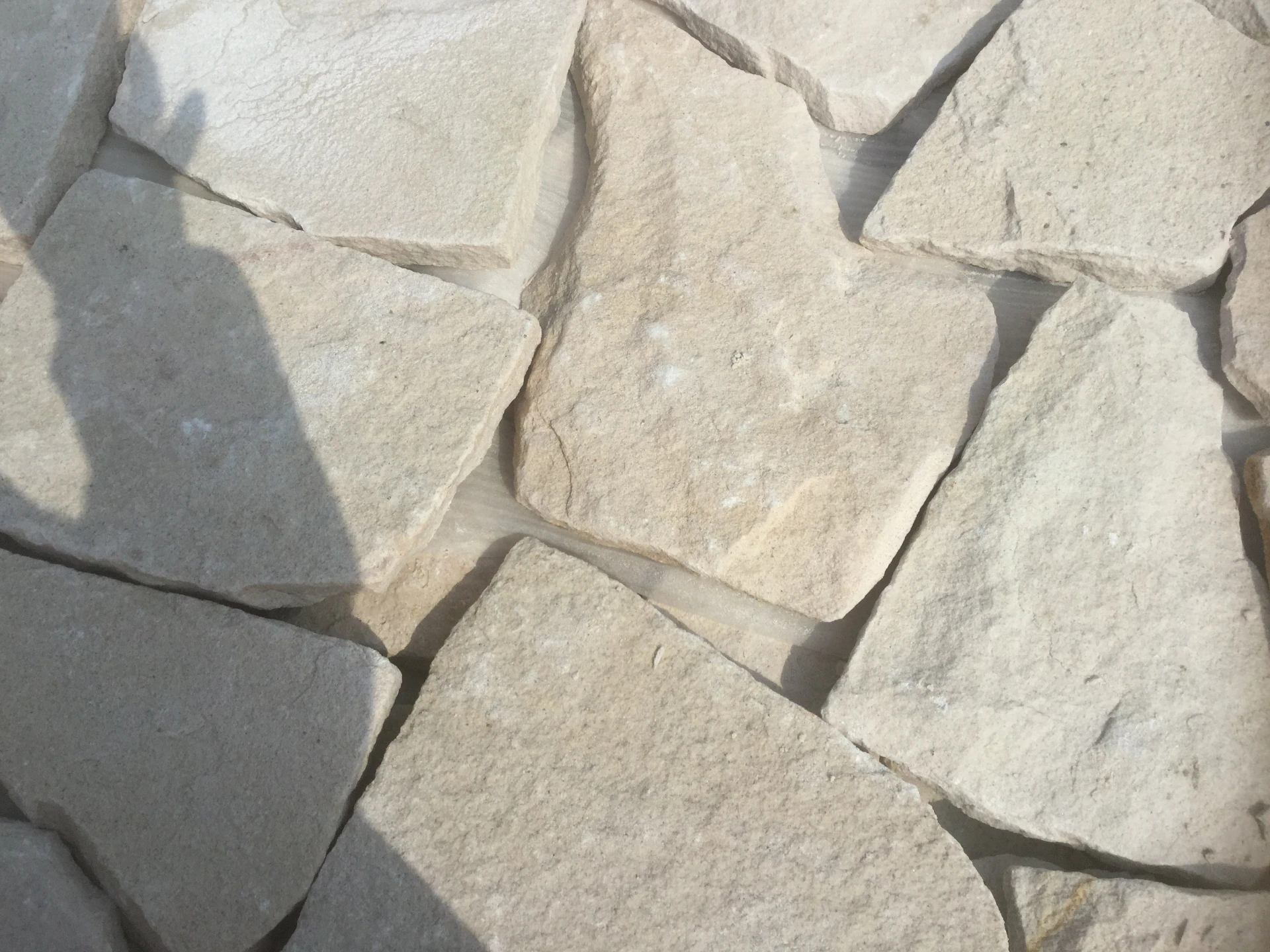
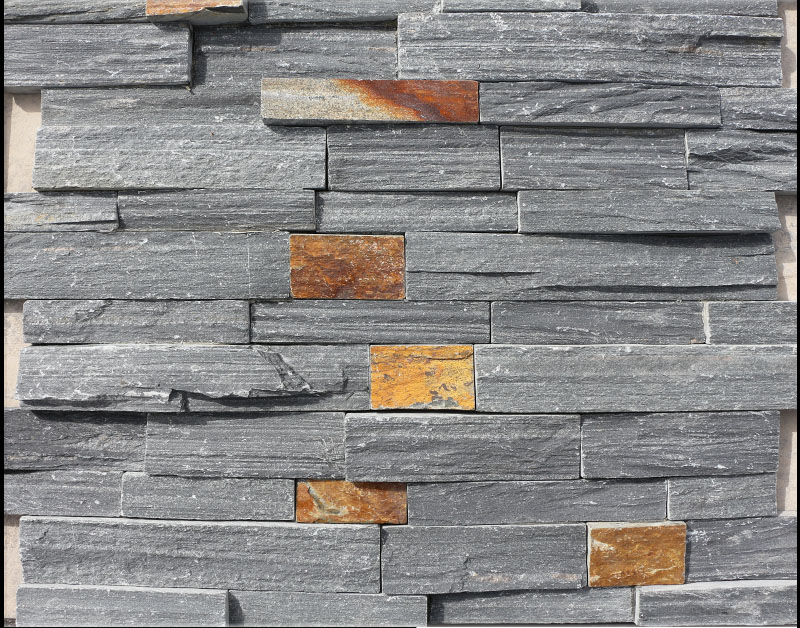
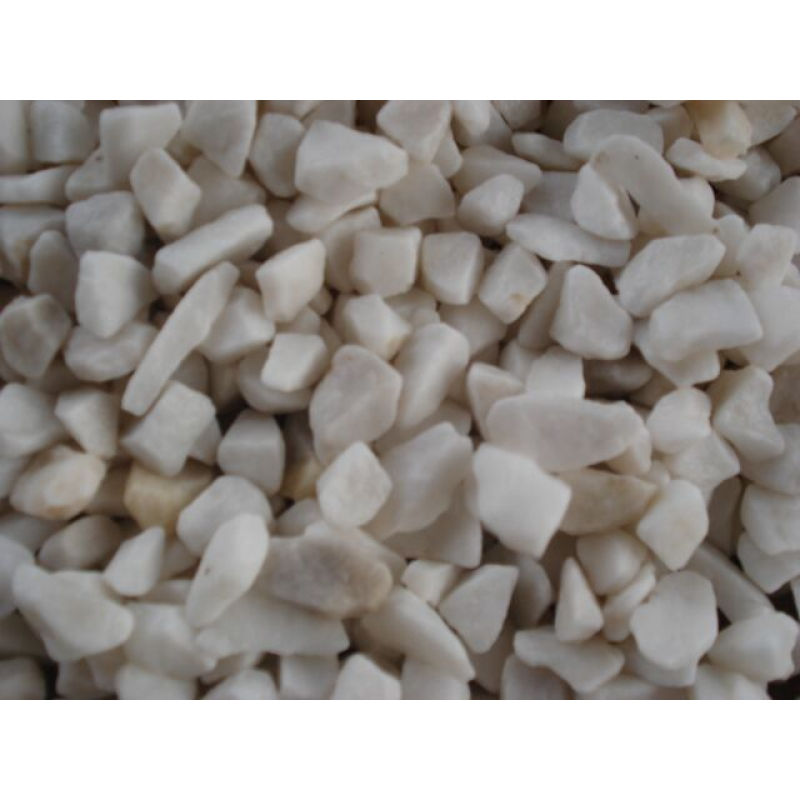
Stone panels, as an architectural and design material, have been steadily gaining traction in the construction and interior design industries. Their unique blend of durability, aesthetic appeal, and versatility makes them a coveted choice for various applications. Drawing from extensive experience and effective expertise, this article delves into the major advantages, applications, and selection criteria for stone panels, presenting a comprehensive guide to understanding their true potential.
Stone panels are crafted from a diverse range of natural stones, including granite, marble, limestone, and slate. One of the most striking advantages of stone panels is their longevity. Unlike synthetic materials, natural stone withstands the tests of time and weather, offering longevity that ensures structures and designs remain intact for generations. Property owners find considerable value in the low maintenance required for stone panels. Their resistance to everyday wear and tear, combined with natural properties that repel moisture, mold, and mildew, ensures a pristine look with minimal upkeep.
The aesthetic versatility of stone panels cannot be overstated. Available in a wide array of colors, textures, and finishes, they provide architects and designers immense creative freedom. From sleek, polished black marble panels for a modern, sophisticated look, to rustic, rough-textured limestone for a cozy, natural ambiance, the possibilities are virtually endless. This aesthetic diversity allows stone panels to seamlessly integrate into a multitude of design themes, whether traditional, contemporary, or anywhere in between.
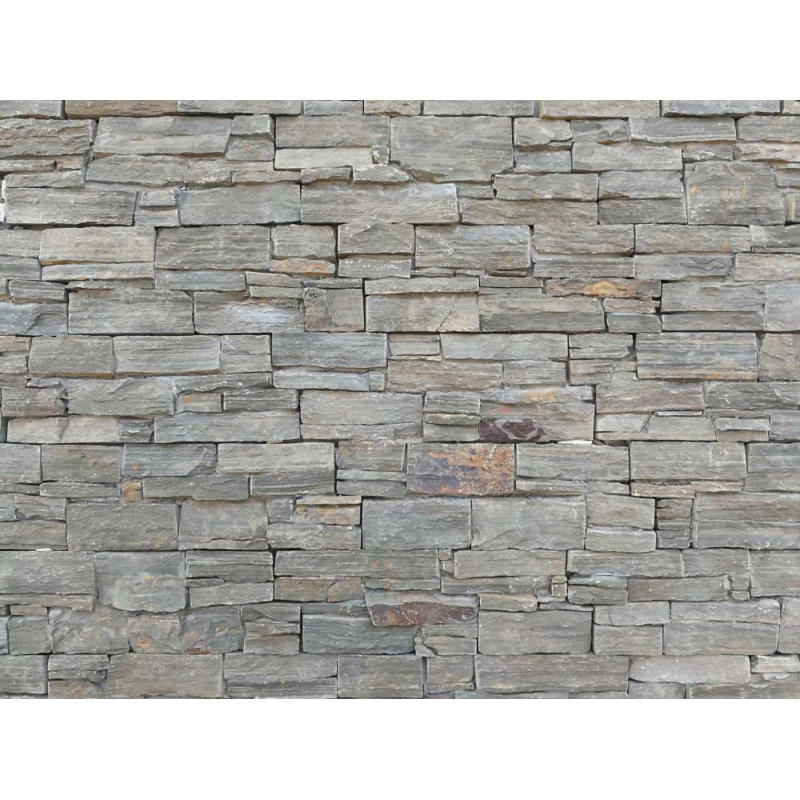
Environmentally conscious consumers will appreciate the sustainable nature of stone panels. Sourced from abundant natural materials, these panels typically require less energy to produce compared to synthetic alternatives. Moreover,
their long life span reduces the need for replacements, thus minimizing waste. When a building or structure eventually reaches its end of life, stone panels are fully recyclable, ensuring they can be repurposed for future uses, significantly reducing environmental impact.
stone panel
Selecting the right stone panels involves a few crucial considerations. First, understanding the specific application is key. Whether the panels are intended for exterior cladding, interior wall accenting, or flooring, each application may have distinct requirements concerning thickness, finish, and type of stone. For outdoor use, considerations around exposure to weather elements and thermal expansion are critical, while interior applications might focus more on the aesthetic match with the surrounding environment.
Professional installation is paramount to maximizing the benefits of stone panels. Engaging with contractors who have proven expertise and a track record of successful stone panel projects can make a significant difference. Proper installation not only enhances the beauty of the panels but also ensures their structural integrity and longevity. For a more bespoke appearance, custom-cut stone panels can be crafted to fit unique architectural requirements, offering exclusive aesthetics that mass-produced options cannot match.
In conclusion, stone panels not only represent an investment in design quality but also in sustainability and durability. The convergence of beauty and functionality enhances living spaces and architectural works, imbuing them with an element of timeless charm that few other materials can match. By selecting stone panels, users are not just adopting a design trend but are, in fact, embracing a time-honored tradition of architectural excellence.
For anyone considering the use of stone panels, it is crucial to weigh their numerous benefits against specific project requirements. Expert consultation and precise implementation can unlock their full potential, ensuring that each project achieves its desired outcome in beauty, durability, and functionality.