

The Importance of Limestone in Paving Key Considerations for Suppliers
When it comes to constructing durable and aesthetically pleasing outdoor spaces, limestone has emerged as a preferred choice for paving materials. Known for its unique qualities and versatility, limestone is not just a popular option; it is a natural stone that adds both beauty and functionality to any paving project. For suppliers in the paving industry, understanding the significance of limestone and its advantages is crucial to meeting the needs of their clients effectively.
What is Limestone?
Limestone is a sedimentary rock chiefly composed of calcium carbonate. It is formed from the accumulation of organic remains, and you can find it in a variety of colors, from light beige to darker shades. This stone is abundant and relatively easy to extract, which makes it a readily available material for various construction and landscaping applications. As a natural stone, limestone is also characterized by its porosity, which allows it to absorb water and moisture effectively. This feature, while beneficial, means that limestone must be handled with care to ensure longevity and aesthetic appeal.
Advantages of Using Limestone for Paving
1. Aesthetic Appeal One of the most significant advantages of limestone is its natural beauty. The unique textures and colors found in limestone can enhance the overall appearance of outdoor areas. Whether used in driveways, walkways, or patios, limestone paving creates an elegant look that blends well with both natural and man-made surroundings.
2. Durability Limestone is a robust material that can withstand heavy foot traffic and varying weather conditions. When properly sealed and maintained, limestone pathways can last for decades, making it a cost-effective choice for clients seeking long-term solutions.
3. Versatility Limestone can be cut and shaped into various sizes and finishes, offering flexibility for design-specific projects. Suppliers can cater to a wide range of preferences, from rustic, textured surfaces to smooth, polished finishes, thereby appealing to diverse client tastes.
4. Eco-Friendly As a natural stone, limestone is an environmentally friendly option. It is abundant in nature and can be sourced sustainably. Furthermore, its ability to retain moisture promotes cooler outdoor spaces, reducing the need for extensive irrigation.
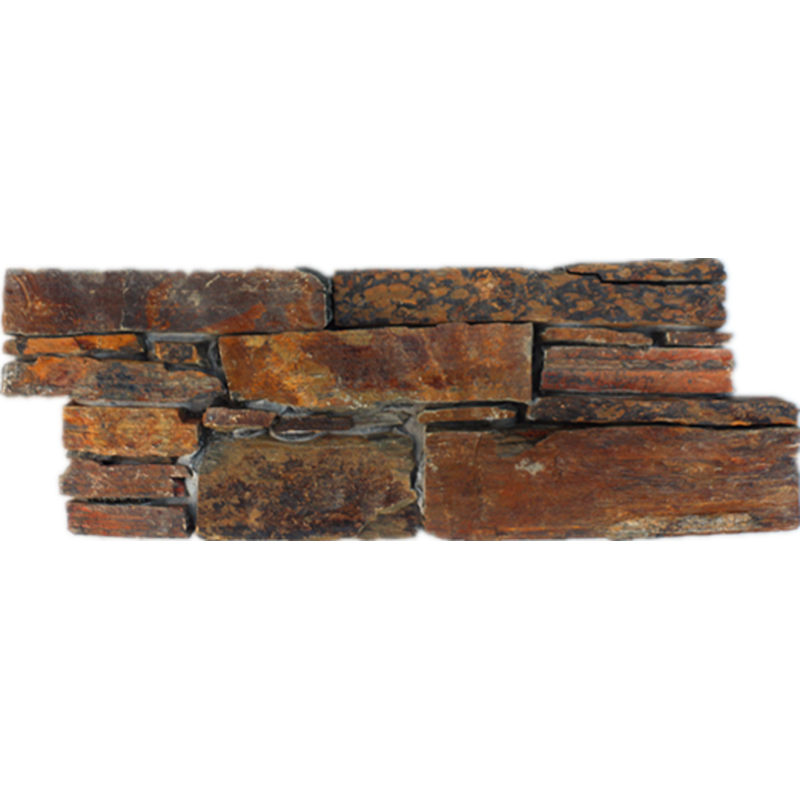
5. Low Maintenance Compared to other paving materials, limestone requires relatively low maintenance. Regular cleaning and periodic sealing help to maintain its appearance and protect it from stains or weathering. This ease of care is a significant selling point for potential customers.
Considerations for Suppliers
While limestone has numerous benefits, suppliers must also consider several factors to ensure that they are providing the best options for their customers.
1. Quality Selection Not all limestone is created equal. Suppliers should prioritize sourcing high-quality limestone that offers consistency in texture and color, as well as resilience to weathering. Clients will want to see samples to ensure they receive the best material for their projects.
2. Cost Factors Pricing can vary significantly based on the type and quality of limestone, as well as transportation costs. Suppliers should be well-informed about the market trends and establish pricing strategies that reflect the quality and demand of their products.
3. Installation Guidance Providing customers with comprehensive guidance on installation and maintenance can set a supplier apart from the competition. Offering support in the form of installation recommendations, cleaning tips, and sealing instructions can enhance customer satisfaction and drive repeat business.
4. Sustainability Practices Today’s consumers are increasingly aware of their environmental footprint. Suppliers who can demonstrate sustainable sourcing and production practices will likely appeal more to eco-conscious clients. This could include providing documentation regarding quarry locations and extraction methods.
Conclusion
In conclusion, limestone is an excellent choice for paving that offers a blend of beauty, durability, and sustainability. For suppliers in the paving industry, recognizing the unique properties of limestone and effectively communicating its advantages can enhance their marketability. By focusing on quality, pricing, installation support, and sustainability practices, suppliers can meet the growing demand for limestone paving and contribute positively to outdoor design projects. Embracing these key considerations will not only help establish a reputable brand but also ensure long-term customer satisfaction and loyalty in a competitive market.





