

The Beauty and Benefits of China Stone Cladding for Exteriors
In recent years, architectural trends have been leaning toward the use of natural materials that exude elegance and durability. Among these, China stone cladding has emerged as a popular choice for exterior applications. This traditional yet versatile building material not only enhances the aesthetic appeal of structures but also offers numerous practical benefits.
What is China Stone Cladding?
China stone cladding refers to thin slices of natural stone quarried from regions in China, renowned for their rich geological diversity. These slices are typically applied to the exterior of buildings, creating a sophisticated and timeless look. The range of stones includes granite, marble, limestone, and slate, providing various colors and textures to suit different architectural styles.
Aesthetic Appeal
One of the primary reasons for choosing China stone cladding is its striking appearance. The natural variations in color and texture found in stone create a unique façade for each building, making it stand out. From rustic country houses to modern sleek structures, stone cladding fits seamlessly into various designs. The ability to combine different stone types or even layers allows for limitless creativity in design, enabling architects and designers to create eye-catching exteriors.
Durability and Longevity
Natural stone is known for its durability and resilience. China stone cladding is resistant to weathering, ensuring that buildings maintain their beauty over time regardless of climatic conditions. Unlike synthetic materials, natural stone does not easily fade or deteriorate, making it a cost-effective solution in the long term. With proper installation and maintenance, China stone cladding can last for decades, if not centuries.
Energy Efficiency
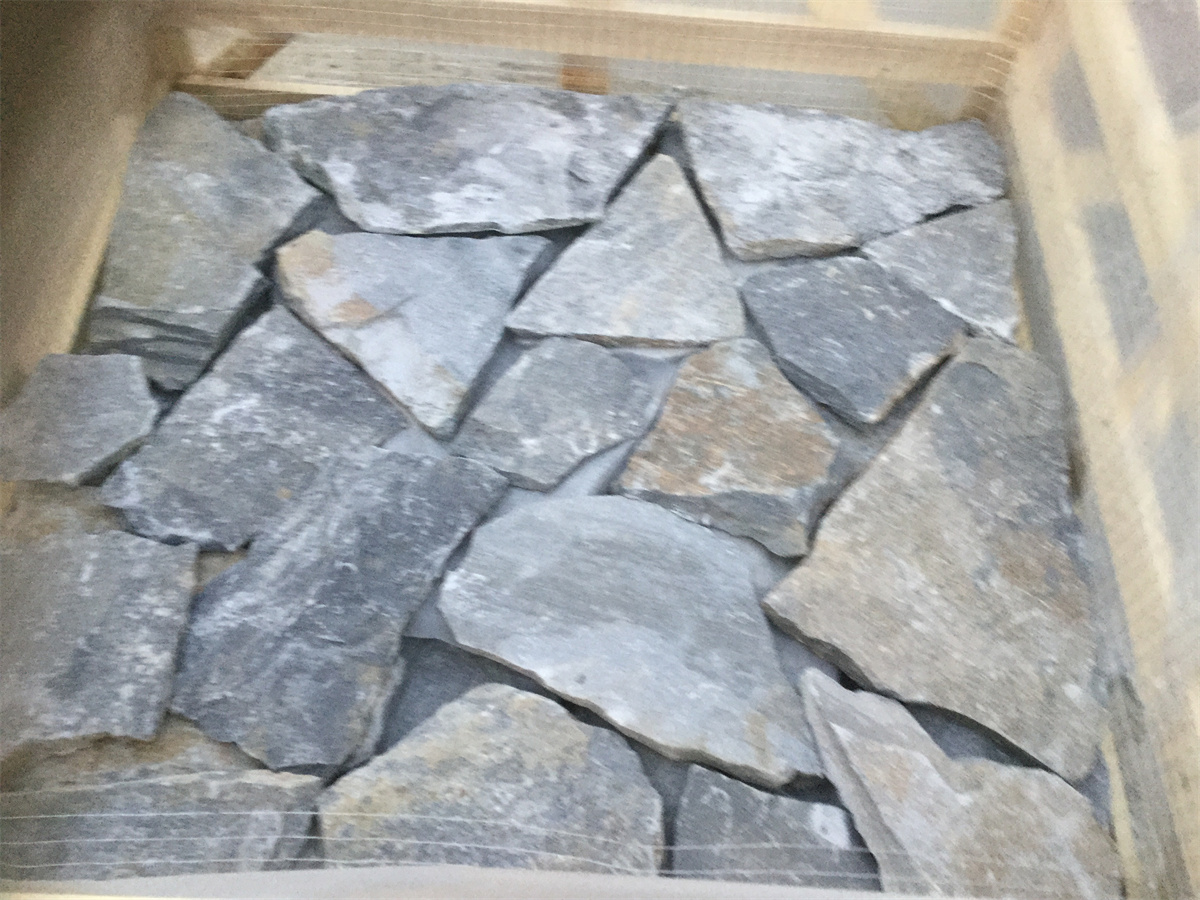
Integrating China stone cladding into building exteriors can contribute to energy efficiency. Stone has excellent thermal properties; it can retain heat during colder months and keep interiors cool during warmer seasons. This natural insulation can reduce reliance on heating and cooling systems, which is beneficial both for the environment and for minimizing energy costs.
Low Maintenance
Another advantage of China stone cladding is its low maintenance requirements. Unlike wood or vinyl siding, which may need repainting, staining, or sealing, stone cladding is quite forgiving. A simple wash with water is often enough to keep the façade looking fresh and clean. This makes it especially appealing for homeowners and property managers who prefer resilience without frequent upkeep.
Sustainability
As environmental consciousness grows, the demand for sustainable building materials is increasing. China stone cladding, being a natural product, aligns well with eco-friendly building practices. The quarrying process, if managed responsibly, can minimize ecological disruption, and many manufacturers adhere to sustainable policies. Moreover, using stone extends the life cycle of materials, fitting into the principles of sustainable construction.
Versatile Applications
The versatility of China stone cladding extends beyond just residential use. It is also favored in commercial buildings, public spaces, and institutional projects. Whether it’s for a restaurant seeking to create an inviting atmosphere or a corporate office looking to present a professional image, stone cladding can be tailored to meet specific design objectives. Additionally, it can enhance outdoor spaces such as patios and walkways, further integrating the natural aesthetic into landscaping.
Conclusion
Incorporating China stone cladding into exterior design is an investment in beauty, durability, and sustainability. Its striking aesthetic appeal combined with its practical benefits makes it a favored choice for architects, builders, and homeowners alike. With the ability to blend seamlessly into various architectural styles while providing lasting value and minimal maintenance, China stone cladding stands out as an exceptional choice for those looking to elevate their building's exterior. As the architectural industry continues to evolve, the timeless charm of natural stone will undoubtedly remain a staple in the creation of stunning and resilient structures.





