

Exploring External Stone Cladding A Timeless Aesthetic for Modern Architecture
In the realm of architectural design, the choice of materials plays a pivotal role in defining the character, durability, and overall appeal of a structure. Among the myriad options available, external stone cladding stands out not only for its aesthetic charm but also for its practical advantages. This article delves into the significance, benefits, styles, and trends associated with external stone cladding, demonstrating why it remains a popular choice in modern architecture.
What is External Stone Cladding?
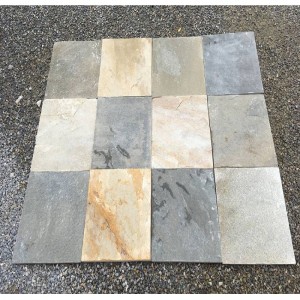
External stone cladding refers to the application of natural or manufactured stone materials to the exterior surfaces of buildings. Unlike traditional stone masonry, which involves the structural use of stone, cladding serves primarily as a protective and decorative layer. It can enhance a building’s appearance, improve insulation, and protect against weather elements. The selection of stone varies widely, encompassing options such as granite, limestone, slate, and more, allowing architects and designers to achieve diverse looks.
The Benefits of External Stone Cladding
1. Aesthetic Versatility One of the most compelling reasons to choose stone cladding is its stunning visual appeal. Stone comes in a variety of colors, textures, and patterns, enabling architects to create unique, eye-catching facades. Whether aiming for a rustic charm or a sleek contemporary look, stone cladding can accommodate any design vision.
2. Durability and Longevity Natural stone is renowned for its durability. It can withstand harsh weather conditions, including rain, snow, and UV radiation, without deteriorating. This resilience means that buildings clad in stone require minimal maintenance over the years, making it a cost-effective solution in the long term.
3. Energy Efficiency Stone has excellent thermal mass properties, which can contribute to energy efficiency. By regulating indoor temperatures, stone cladding can reduce the need for excessive heating or cooling, thereby lowering energy bills and minimizing environmental impact.
4. Fire Resistance Stone is inherently fire-resistant, providing an added layer of safety to buildings. This characteristic makes it an attractive choice, especially in regions prone to wildfires or where fire codes might impose strict regulations on building materials.
5. Sustainability Many types of natural stone are sourced from quarries with sustainable practices, making them an environmentally friendly choice. Additionally, the longevity of stone means that buildings can reduce their carbon footprint over time, further supporting sustainable building practices.
Styles and Trends in Stone Cladding
The versatility of stone cladding has led to the emergence of various styles and trends in recent years. Here are a few that have gained popularity
1. Mixed Material Facades Combining stone with other materials such as wood, glass, or metal creates a striking contrast that can enhance the character of a building. This trend allows for creative expressions and customization, making each structure unique.
2. Panelized Systems Advancements in manufacturing have led to the development of panelized stone cladding systems. These pre-fabricated panels simplify the installation process, reducing labor costs and time on-site without compromising aesthetic appeal.
3. Natural and Reclaimed Stone There is a growing trend toward using reclaimed stone or locally sourced natural stone to give buildings a sense of history and connection to the environment. This practice resonates with eco-conscious consumers and enhances the natural beauty of architecture.
4. Large Format Tiles Large-format stone tiles are gaining traction in both commercial and residential projects. They create a seamless look and can minimize grout lines, which enhances the overall appearance of the facade.
5. Textured Finishes Textured stone surfaces, whether rough-hewn or polished, add depth and interest to exterior walls. These treatments can elevate designs, allowing architects to play with light and shadow in innovative ways.
Conclusion
External stone cladding represents a harmonious blend of beauty, functionality, and sustainability in modern architecture. With its myriad benefits—from aesthetic versatility to energy efficiency—it’s clear why so many architects and builders are incorporating stone cladding into their designs. As trends evolve, stone continues to inspire creativity while standing the test of time, making it an enduring choice in an ever-changing architectural landscape.





