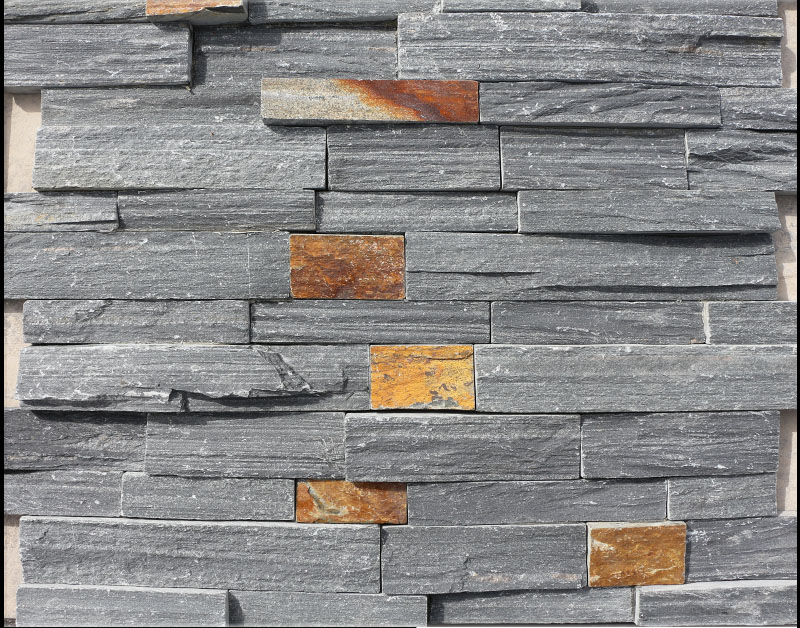
The Elegance and Functionality of Stone Cladding Tiles
In the realm of architecture and interior design, stone cladding tiles have emerged as a popular choice for homeowners and designers alike. Combining the natural beauty of stone with practical installation techniques, these tiles offer an array of advantages that go beyond aesthetics. In this article, we explore the allure and benefits of stone cladding tiles, while highlighting their versatility in both residential and commercial applications.
The Allure of Natural Beauty
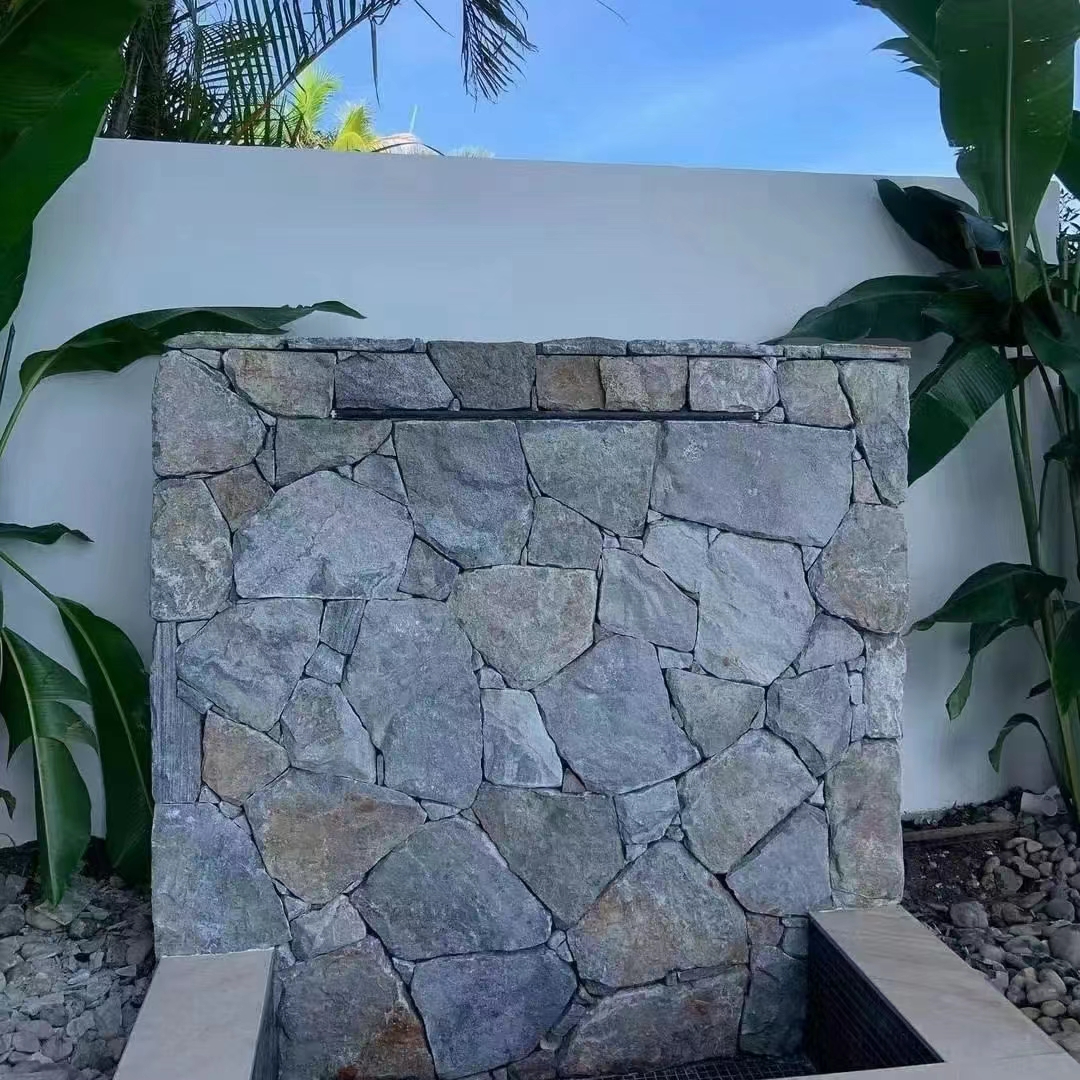
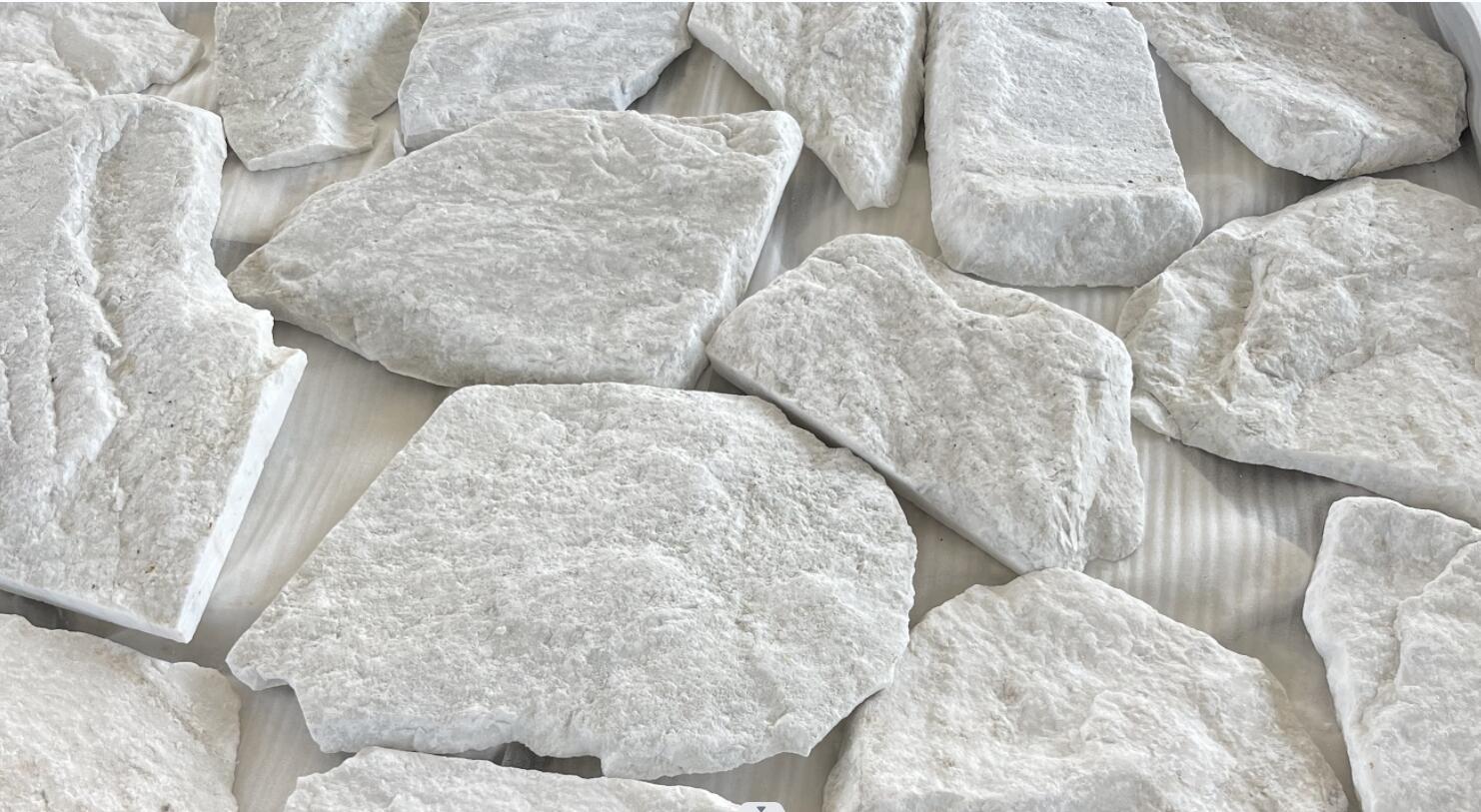
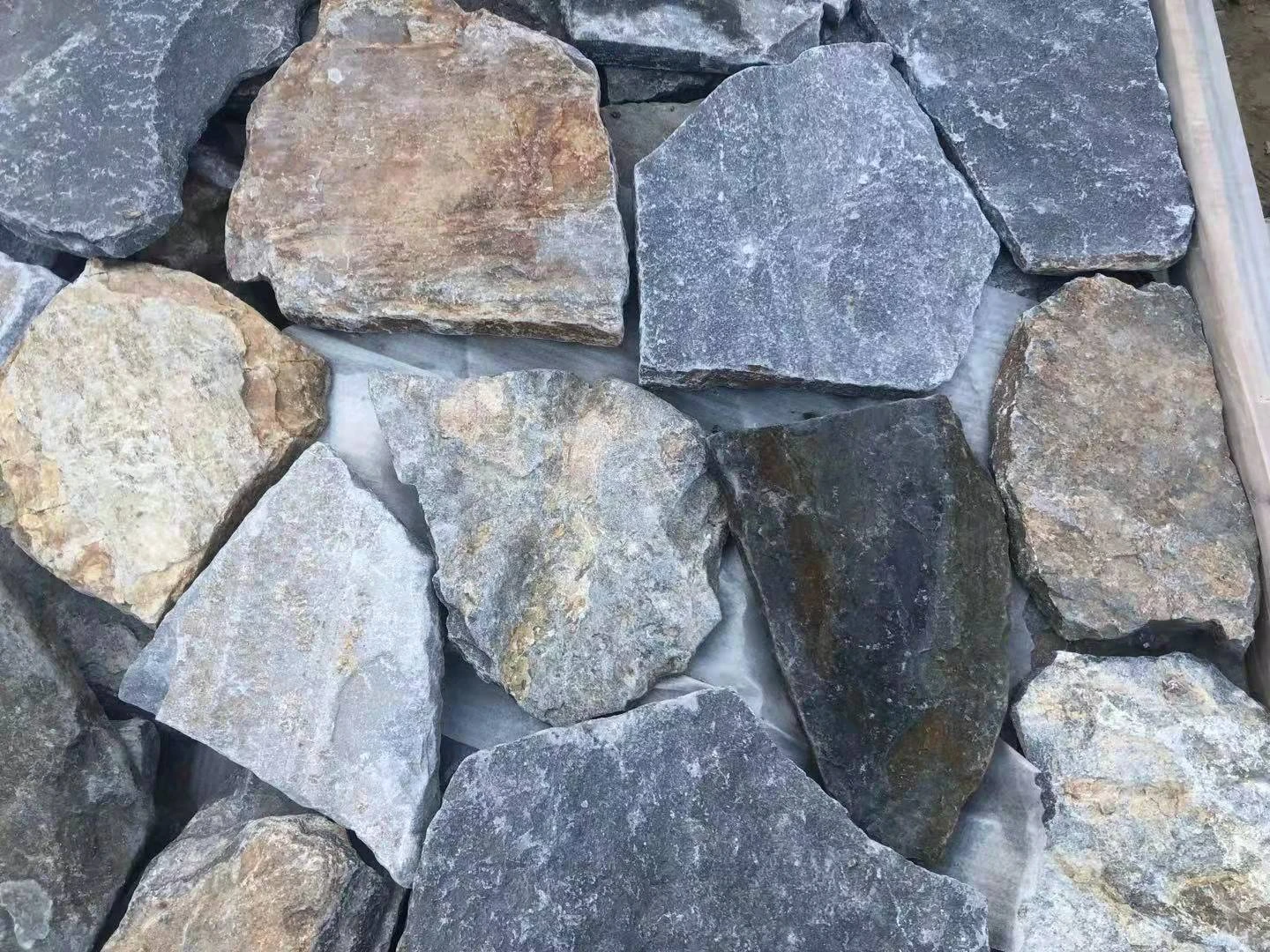
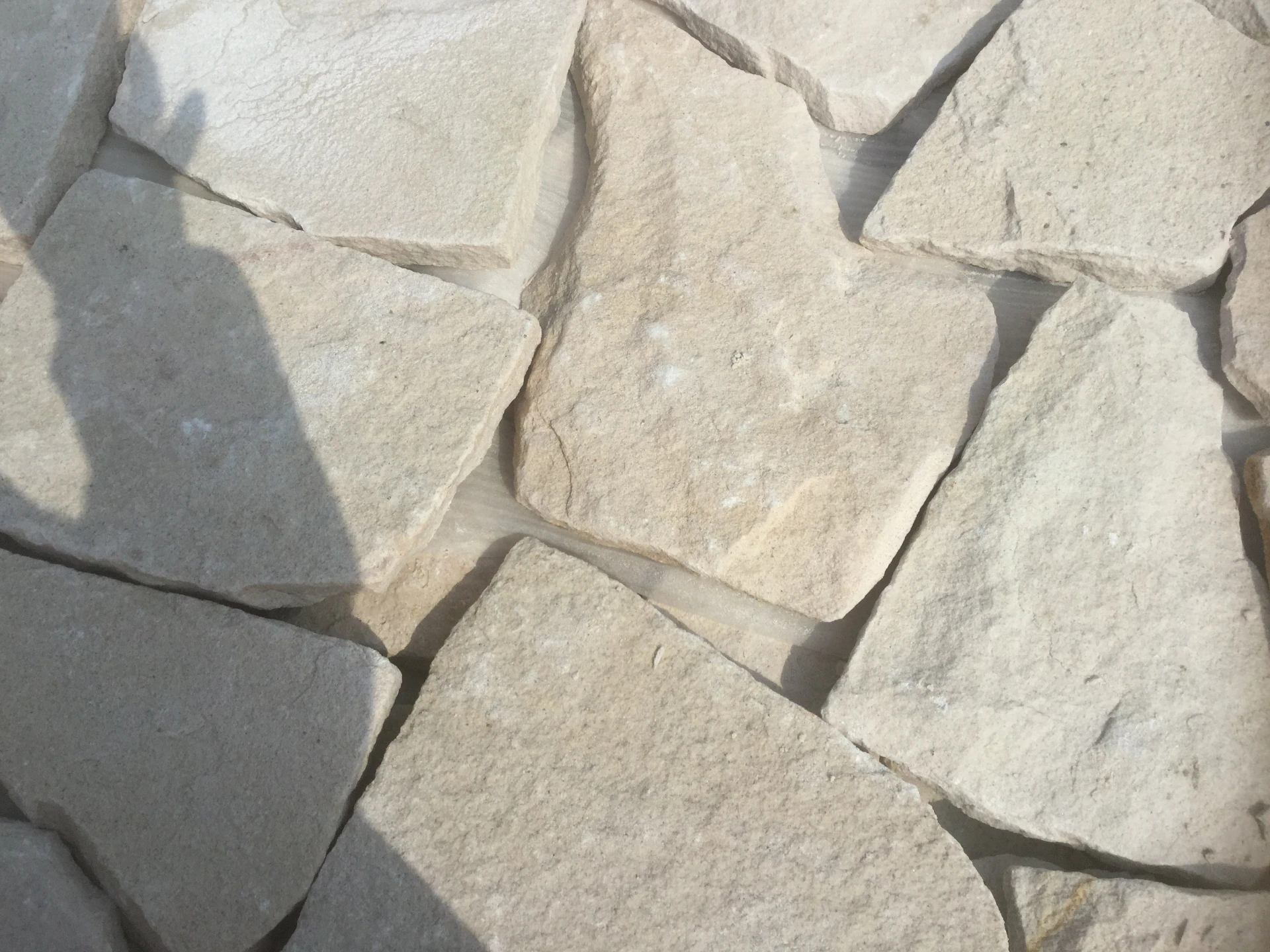
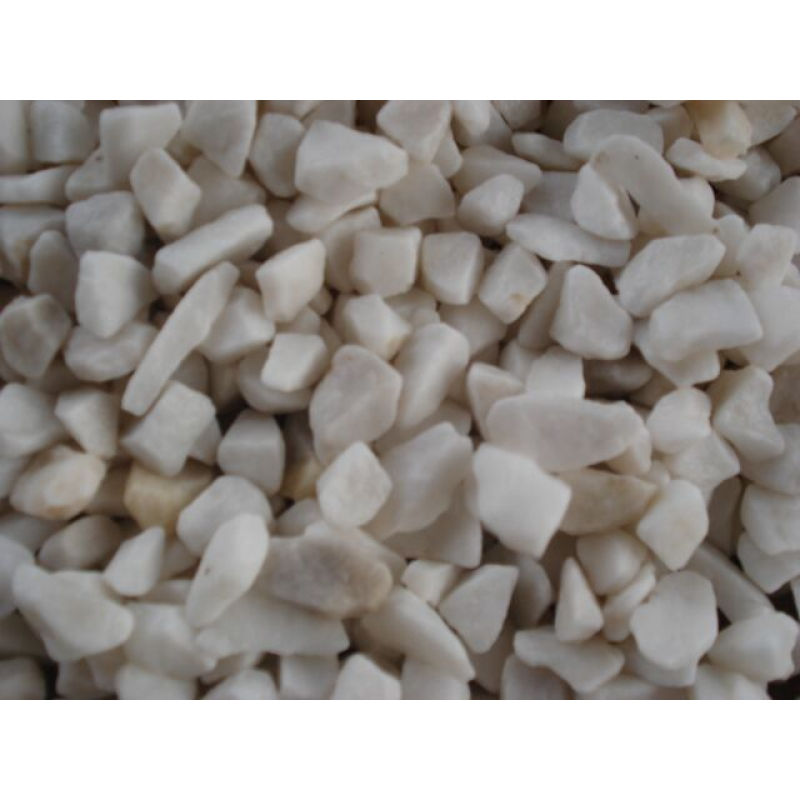
One of the primary reasons for the increasing popularity of stone cladding tiles is their inherent beauty. Available in various types of stone—such as slate, granite, limestone, and sandstone—these tiles can create a stunning visual impact. Each type of stone possesses unique textures, colors, and patterns, allowing for a diverse range of design possibilities. Whether creating a rustic, warm ambiance with earthy tones or opting for a sleek, modern look with polished surfaces, stone cladding tiles adapt beautifully to any style.
Durability and Longevity
Stone is renowned for its durability, and cladding tiles are no exception. Unlike other materials that may deteriorate over time due to weather conditions or wear and tear, stone cladding can withstand the elements without losing its charm. Properly installed and maintained, these tiles can last for decades, making them a wise investment for both residential and commercial properties. Moreover, they are resistant to fire, which adds an extra layer of safety to any construction project.
Insulation Properties
Another key benefit of stone cladding tiles is their natural insulation properties. Stone has a dense structure that helps regulate temperature, providing a cooler environment in the summer and retaining heat during winter. This thermal efficiency can contribute to lower energy bills, making space heating and cooling more efficient. As a result, stone cladding not only enhances the aesthetic appeal of a building but also contributes to its overall energy performance.
Low Maintenance Requirements
Homeowners and property managers are often concerned about the upkeep associated with exterior materials. Fortunately, stone cladding tiles require minimal maintenance. Regular cleaning with a simple soap-and-water solution can keep them looking fresh and vibrant. Unlike wood or certain composites that may require staining or sealing, stone’s durability means it often only needs an occasional wash to maintain its appearance.
Versatility in Application
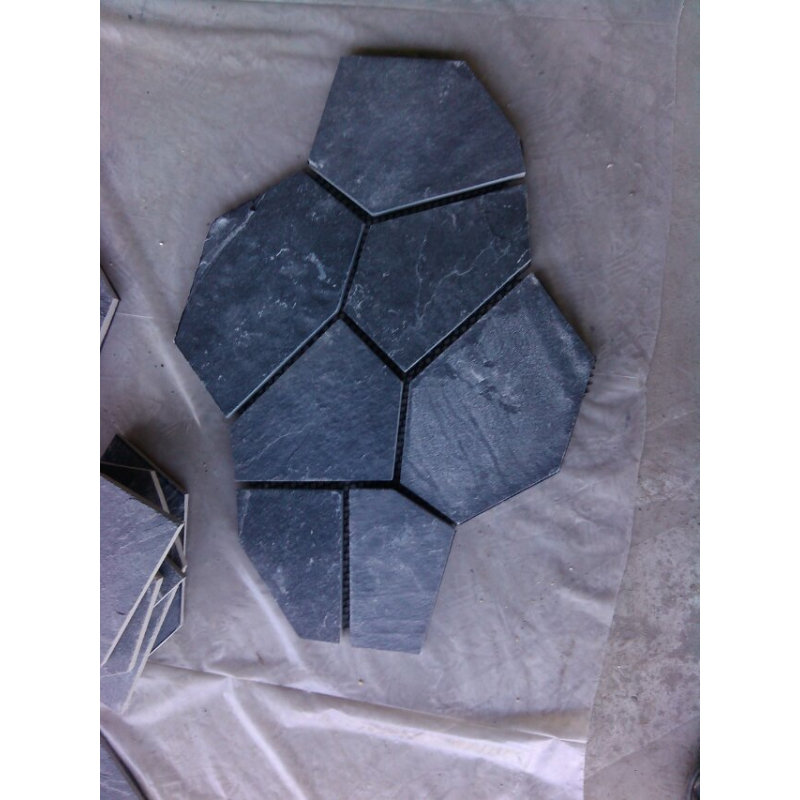
Stone cladding tiles are incredibly versatile, making them suitable for a range of applications. They are commonly used in both exterior and interior settings, including facades, fireplaces, accent walls, and even flooring. In commercial spaces, they provide a strong brand identity, often used in building lobbies or office fronts to convey solidity and elegance. The adaptability of stone cladding allows for creativity in design, facilitating various installations that can enhance both form and function.
Eco-Friendly Choice
As the demand for sustainable building materials grows, stone cladding tiles stand out as an environmentally friendly option. Stone is a natural resource that can be sourced responsibly, and many suppliers now offer recycled or reclaimed stone options. This commitment to sustainability aligns with modern design philosophies that emphasize reducing the carbon footprint of construction projects, making stone cladding an excellent choice for eco-conscious consumers.
Conclusion
In conclusion, stone cladding tiles represent an intersection of beauty, durability, and functionality. Their timeless appeal, coupled with their practicality, makes them an exceptional choice for various architectural needs. Whether you are renovating your home or constructing a new building, stone cladding tiles can enhance the aesthetic and functional qualities of any project, making them a valued addition to any design.