The Ultimate Guide to Buying Garden Slabs for Sale
Gardens are vital spaces in our homes, offering a sanctuary for relaxation, a playground for children, or even a vegetable powerhouse. One critical aspect of designing and maintaining an appealing garden is the choice of hardscaping materials. Among these, garden slabs are a preferred option for various reasons, including their aesthetic appeal, durability, and versatility. If you are contemplating the purchase of garden slabs for sale, this guide will help you make an informed decision.
Understanding Garden Slabs
Garden slabs, also known as paving slabs or patio stones, come in various materials including concrete, natural stone, porcelain, and clay. Each material has its unique characteristics, appearance, and price range. Understanding these elements will help you select the best slabs for your specific needs.
1. Concrete Slabs Affordable and low-maintenance, concrete slabs can be made in various sizes, shapes, and colors. They are often treated for added durability and aesthetic appeal. However, they may lack the texture and warmth of natural stones.
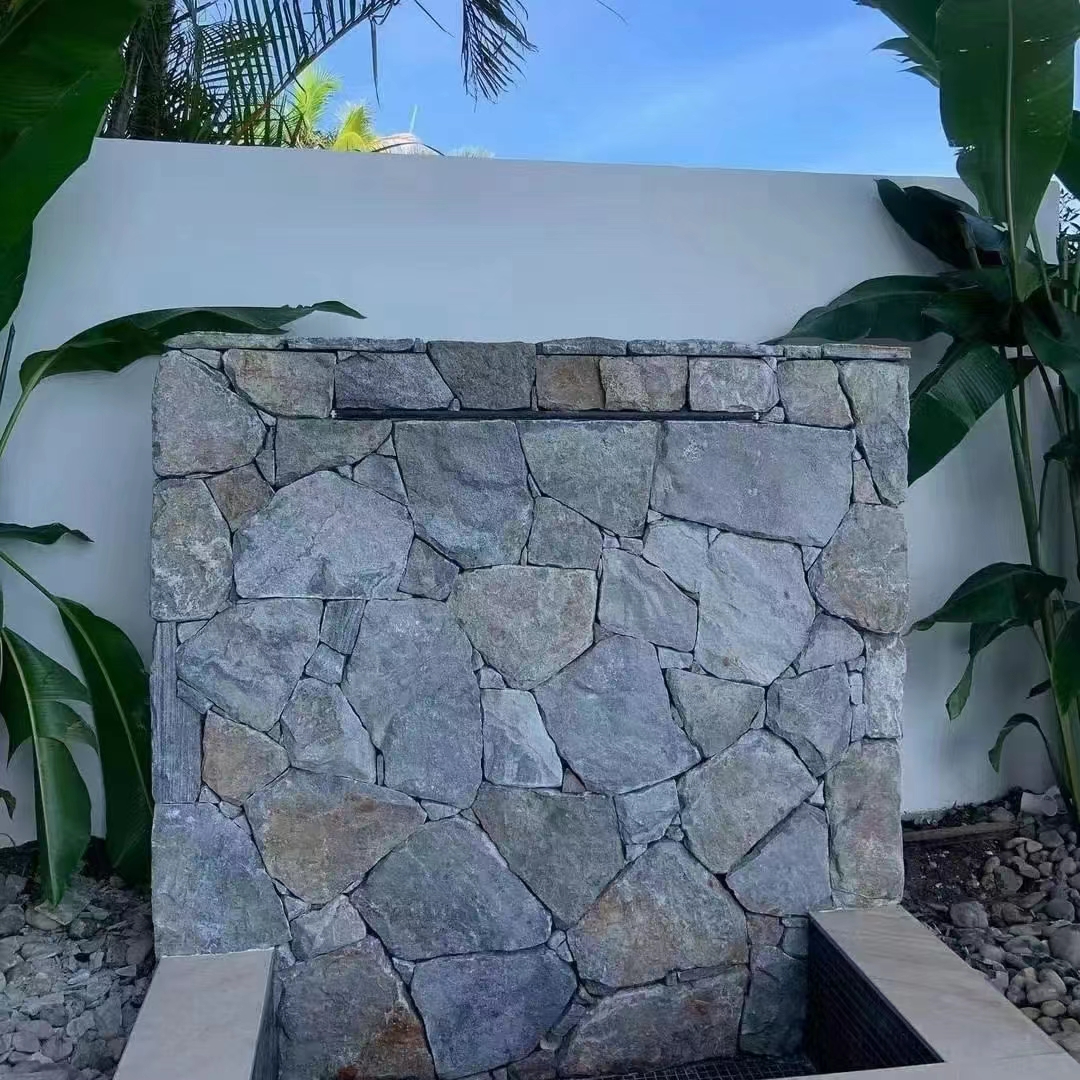
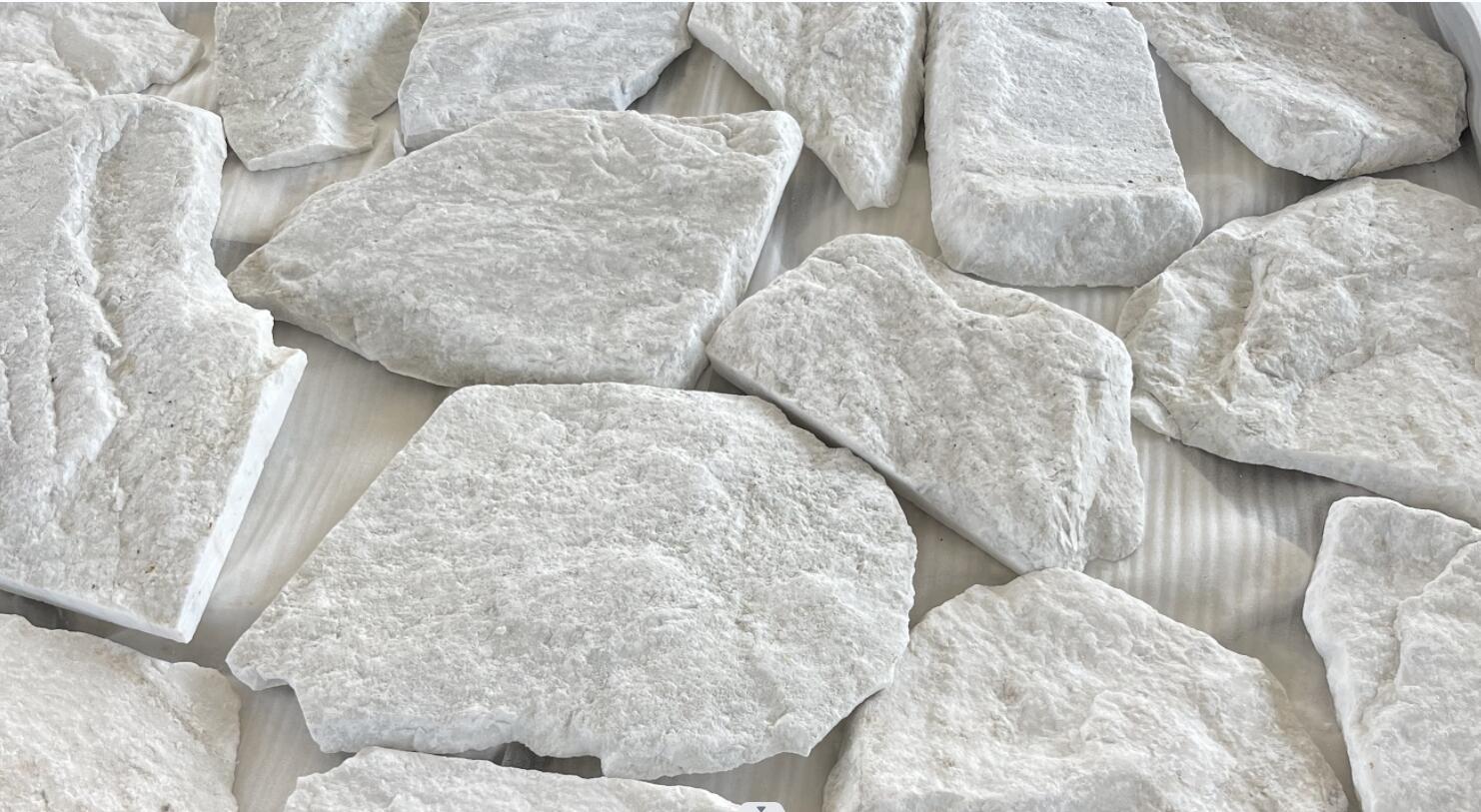
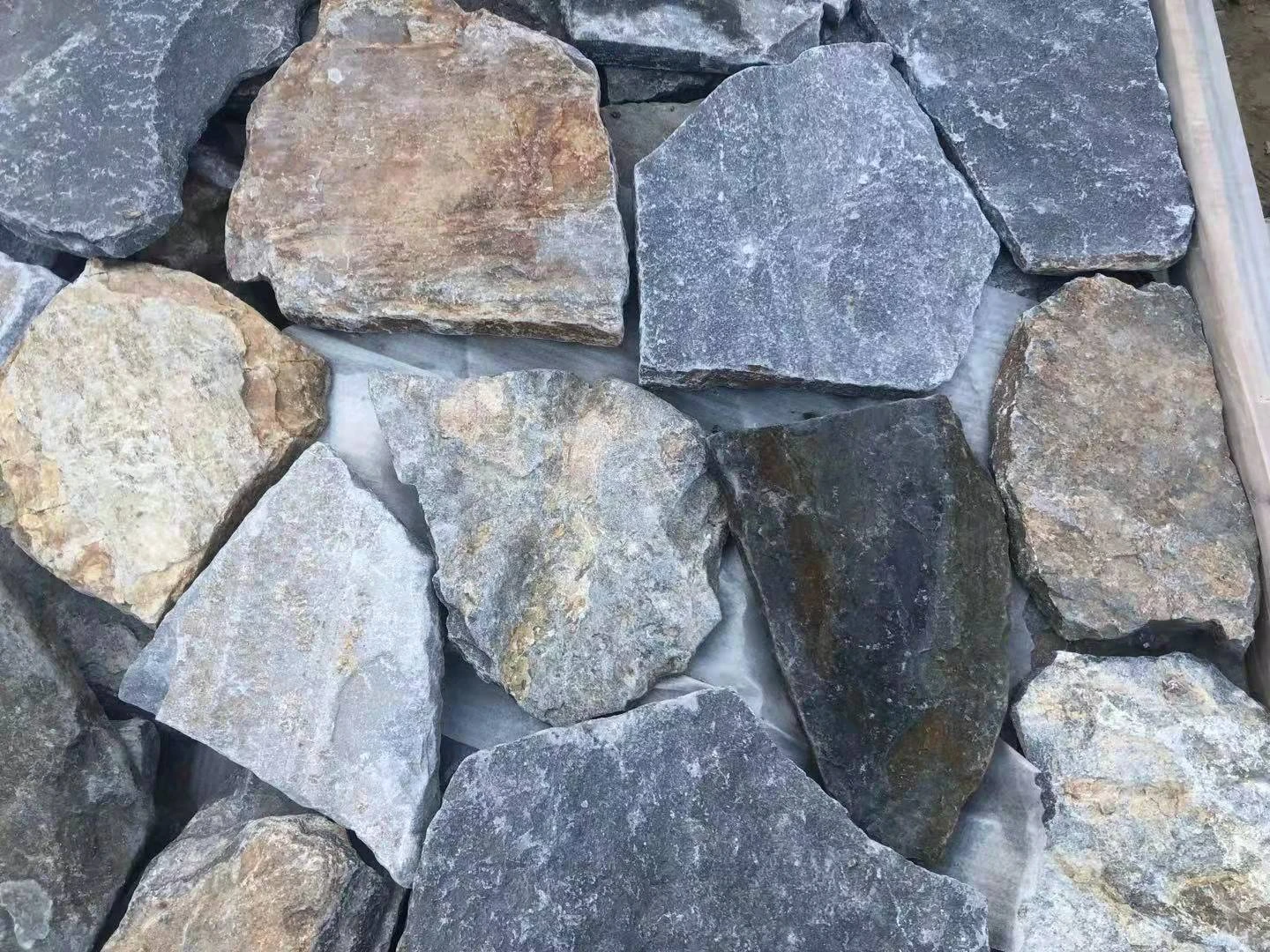
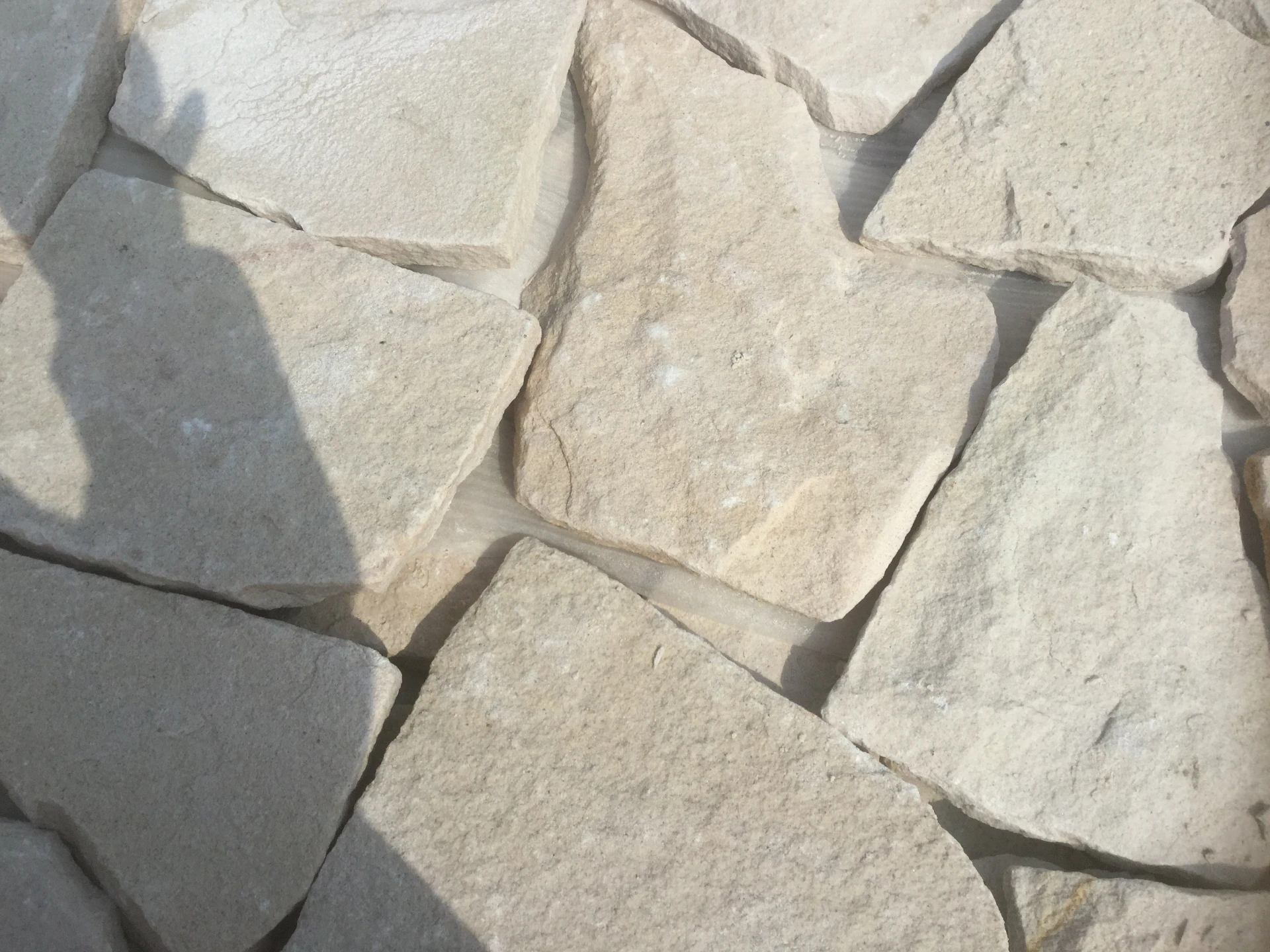
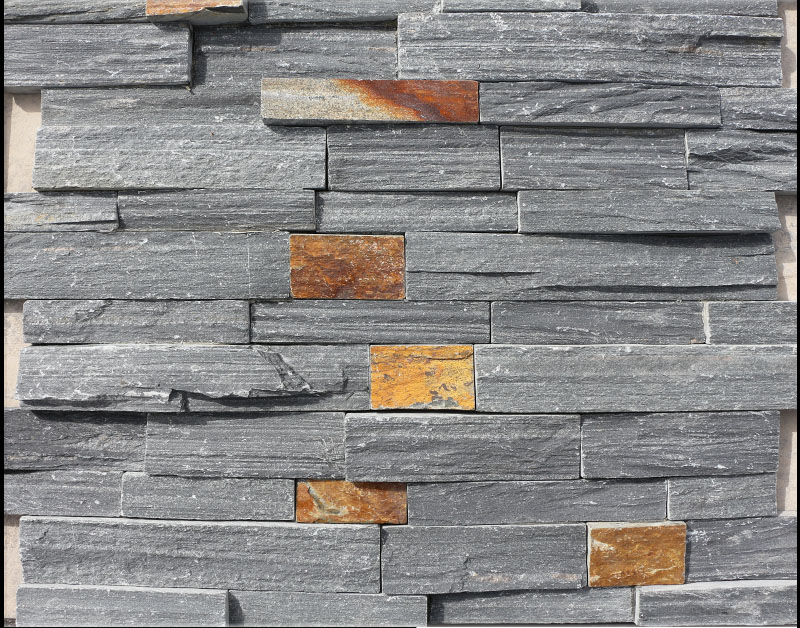
2. Natural Stone Slabs A popular choice for many homeowners, natural stone slabs—such as granite, slate, and limestone—provide a timeless and elegant look. These materials are available in various finishes, from polished to textured. While they tend to be more expensive, their unique patterns and colors make them a worthy investment.
3. Porcelain Slabs Increasingly popular due to their durability and low maintenance, porcelain slabs are resistant to stains, scratches, and weather conditions. They can mimic the appearance of natural stone, making them a great choice for modern gardens.
4. Clay Pavers These traditional slabs involve baked clay and are often used in patio designs. They come in various colors and are highly durable, though they might require more maintenance than some alternatives.
Assessing Your Needs
Before embarking on your search for garden slabs for sale, consider the following factors
- Purpose Determine the use of the hardscaping area. Will it be a walking path, a seating area, or perhaps a barbeque zone? This will influence the size, thickness, and type of slab you should choose.
- Style Your choice of material should complement your existing landscape design. For a contemporary look, you may wish to use sleek porcelain slabs, while a rustic garden might benefit from the charm of natural stone.
- Budget Set a realistic budget for your project, keeping in mind the cost per slab, as well as any additional expenses for installation or accessories like jointing sand or sealers.
- Climate Take into consideration the climate of your area. Some materials may be more suitable for wetter climates, while others may endure extreme temperatures better.
Where to Buy Garden Slabs
With your requirements in mind, you're ready to hunt for garden slabs for sale. Here are avenues to explore
1. Local Home Improvement Stores Chain stores often have a wide selection of garden slabs and sometimes hold seasonal sales or discounts which can result in significant savings.
2. Specialty Stone Suppliers If you're looking for unique or high-quality natural stone slabs, specialty suppliers can provide a vast array of options. These stores often have knowledgeable staff who can help you make an informed choice.
3. Online Retailers Many online platforms offer a convenient way to browse and compare different types of garden slabs. However, be sure to check reviews and verify return policies when purchasing online.
4. Local Quarry or Stone Yard For the most direct and often more affordable options, consider purchasing directly from a local quarry. Here, you can find bulk discounts, which can be a plus for larger projects.
Installation Tips
If you choose to install the garden slabs yourself, remember there are key steps involved
- Prepare the Foundation Clear the area and ensure a level surface, possibly with a sand or gravel base. - Lay the Slabs Follow a consistent pattern, applying jointing materials as needed to secure the slabs in place.
- Finishing Touches Fill joints with sand or gravel to help stabilize the slabs and prevent shifting.
Conclusion
Choosing garden slabs adds a functional and aesthetic dimension to your garden space. By understanding the types available, assessing your needs, and exploring various purchasing options, you can find the perfect slabs for your project. Investing in quality materials will ensure your outdoor space remains beautiful and functional for years to come. Happy gardening!