

Exploring External Cladding Options Your Go-To Guide for Buying Stone Cladding
When it comes to enhancing the aesthetic appeal and durability of buildings, stone external cladding has gained immense popularity in the construction and renovation industries. As property owners and builders seek materials that combine beauty, functionality, and longevity, stone cladding serves as an excellent choice. In this article, we will delve into the world of stone external cladding, exploring its benefits, types, and tips for choosing the right suppliers.
The Benefits of Stone External Cladding
Stone cladding not only adds an eye-catching element to buildings but also offers several practical advantages. Firstly, it provides excellent insulation, helping to regulate interior temperatures and reduce energy costs. Secondly, stone is incredibly resilient, capable of withstanding harsh weather conditions, thus offering protection for structures over time. This durability means that stone cladding often has a longer lifespan compared to other materials, making it a cost-effective investment in the long run.
Moreover, stone cladding is low-maintenance. Unlike wood, which may require regular treatment and finishes, stone surfaces often only need occasional cleaning. This characteristic appeals to property owners who prefer minimal upkeep without sacrificing aesthetic value. The natural beauty and variety of textures and colors available in stone cladding can also enhance the overall design of any building, allowing for a wide range of architectural styles.
Types of Stone Cladding
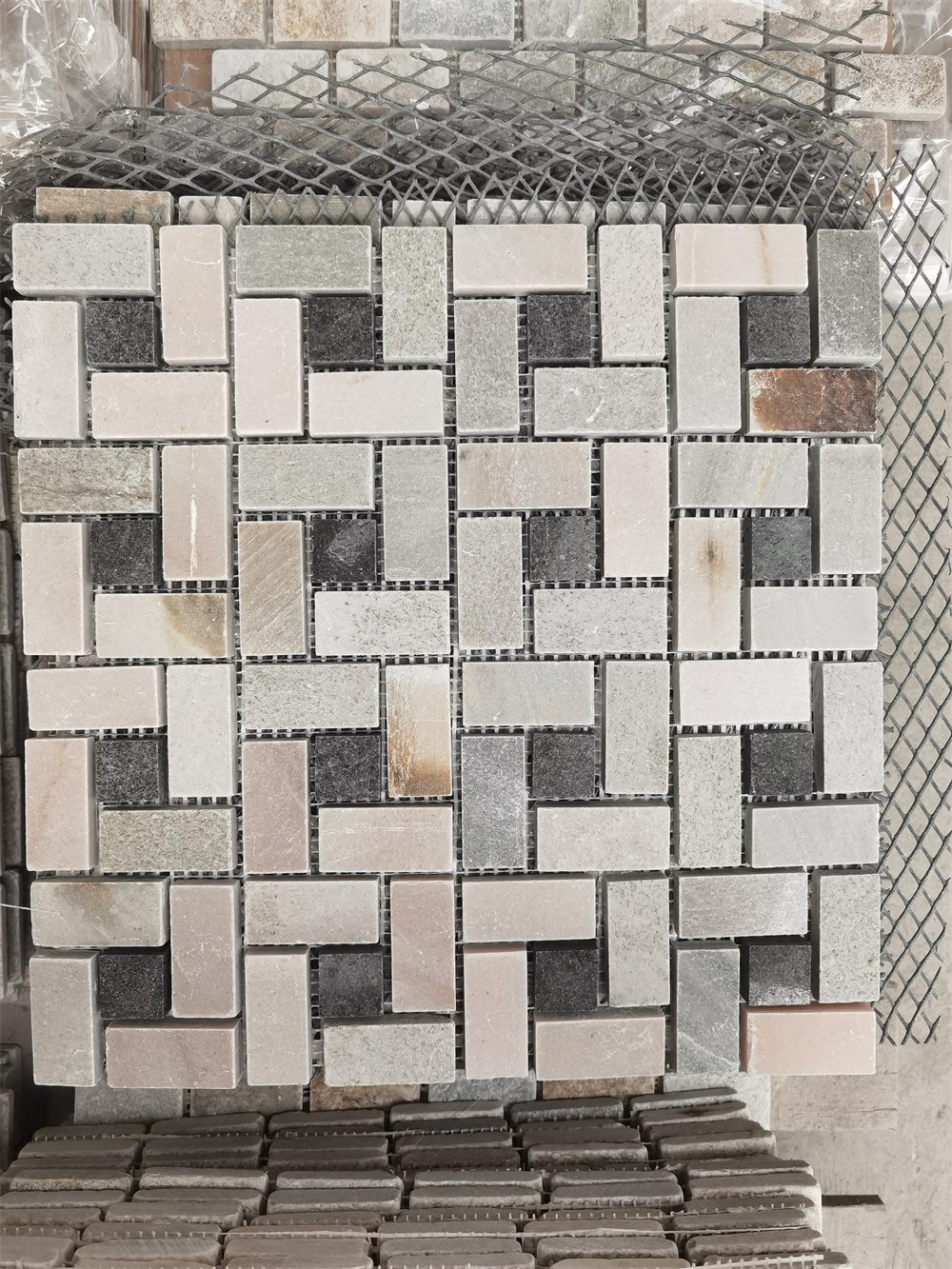
When looking to buy stone cladding, it's essential to familiarize yourself with the different types available. Some of the most popular options include
1. Natural Stone This type includes materials like granite, limestone, slate, and sandstone. Each type has its unique characteristics, and natural stone offers an authentic look with varying colors and patterns.
2. Engineered Stone Made from a combination of natural stone and resin, engineered stone cladding offers the appearance of natural stone with added flexibility and lightweight properties. This makes it easier to install while maintaining a robust finish.
3. Cultured Stone Also known as manufactured stone, this product mimics the appearance of natural stone but is lighter and often more affordable. Cultured stone is versatile in design, making it suitable for various applications.
Choosing the Right Suppliers
Finding the right supplier for your stone external cladding is crucial for ensuring quality and service. Here are some tips to help you choose
1. Research and Reviews Begin by researching potential suppliers online. Look for customer reviews and testimonials to gauge the quality of their products and services.
2. Certifications Ensure that the suppliers comply with industry standards and certifications. This is essential for ensuring that the materials are durable, safe, and meet regulations.
3. Product Variety Opt for suppliers that offer a wide range of stone cladding options. More varieties allow for greater flexibility in design and customization.
4. Expertise and Support A reputable supplier will provide expert guidance and support throughout the buying process. They should be willing to answer questions, offer advice on installation, and assist in resolving any issues.
5. Samples and Warranties Request samples before making a significant purchase to evaluate texture, color, and quality. Additionally, inquire about warranties to protect your investment.
Conclusion
Investing in stone external cladding can elevate the beauty and longevity of your property. By exploring the types available and choosing the right suppliers, you can ensure that your project meets your aesthetic and functional needs. With thorough research and consideration, your decision to go for stone cladding will result in a stunning and durable finish that enhances any building's appeal.





