The Beauty and Functionality of China Stone Cladding
In the world of architecture and design, the choice of materials plays a crucial role in defining the aesthetic and functional characteristics of a structure. One material that has gained popularity in recent years is stone cladding, particularly Chinese stone cladding. This beautifully versatile material not only enhances the appearance of buildings but also provides numerous practical benefits.
What is Stone Cladding?
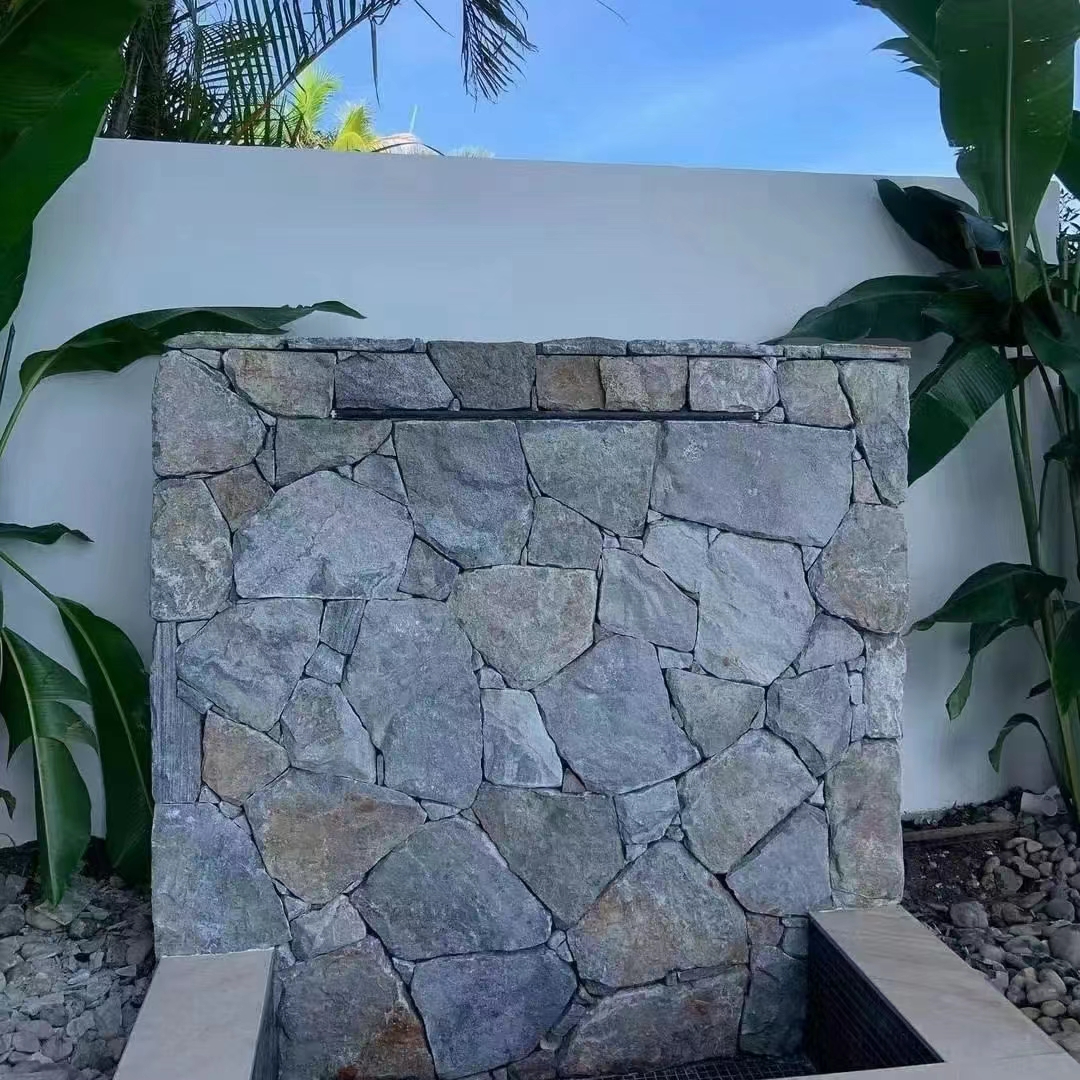
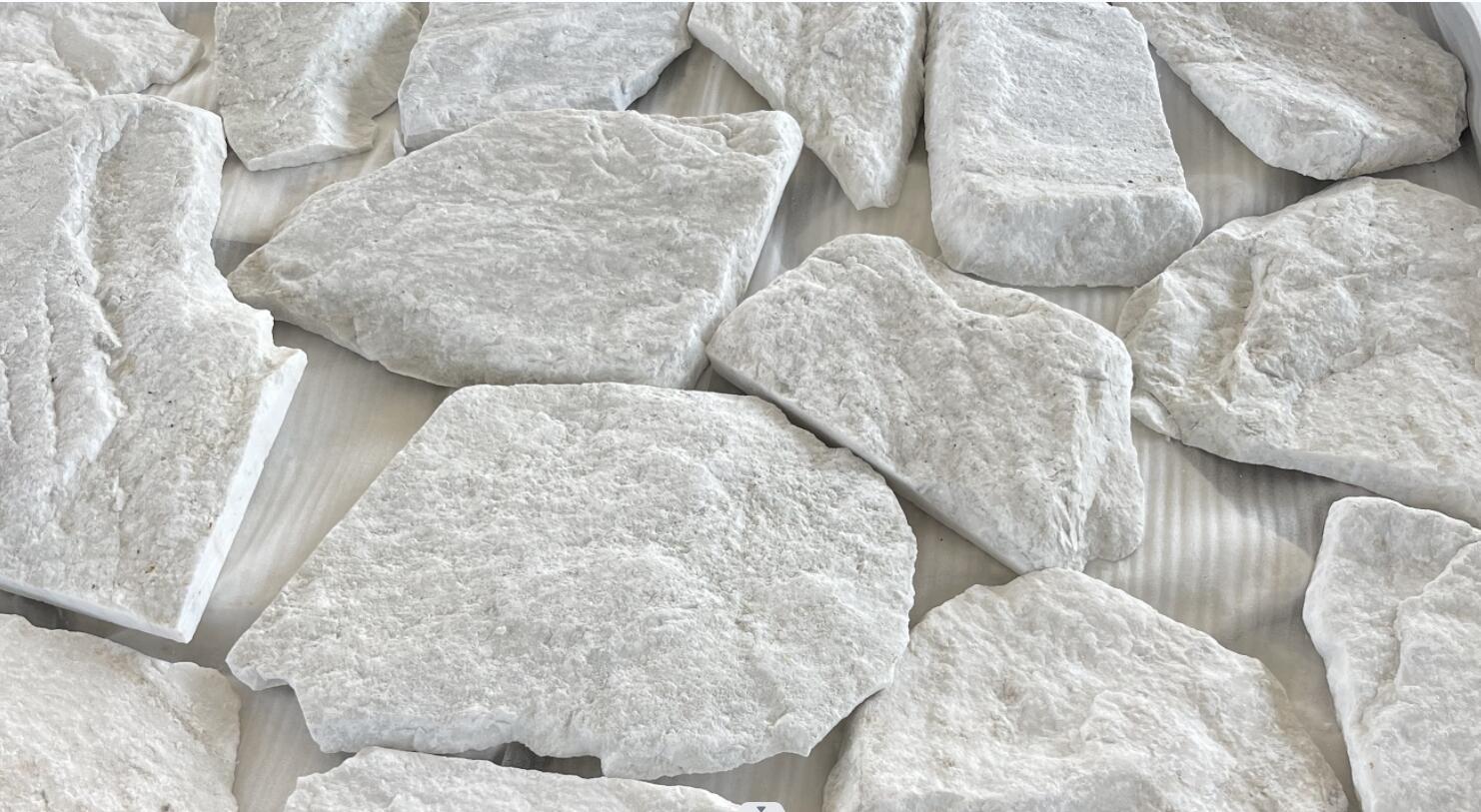
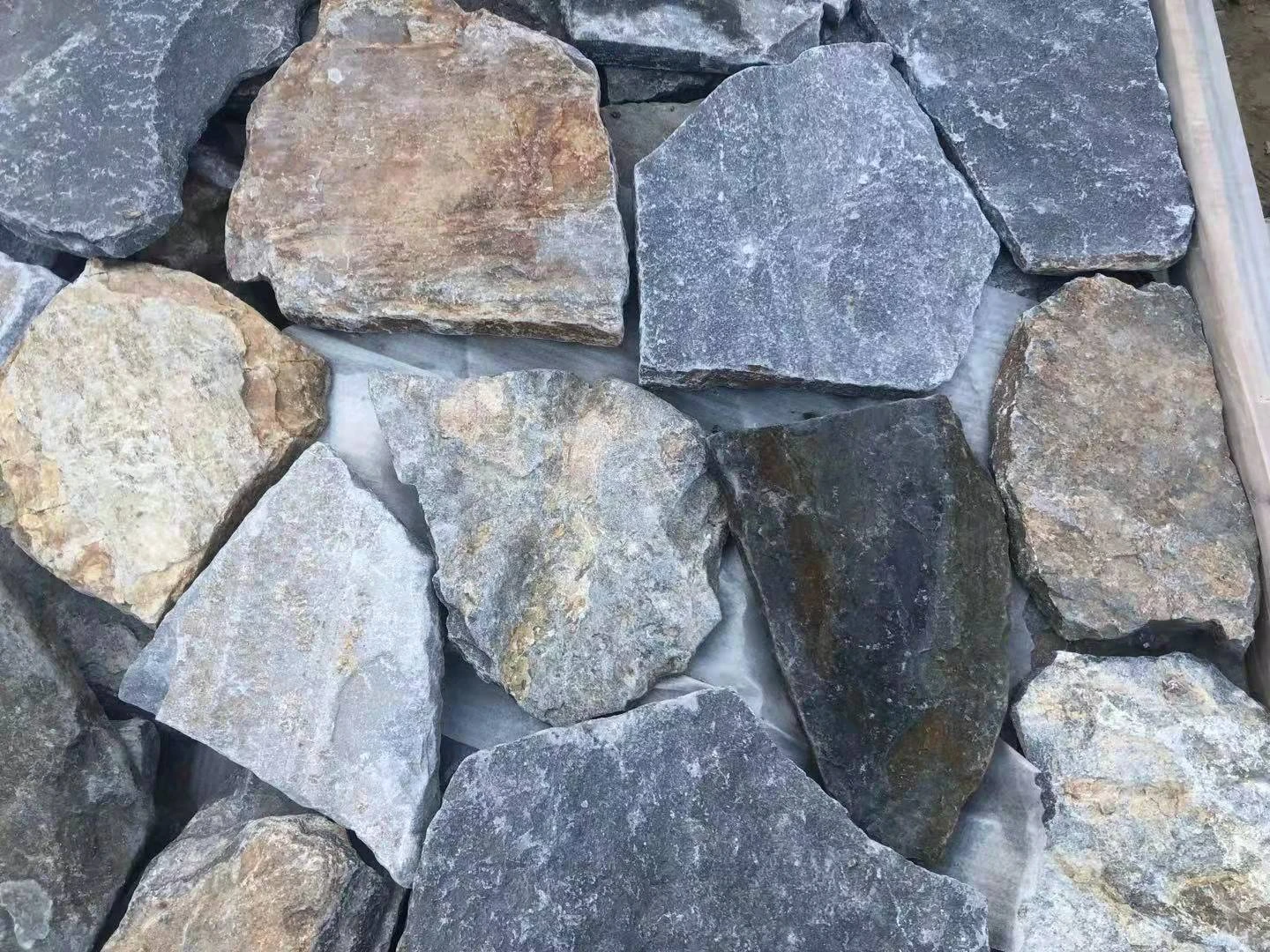
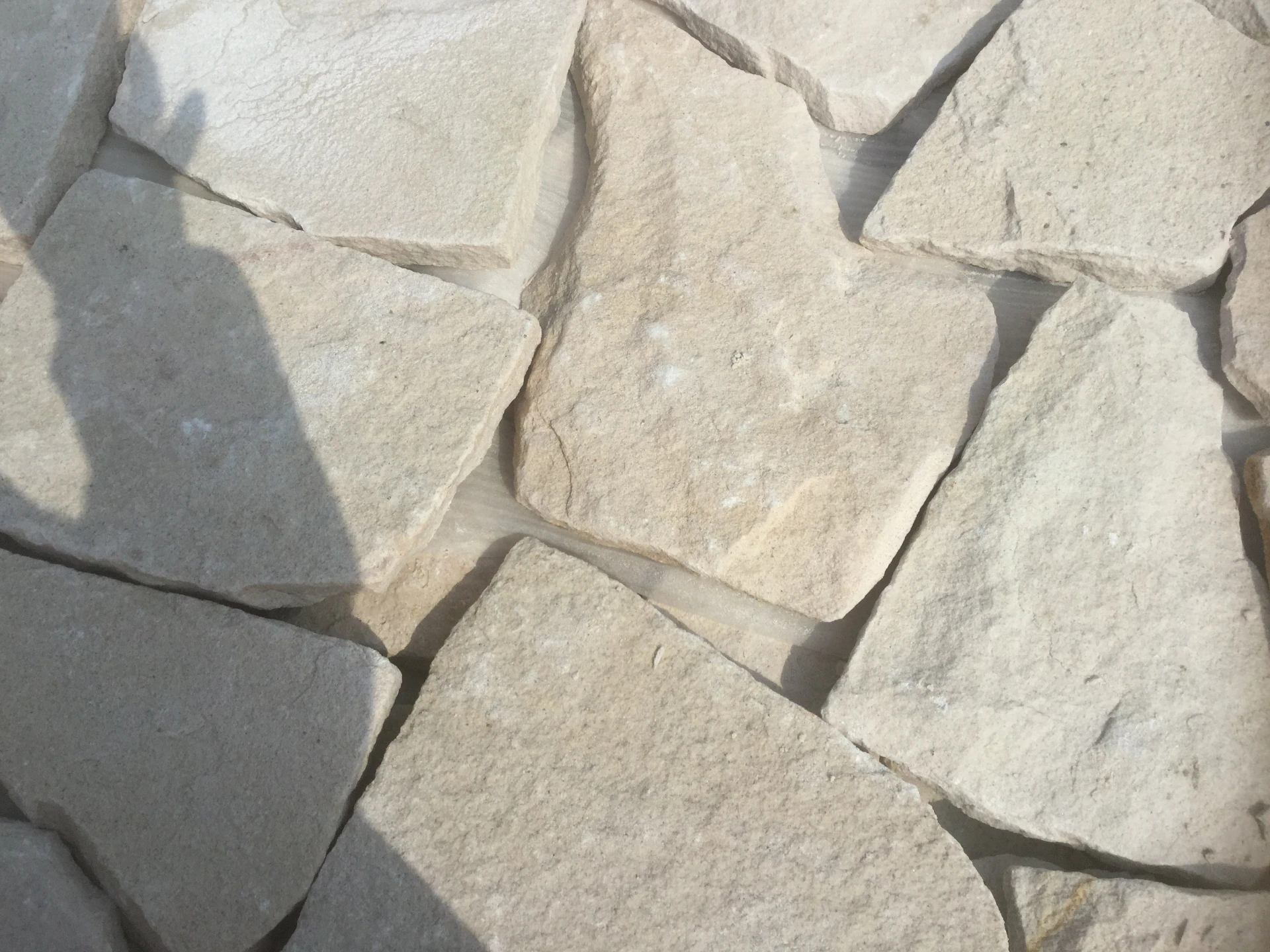
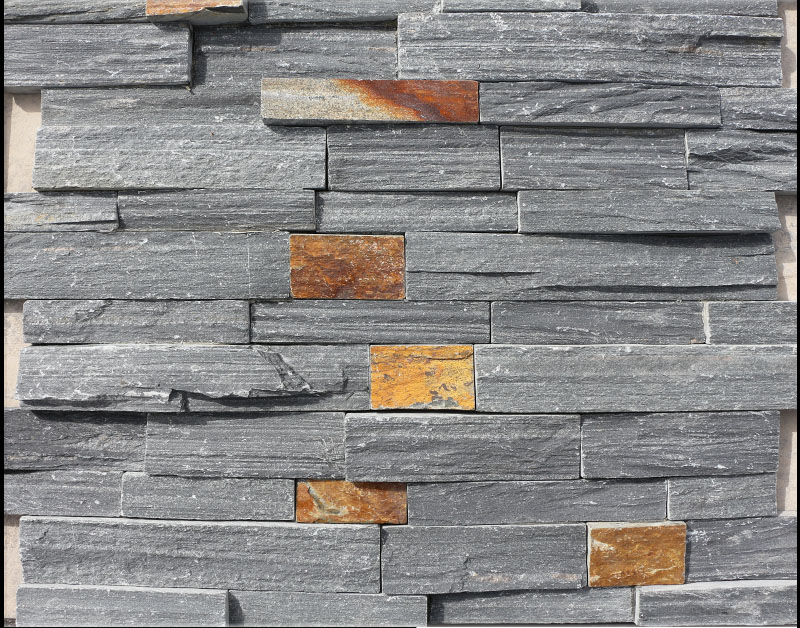
Stone cladding refers to the application of thin stone veneers onto walls and surfaces to create an attractive finish. It differs from traditional stone walls, which are often thick and heavy. Stone cladding is lighter, easier to install, and can be made from a variety of stones, each offering unique textures, colors, and patterns. Chinese stone cladding typically showcases a range of stunning natural stones, including granite, limestone, and sandstone, sourced directly from China’s diverse landscape.
Aesthetic Appeal
One of the primary reasons for choosing Chinese stone cladding is its aesthetic versatility. The rich geological history of China results in an impressive variety of stones that cater to different design preferences. Whether you’re looking for a rustic finish with rough-hewn natural stone or a sleek, modern look with polished granite, the options are nearly limitless. The warm earthy tones of Chinese sandstone can create a cozy atmosphere, while the cool grays of granite can lend a contemporary edge to any building.
Additionally, stone cladding can be tailored to suit both interior and exterior applications. In interior design, it can be used to create feature walls, fireplaces, or accent areas that draw the eye. Externally, it can be applied to the facades of homes, commercial buildings, or landscaping features, enhancing curb appeal and giving structures a timeless, elegant look.
Durability and Maintenance
Beyond aesthetics, durability is another key advantage of stone cladding. Chinese stones are renowned for their resilience and ability to withstand harsh weather conditions. This makes them an excellent choice for both residential and commercial projects. The natural properties of stone resist moisture, heat, and UV radiation, ensuring that the cladding retains its beauty over time.
Maintenance is relatively low as well. Unlike painted surfaces that may require frequent touch-ups or replacements, stone cladding mainly needs periodic cleaning to remove dirt and debris. High-quality stone can last for decades, making it a cost-effective choice in the long run.
Eco-Friendly Choice
As the world becomes increasingly aware of environmental issues, sustainable building materials are gaining traction. Stone cladding is often considered an eco-friendly option because it is made from natural materials and has minimal environmental impact. Additionally, many Chinese stone sources adhere to sustainable extraction practices, ensuring that the beauty of nature is preserved for future generations.
Versatile Applications
Chinese stone cladding can be applied in various settings, making it suitable for diverse architectural styles. From traditional Chinese architecture, where it may complement ornate designs, to modern minimalist buildings, stone cladding can beautifully bridge the gap between styles. It is often used in residential homes, hotels, office buildings, and even public structures, providing a sense of grandeur and permanence.
Conclusion
Incorporating Chinese stone cladding into architectural designs presents a unique opportunity to fuse beauty with practicality. It enhances the visual appeal of structures while offering durability and low maintenance. As designers and homeowners look for ways to elevate their spaces, stone cladding stands out as a timeless choice that celebrates the natural beauty of stone. With its vast range of textures and colors, it invites creativity and personalization, ensuring that each project is as unique as its designer. Ultimately, Chinese stone cladding is not just a material; it is a statement of elegance and sustainability in the realm of construction and design.