Exploring High-Quality Stone Panel Suppliers
In the realm of architecture and design, the choice of materials can significantly influence both the aesthetics and functionality of a space. Among the variety of materials available, stone panels have gained substantial popularity due to their durability, elegance, and versatility. This article delves into the importance of sourcing high-quality stone panels and highlights key factors to consider when selecting suppliers in this competitive industry.
What are Stone Panels?
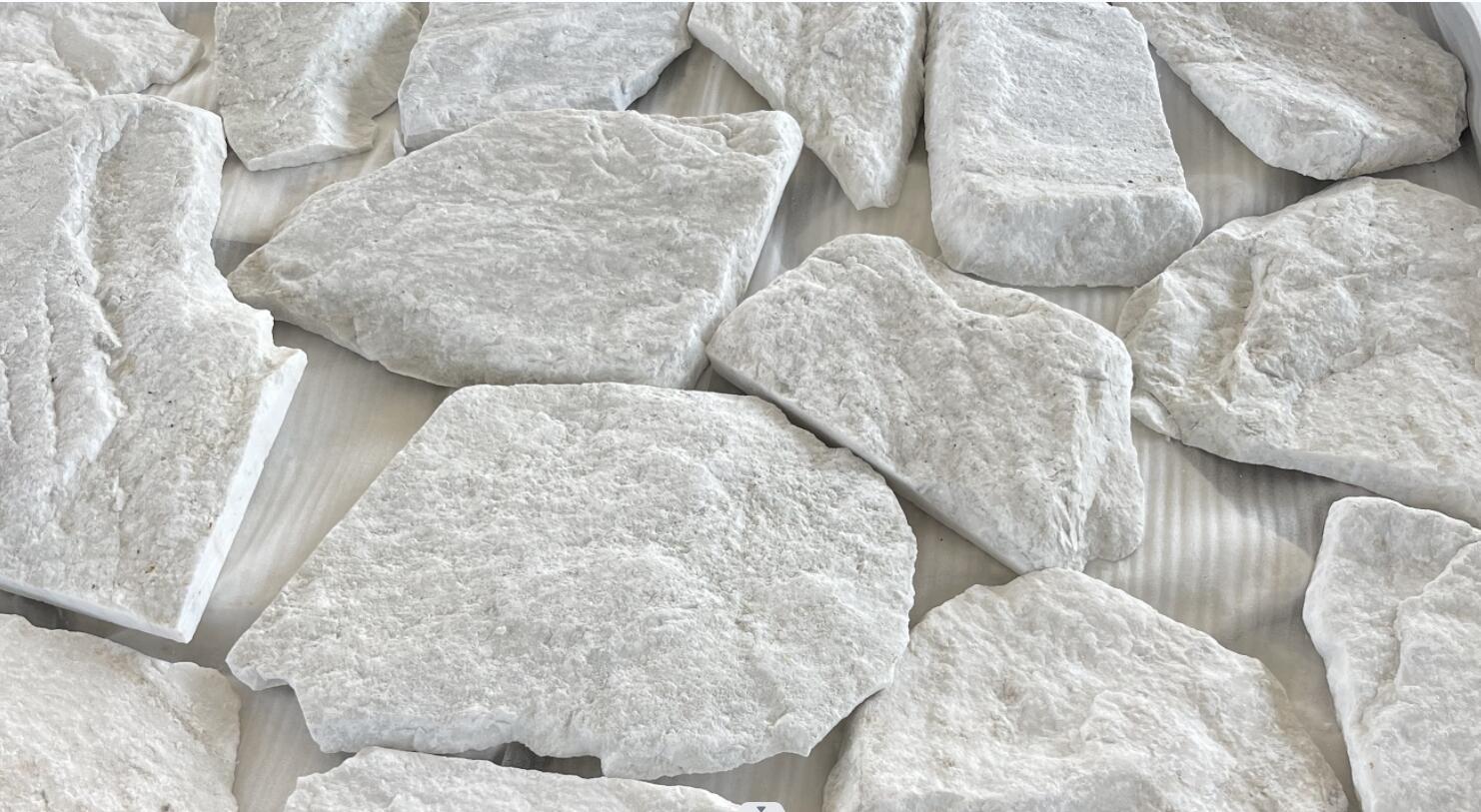
Stone panels are manufactured products made from natural stone or engineered stone. They offer an authentic natural appearance while often being lighter and easier to install than traditional stone slabs. These panels can be used in a multitude of applications, from exterior facades to interior wall coverings, providing a sophisticated finish to residential and commercial projects alike. Their capacity to blend with different styles, ranging from rustic to modern, makes them a favored choice among designers and architects.
The Importance of Quality
When it comes to stone panels, quality is paramount. High-quality stone panels not only enhance the visual appeal of a space but also contribute to its longevity and structural integrity. Inferior panels may suffer from issues such as cracking, fading, or poor adhesion, leading to costly repairs and replacements. Therefore, it is essential to partner with reputable suppliers known for their product excellence.
Factors to Consider When Choosing Suppliers
1. Material Sourcing One of the first things to look into is where the supplier sources their stone. High-quality stone should come from recognized quarries renowned for their superior natural resources. Suppliers that emphasize ethical sourcing practices ensure that the materials are not only high-grade but also environmentally sustainable.

2. Manufacturing Processes The techniques used in the production of stone panels significantly influence their quality. Look for suppliers that employ advanced technology in manufacturing processes. Companies that invest in cutting-edge equipment produce panels with consistent thickness, superior finishes, and enhanced durability.
3. Customization Options High-quality suppliers often provide customization options. Stone panels can be tailored in terms of size, finish, and even texture, allowing for a personalized aesthetic that fits the specific needs of a project. This flexibility is crucial in achieving a unique look while ensuring that the material performs well in specific environments.
4. Certifications and Standards Check whether the suppliers adhere to industry standards and have relevant certifications. Compliance with international quality and safety standards indicates a commitment to producing reliable products. Certifications can also provide assurance regarding the material’s performance, such as fire resistance, weather durability, and maintenance requirements.
5. Portfolio and References A reputable supplier will have a comprehensive portfolio showcasing previous projects. Reviewing their work gives potential customers insight into the quality of their products and the versatility of their applications. Additionally, seek references or testimonials from prior clients to gauge customer satisfaction.
6. After-Sales Support The relationship with a supplier does not end after the sale. Quality customer support is vital in addressing any concerns or issues that may arise post-installation. Suppliers that provide robust after-sales support demonstrate their commitment to customer satisfaction and product reliability.
Conclusion
As the demand for high-quality stone panels continues to rise, selecting the right supplier becomes increasingly crucial. By considering factors such as material sourcing, manufacturing processes, customization options, certifications, portfolio, and after-sales support, architects and designers can make informed decisions that enhance their projects. High-quality stone panels not only reflect an investment in aesthetics but also in durability and value, ensuring that spaces maintain their charm and functionality for years to come. In a market where quality varies greatly, prioritizing these criteria will lead to successful collaborations and outstanding design outcomes.