The Charm and Versatility of Natural Stones A Guide for Suppliers
Natural stones have long been a cherished material in architecture, landscaping, and interior design due to their timeless beauty and durability. As suppliers of natural stones, we find ourselves at the intersection of nature’s artistry and human creativity, echoing the ancient practices while catering to modern aesthetic needs. This article will explore the appeal of natural stones, the different types available, and key considerations for suppliers in the market.
The Allure of Natural Stones
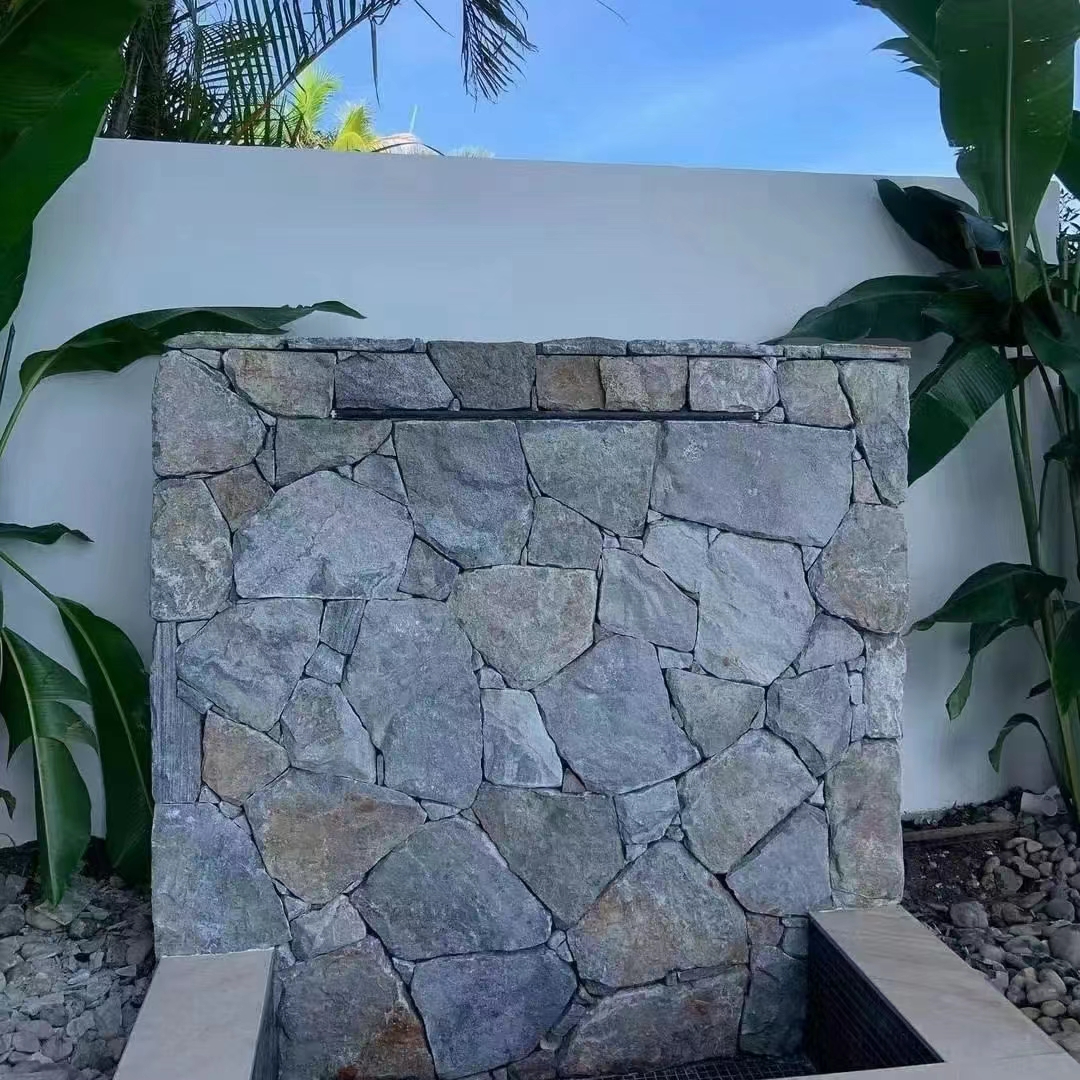
Natural stones are unique. Each piece possesses its own characteristics, including color, texture, and pattern, thanks to the geological processes that shaped them over millions of years. This uniqueness adds value to the finished products, whether they are used in construction, decorative pieces, or landscaping materials. Unlike synthetic alternatives, natural stones exude an organic charm that resonates with consumers looking for authenticity and sustainability in their choices.
Types of Natural Stones
1. Granite Renowned for its strength and resistance to scratching and heat, granite is a popular choice for kitchen countertops, flooring, and monuments. Its availability in a myriad of colors and patterns makes it appealing for both modern and traditional designs.
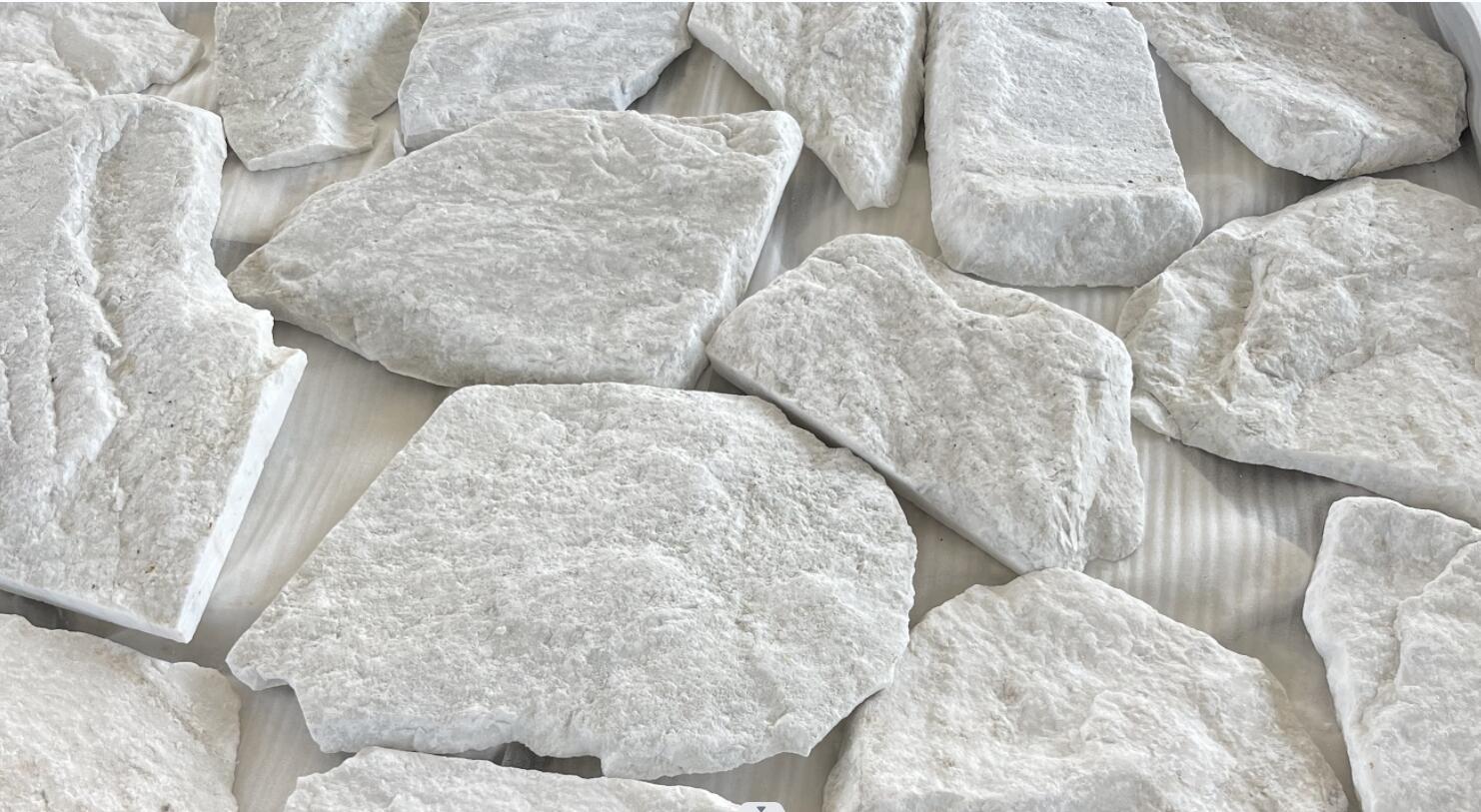
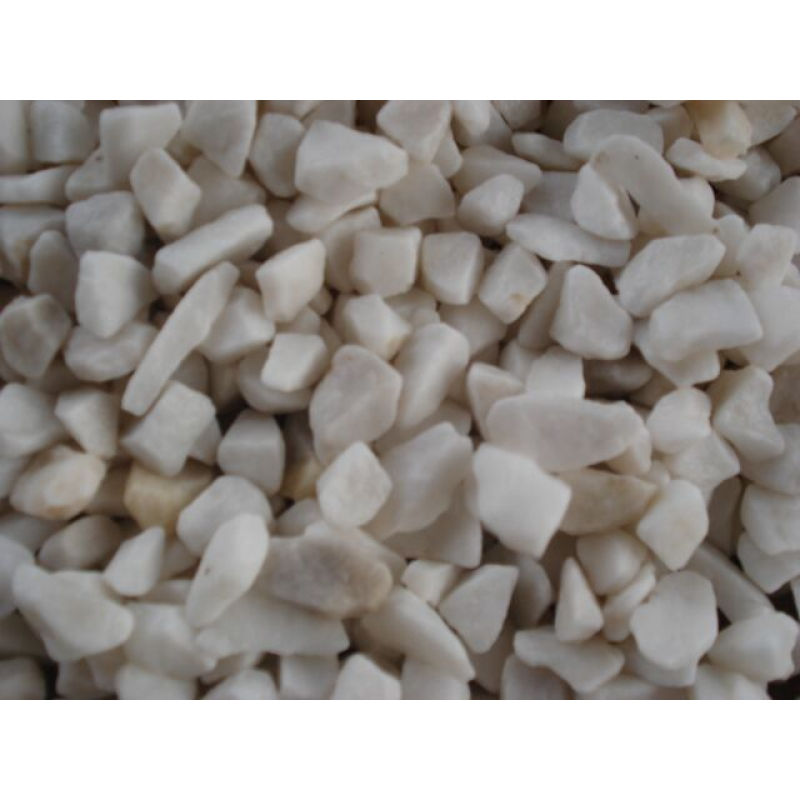
2. Marble Valued for its elegance, marble is often used in high-end interiors, including bathrooms and living rooms. Although softer than granite, its stunning veining and wide range of colors offer unparalleled aesthetic options.
3. Limestone This sedimentary rock comes in subtle shades and is often used in landscaping and architectural applications. Its softness makes it easier to work with, making it a preferred choice for sculptors and builders alike.
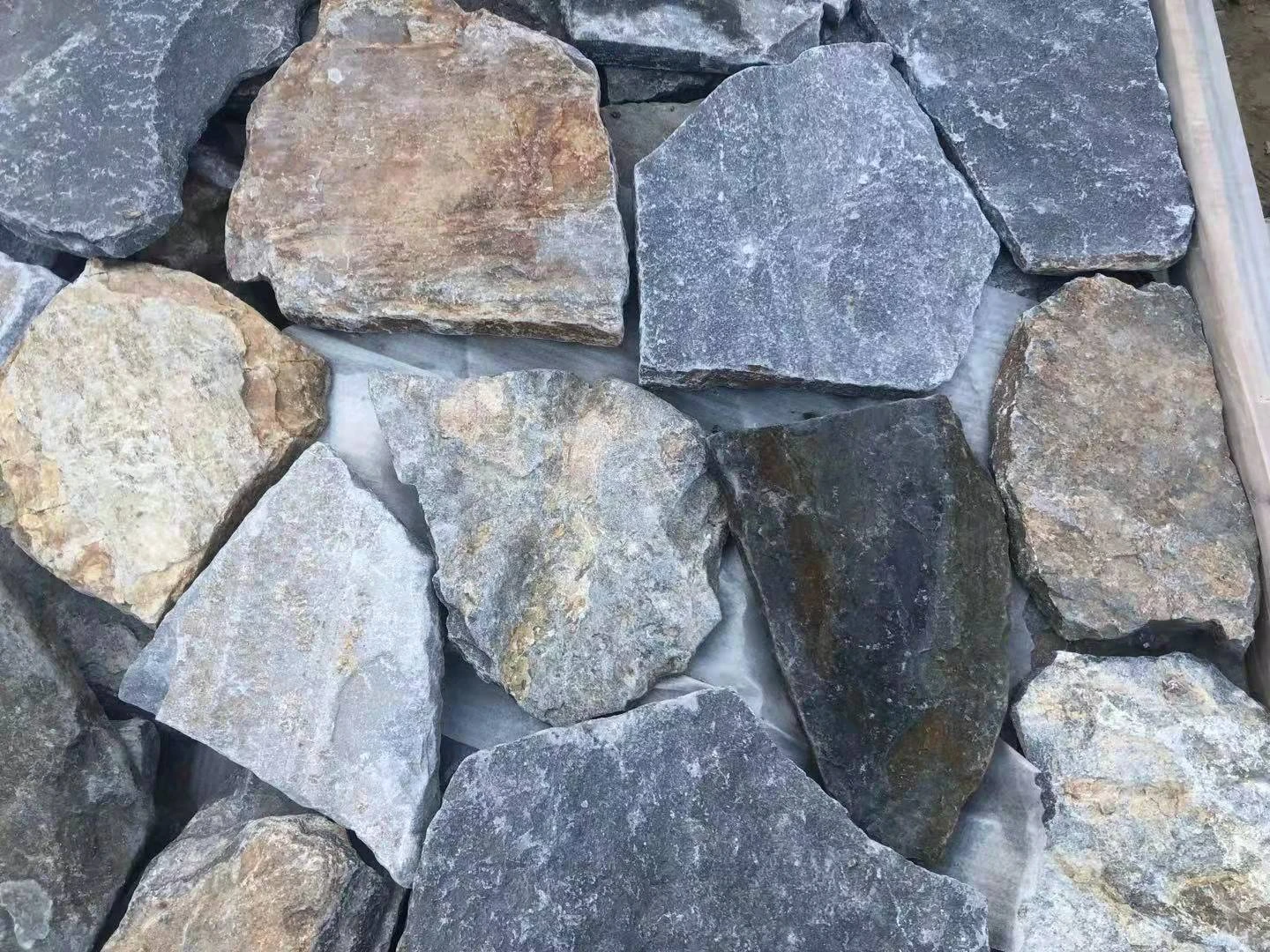
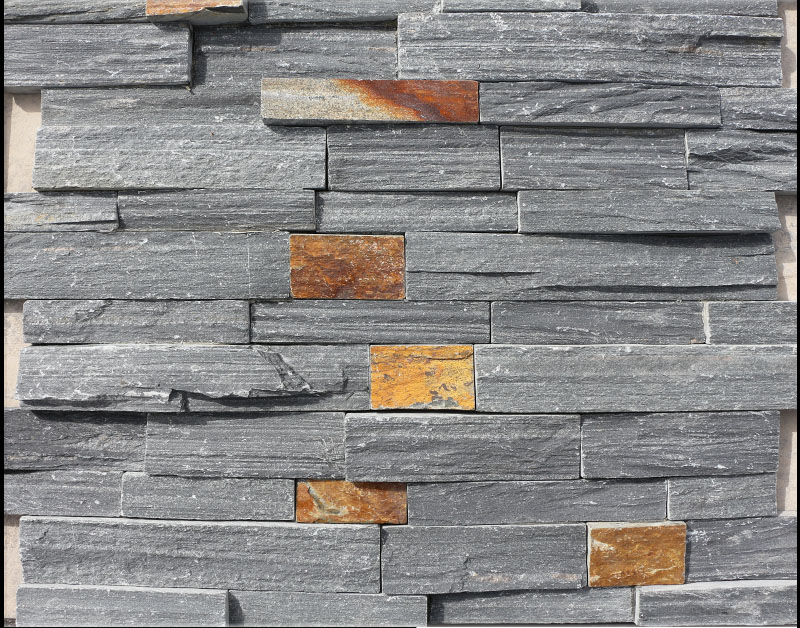
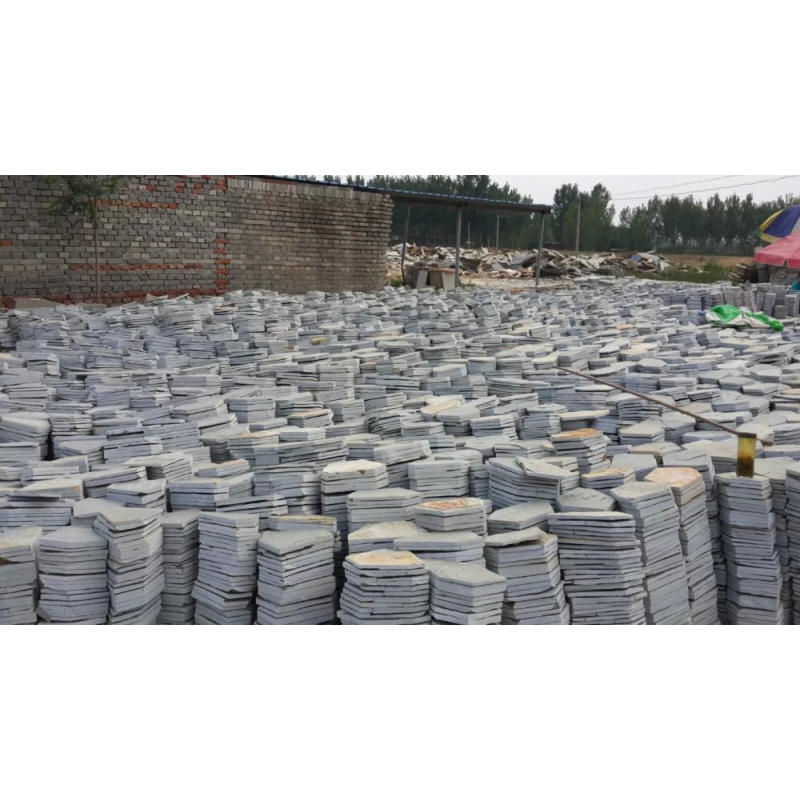
4. Slate With its rich, muted colors, slate provides an excellent choice for flooring and roofing. Its natural cleft surfaces lend a rustic appeal that is highly sought after in both interior and exterior applications.
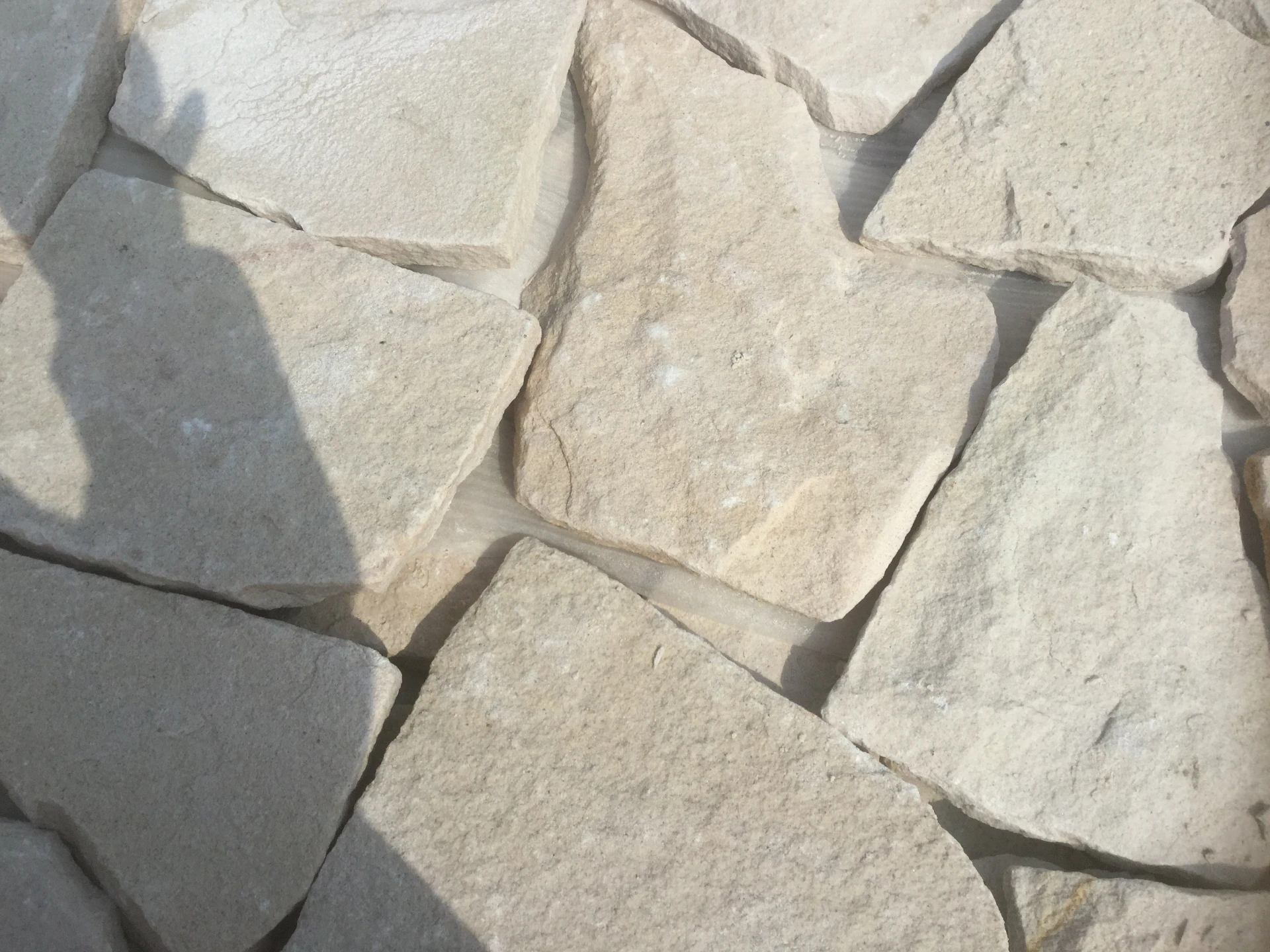
5. Sandstone Known for its versatility, sandstone is often used in paving, siding, and as building stone. Its warm hues and textured surfaces bring a welcoming feel to a space.
Key Considerations for Suppliers
As a natural stones supplier, understanding the market dynamics and consumer preferences is paramount. Here are a few aspects to consider
- Quality and Sourcing Establishing relationships with reputable quarries ensures that you can provide high-quality stones. Transparency in sourcing not only builds trust with customers but also aligns with the growing demand for ethically sourced materials.
- Customization Offering customized sizes and finishes can set your business apart. Many clients prefer tailored solutions that meet their specific project requirements.
- Education Many consumers and contractors are not fully aware of the characteristics of different stones. Providing educational materials about the maintenance, durability, and appropriate applications of various natural stones can enhance customer experience and increase sales.
- Sustainability In today’s eco-conscious world, promoting the sustainability of natural stones can attract environmentally aware customers. Highlighting the natural formation process, low maintenance, and longevity of natural stones can help position them as a responsible choice.
- Trends and Innovation Staying attuned to design trends and innovations in stone applications will keep your offerings relevant. Collaborating with designers and architects can provide insights into emerging styles and preferences.
Conclusion
Natural stones are not just building materials; they are embodiments of nature’s elegance and resilience. As suppliers, embracing the intrinsic beauty and versatility of these stones allows us to cater to a diverse clientele, from builders to individual homeowners seeking to imbue their spaces with natural charm. By focusing on quality, customization, sustainability, and education, suppliers can thrive in this vibrant industry, helping to create environments that resonate with the timeless appeal of natural stones. As we look to the future, our role not only as suppliers but as custodians of this natural heritage will continue to shape the landscapes and interiors of tomorrow.