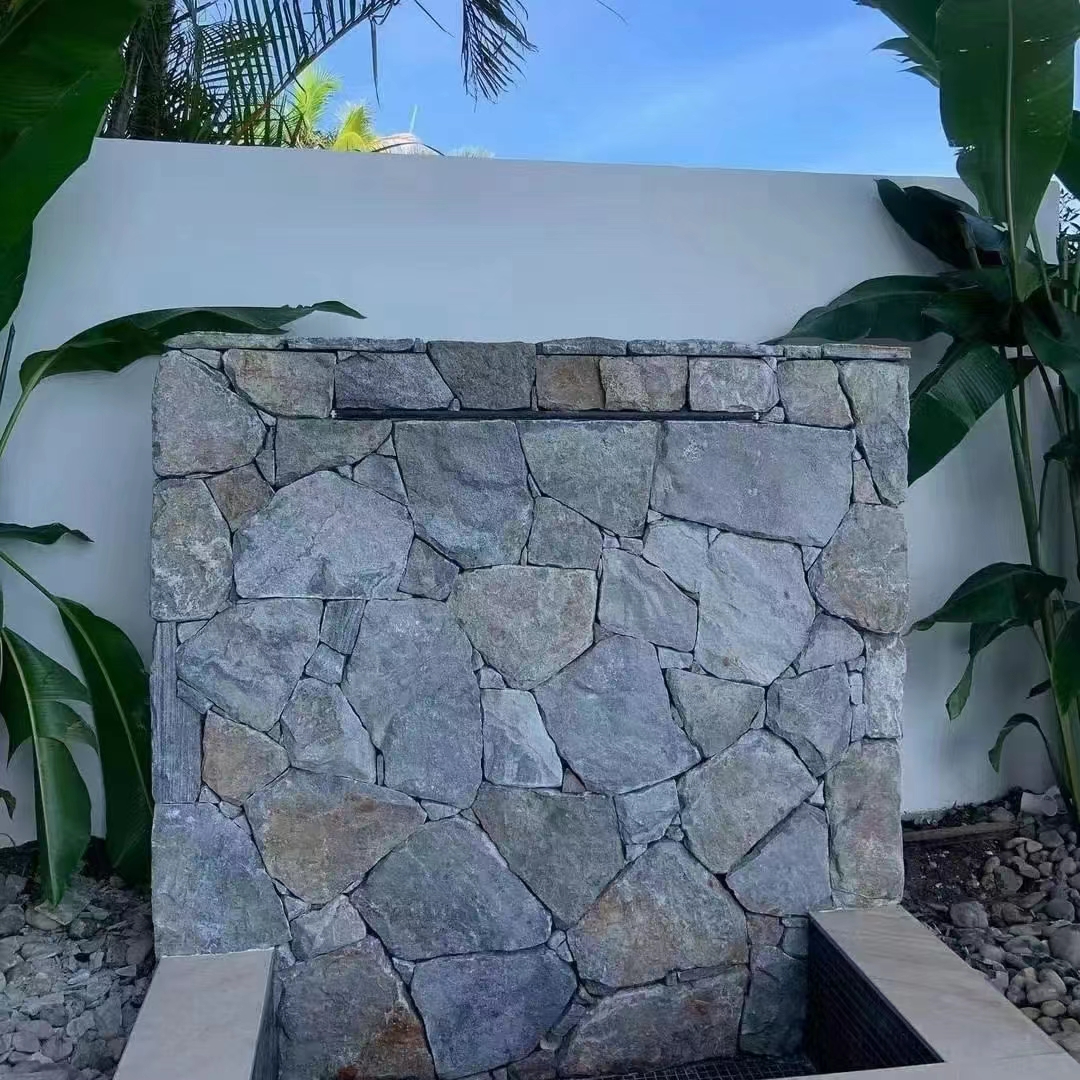
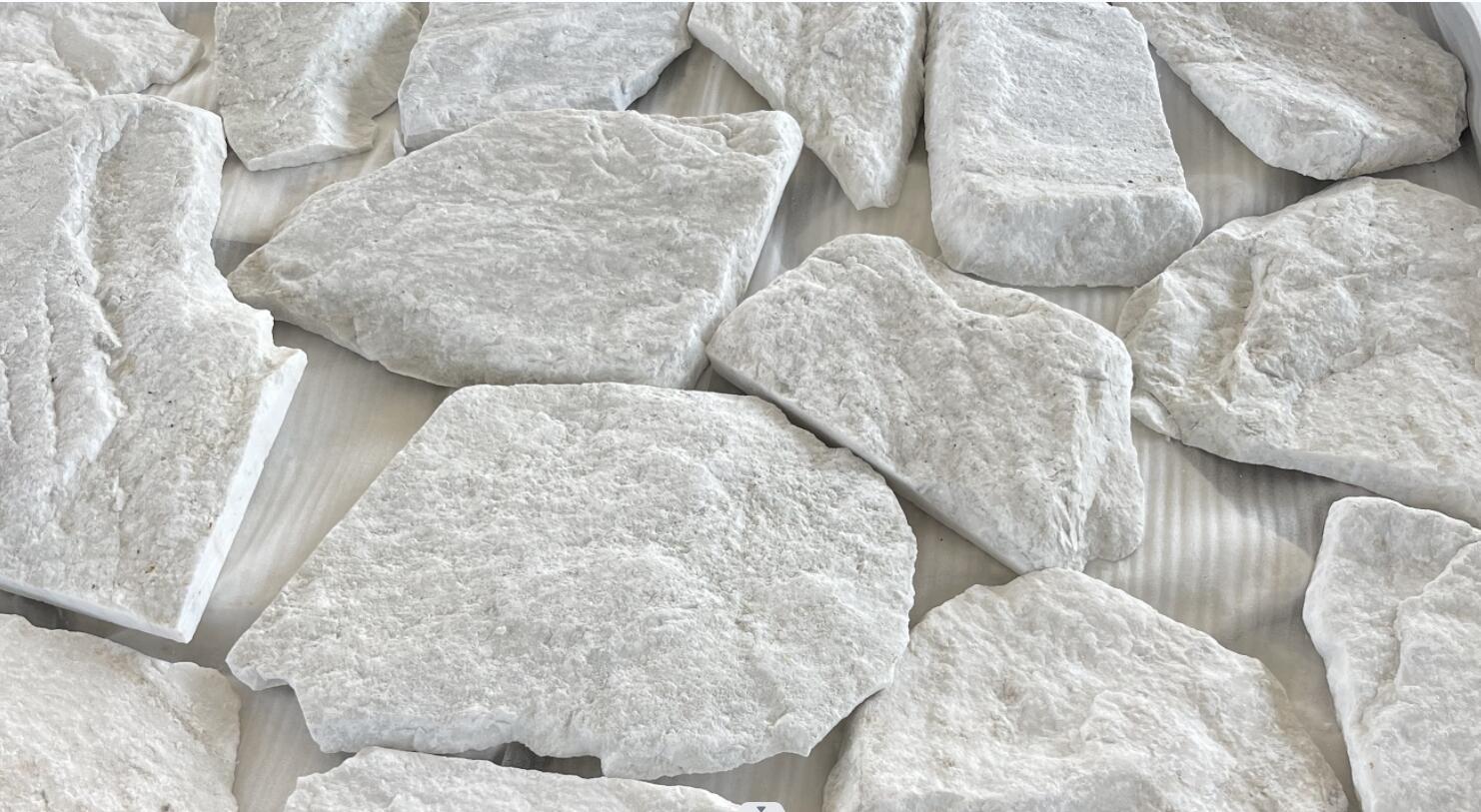
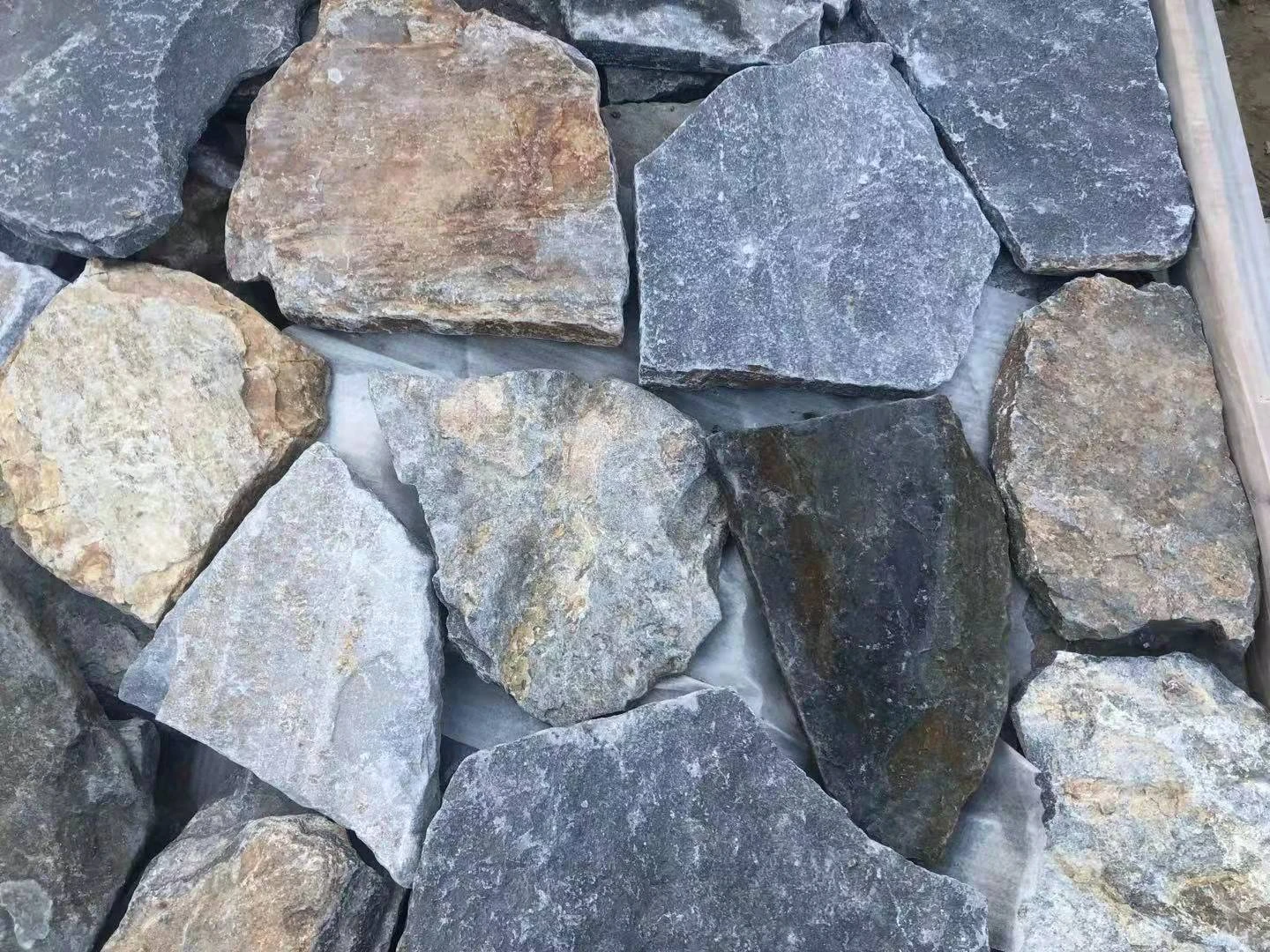
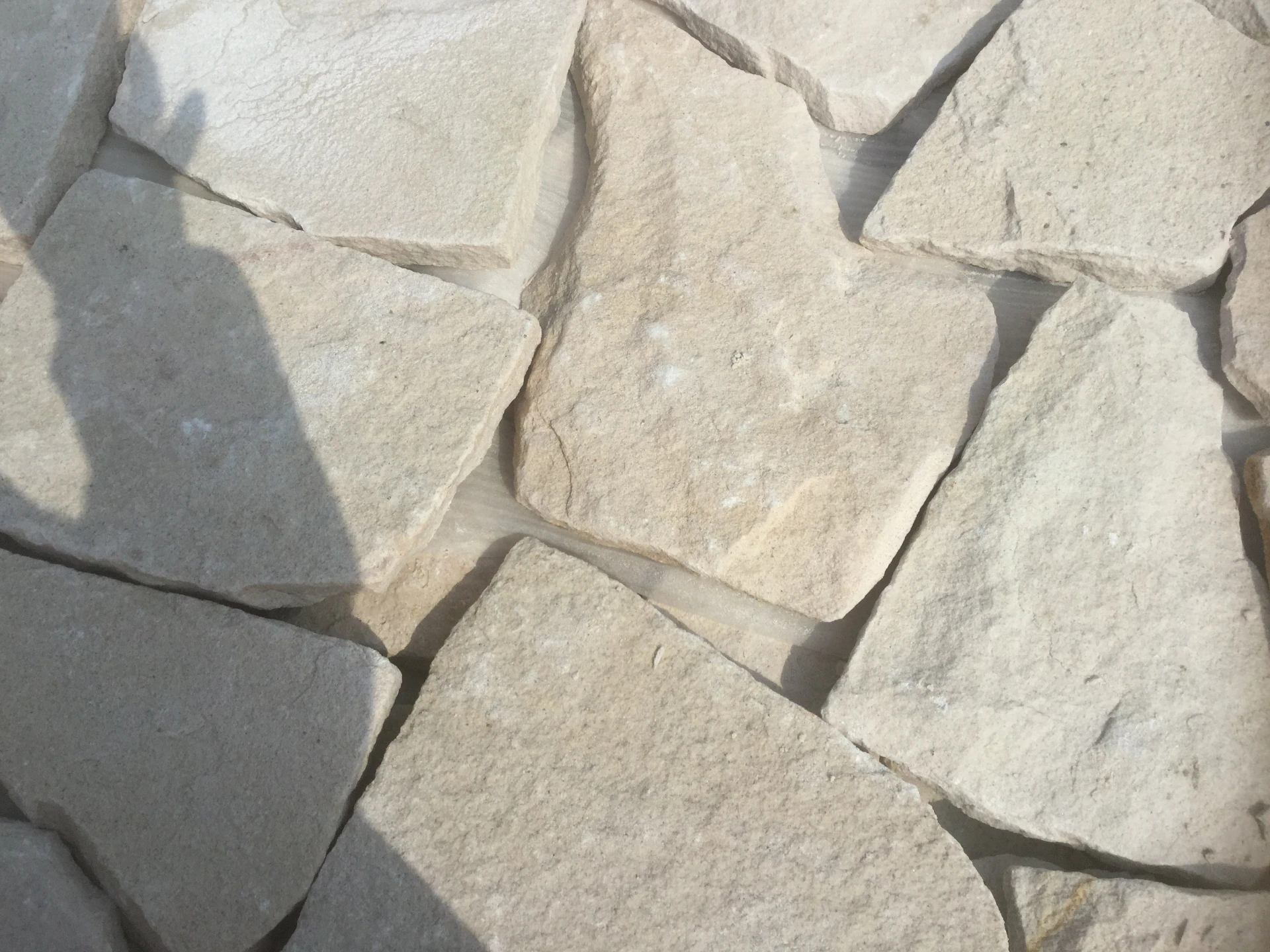
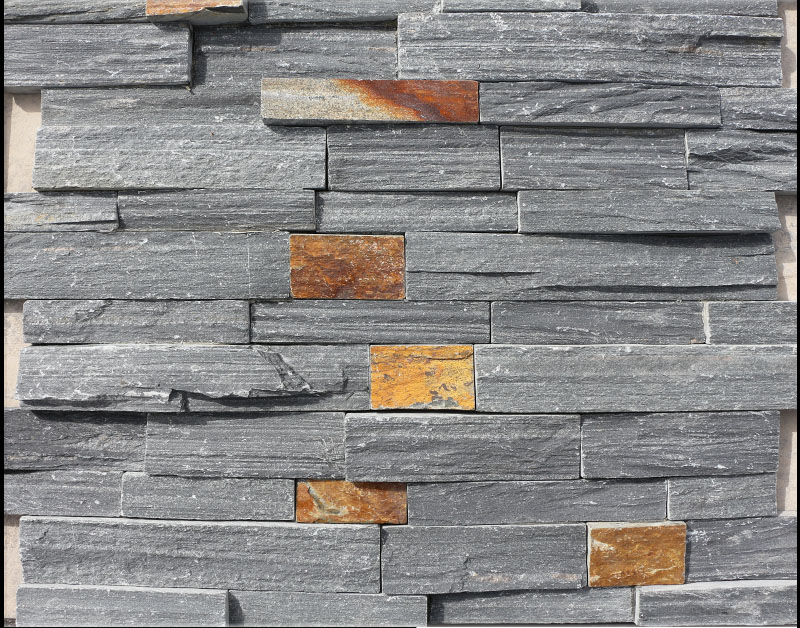
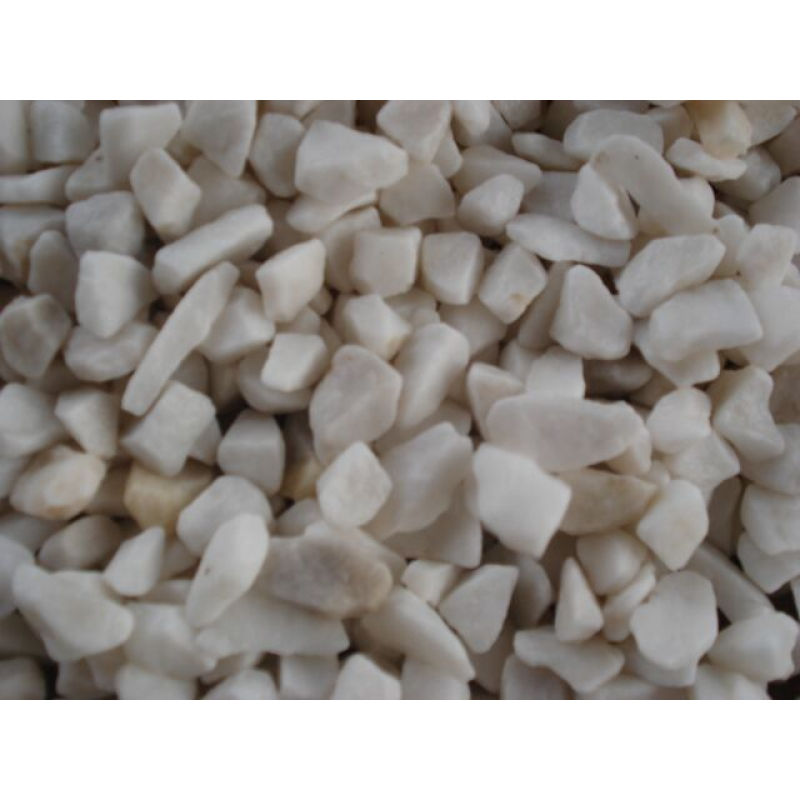
Stone veneer is rapidly becoming a favorite choice among homeowners and architects alike, offering the aesthetic appeal of natural stone without the added weight and expense. At its core, stone veneer is a thin layer of stone or a stone-like material used to cover surfaces for decorative purposes, and its applications make it a versatile choice for both interior and exterior designs.
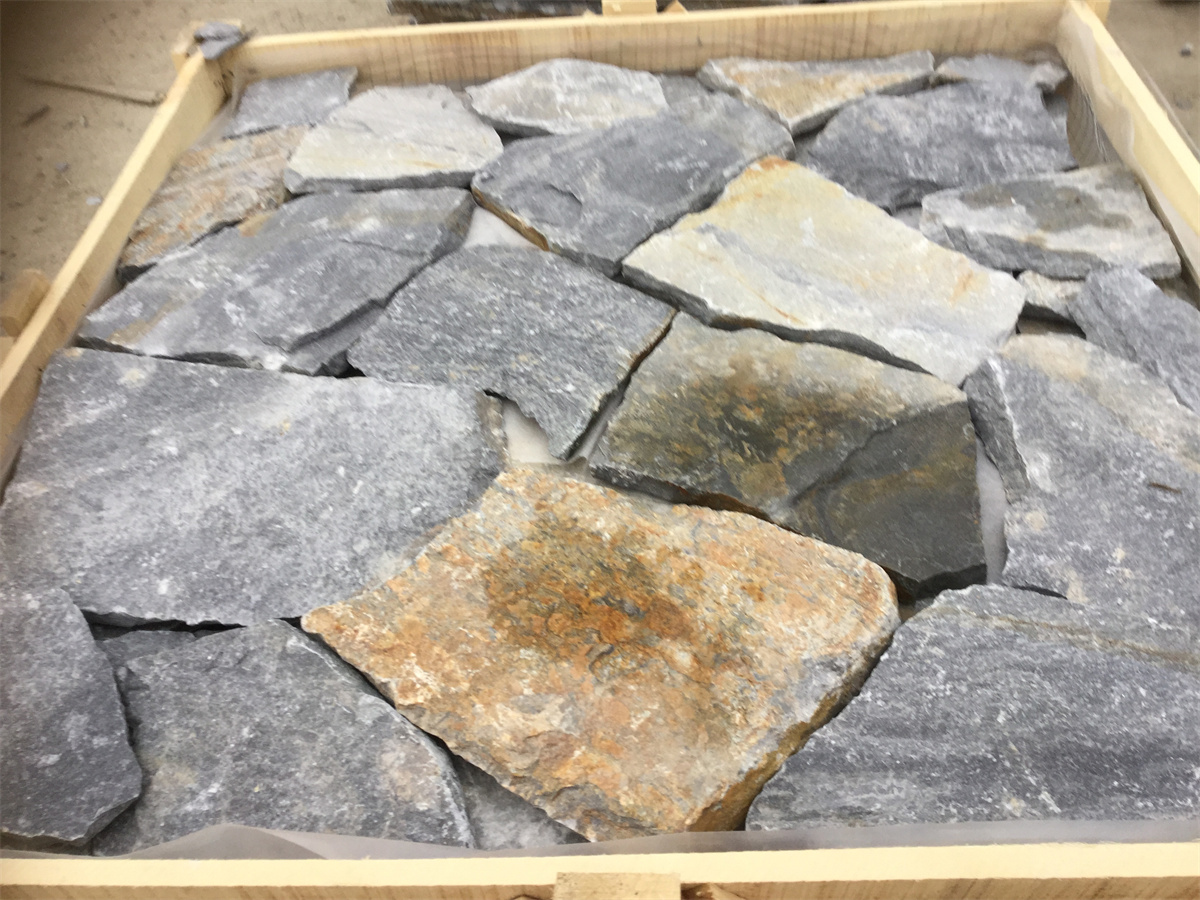
The creation of stone veneer involves a meticulous process where natural stones are cut to uniform thickness, or alternatively, lightweight fiberglass-based panels that mimic stone textures are manufactured. This diversity allows users to select options tailored to their specific needs, whether they prioritize natural beauty or installation ease.
Installation is straightforward, and due to the lighter weight compared to traditional stone, stone veneer does not require extensive structural support. This advantage significantly reduces the labor costs and the time required for installation, making it an economical choice for large-scale projects or simple home renovations. Furthermore, it can be applied to a variety of substrates, including concrete, plywood, metal, and even drywall, expanding its usability across different construction projects.
Experts in architectural design emphasize that stone veneer not only enhances the aesthetic value of a structure but also contributes to its durability. Being resistant to weather extremes, it provides an extra layer of protection to homes, maintaining its look and integrity through time. For instance, when used in exterior applications, stone veneer offers a barrier against wind and water, reducing the risk of damage to the underlying structure.
From a professional perspective, stone veneer is celebrated for its adaptability. Architects appreciate its range of styles, colors, and textures, enabling them to achieve varied looks from rustic to contemporary. This broad spectrum of design possibilities makes stone veneer an ideal solution for projects aiming to achieve specific aesthetic outcomes.
As an authoritative choice for sustainable building materials, stone veneer aligns with eco-friendly practices. Its production process typically involves less waste compared to full-dimensional stone, and many manufacturers offer options made from recycled materials, further minimizing its ecological impact.
Homeowners have shared positive experiences with stone veneer, noting how it elevates the curb appeal of their homes without the prohibitive costs associated with natural stone. Moreover, its relatively low maintenance requirements compared to other materials have made it particularly attractive. A simple periodic cleaning is generally sufficient to keep it looking pristine.
Installers and builders trust stone veneer for its ease of handling and cutting. The panels can be easily customized onsite to fit complex architectural details, making it an efficient choice for intricate designs. This adaptability not only streamlines the installation process but also allows for a high degree of precision and customization.
In conclusion, stone veneer is gaining traction not just for its aesthetic versatility and economic advantages, but also for its contributions to sustainable building practices. Whether updating a living room with a new fireplace surround or cladding the exterior of a commercial building, stone veneer provides an elegant solution that combines form and function. As a testament to its quality and reliability, stone veneer remains a top recommendation from industry experts for anyone looking to invest in a robust and aesthetically pleasing architectural accent.