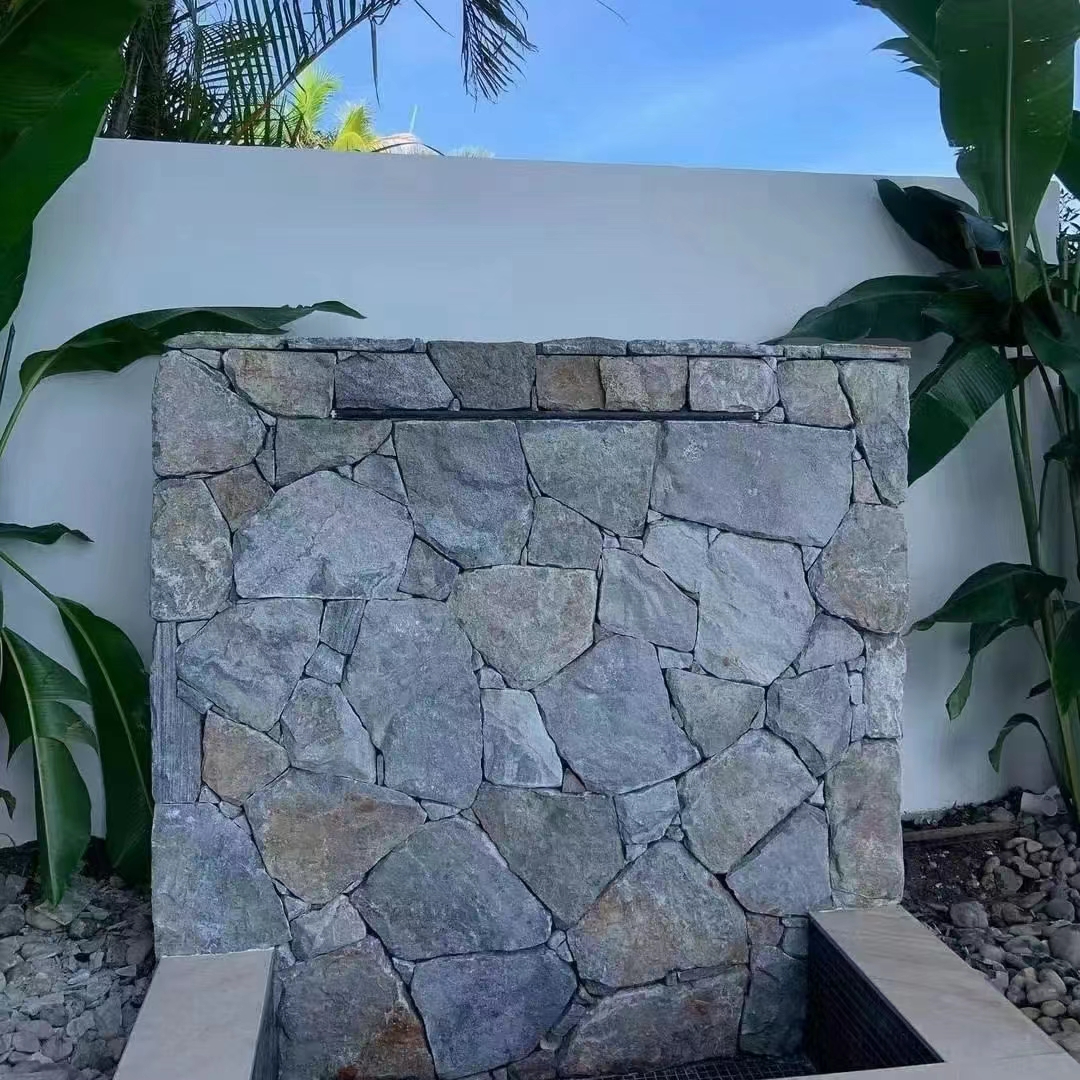
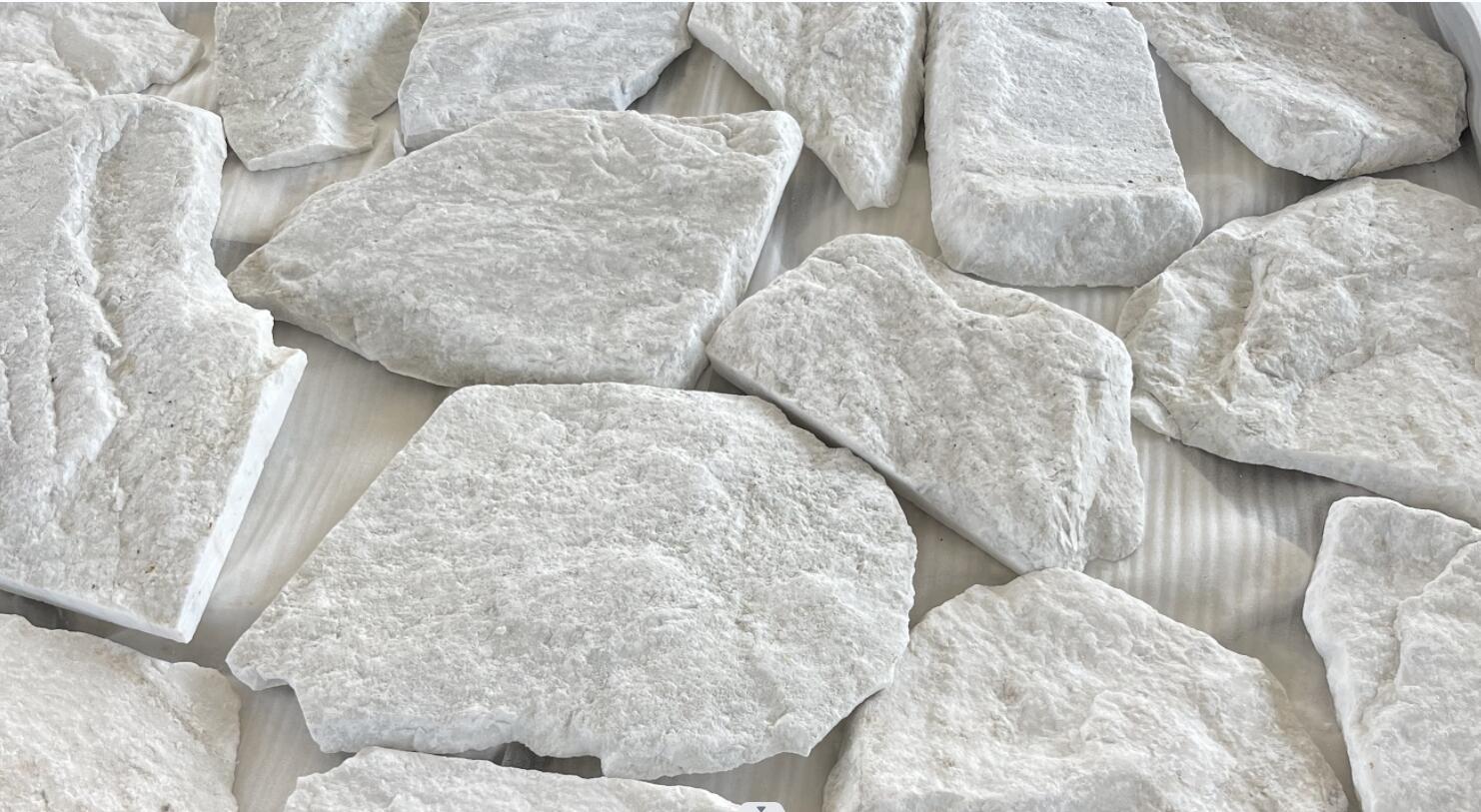
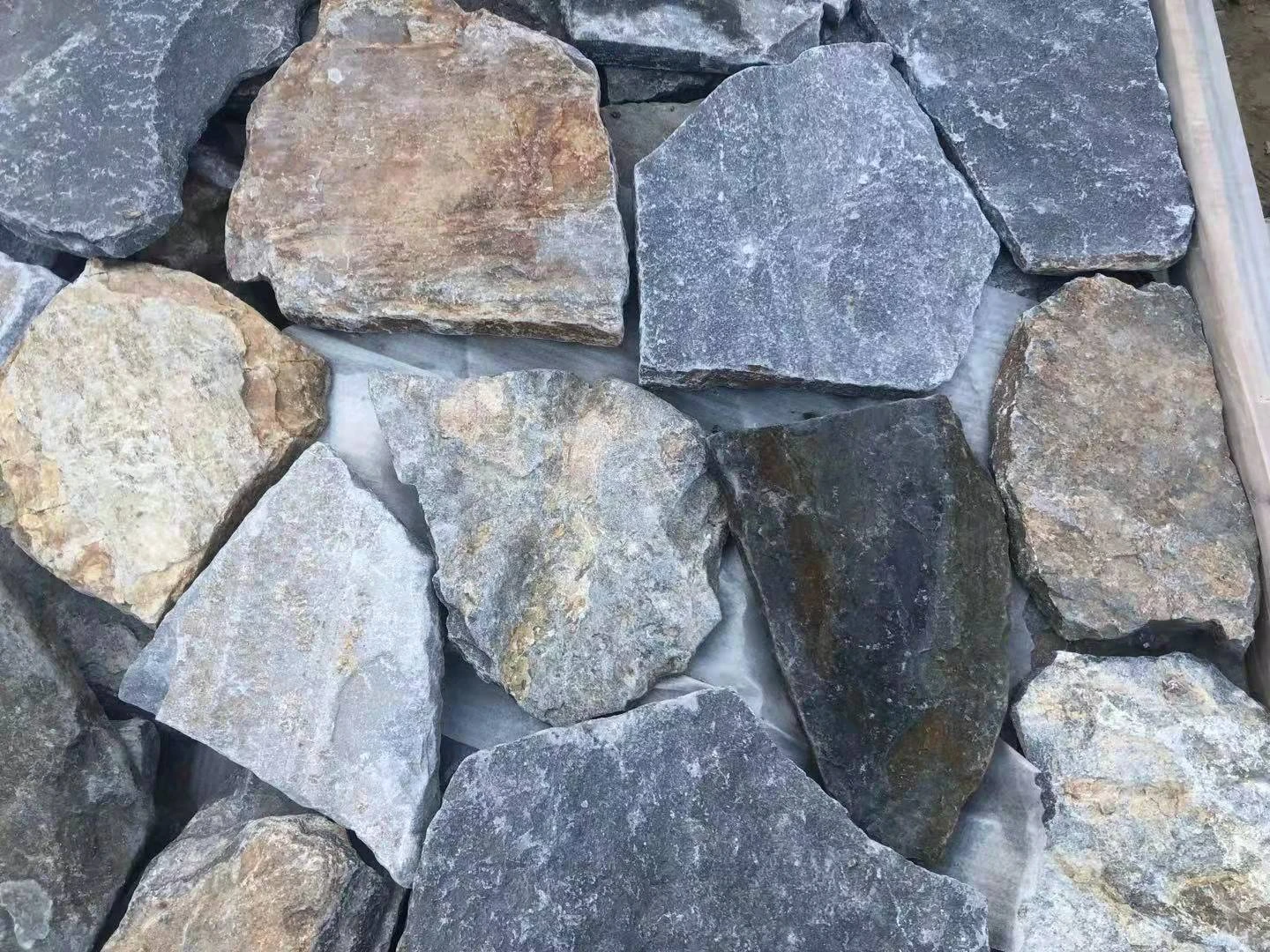
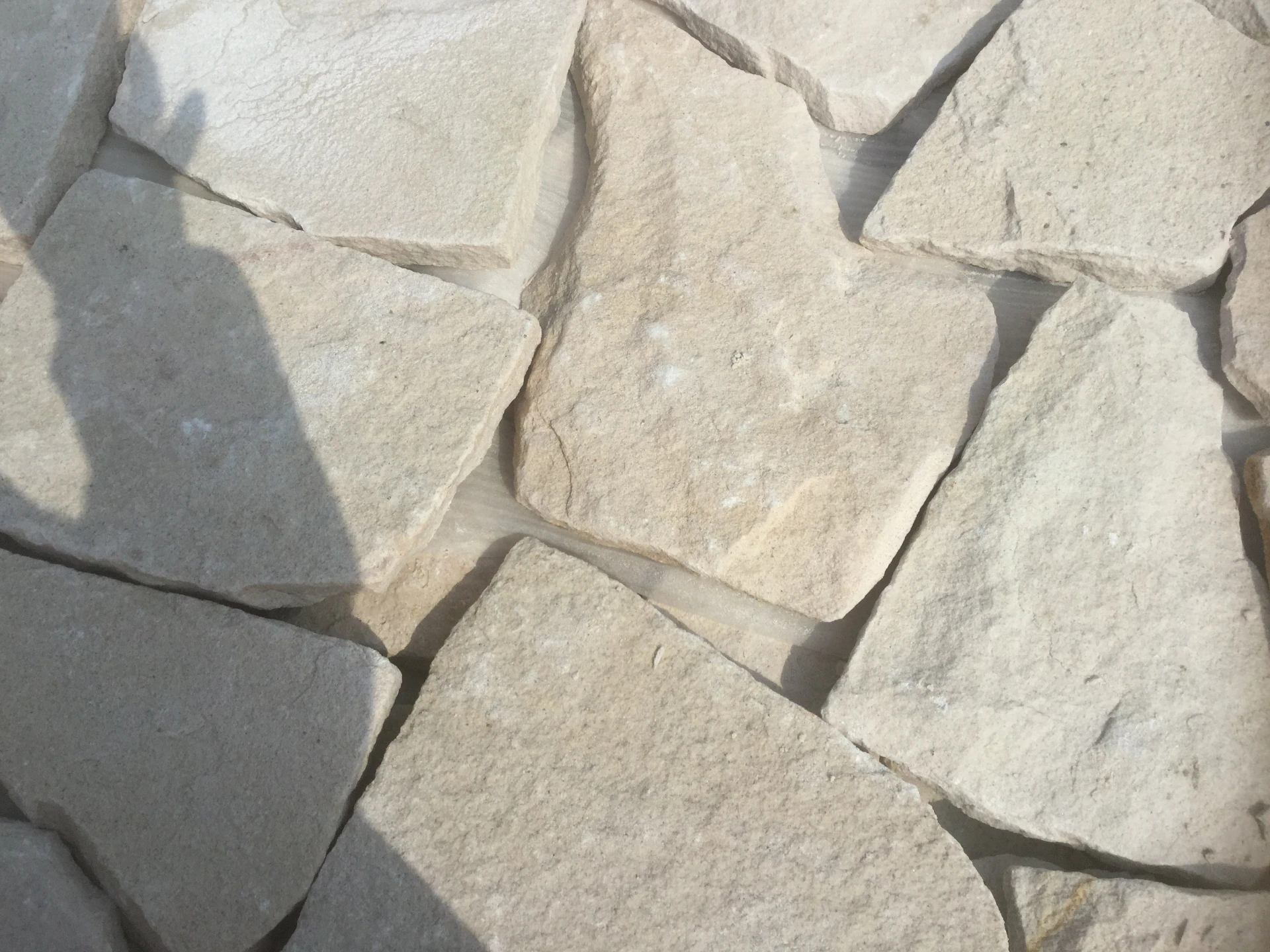
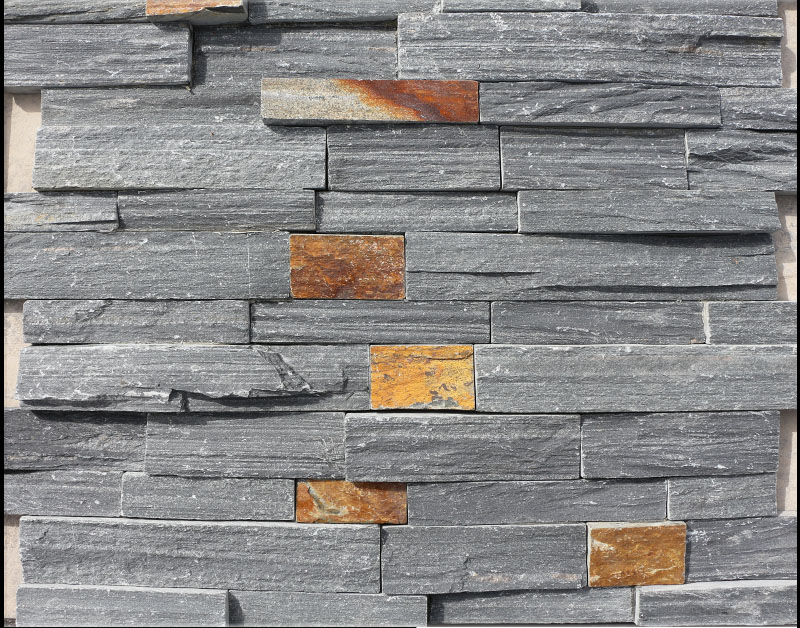
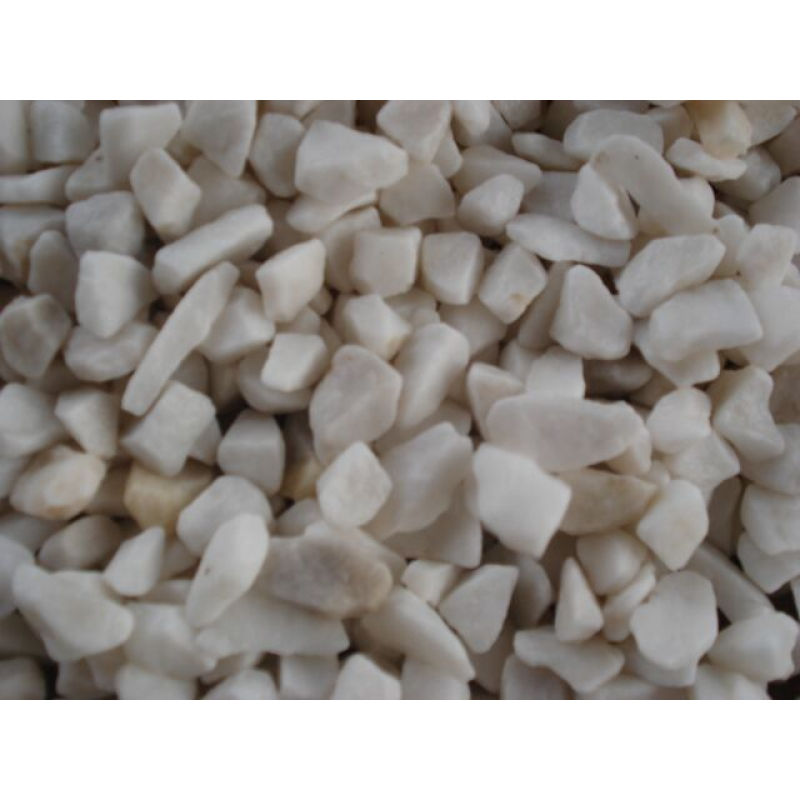
Stone veneer has revolutionized the way homeowners and designers enhance the aesthetic appeal of buildings. Unlike traditional solid stone, stone veneer offers versatility without compromising on appearance or quality. This article explores the stone veneer phenomenon, providing insights from industry professionals and real users, grounded in expert analysis and trustworthy data.
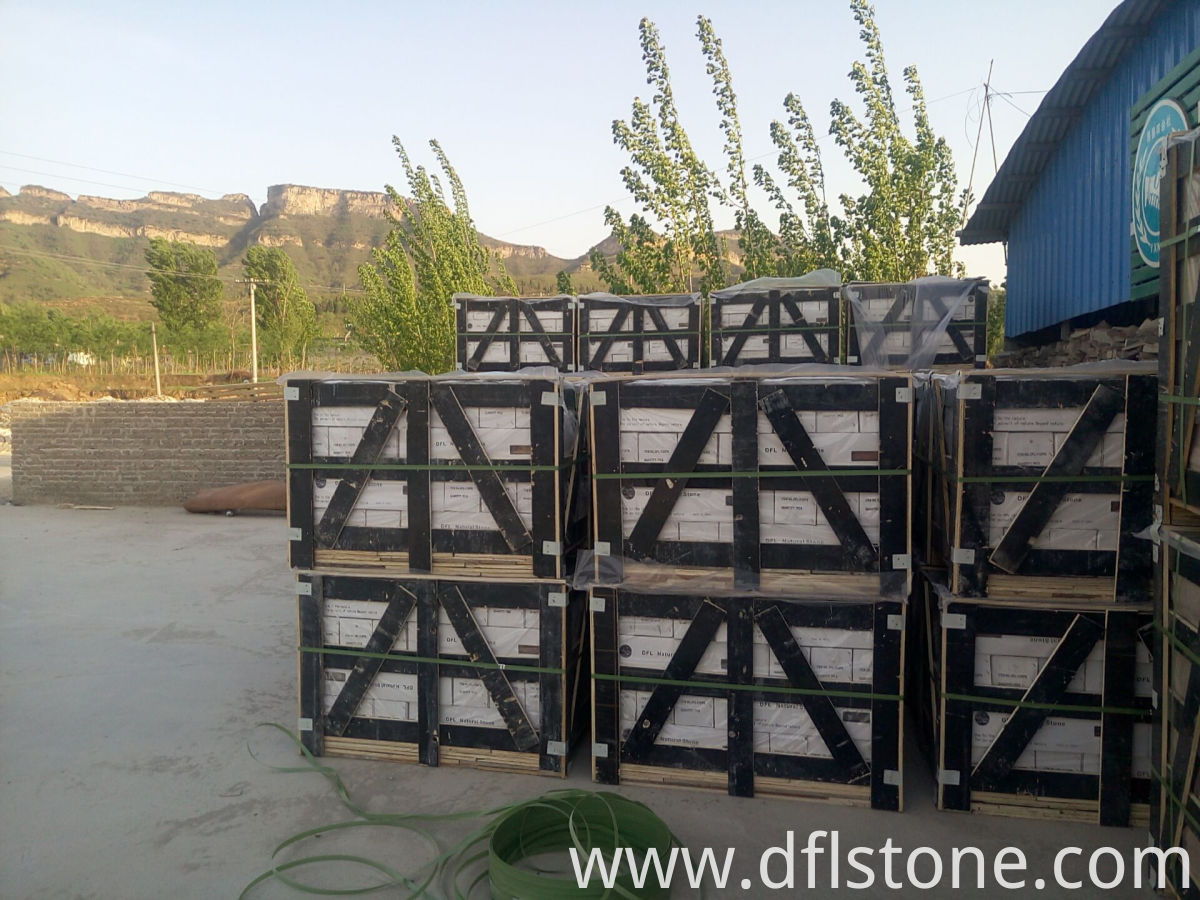
Stone veneer, a fabricated alternative to natural stone, comprises a mixture of cement, aggregates, and iron oxides. This composition not only mimics the aesthetic qualities of genuine stone but also offers practical benefits that outperform natural stone in certain applications. An expert mason with over 20 years of experience notes, “Stone veneer provides aesthetic freedom while being easier to handle and less taxing on structures.”
The primary advantage of stone veneer lies in its lightweight nature. Traditional stones, although durable, pose architectural challenges due to their weight.
Stone veneer eliminates this concern, offering a lighter, yet robust option. Engineers often endorse this product because it reduces stress on the foundational structures, thereby minimizing the risks of cracks or settling that can occur with heavy materials. This makes stone veneer not just a cosmetic choice but a structural boon.
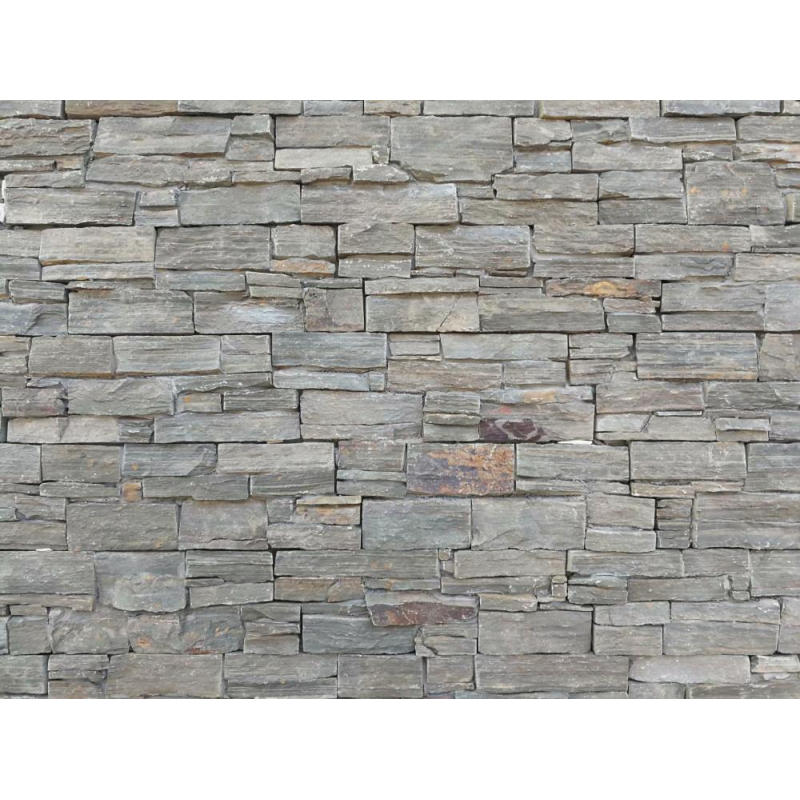
A significant consideration in the choice of building materials is durability. Stone veneer exhibits impressive resilience against weather conditions and wear. The surface treatment it undergoes ensures resistance to fading, while its inherent properties fend off moisture and temperature variations. This durability is backed by laboratory testing and field studies, which consistently affirm its performance over decades. As expressed by a senior research analyst in materials science, “The ongoing advances in stone veneer composites have continuously upgraded its durability metrics, rivaling, and often surpassing, that of natural stone.”
stone veneer
Installation is another domain where stone veneer shines. Professional contractors appreciate its simplicity and efficiency. Unlike natural stone, which requires specialized cutting tools and techniques, stone veneer is designed for straightforward installation, significantly reducing labor time and associated costs. Testimonials from users highlight how DIY enthusiasts have successfully tackled projects with stone veneer, turning personal spaces like fireplaces and outdoor kitchens into striking architectural features.
When it comes to design, stone veneer offers extensive flexibility. Available in numerous textures, colors, and styles, it can mimic anything from rustic limestone to sleek marble. This diversity enables architects to meet exact client specifications, thus broadening the scope for creative architectural expressions. Recent projects that opted for stone veneer have demonstrated a harmonious blend of traditional aesthetics with modern trends, illustrating its adaptability.
Trust is crucial when selecting construction materials, and the stone veneer market responds to this need with stringent quality controls. Manufacturers implement rigorous testing and quality assurance processes to meet international standards. Moreover, stone veneer is often backed by comprehensive warranties, providing homeowners assurance in their investment. These warranties are not mere marketing tools but reflect a genuine commitment to quality and customer satisfaction.
In conclusion, stone veneer stands as a triumph in modern construction, blending traditional beauty with cutting-edge technology. Its lightweight structure, durability, straightforward installation, and design versatility make it a preferred choice for both professionals and enthusiasts. As material technology continues to evolve, stone veneer will likely see further enhancements, solidifying its place in the future of building materials. From intimate home settings to expansive commercial projects, stone veneer offers authentic benefits, grounded in expertise and trusted by experts worldwide.