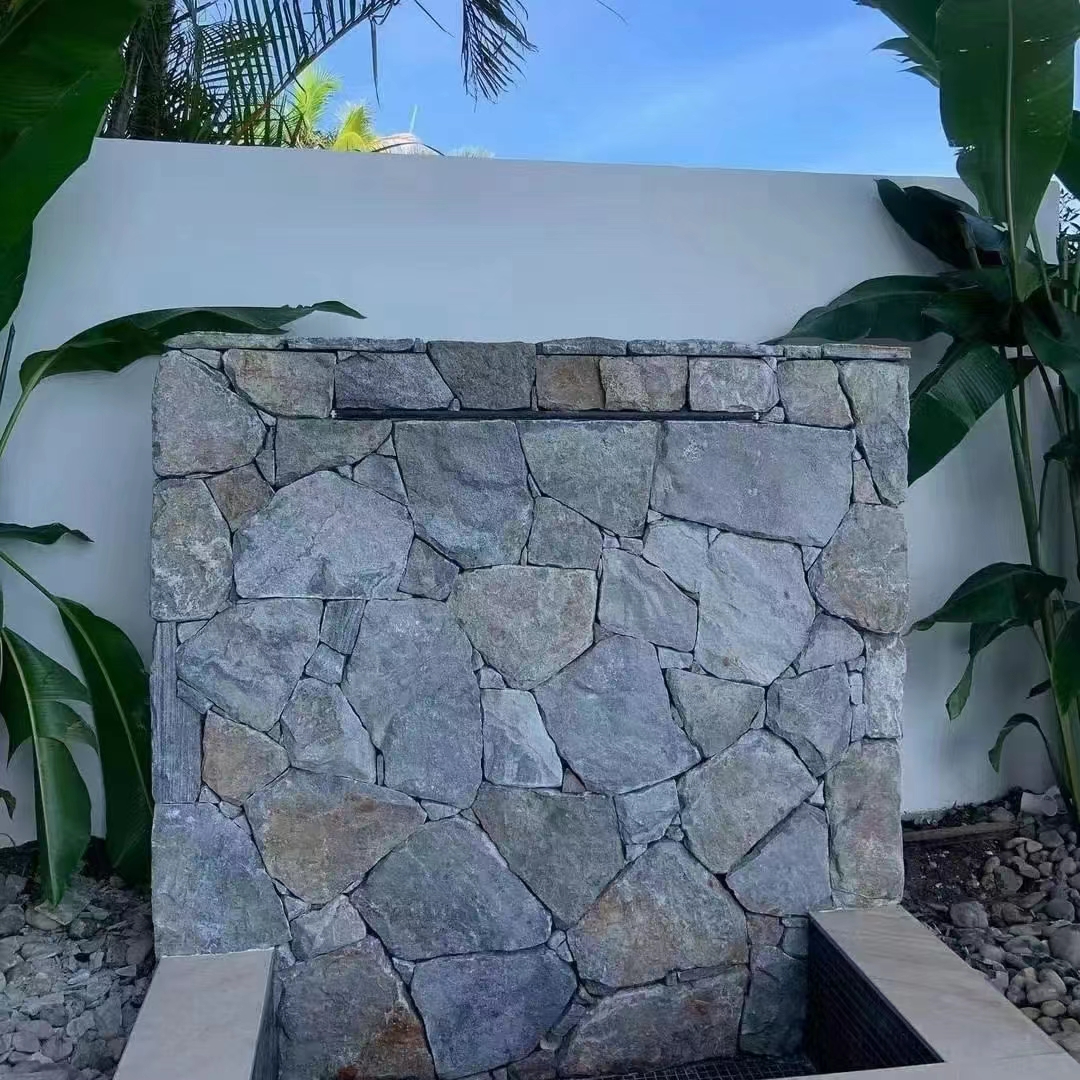
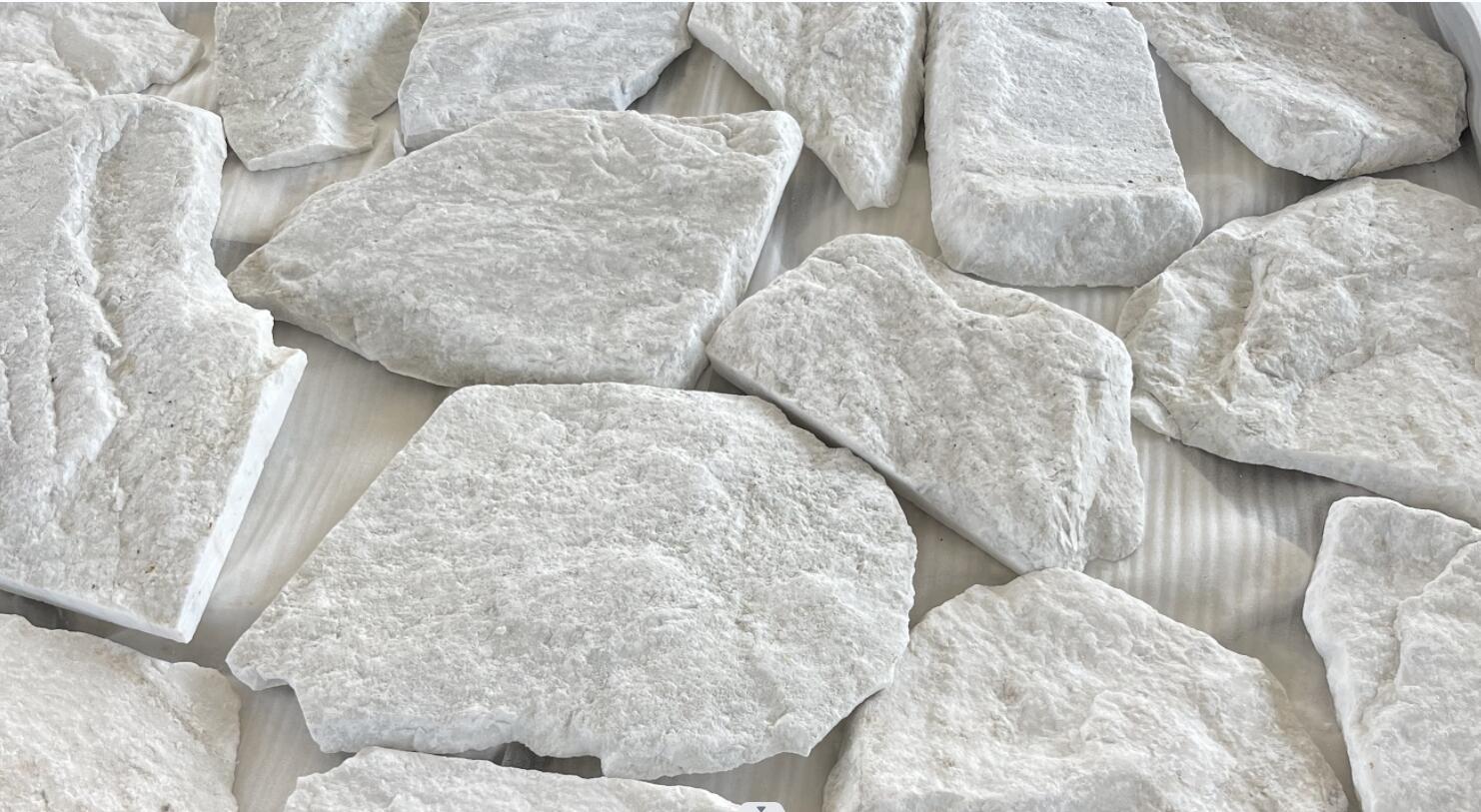
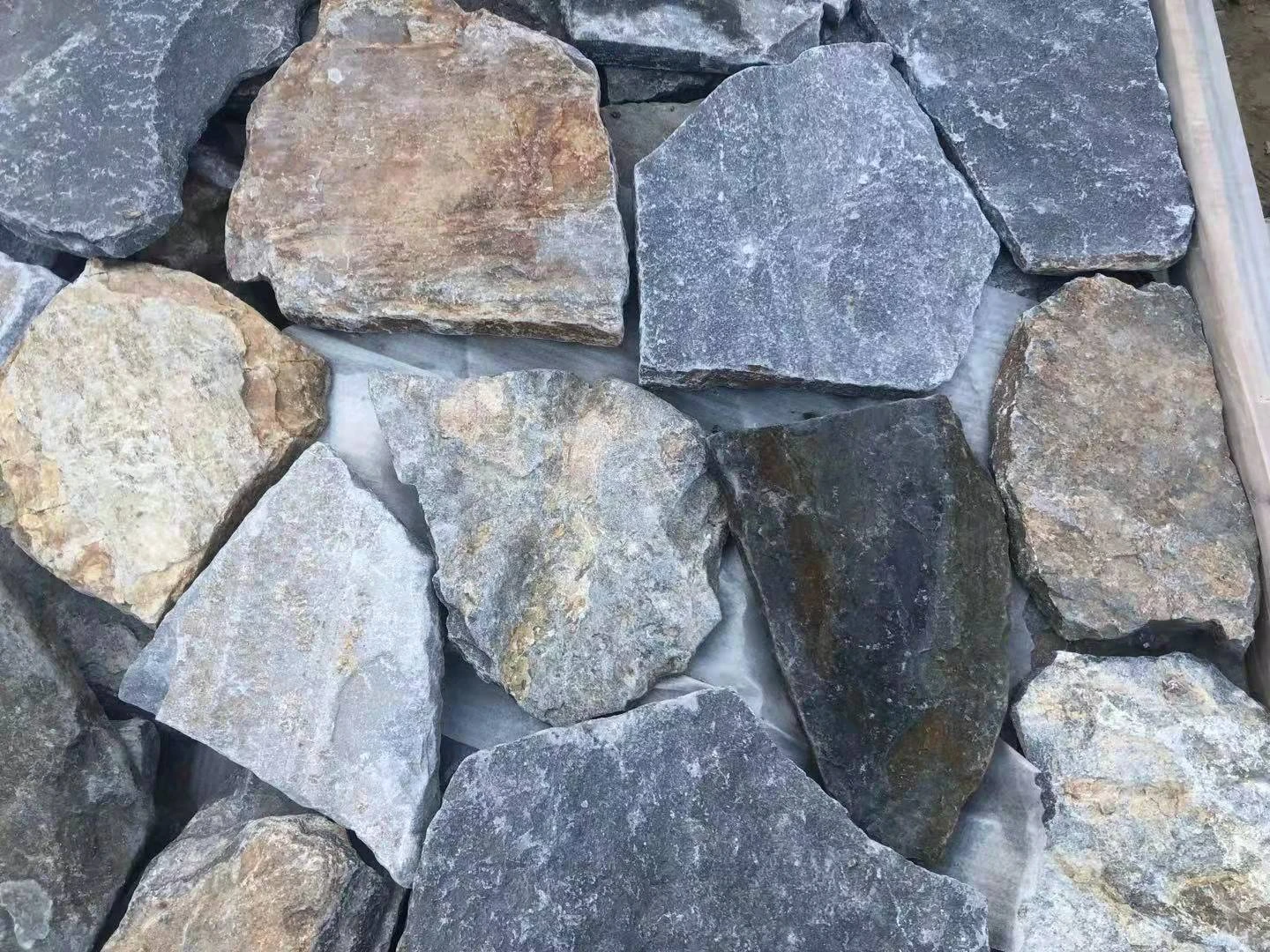
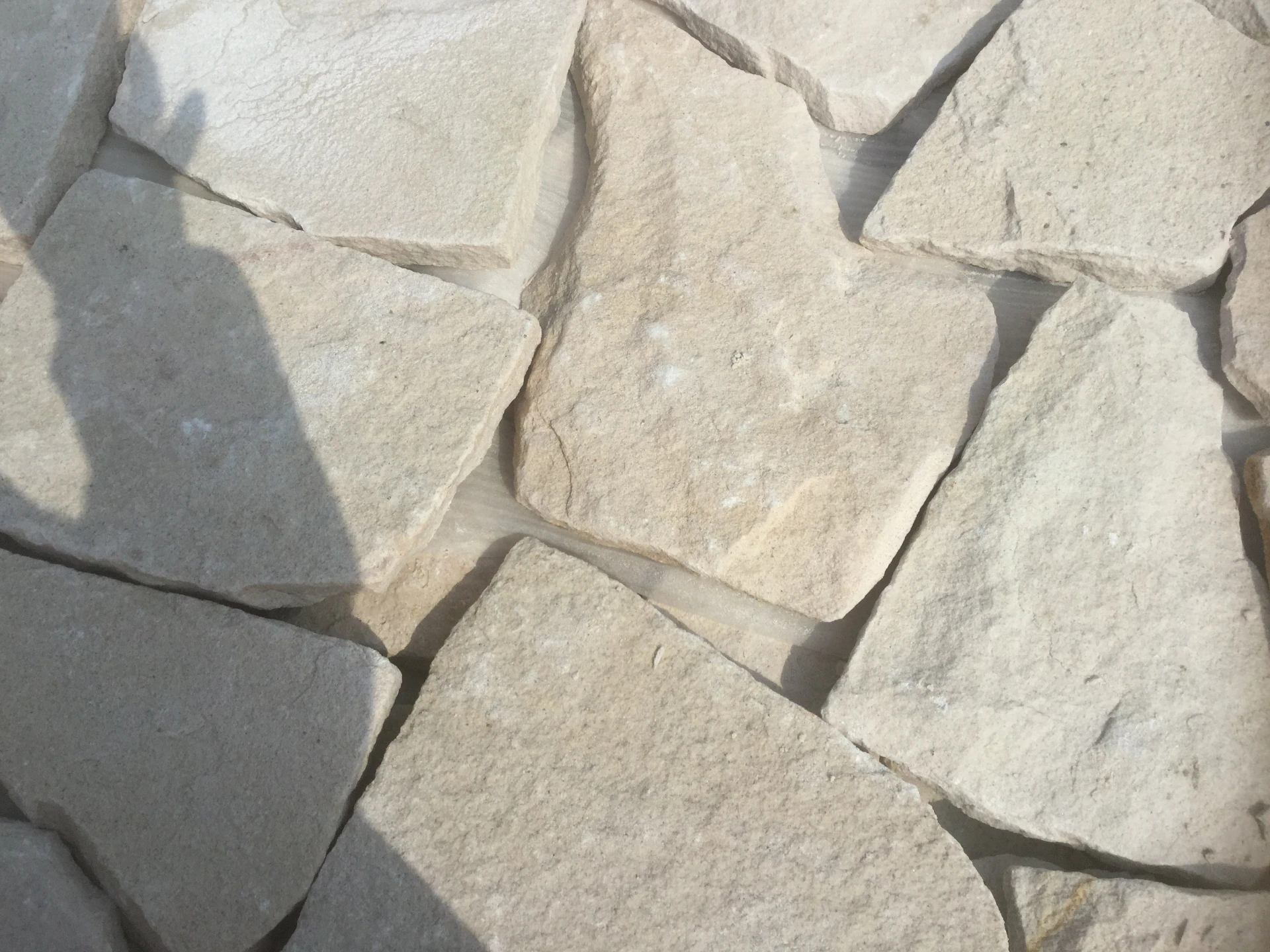
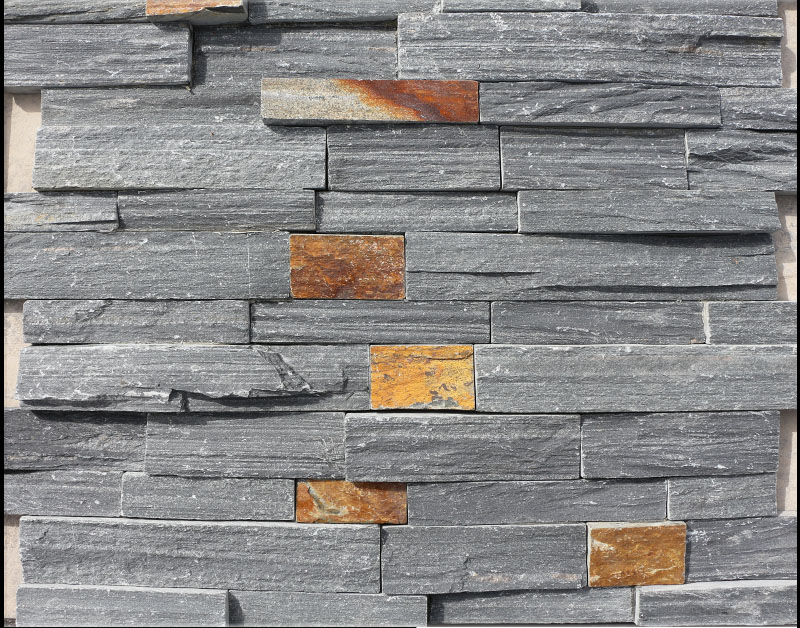
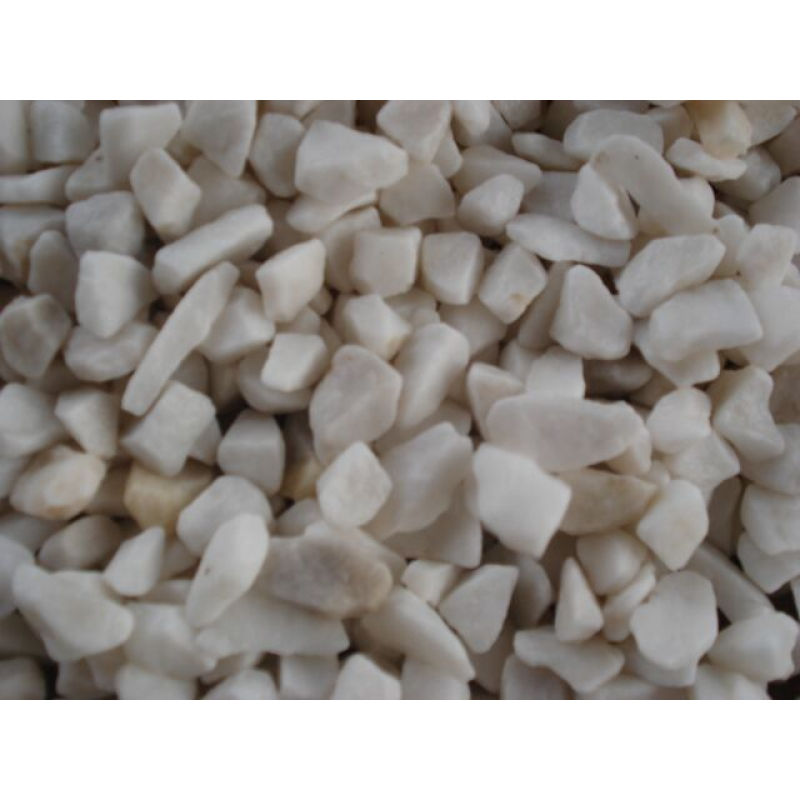
Irregular stone pavers are an exquisite choice for those looking to create unique and aesthetically pleasing outdoor spaces. Their naturally varied shapes and textures make them a favored option for pathways, patios, and driveways, offering an organic look that manufactured uniform stones simply cannot replicate. These stone pavers not only enhance the visual appeal but also add value and character to any property.
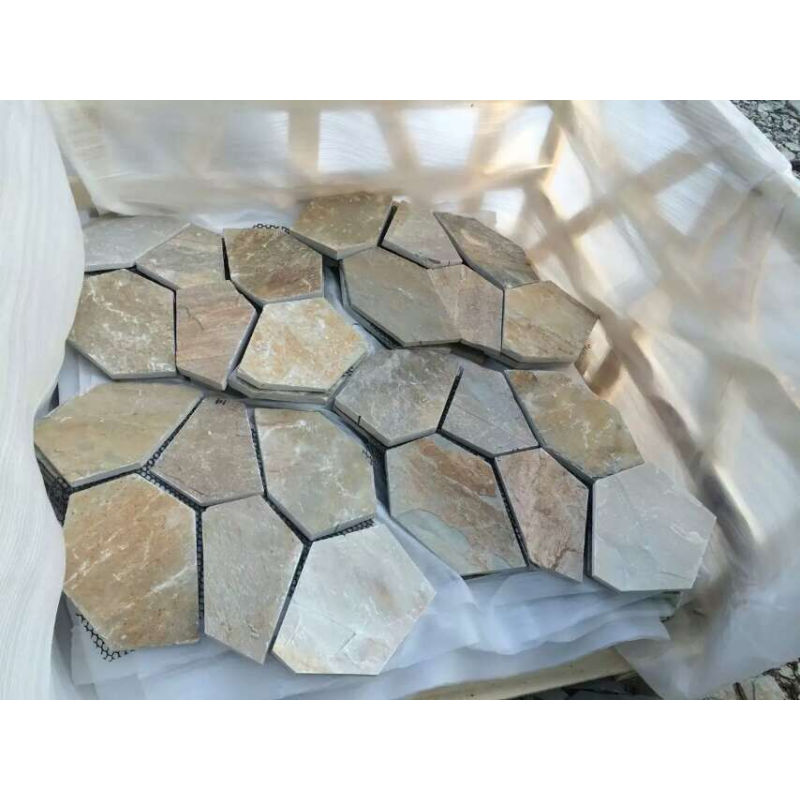
Having worked with irregular stone pavers extensively, I can attest to their versatility and durability. They come in various types, including slate,
limestone, sandstone, and more. Each stone type possesses distinct characteristics in terms of color, hardness, and texture, which means they can be matched to different architectural styles and environments. For instance, slate pavers often come in earthy colors that blend well in garden settings, while limestone offers a more uniform appearance suitable for contemporary designs.
The installation of these stone pavers requires a refined understanding of both design principles and the underlying landscape structure. Proper installation begins with a well-prepared base. The ground must be excavated to the correct depth, and a layer of gravel should be laid to promote drainage and prevent water accumulation that can lead to stone shifting. Sand is often then layered on top of the gravel to create a stable foundation on which the pavers will rest.
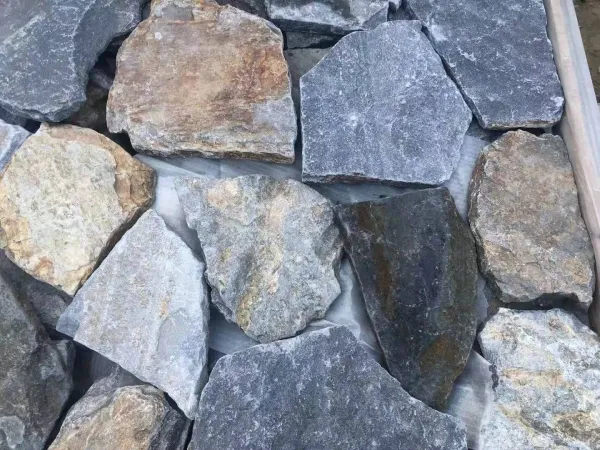
One of the key aspects of working with irregular stone pavers is the puzzle-like process of fitting them together. This requires patience and expertise to ensure a snug fit and an appealing visual pattern without large gaps. Each stone is unique, and an experienced craftsman will carefully select and position each piece to create a harmonious and structurally sound layout.
Beyond the aesthetic and structural attributes, irregular stone pavers are lauded for their environmental benefits. Natural stone is a sustainable material, especially when sourced from local quarries, as it reduces the carbon footprint associated with transportation. Stone also has thermal properties that allow it to stay cooler underfoot compared to concrete or asphalt, especially during summer months, providing comfort and energy efficiency.
irregular stone pavers
Maintaining irregular stone pavers is straightforward, although it does require some attention to detail to preserve their beauty and functionality. Regular cleaning to remove debris and prevent moss or algae growth is crucial. Additionally, resealing the stones periodically can protect them from the elements and prevent stains, especially in areas prone to heavy rainfall or near gardens where they might be exposed to soil discoloration.
When it comes to the longevity of irregular stone pavers, they are unrivaled. Unlike synthetic counterparts that may crack or fade over time, natural stone retains its integrity and charm, often looking better as it ages and weathers naturally. This durability further underscores their cost-effectiveness; while the initial investment might be higher compared to other paving options, the long-term savings on repairs and replacements are substantial.
Considering the increasing demand for unique and sustainable landscaping solutions, irregular stone pavers provide a timeless and eco-friendly option. They offer a balance of beauty and resilience that meets both aesthetic and practical requirements, making them a suitable choice for homeowners and landscape architects alike.
In summary, irregular stone pavers are not merely a passing trend but a testament to the enduring appeal of natural materials. Their ability to transform outdoor spaces into works of art speaks to their versatility, while their sustainability credentials align with modern environmental consciousness. Choosing irregular stone pavers implies a commitment to quality, durability, and the richness of natural finishes that are both unique and complementary to Earth's natural landscapes.