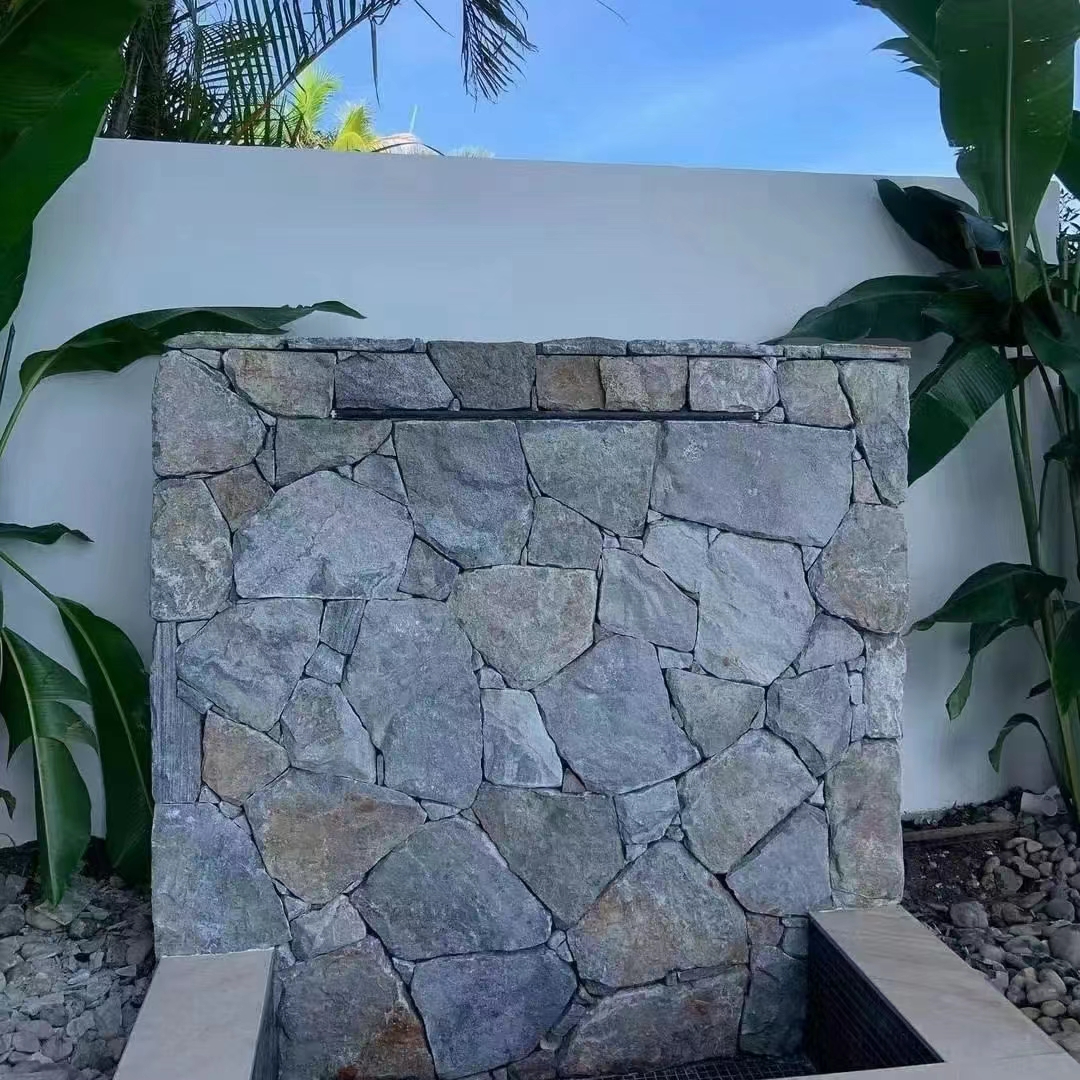
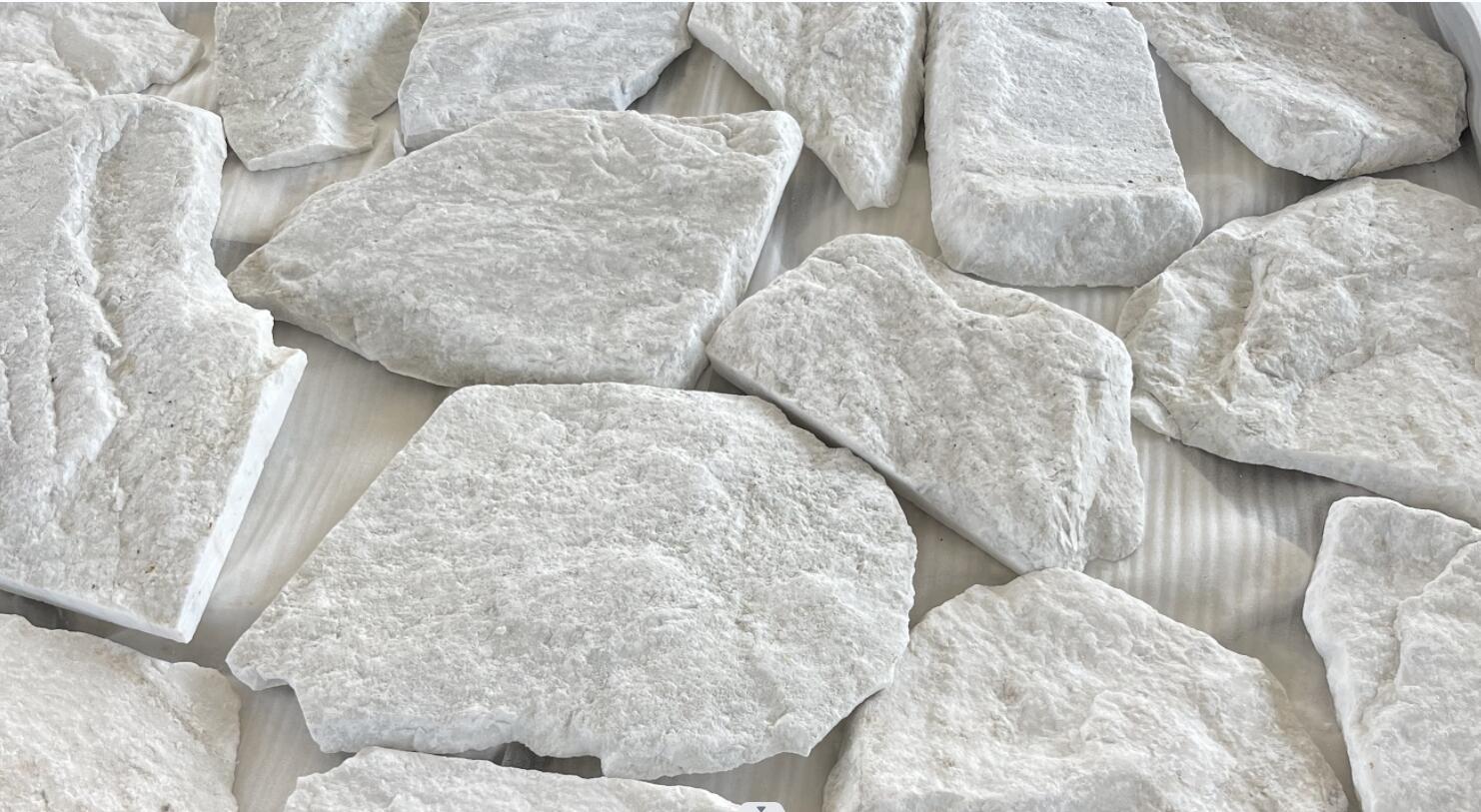
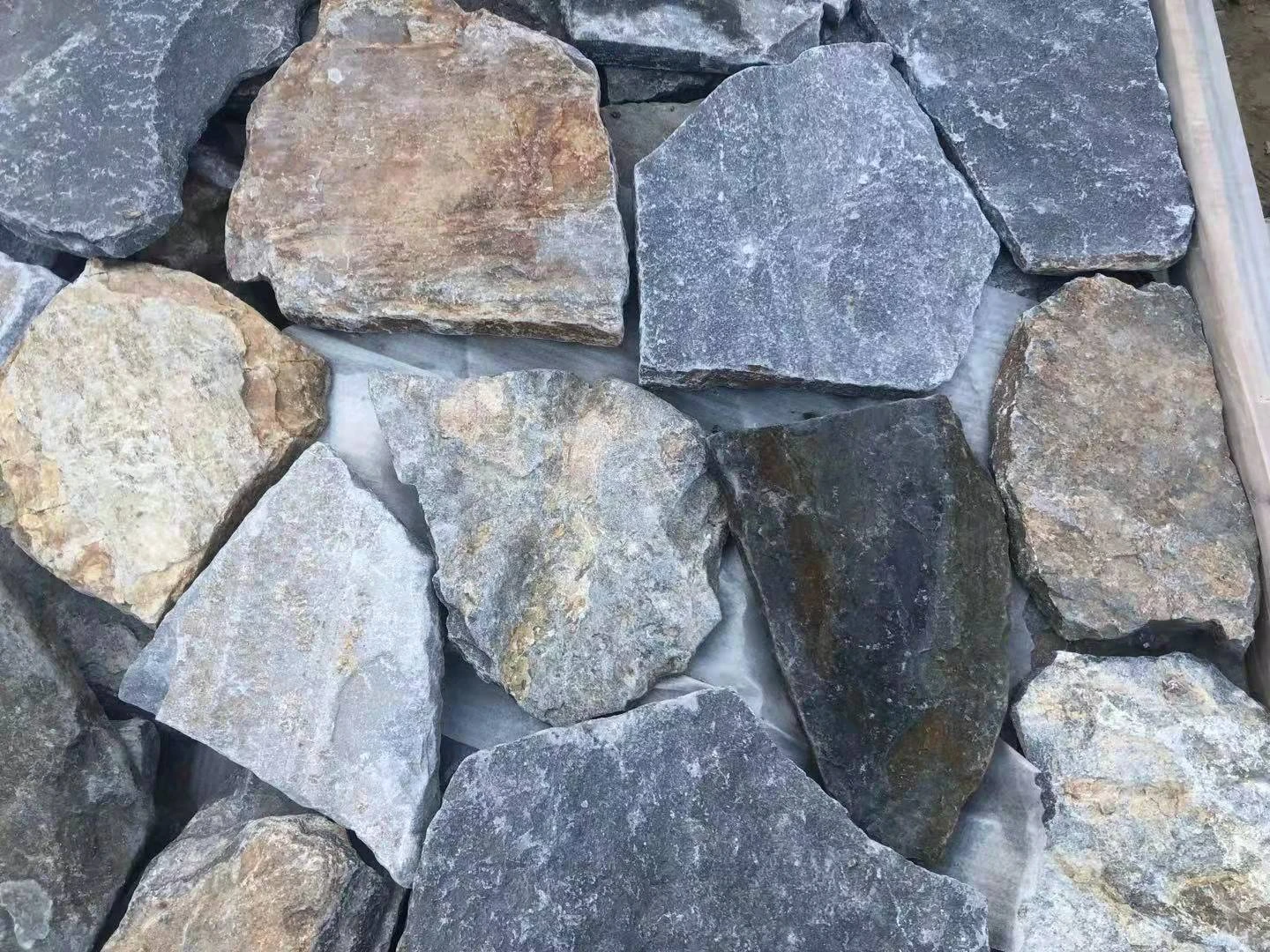
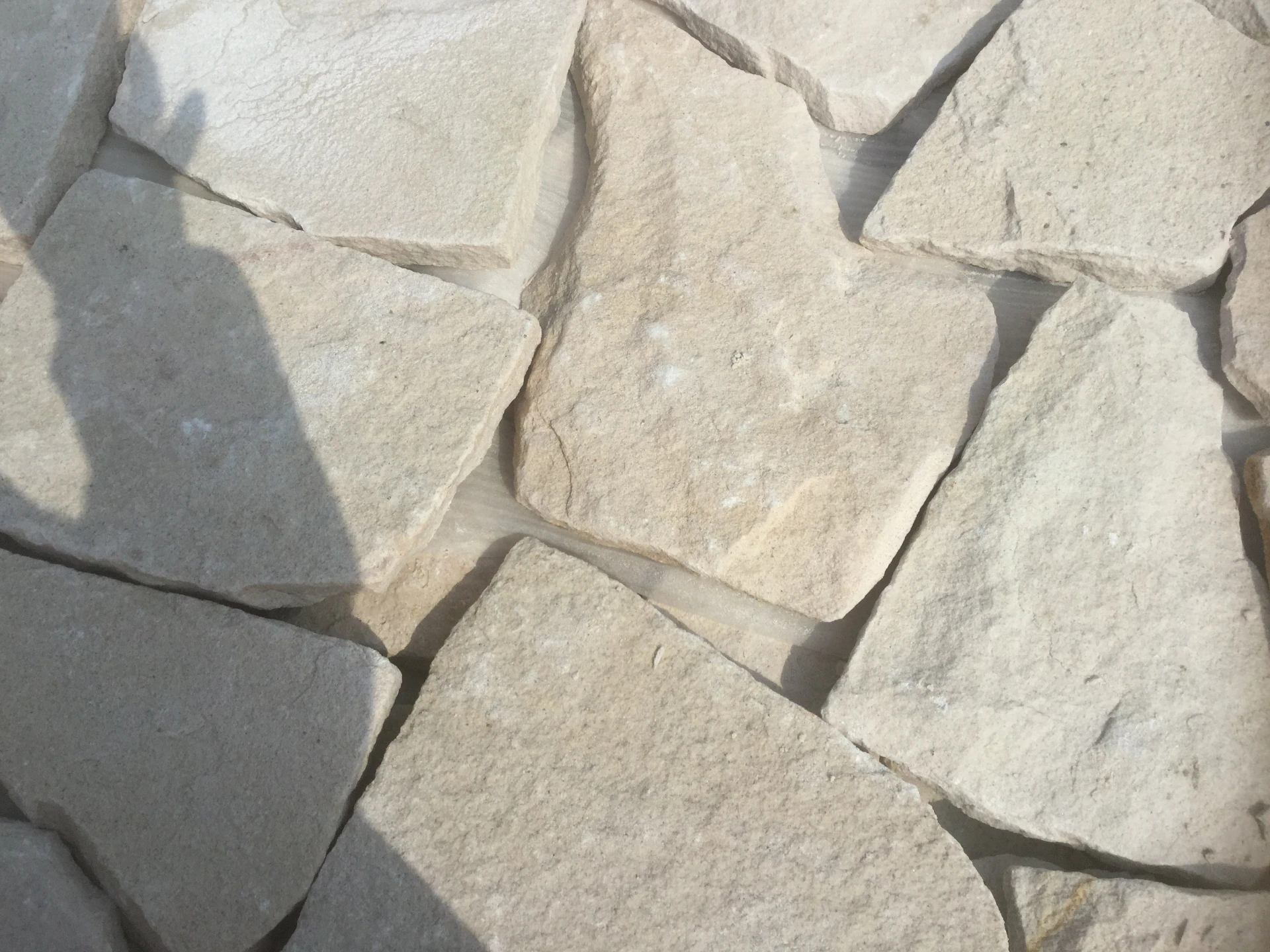
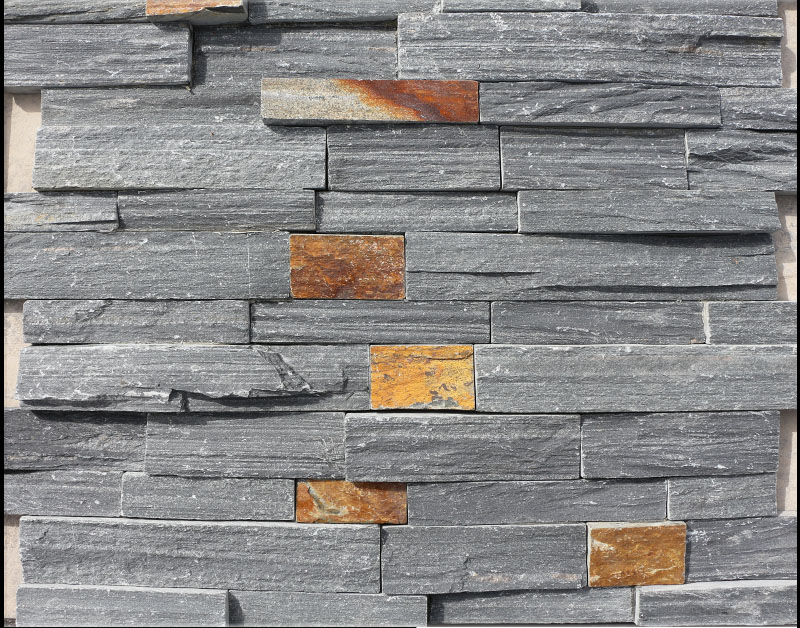
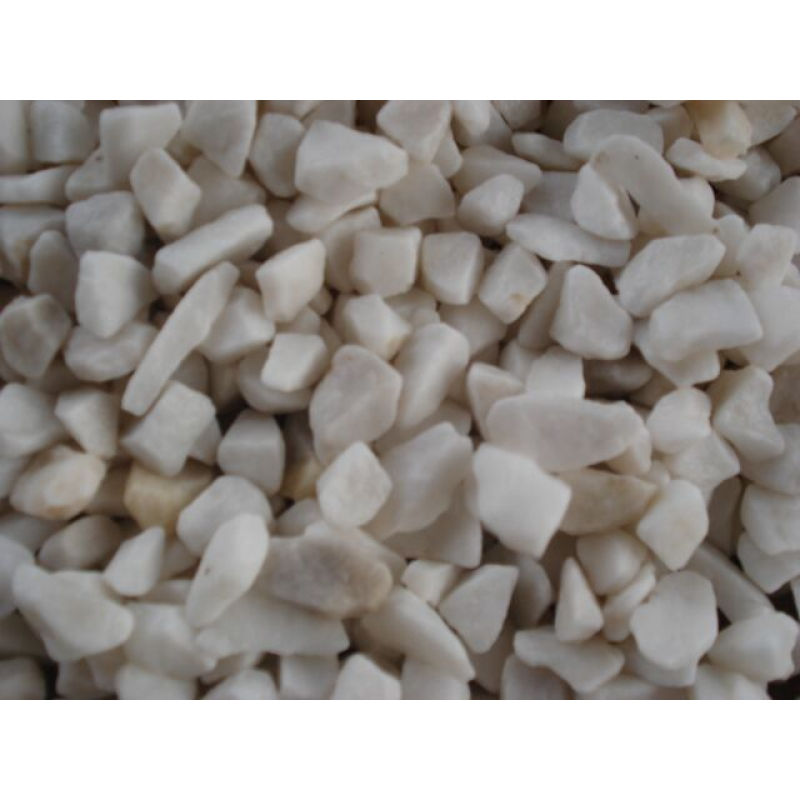
If you've ever wandered down a charming old European street or stepped lightly on a beautifully arranged courtyard, chances are you encountered stone pavement. It’s a humble yet critical component of urban design worldwide. But beyond aesthetics, understanding how and where to buy stone pavement today matters more than ever — not just for cities, but for industries, humanitarian projects, and sustainable infrastructure globally.
Stone pavements offer durability and timeless appeal, but there’s a reason they remain a go-to choice for planners facing challenges like climate resilience, economic constraints, and ethical sourcing. In the following sections, we'll dissect why buying stone pavement is not just a supplier transaction but an investment into quality, environment, and culture.
Across the globe, urbanization is accelerating at roughly 1.5% every year, according to UN statistics. In this surge, pavement material becomes more than just a surface—it’s infrastructure that defines how cities cope with flooding, erosion, and foot traffic longevity. Around 20% of global infrastructure investment is funneled into roads and pavements, reflecting their foundational role in everything from trade to tourism (World Bank data).
But here’s the rub: rapid urban sprawl often sidelines sustainable materials, pushing cheaper, eco-unfriendly options. That’s where stone pavements reclaim their rightful spot — providing a natural, long-lasting, and often locally sourced alternative.
Simply put, to buy stone pavement means to purchase ready-to-install stone products—such as cobblestones, slabs, or tiles—that form roads, walkways, plazas, or patios. This purchasing process not only involves selecting material type and quality but also involves factoring in local environmental conditions, installation methods, and long-term maintenance.
The term encompasses a wide range—from luxurious granite slabs used in upscale urban plazas, to rough-hewn limestone pavers helping stabilize trafficked rural roads. In humanitarian engineering, stone pavement might be deployed to create durable access routes where muddy tracks once prevailed.
The most common choices include granite, limestone, sandstone, and basalt. Granite often tops the list for hardness and weather resistance, while limestone brings a softer, warmer aesthetic but can be more porous. Each stone’s grain, porosity, and color affect both visual appeal and lifespan.
Durability is king. In climates with frequent freeze-thaw cycles, some stones crack or erode faster. Maintenance convenience plays into total cost of ownership — sealing, cleaning, and occasional repointing are typical tasks. Paying for higher upfront quality can save headaches later.
Often overlooked, it’s crucial to secure suppliers who can handle demand consistently. When a project requires thousands of square meters, inconsistent deliveries or variation in color can kill continuity. Regional quarries or established importers usually offer more reliable sourcing options.
Quarrying stone is resource-intensive. Sustainable sourcing certifications or proximity to project sites reduce carbon footprints. Some initiatives even promote reclaimed stone pavement reuse, blending history with eco-consciousness.
How you lay stone counts — dry-laying, mortar-set, or sand-set installations each suit different needs and budgets. The stone's thickness and shape dictate the appropriate method and longevity.
Urban Planners: Cities from Florence to Boston rely on granite and basalt for pedestrian zones that last centuries without losing charm. Stone pavements help manage water runoff and reduce urban heat.
Industrial Sites: In heavy-load zones like mining or logistics centers, dense stone pavements provide the required rigidity without constant repair.
Humanitarian Projects: Post-disaster recovery often involves rebuilding access paths quickly. Stone pavements, locally sourced, help restore dignity and mobility.
Landscape Architects: Designing gardens or patios often demands that stone pavements create tactile and visual harmony while providing practical walking surfaces.
Emotionally, stone pavements evoke trust and permanence. You don’t just walk on stone; you feel rooted to place and time.
Technology is gently reshaping the stone pavement industry. Manufacturers increasingly use digital scanning to ensure precise cutting, reducing waste. Meanwhile, research into permeable stone composites is underway — marrying natural aesthetics with green infrastructure demands.
Automation in installation and advanced sealants enhances durability and reduces labor costs. Policies pushing for circular economy models encourage the reuse of old stone paving in new projects — lowering demand for virgin quarrying.
No system's perfect. Common hurdles include supply inconsistency, installation delays, and environmental concerns linked to quarrying.
Experts recommend building partnerships with suppliers who provide transparent sourcing and maintain inventory buffers. Advances in prefabricated modular stone units also speed deployment and reduce onsite labor complications.
| Stone Type | Hardness (Mohs) | Porosity (%) | Typical Thickness (mm) | Average Lifespan (Years) |
|---|---|---|---|---|
| Granite | 6–7 | ~0.4 | 50–100 | 50+ |
| Limestone | 3–4 | 5–10 | 40–80 | 20–30 |
| Sandstone | 6–7 | 3–10 | 50–90 | 30–40 |
| Basalt | 6 | ~0.5 | 60–120 | 50+ |
| Vendor | Range of Stone Types | Sustainability Certification | Delivery Capability | Customer Support & Custom Orders |
|---|---|---|---|---|
| StoneCraft Ltd. | Granite, Limestone, Sandstone | ISO 14001 | Pan-European | 24/7 Support, Custom sizing |
| GlobalStone Supplies | Granite, Basalt, Marble | LEED Compliant | International | Multilingual, Expedited shipping |
| EcoRock Pavements | Reclaimed Stone Products | FSC & Recycled Material Verified | Regional (North America) | Consultations, Green design services |
Stone pavement stands as somewhat of a paradox: ancient by origin, yet increasingly relevant for tomorrow’s challenges. From heritage preservation to climate resilience in urban design, its varied uses and benefits stretch far beyond the humble cobblestones of old.
If you’re considering where to begin with stone paving solutions — or simply want to explore options — starting with vetted suppliers and understanding the stone itself will save you time, money, and possibly a lot of unexpected headaches. For dependable sourcing, I recommend you buy stone pavement from trusted providers who value quality and sustainability.
In the end, pavements are more than walking surfaces — they’re the literal foundation of communities and commerce worldwide.