The Costs and Benefits of Sourcing Natural Stone A Guide for Suppliers
Natural stone has remained a timeless choice in construction and design, prized for its durability, aesthetic appeal, and ecological benefits. However, sourcing natural stone can be a challenging endeavor for suppliers. Understanding the costs associated with various types of natural stone and evaluating potential suppliers is essential for successful business operations in this sector.
Understanding Natural Stone Types and Costs
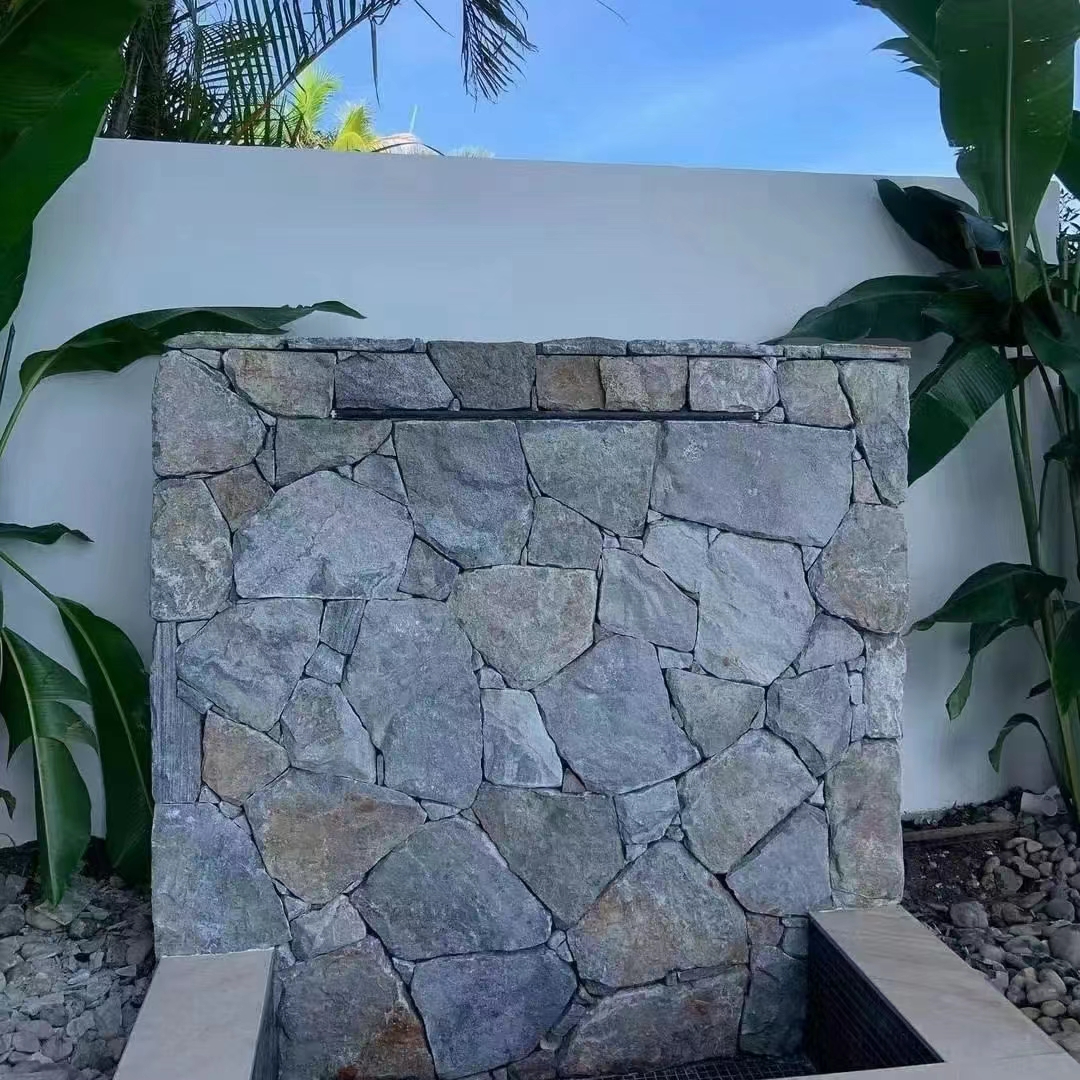
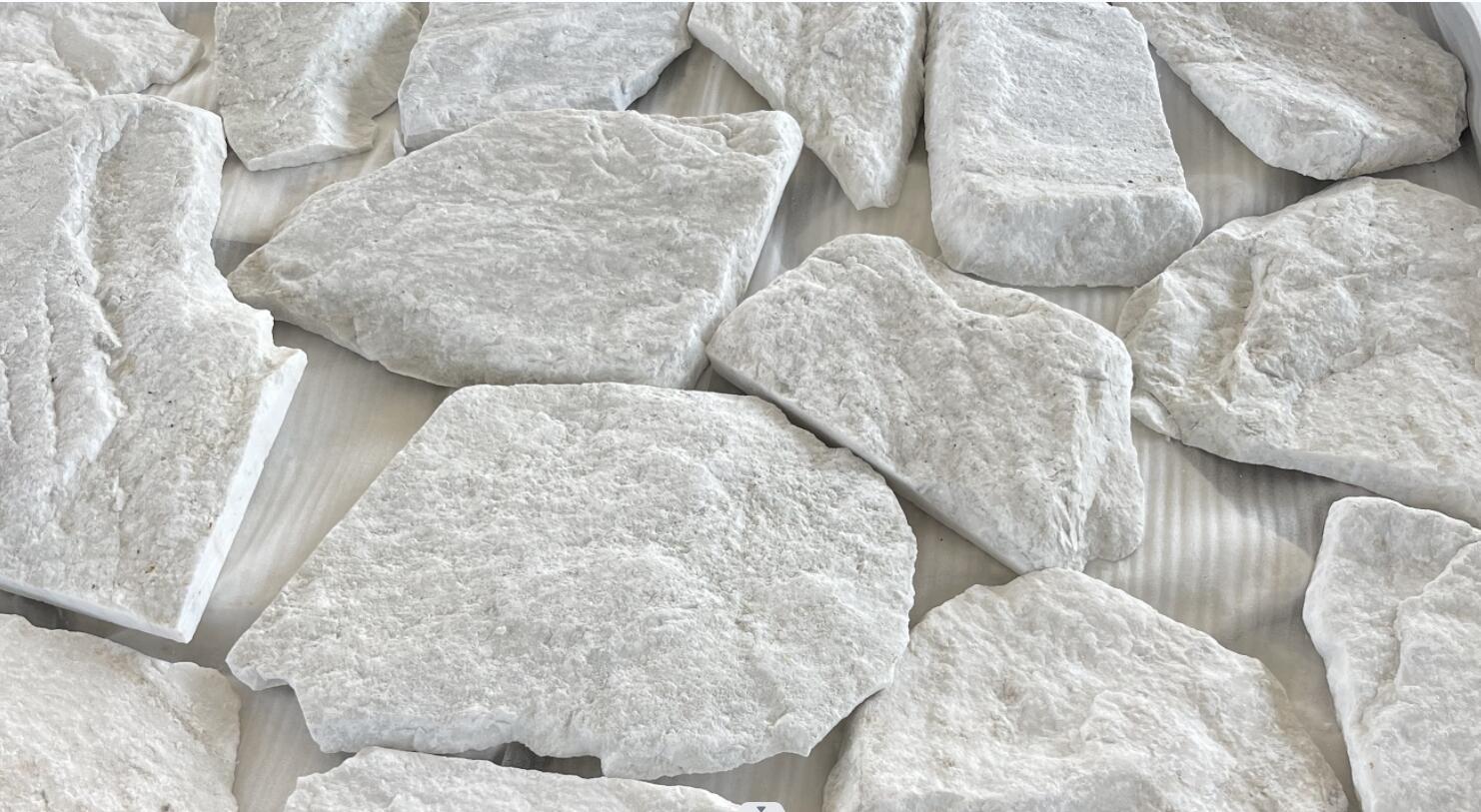
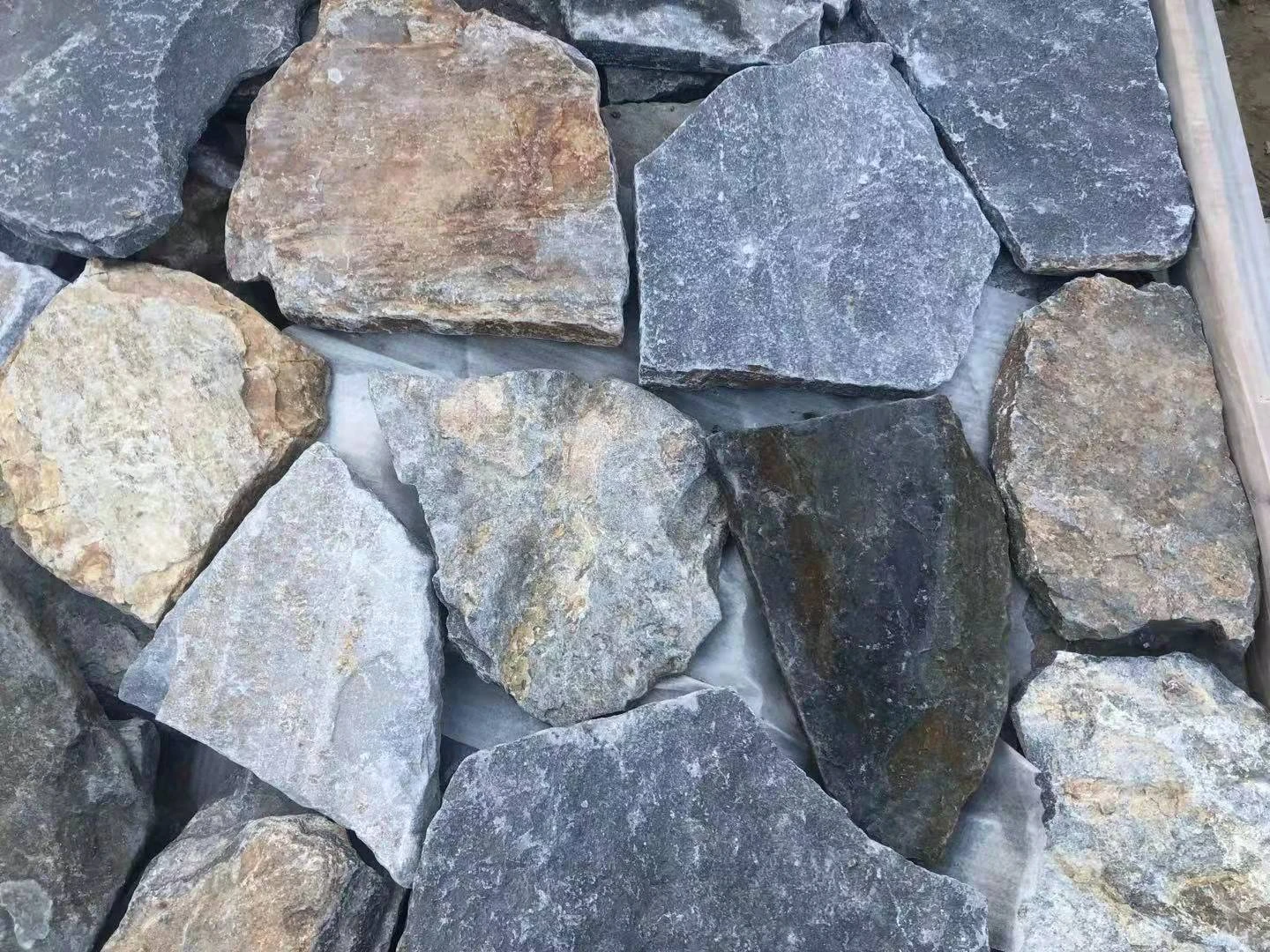
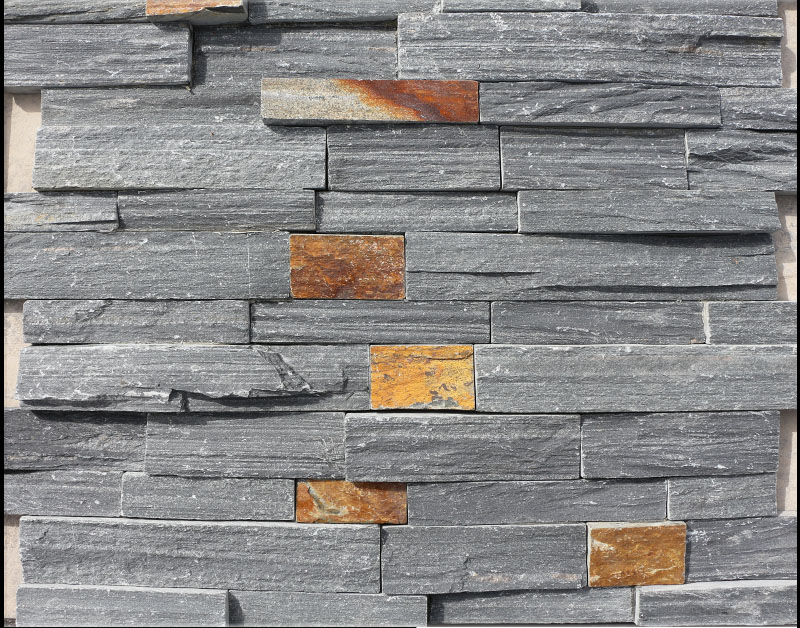
Natural stone encompasses a wide range of materials, each with varying costs based on factors such as availability, extraction methods, and finishing processes. Common types of natural stone include granite, marble, limestone, and sandstone, each offering unique characteristics that appeal to different markets.
1. Granite Known for its durability and resistance to scratches and heat, granite is typically one of the more expensive options available. Pricing can range from $50 to $300 per square foot, depending on the rarity of the color and pattern. Suppliers can negotiate directly with quarries, but it is also vital to consider the transportation costs, which can significantly increase the final price.
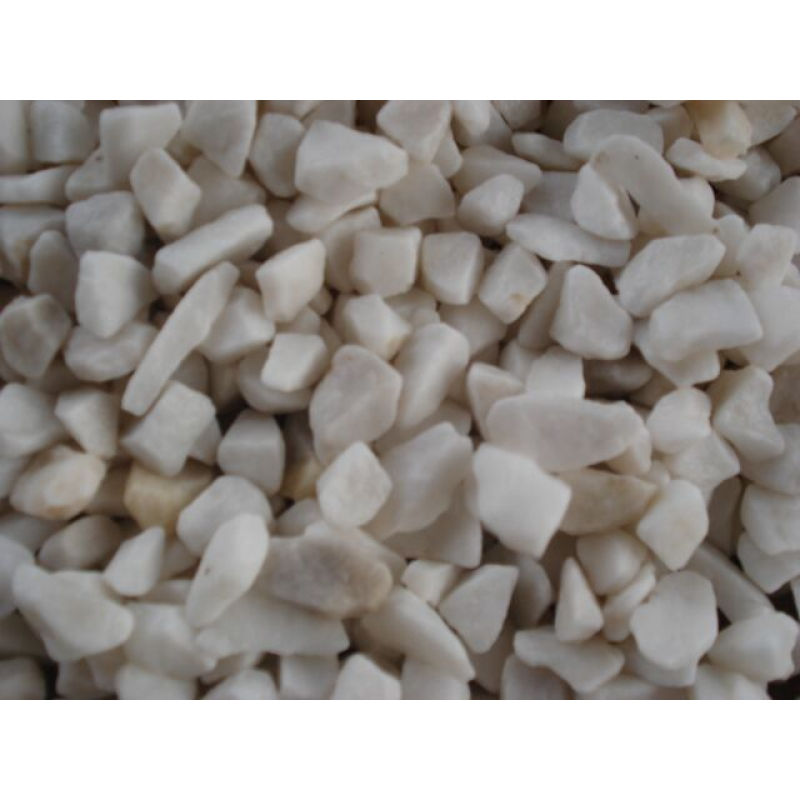
2. Marble Esteemed for its luxurious appearance, marble is popular in high-end residential and commercial projects. However, it is softer and more porous than granite, making it less suitable for high-traffic areas. The cost of marble generally lies between $40 and $200 per square foot, influenced by factors such as origin, such as Carrara marble from Italy, which often commands higher prices.
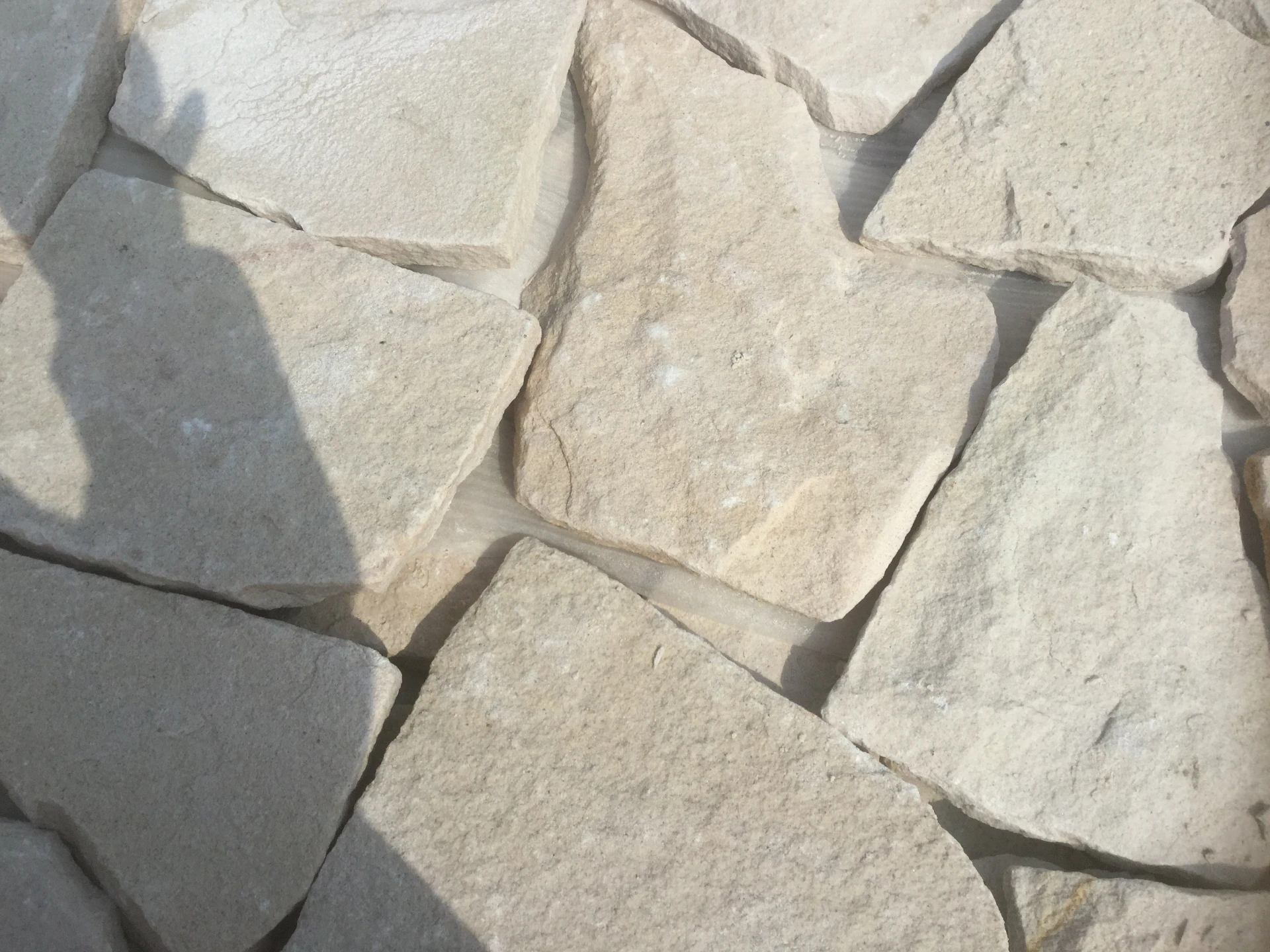
3. Limestone and Sandstone These stones are typically more affordable, ranging from $20 to $100 per square foot. They are frequently used in landscaping or for exterior facades. The lower cost is often a result of easier quarrying processes and more extensive availability.
Factors Influencing Pricing
Several variables affect the pricing of natural stone
- Geological Factors The location and geological conditions of a quarry can affect the availability and extraction costs of stone. Remote locations may encounter higher logistics and transportation expenses. - Market Demand Trends in home design and architecture can drive demand for specific types of stone. Suppliers should keep a finger on the pulse of market trends to adjust their inventory accordingly.

- Finishing and Customization The process involved in cutting, polishing, and finishing natural stone adds to its cost. Custom cuts or intricate designs tend to increase the price, which can be a consideration when sourcing stone for bespoke projects.
Selecting a Natural Stone Supplier
Choosing the right supplier is crucial in ensuring the quality and reliability of natural stone products. When evaluating potential suppliers, consider the following criteria
- Reputation Research the supplier's reputation in the market. Online reviews, client testimonials, and case studies can provide insights into their reliability and quality of service.
- Sourcing Practices Ensure that the supplier adheres to sustainable and ethical quarrying practices. This not only supports environmental responsibility but can also enhance the supplier's marketability.
- Quality Assurance Verify that the supplier maintains rigorous quality control measures. Inspect samples and inquire about their return policies to ensure customer satisfaction.
- Support and Communication A supplier who offers excellent customer support and clear communication will be more valuable. This relationship is important for timely project execution and addressing potential issues.
Conclusion
The natural stone industry requires careful consideration of costs, supplier relationships, and market trends. By understanding the various types of natural stone and their associated costs, suppliers can make informed decisions. Building strong relationships with reputable suppliers, focusing on quality, and staying updated on market needs will ultimately lead to a successful business in the natural stone market. As demand for eco-friendly and durable materials continues to grow, those who prioritize these aspects will be well-positioned to thrive in this dynamic industry.