The Rise of China as a Leading Cladding Stone Supplier
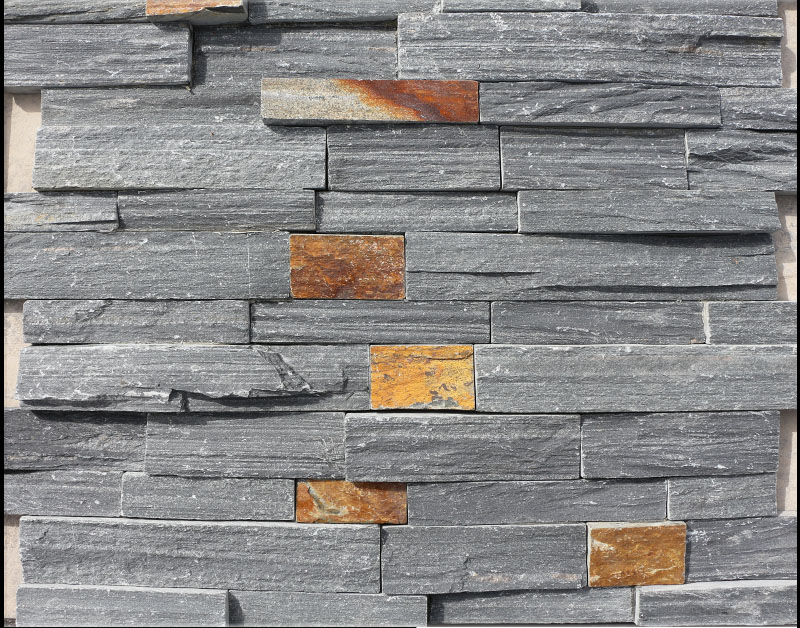
In recent years, China has established itself as one of the leading suppliers of cladding stone in the global market. As architectural styles evolve and the demand for sustainable building materials grows, Chinese manufacturers have stepped up to meet these challenges with a diverse range of high-quality stone products. This article explores the factors contributing to China’s prominence in the cladding stone industry, the types of stones available, and the implications for construction and design.
The Diversity of Stone Materials
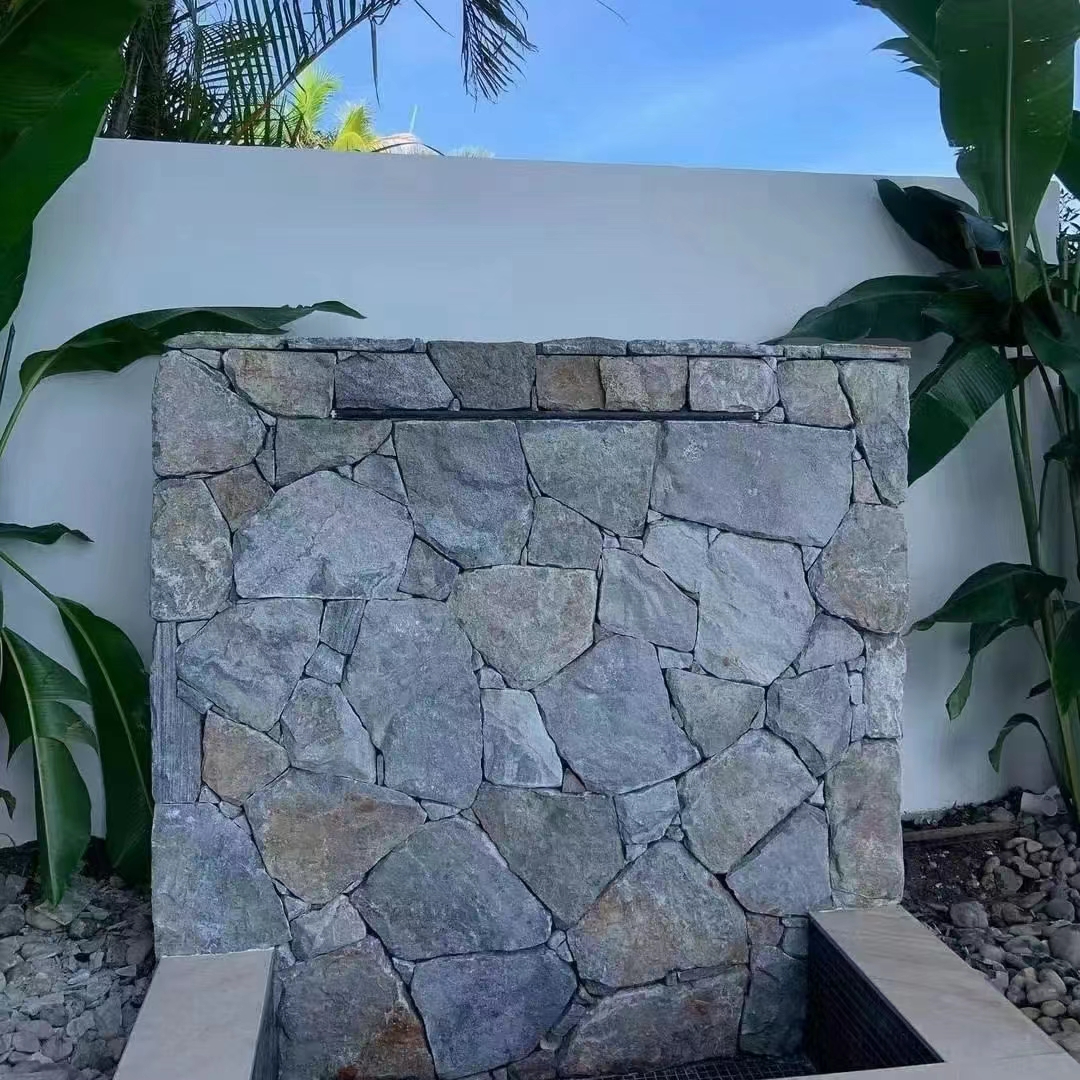
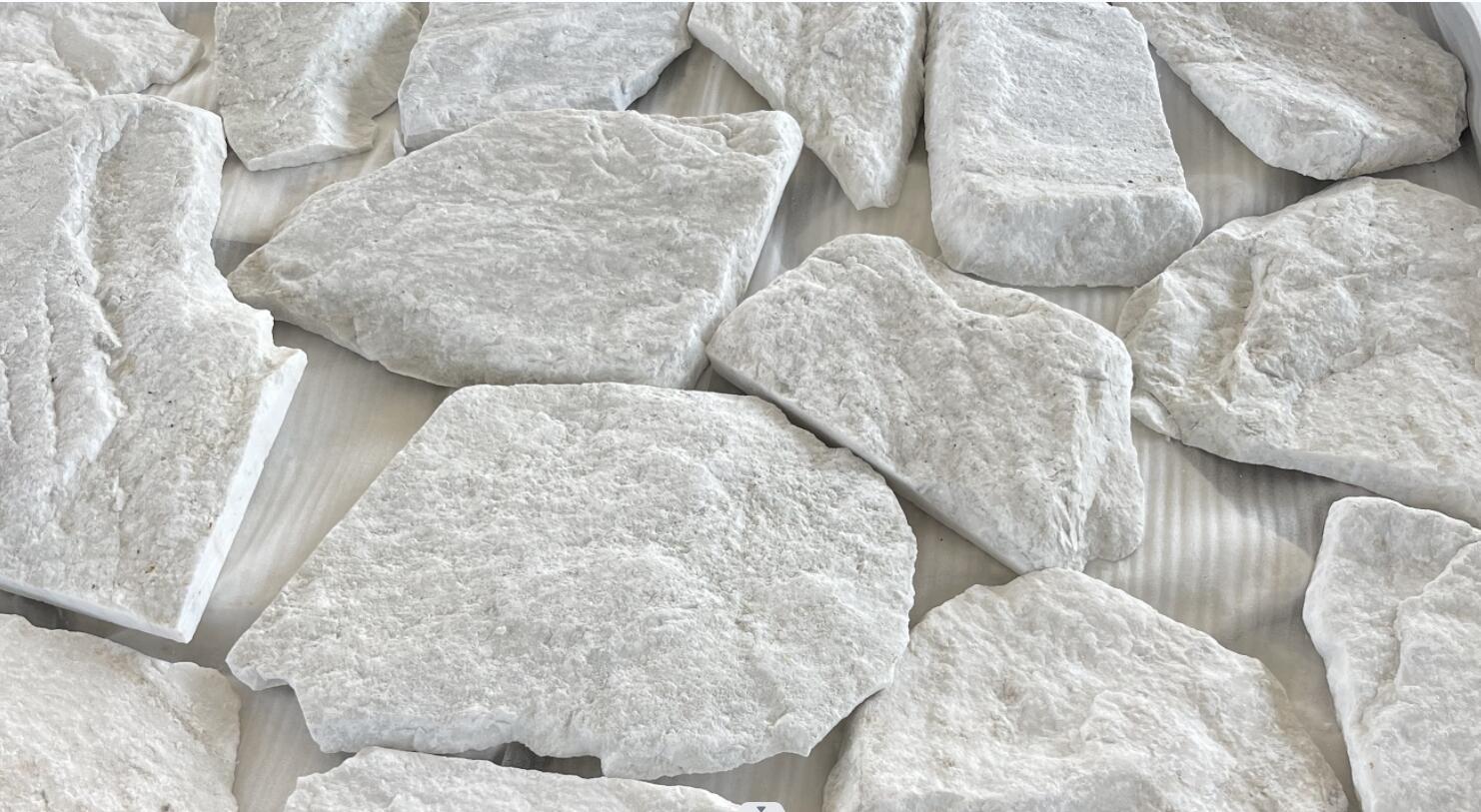
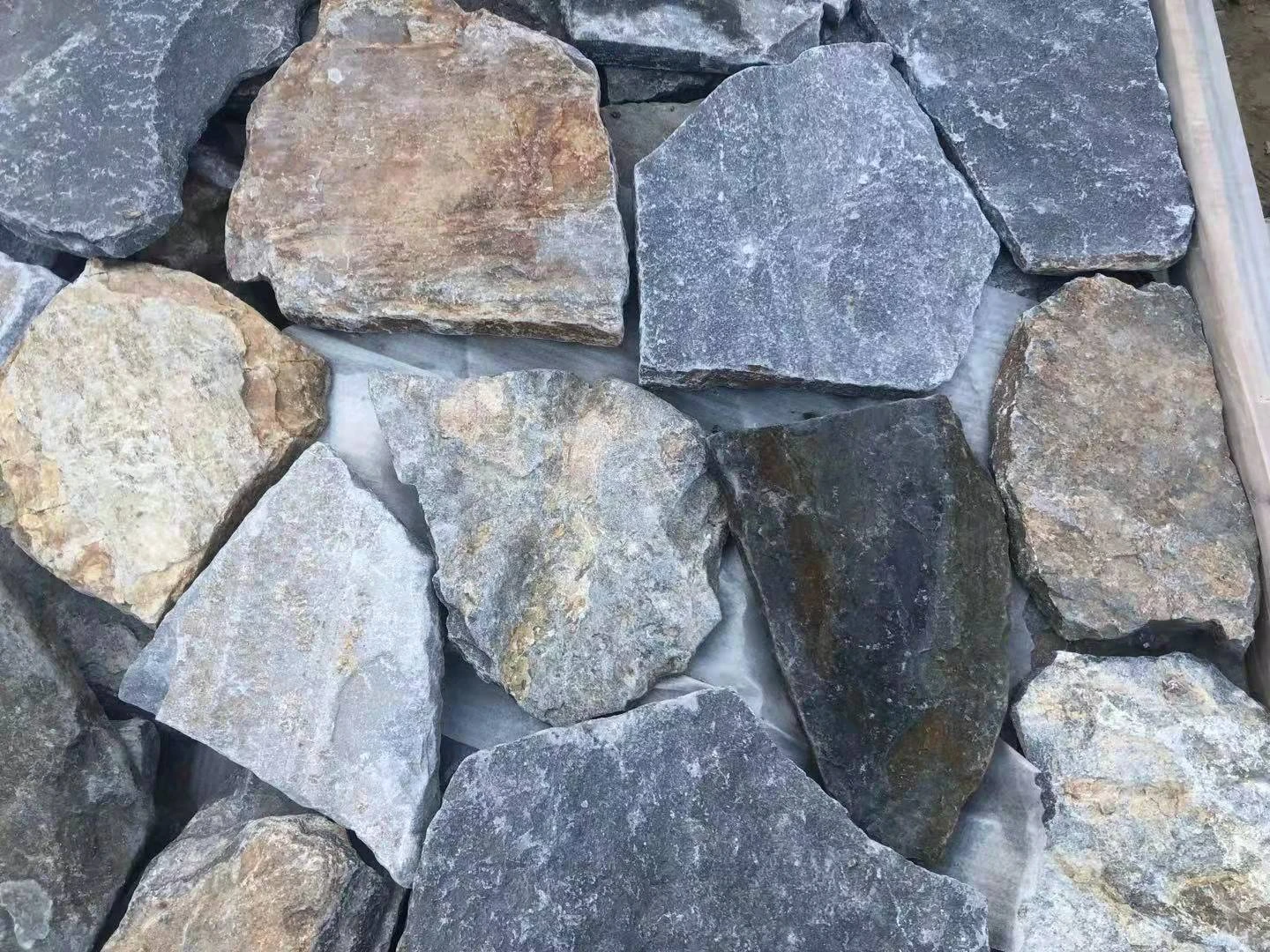
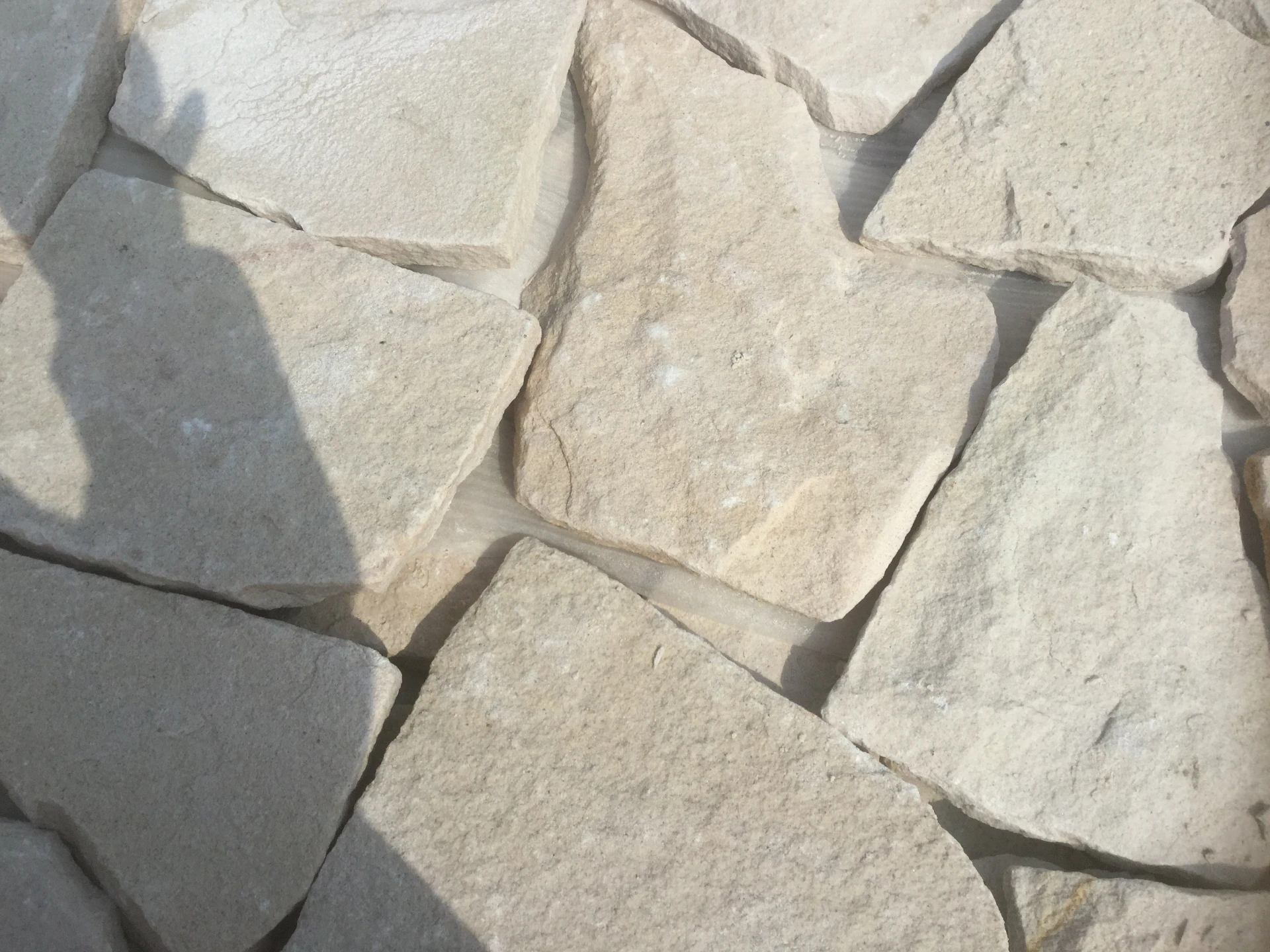
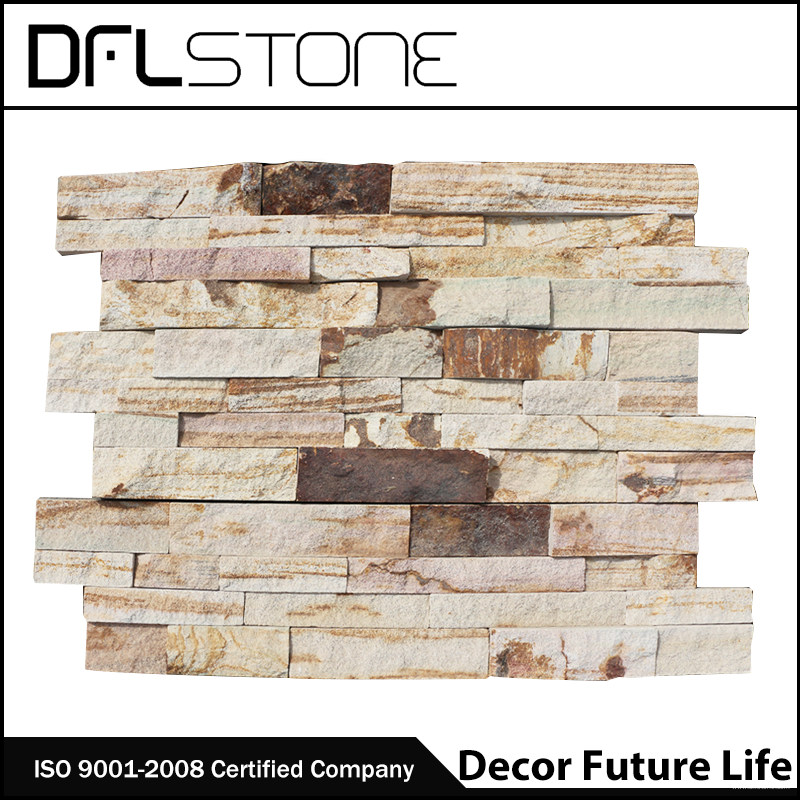
One of the key advantages that China offers as a cladding stone supplier is the vast array of stone materials available. From classic granites and marbles to more contemporary choices like quartzite and sandstone, the selection is incredibly broad. This diversity allows architects and designers to choose cladding materials that not only fit their aesthetic vision but also meet functional requirements for durability, insulation, and weather resistance.
Among the popular choices, Chinese granite stands out due to its high compressive strength and low water absorption rates, making it suitable for both exterior and interior applications. Marble, known for its elegance and variety of color, is often used for luxury residential and commercial projects. Furthermore, the availability of engineered stone has opened up new avenues, offering a blend of beauty and practicality by combining natural stone with advanced technology.
Competitive Pricing and Advanced Technology
China's ability to provide high-quality cladding stone at competitive prices makes it an attractive option for international buyers. The country benefits from abundant natural resources and a well-developed infrastructure, which allows for efficient extraction and processing of stone materials. Moreover, advancements in technology and manufacturing processes have enabled Chinese suppliers to enhance productivity while maintaining quality.
Modern factories equipped with cutting-edge machinery can produce large quantities of stone quickly and efficiently, reducing costs that can be passed on to consumers. This competitive pricing has led many construction companies across the globe to source their cladding materials from China, facilitating economical yet luxurious building solutions.
Sustainability Efforts
As the world moves towards sustainable construction practices, Chinese stone suppliers are also making strides in environmental responsibility. Many manufacturers are adopting eco-friendly practices, such as using recycled materials and minimizing waste during the production process. Additionally, some suppliers are focusing on the sustainable extraction of stone, ensuring that their mining practices do not harm the surrounding ecosystem.
These efforts align with global trends towards green building, where sustainable materials are paramount. Architects and builders seeking to create environmentally friendly structures can find numerous options among Chinese cladding stone suppliers, thereby paving the way for sustainable architecture.
Global Impact
China’s dominance in the cladding stone market has significant implications for the global construction industry. With its ability to meet diverse design needs through a combination of quality, variety, and affordability, Chinese stone suppliers are shaping architectural landscapes worldwide. This trend also fosters increased competition among suppliers from other countries, ultimately leading to better quality and lower prices for consumers.
As the demand for distinctive and functional architectural designs continues to rise, China’s role as a leading cladding stone supplier seems poised to grow. Whether constructing commercial spaces, residential buildings, or public infrastructures, the elegance and durability of Chinese cladding stones offer endless possibilities for innovative design solutions.
In conclusion, China's emergence as a dominant player in the cladding stone market is a testament to its resourcefulness, technical advancement, and commitment to sustainability. As the industry continues to evolve, the opportunities for collaboration between Chinese suppliers and international architects will likely expand, bringing even more exciting possibilities to the realm of architecture and design.