

The Beauty and Utility of China’s Natural Stones
China, renowned for its rich cultural heritage and breathtaking landscapes, is also home to a variety of natural stones that have captivated artisans, architects, and nature lovers worldwide. From the majestic mountains to the serene riverbeds, these stones have been used for thousands of years to create stunning works of art, architectural masterpieces, and functional tools. This article delves into the allure and applications of China’s natural stones, highlighting their significance in both contemporary and traditional contexts.
The Beauty and Utility of China’s Natural Stones
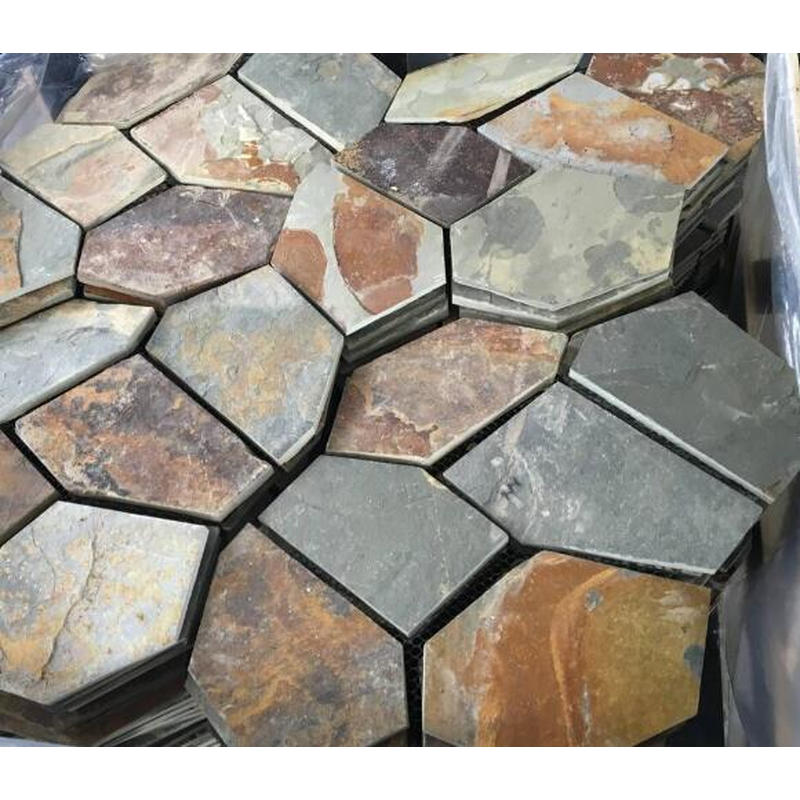
Another noteworthy natural stone is Chinese granite, which is found in abundance across various provinces, particularly in Guangdong and Jiangxi. Chinese granite is hard, durable, and resistant to weathering, making it an excellent choice for outdoor applications, such as monuments, buildings, and landscaping. Its ability to withstand the test of time without losing its luster has made it a favored material for historical sites and modern constructions alike. The variety of colors, ranging from deep blacks and grays to vibrant greens and reds, adds a distinctive charm to any project, allowing architects to explore a spectrum of creative possibilities.
Jade, treasured for centuries in Chinese culture, is not only a stone of beauty but also of significance. Often used in jewelry, ornaments, and ceremonial objects, jade represents purity, moral integrity, and protection in Chinese tradition. The historical significance of jade in Confucianism and its association with wealth and status further elevate its value. Today, jade carving continues to thrive, with artisans skillfully transforming this precious stone into intricate designs that command high prices in the global market. The artistry involved in jade craftsmanship reflects both the deep-rooted cultural values and the exquisite skill of the craftsmen.
The Shoushan stone, native to the coastal region of Fujian, is another remarkable gem. Known for its unique colors and patterns, this stone is primarily used for carving and is highly prized in the art of seal cutting. The intricate sculptures and seals crafted from Shoushan stone showcase not only the material's beauty but also the remarkable techniques employed by skilled artisans. This stone has transcended its utility as a mere object and has become a symbol of cultural heritage and artistic expression.
In recent years, there has been a growing interest in the environmental aspect of natural stones, particularly in sustainable practices. Chinese stone industries are increasingly adopting eco-friendly extraction and processing techniques, ensuring that the beauty of these natural resources can be preserved for generations to come. By prioritizing sustainable practices, the industry aims to strike a balance between economic growth and environmental stewardship, allowing for a continued appreciation of China's natural stones.
In conclusion, the rich variety of natural stones in China serves as a testament to the country's geological diversity and cultural significance. From the ancient use of jade to contemporary applications of marble and granite, these materials are integral to both artistic endeavors and architectural innovations. As we continue to explore and appreciate the beauty of China’s natural stones, it is crucial to emphasize the importance of sustainable practices that protect these treasures for future generations. Whether in public spaces or private homes, the charm and character of Chinese natural stones will undoubtedly leave a lasting impression on all who encounter them.





