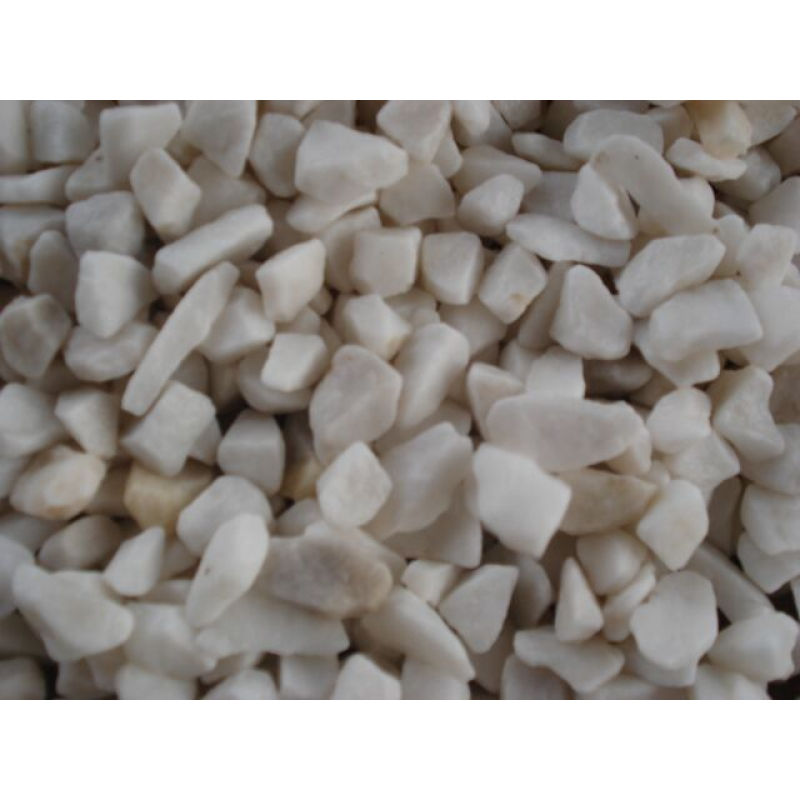
The Rising Popularity of Slate Tiles A Comprehensive Guide for Suppliers
In recent years, the demand for slate tiles has surged, driven by their unique aesthetic appeal, durability, and versatility. As suppliers in an increasingly competitive market, understanding the trends, benefits, and applications of slate tiles is crucial for staying ahead. This article aims to provide insights into the slate tile industry and how suppliers can optimize their offerings to meet growing consumer demands.
What Are Slate Tiles?
Slate tiles are natural stone products characterized by their fine-grained texture and layered structure. They are quarried from metamorphic rocks, predominantly found in regions abundant in minerals, such as quartz, chlorite, and mica. The result is a highly durable product that withstands wear and tear, making it suitable for various applications, both indoors and outdoors.
Benefits of Slate Tiles
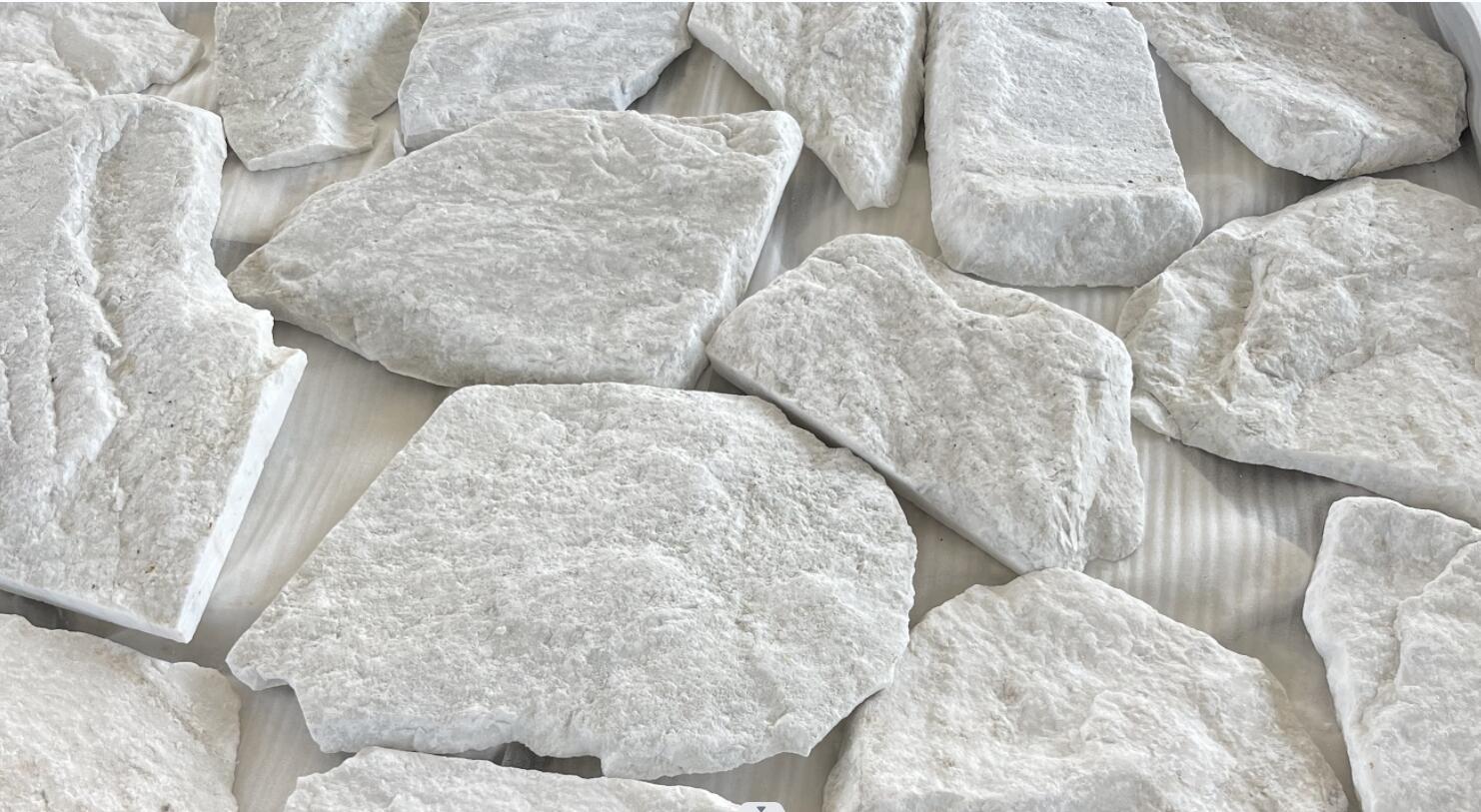
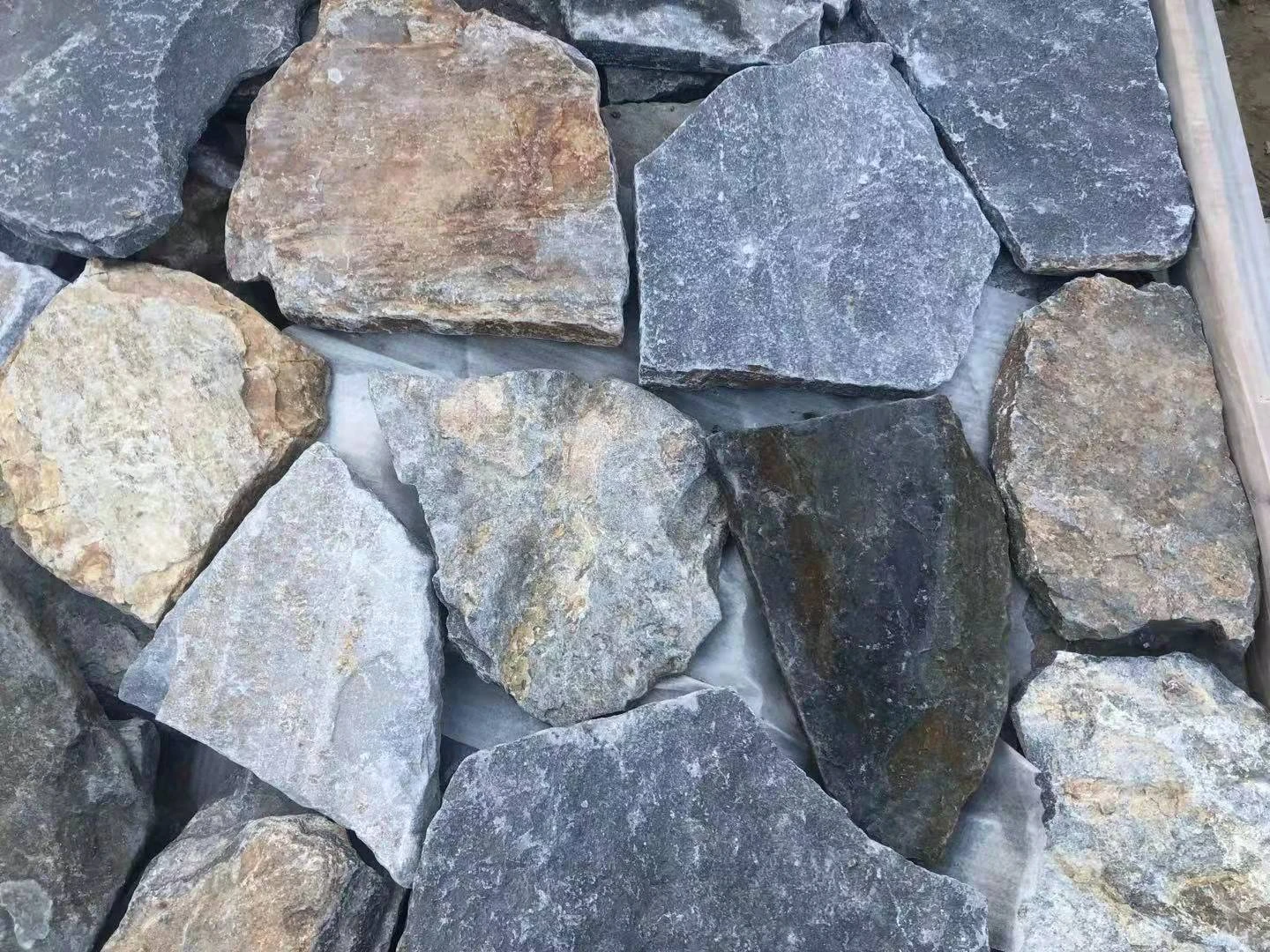
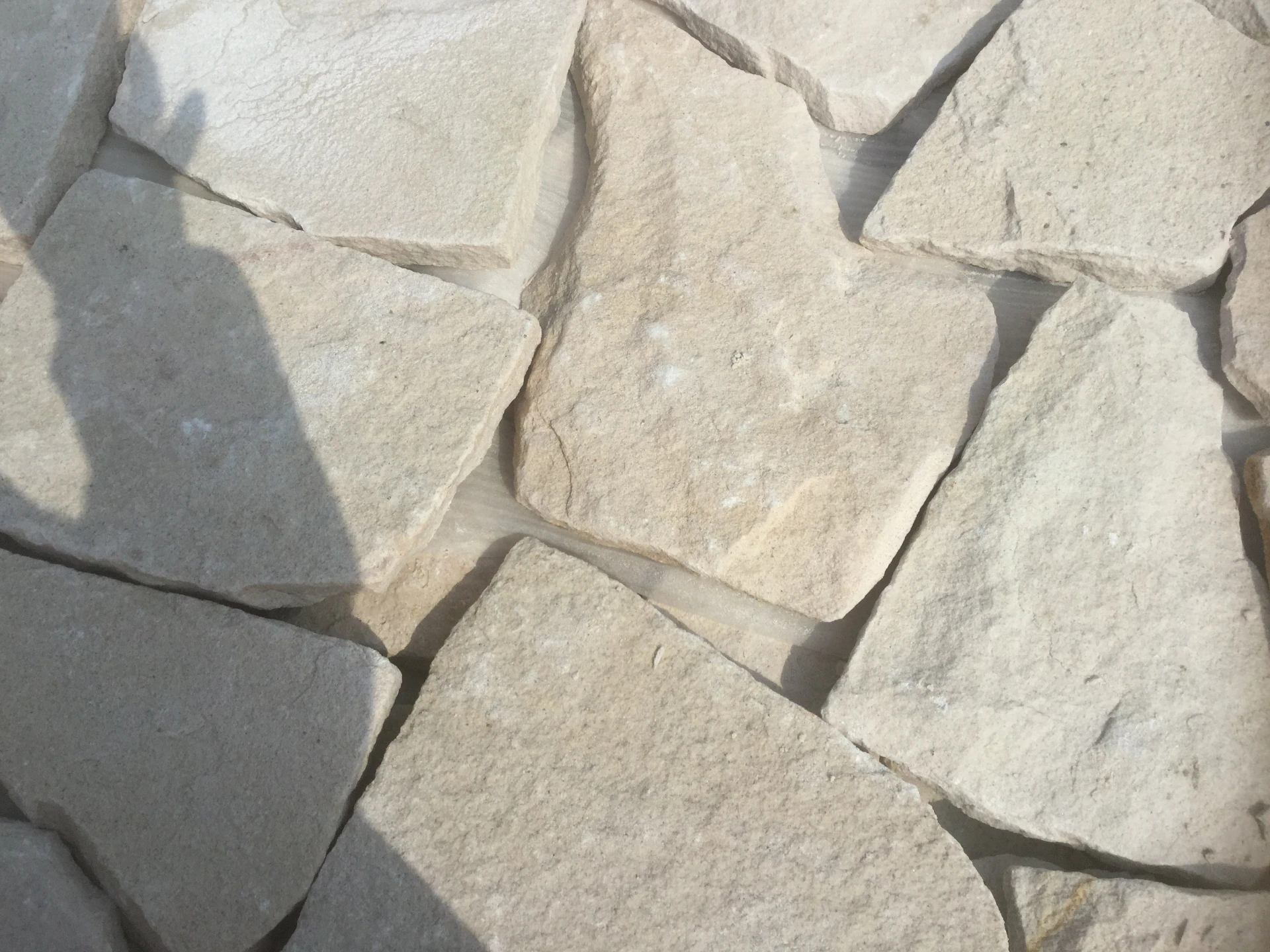
1. Aesthetic Appeal Slate tiles come in a variety of colors, including gray, black, green, and even red. This diversity allows homeowners and designers to achieve distinct looks, from rustic charm to modern sophistication.
2. Durability One of the most significant advantages of slate tiles is their resilience. They are naturally resistant to moisture, making them ideal for high-traffic areas and climates with varying weather conditions. This durability extends the lifespan of the flooring, ensuring that it maintains its appearance even after years of use.
3. Low Maintenance Unlike some other flooring options, slate tiles require minimal maintenance. Regular sweeping and occasional damp mopping are usually enough to keep them looking pristine. Additionally, their natural resistance to staining makes them a practical choice for kitchens and bathrooms.
4. Eco-Friendliness As a natural stone, slate is an environmentally friendly option compared to synthetic tiles. Suppliers can market slate tiles to eco-conscious consumers who prioritize sustainable building materials.
Applications of Slate Tiles
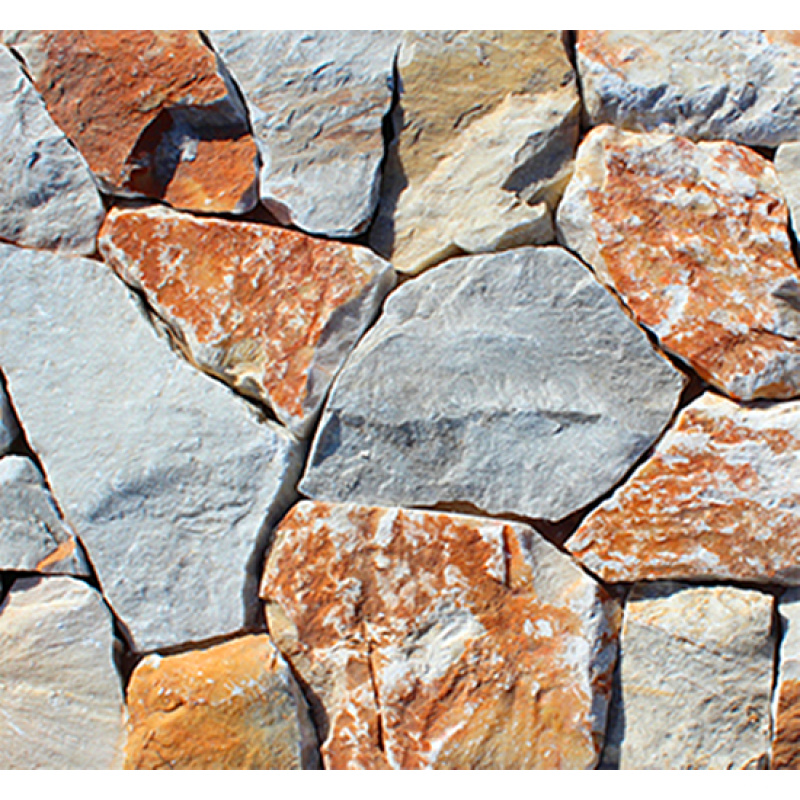
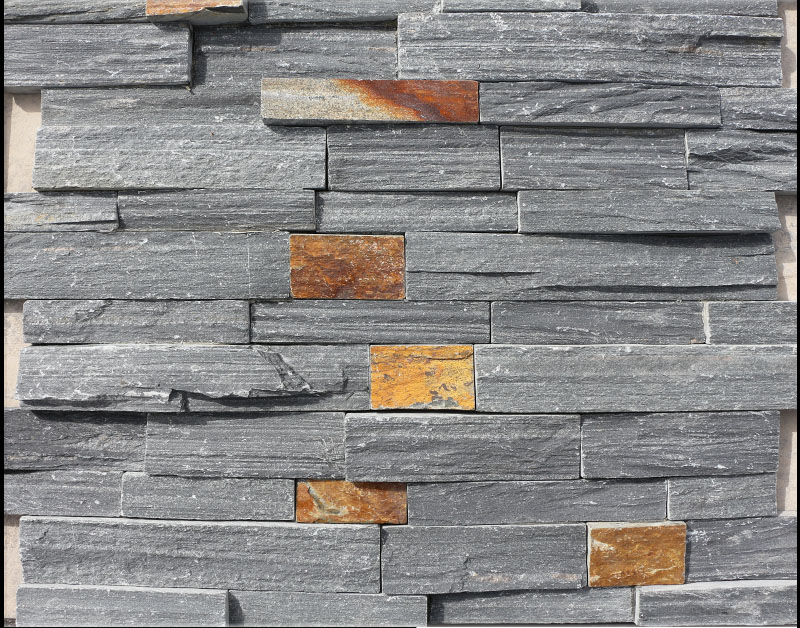
Slate tiles can be used in various settings, from residential homes to commercial spaces. Their durability makes them perfect for flooring, while their aesthetic versatility allows them to be used as wall cladding, countertops, and even outdoor patios. The ability to cut tiles into diverse shapes and sizes further enhances their appeal, providing creative design opportunities.
Choosing the Right Supplier
For consumers looking to purchase slate tiles, the choice of supplier is crucial. Here are some factors to consider
- Quality High-quality slate should be dense and free from cracks. Suppliers should be able to provide samples and information about the origin of their slate.
- Varieties Suppliers should offer a range of colors and finishes to cater to different aesthetic preferences.
- Expertise Knowledgeable suppliers can assist consumers in selecting the right slate for their specific needs, particularly regarding thickness and suitability for different applications.
- Customer Service Excellent support and service can enhance the purchasing experience, leading to repeat business and referrals.
Conclusion
The increasing popularity of slate tiles presents vast opportunities for suppliers. By understanding the unique characteristics and benefits of slate, as well as catering to the evolving needs of consumers, suppliers can position themselves effectively in the market. With an eye toward quality and a commitment to customer satisfaction, the slate tile industry is poised for continued growth in the coming years. As homeowners seek durable, attractive, and sustainable options for their flooring and design projects, slate tiles will undoubtedly remain a top choice.