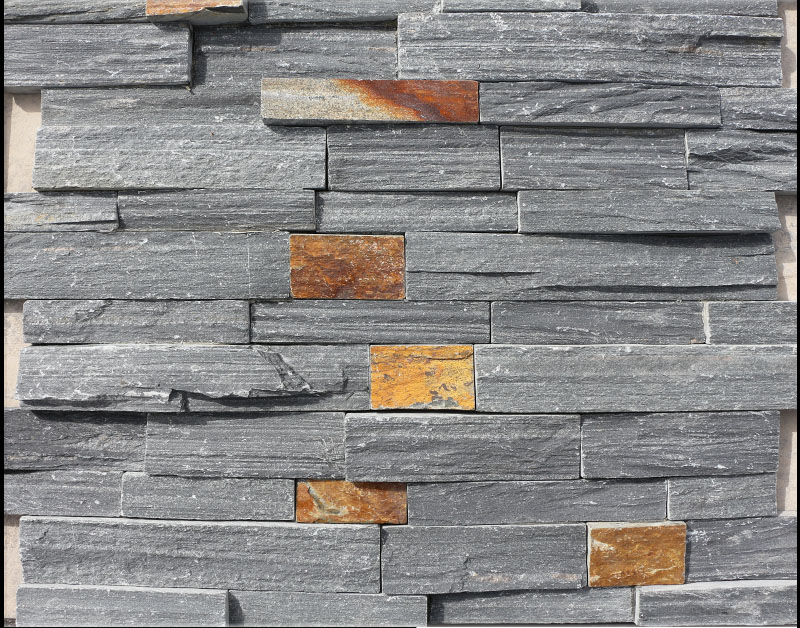
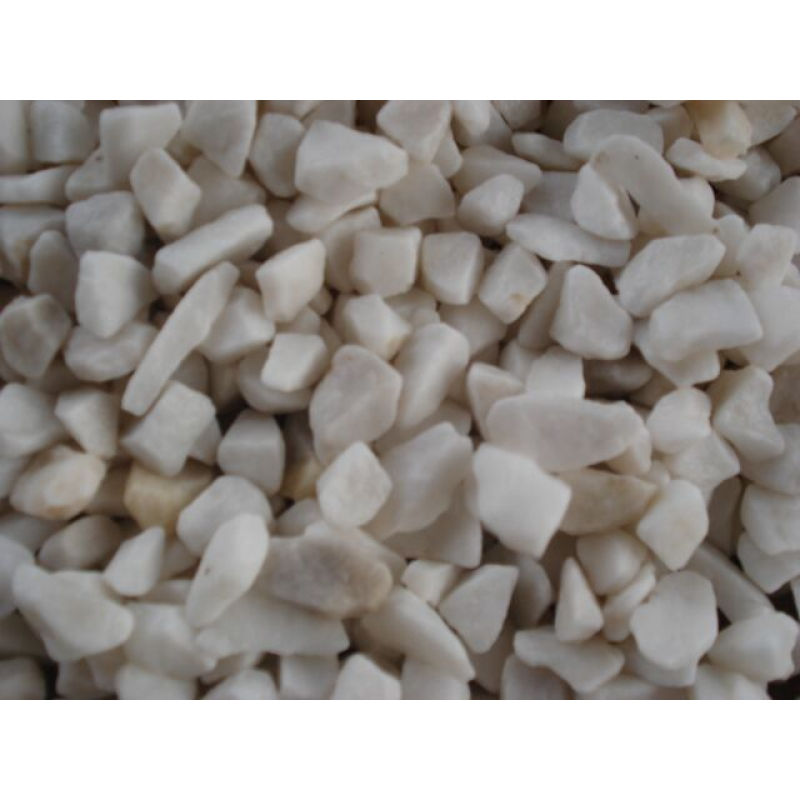
The Art of Stacked Stone A Timeless Tradition
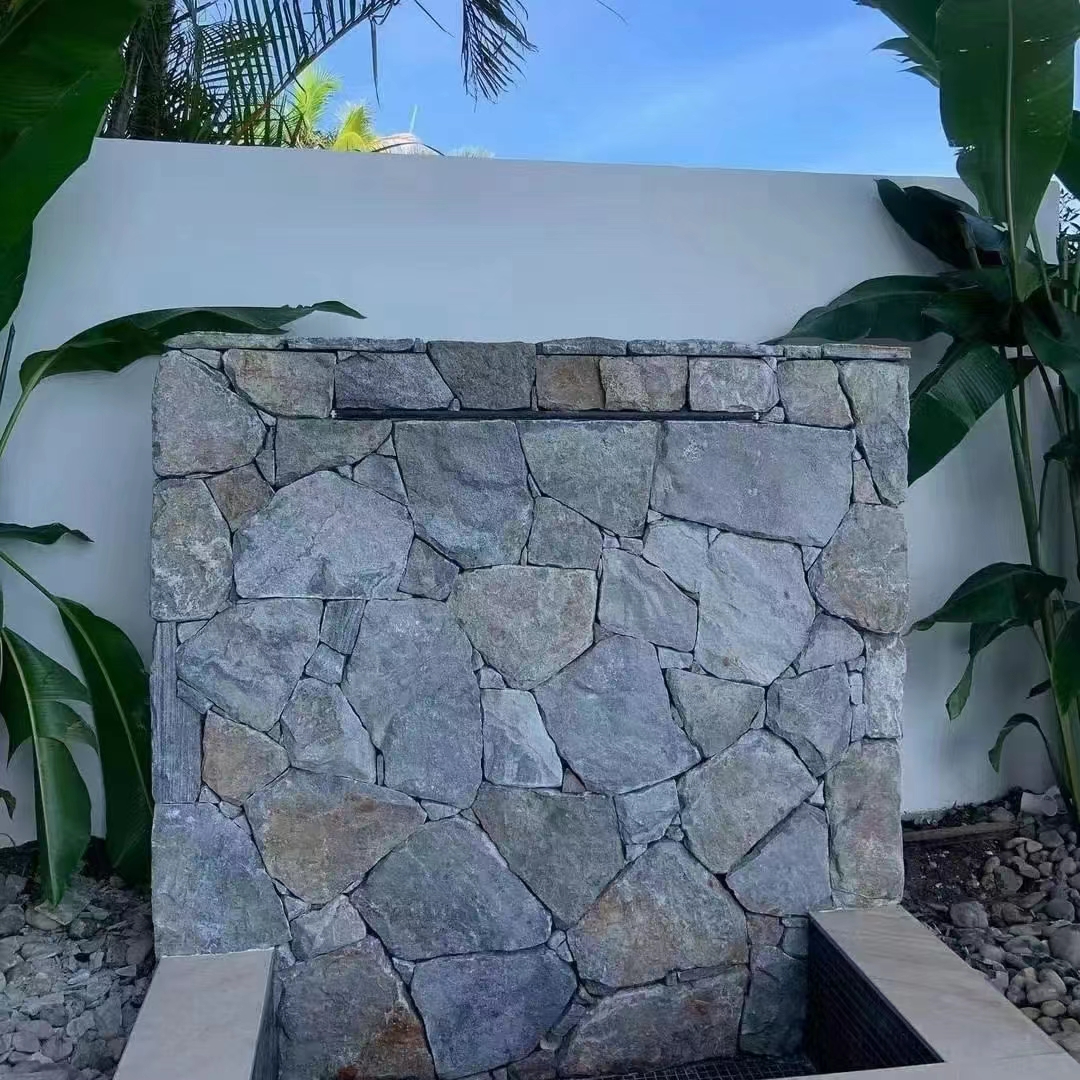
Stacked stone, a method that has captured the essence of nature’s beauty and human creativity, has been utilized across various cultures and epochs. This ancient practice involves arranging stones in a manner that creates aesthetically pleasing and structurally stable formations. Whether it’s in dry-stacked walls, sculptures, or pathways, stacked stones speak to both their functional and artistic potential.
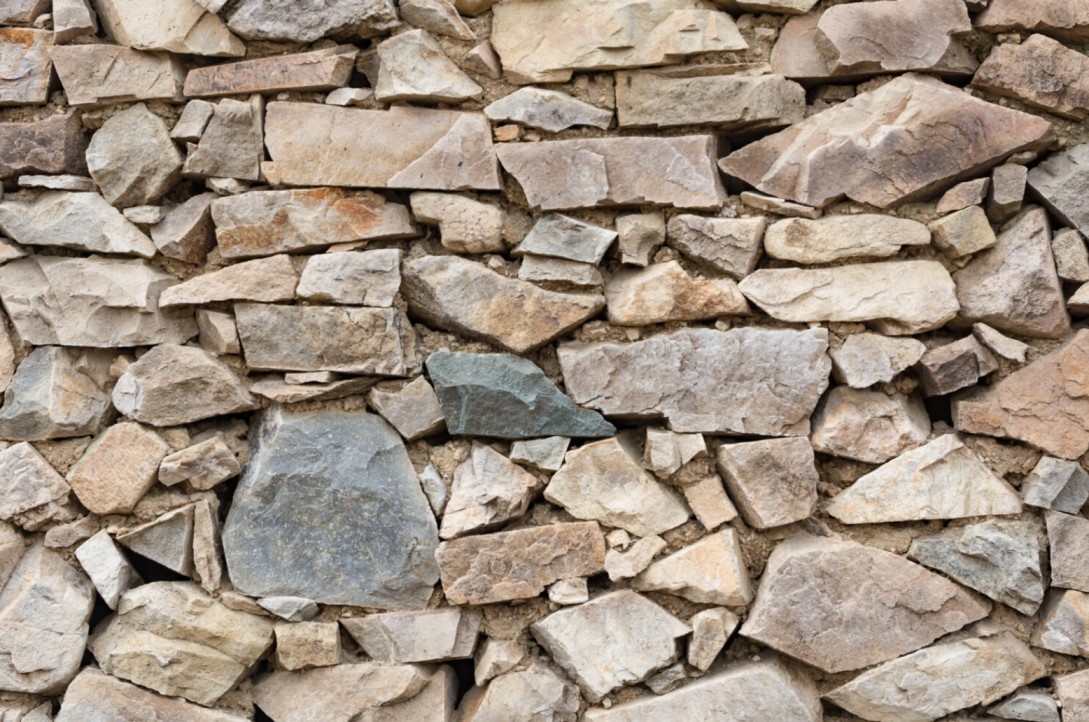
Historically, stacked stone has been employed in many architectural styles and practices. In the ancient past, it served a functional purpose—it acted as a building material for walls, monuments, and even shelters. In regions where wood was scarce, such as the British Isles and parts of the Mediterranean, stones became the primary resource for construction. The iconic dry-stone walls of England, still in use today, demonstrate the skill and techniques developed over centuries, showcasing how these structures can remain resilient against the ravages of time.
However, the significance of stacked stone extends beyond mere practicality
. Many Native American tribes, for instance, have used stone stacking not only for functional purposes but also for spiritual and ceremonial activities. The balanced stones represent a connection to earth and the elements, serving as markers for trails or sacred sites. This practice is not only an artistic expression but also a means of communication, conveying messages about territory, spirituality, and community.In today’s world, the trend of creating stacked stone art has gained momentum, with artists and enthusiasts experimenting with various forms and styles. The practice can be seen in numerous landscape designs, public art installations, and personal gardens. Stacked stone sculptures are revered for their intricate designs and the harmony they create with their surroundings. These works often reflect the artist's connection to nature and their philosophical interpretations of balance, stability, and resilience.
Creating stacked stone art requires patience, skill, and an understanding of balance. Artists must choose stones carefully, considering their size, shape, and weight. The slightest miscalculation can lead to collapse, making the practice both a challenge and a form of meditation. This attention to detail not only fosters creativity but also encourages mindfulness, as the artist must remain fully present in the moment to achieve their vision.
Moreover, the therapeutic benefits of working with stone are manifold. Many individuals find stacking stones to be a calming, grounding experience that allows for self-reflection. The repetitive action of balancing and arranging stones can serve as a form of meditation, providing a respite from the noise of everyday life. It’s an opportunity to connect with nature and find a sense of peace in the simplicity of the task.
Stacked stone art also has environmental implications. As more people look for sustainable means of decoration and construction, natural stone offers an eco-friendly alternative. Unlike synthetic materials, stones are durable, require minimal maintenance, and blend seamlessly into landscapes. By promoting the use of local stone, artists and builders reduce transportation costs and carbon footprints, aligning their work with contemporary sustainability movements.
In conclusion, the tradition of stacked stone art is a multifaceted practice that intertwines functionality, artistry, spirituality, and environmental consciousness. From ancient civilizations to modern artists, the allure of stackable stones continues to inspire creativity and connection to the earth. Whether viewed in a serene garden, prominent public installation, or a rustic wall, the beauty of stacked stone endures, reminding us of our innate relationship with the natural world. For those who choose to engage with this art form, each creation becomes a testament to the timeless bond between humanity and nature, where simplicity and elegance converge in a dance of stone.