The Significance of Building Stones in China
China, renowned for its rich geological diversity, boasts an impressive array of building stones that have been integral to its architectural heritage for thousands of years. From the majestic Great Wall to the intricately designed palaces of the Forbidden City, these stones not only serve as structural materials but also bear witness to the country’s cultural and historical evolution. This article explores the various types of building stones found in China, their historical significance, and their contemporary applications.
Types of Building Stones
China’s vast landscapes are home to numerous types of building stones, each with unique characteristics and utility. Some of the most common stones used in construction include granite, marble, limestone, and slate.
1. Granite Known for its durability and strength, granite is extensively used in both public and private buildings. The stone's ability to withstand weathering makes it an ideal choice for façades, flooring, and monuments. In cities like Shanghai and Beijing, granite has become a staple material, symbolizing modern architecture.
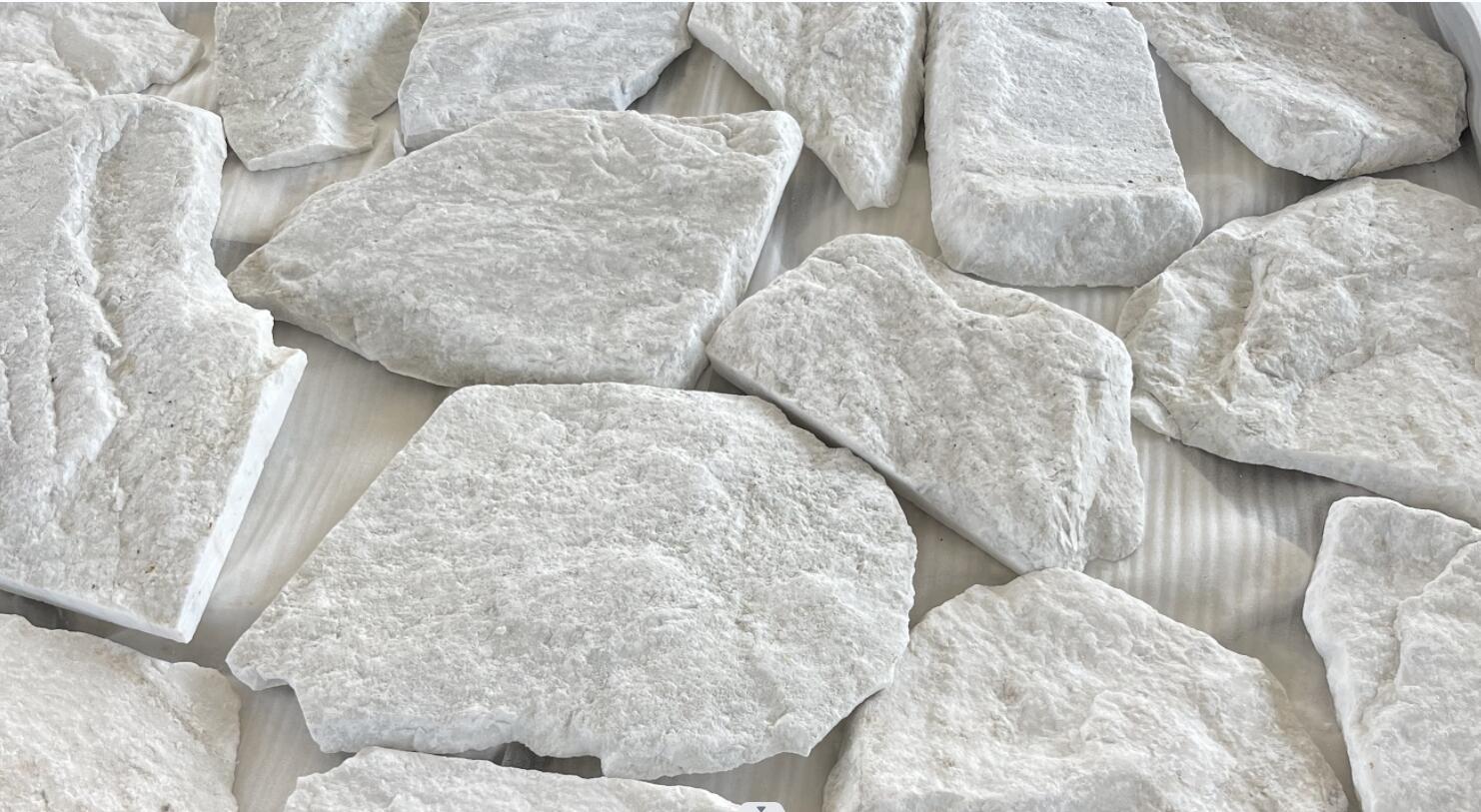
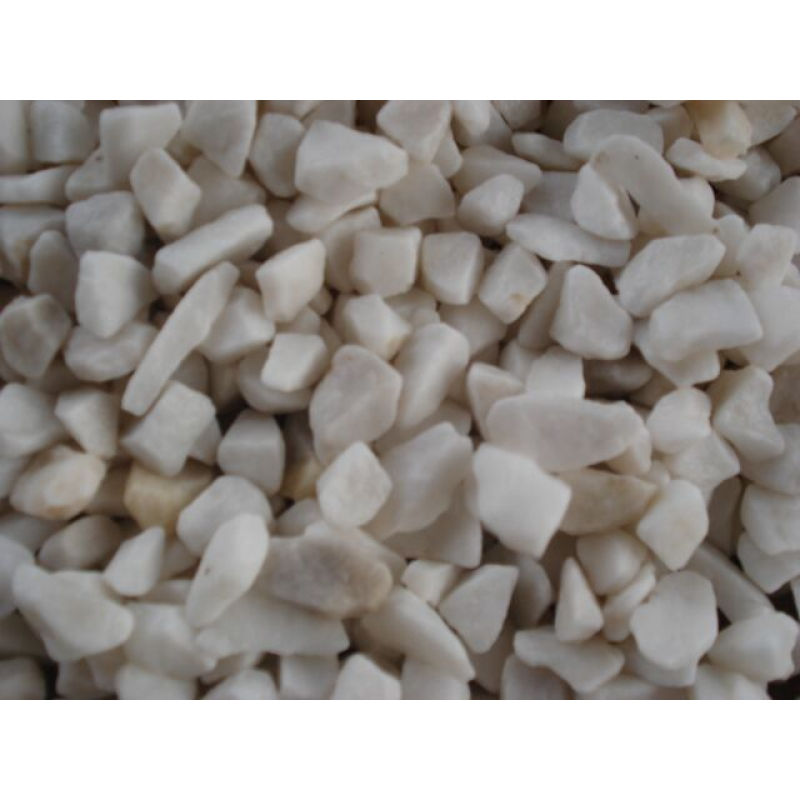
2. Marble Highly valued for its aesthetic appeal, marble has been used in traditional and contemporary Chinese architecture. The famed white marble from the region of Yangzhong has adorned critical structures, including temples and palaces. Its smooth finish and varied coloring allow for exquisite detailing in sculptures and decorative elements.
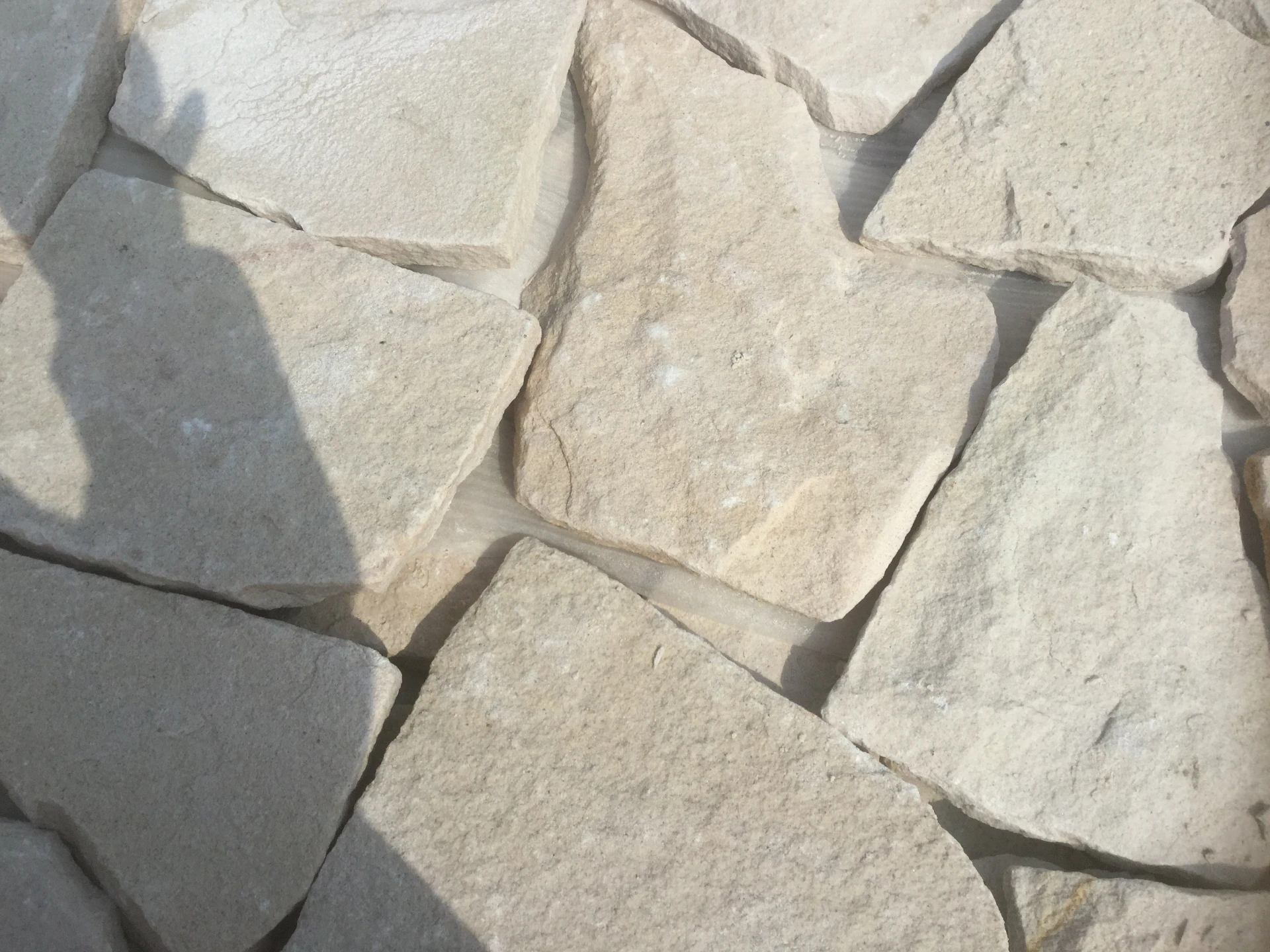
3. Limestone This sedimentary rock, which is prevalent in southern China, has historically been used for construction owing to its ease of quarrying and working. The ancient city of Pingyao showcases buildings crafted from local limestone, reflecting the region’s architectural style and cultural identity.
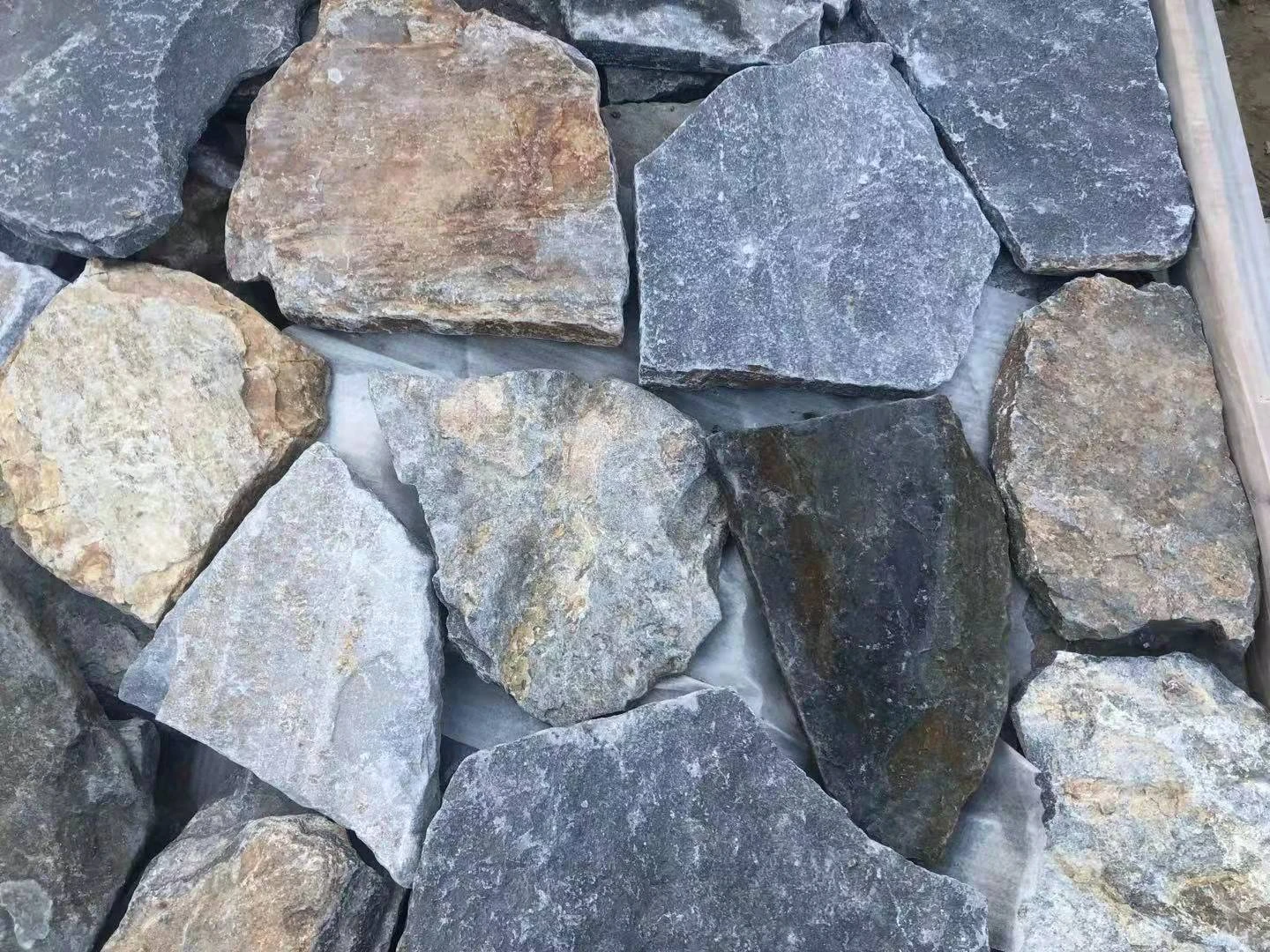
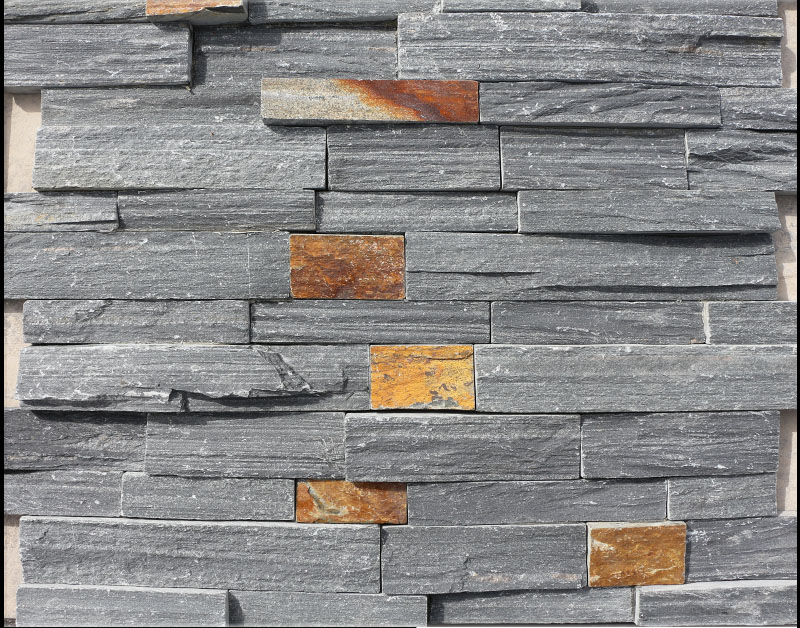
4. Slate With its layered structure and natural cleavage, slate is often used for roofing tiles and flooring. Regions like Yunnan and Tibet have a rich tradition of using slate, contributing to the distinctive look of local buildings and structures.
Historical Significance

The use of building stones in China dates back to ancient times when these materials were employed in temples, palaces, and city walls. The construction of the Great Wall, utilizing locally sourced stone, is a testament to the ingenuity and labor of ancient Chinese civilizations. Throughout history, various dynasties have favored different stones, leading to regional styles that reflect geographical and cultural influences.
During the Tang and Song dynasties, architectural techniques advanced significantly, incorporating intricate stone carvings and employment of larger stones in construction, which not only improved durability but also enhanced aesthetic value. These historical practices continue to influence modern architecture in China, where the fusion of traditional stone techniques with contemporary design is prevalent.
Contemporary Applications
In modern China, the use of building stones has evolved significantly, adapting to the demands of urbanization and sustainability. The rapid expansion of cities has necessitated innovative approaches to building materials, and once again, natural stones are at the forefront.
With a growing emphasis on eco-friendly construction practices, many architects are promoting the use of indigenous stones as they have a lower carbon footprint compared to artificial alternatives. For instance, the integration of local stones in urban landscapes has fostered a sense of place and cultural continuity, aligning with the principles of sustainable architecture.
Moreover, stone has found a place in public art installations and landscape designs, contributing to the aesthetic and cultural narrative of urban environments. Parks and open spaces often feature stone sculptures and pathways that connect inhabitants with their cultural heritage.
Conclusion
Building stones in China are more than mere construction materials; they are a testament to the nation’s historical journey, artistic expression, and cultural identity. As China continues to innovate and modernize, the integration of traditional stone practices with contemporary needs signals a respectful continuity of its rich architectural heritage. As such, understanding the significance of building stones not only enriches our appreciation of Chinese architecture but also highlights the ongoing dialogue between past and present in urban development. With each stone laid, a narrative unfolds, connecting generations through the enduring power of stone.