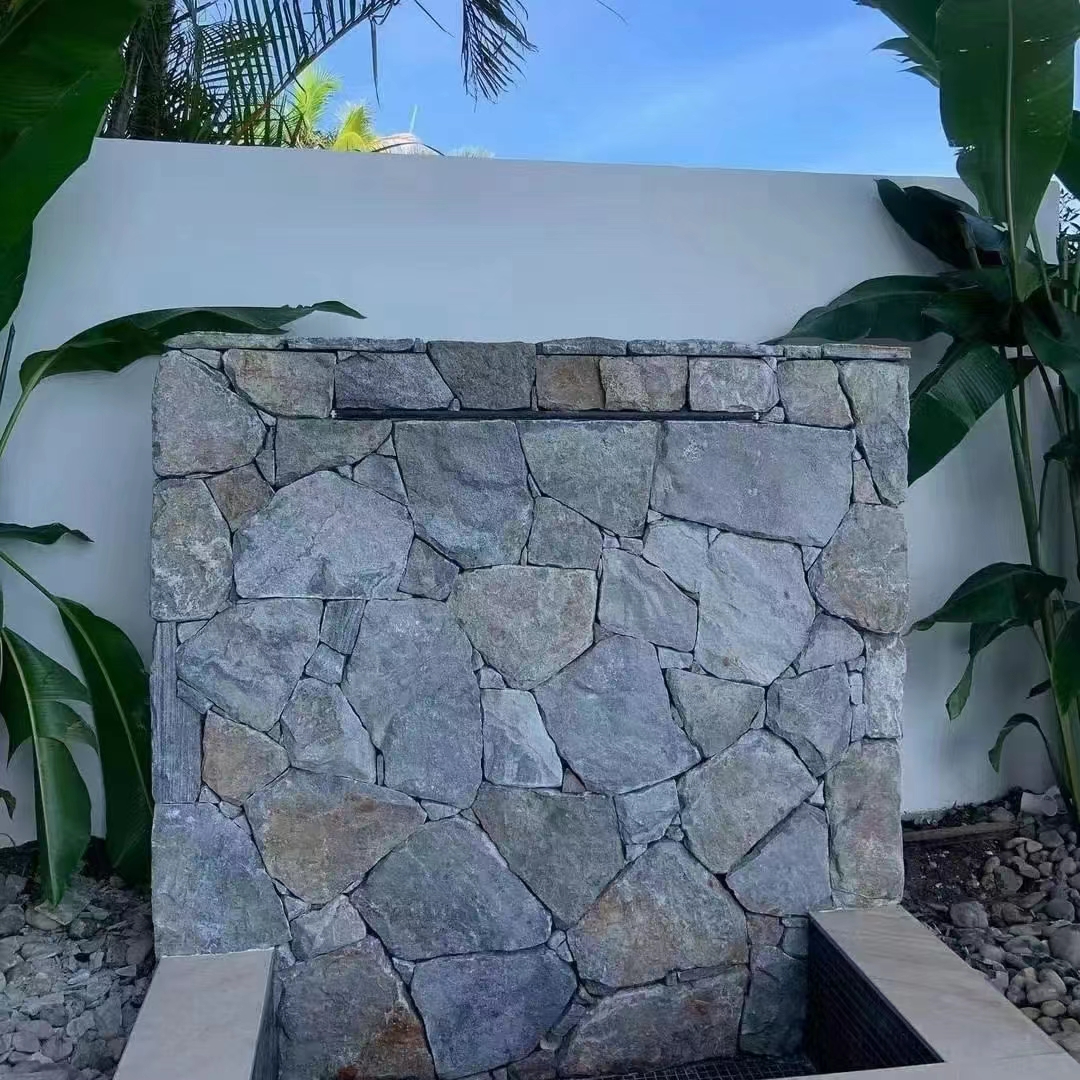
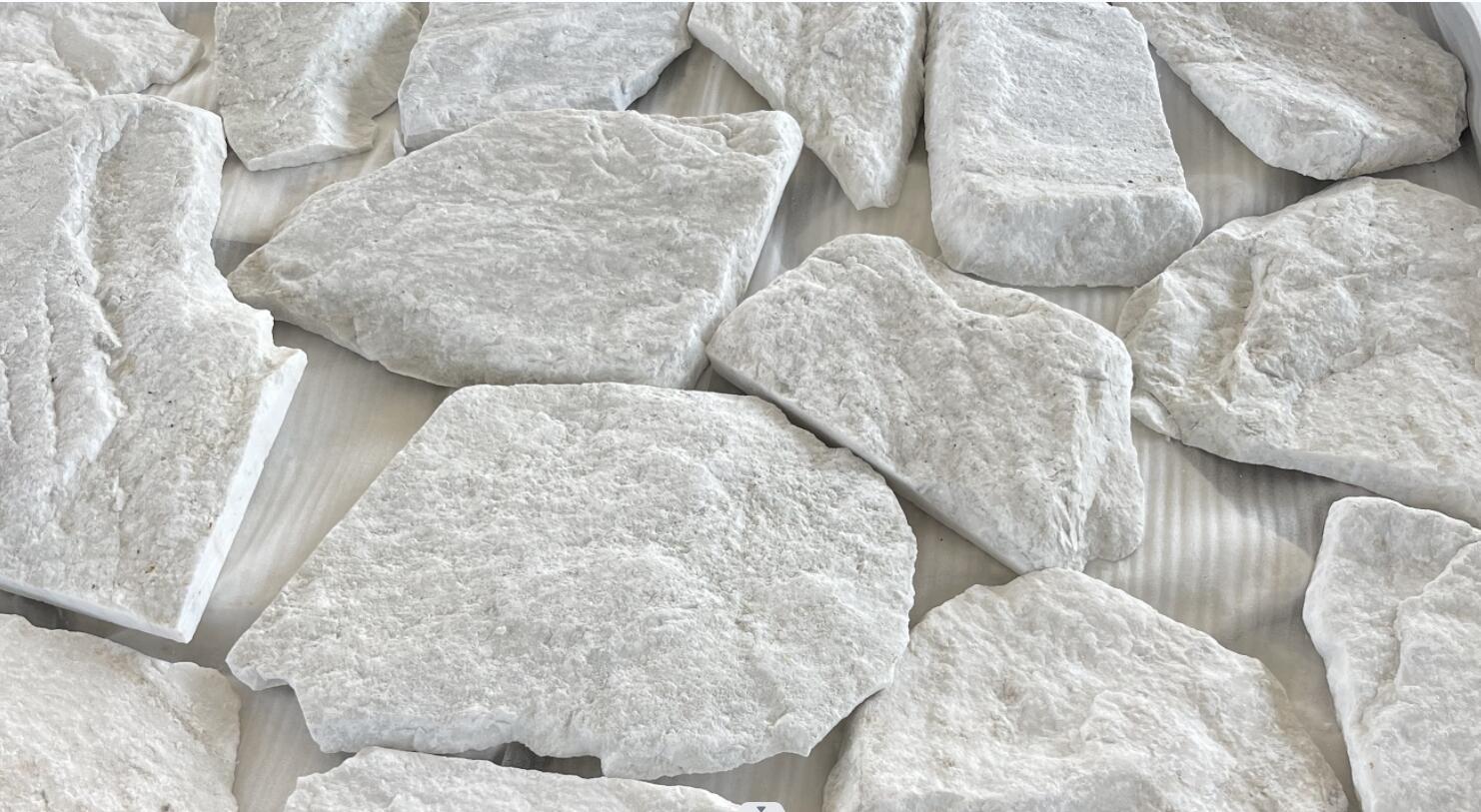
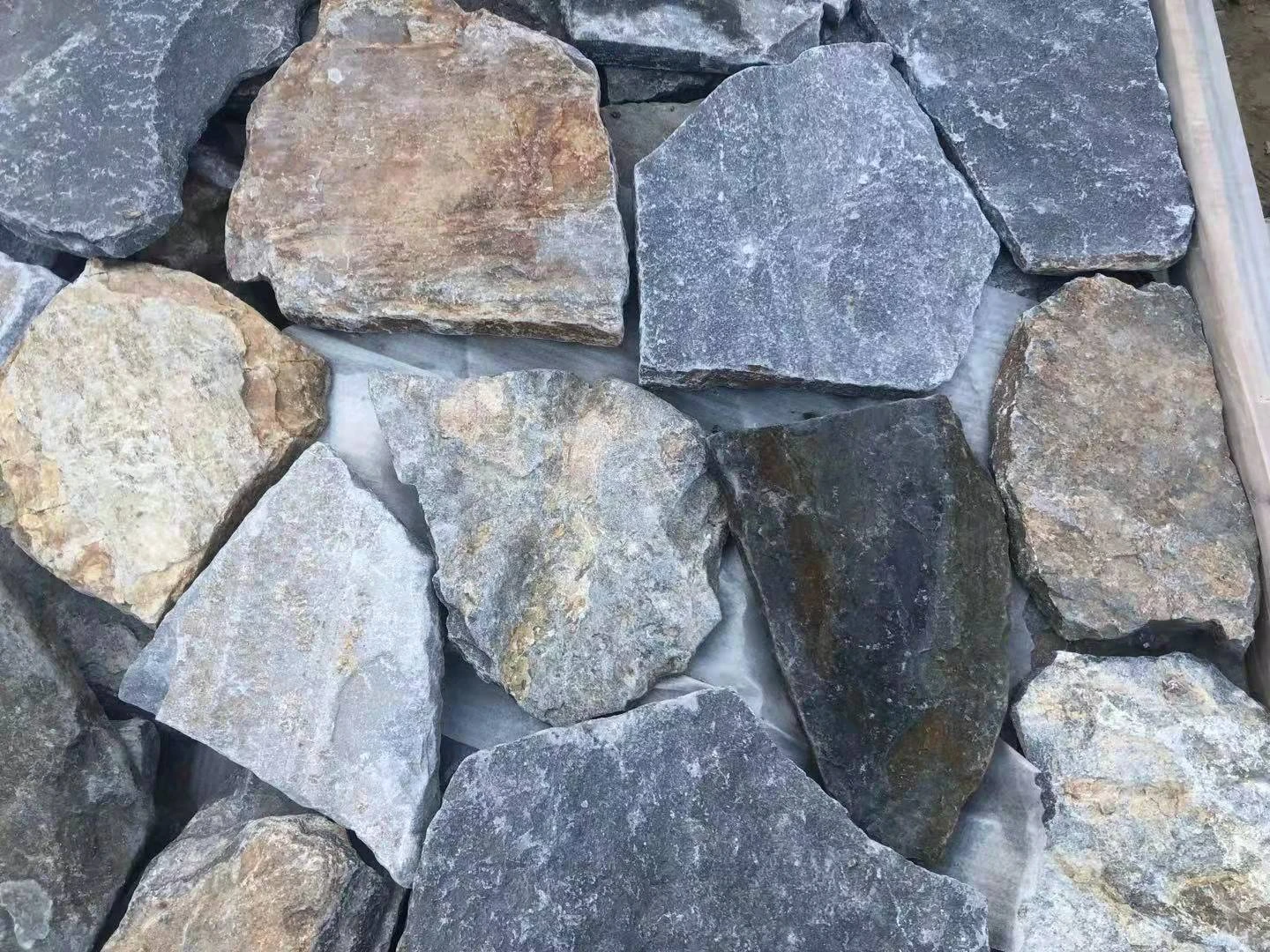
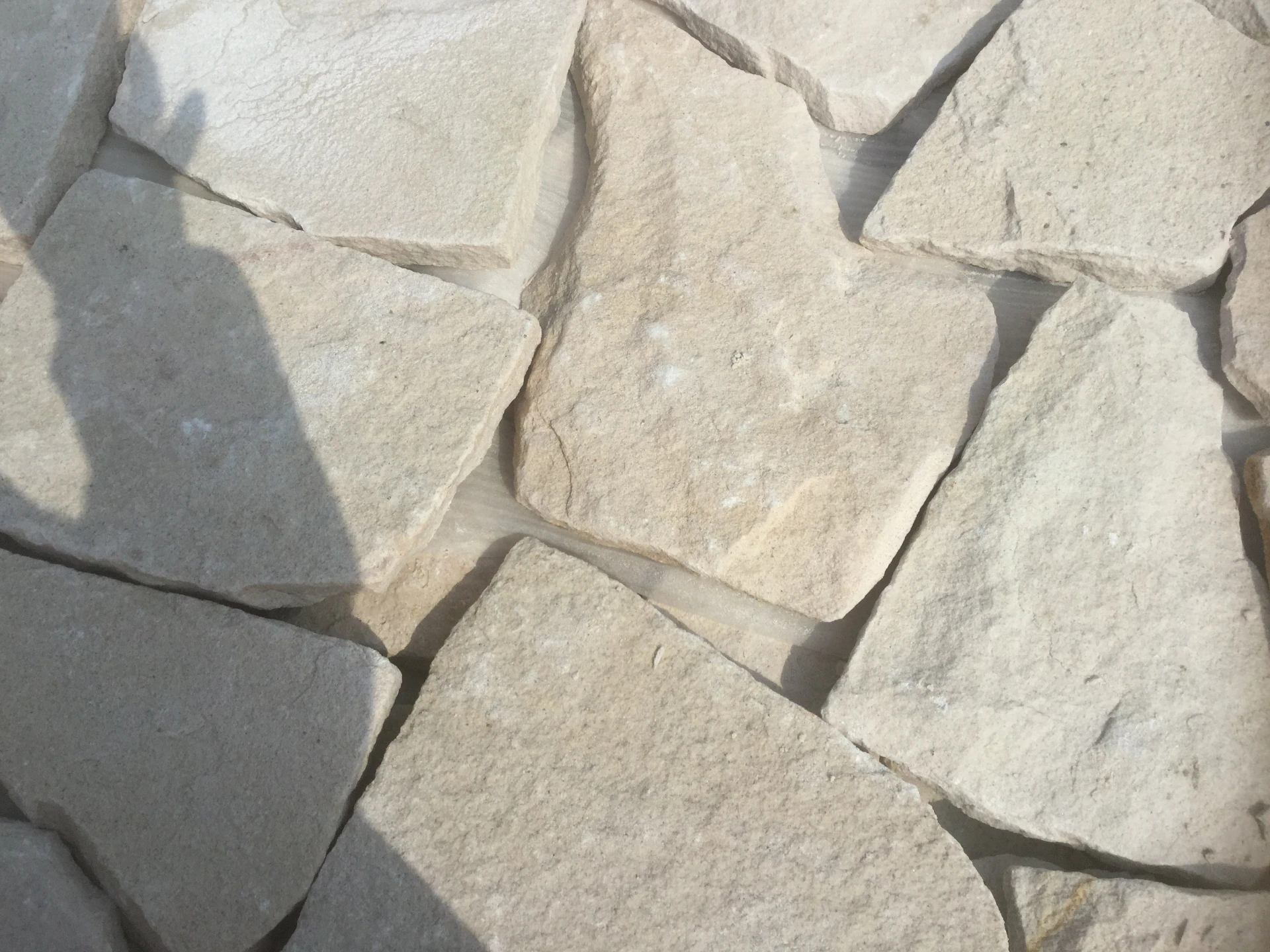
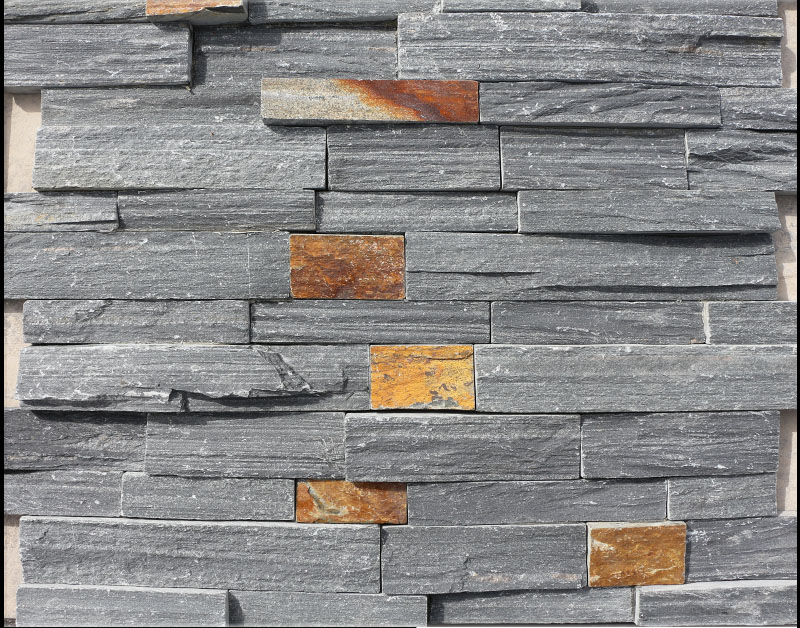
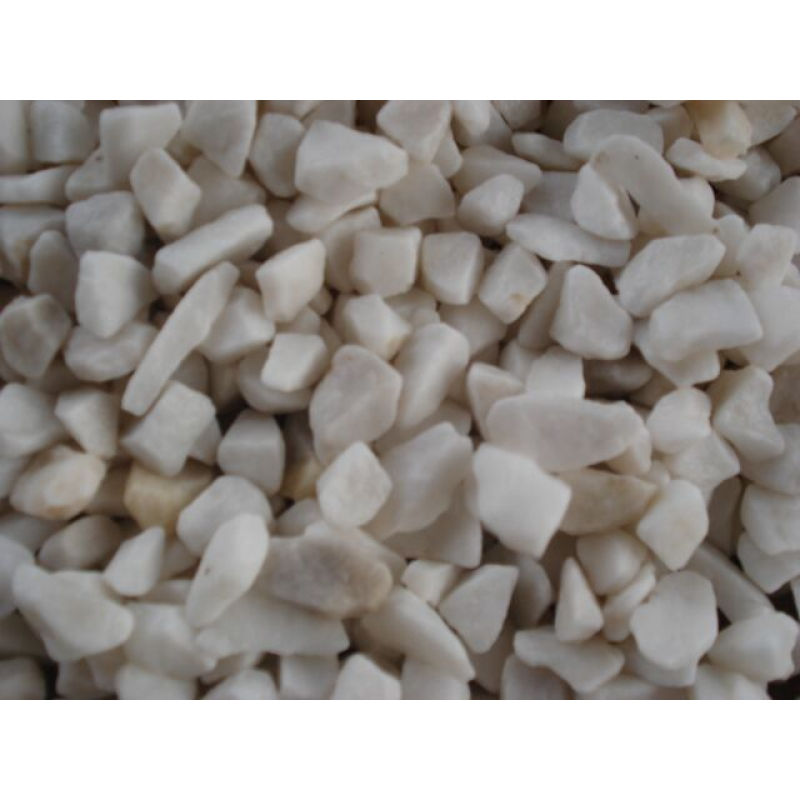
If you’ve ever walked through a charming old town or admired a monumental building, chances are you were looking at natural stone — that timeless building material that quietly shapes our surroundings. But beyond aesthetics, buying natural stones has become an increasingly vital part of industries ranging from construction to artistry, sustainability projects, and even humanitarian relief work.
At first glance, natural stone might seem like a simple commodity, but globally it plays crucial roles in infrastructure durability, cultural heritage preservation, and environmentally conscious design. Understanding how and why to buy natural stones encompasses economics, ecology, and even international standards, making it a surprisingly rich topic. And frankly, it’s a topic worth knowing if you’re involved in any form of building, design, or restoration.
Natural stone trade is a multi-billion dollar industry affecting economies from India to Italy to Brazil. The International Organization for Standardization (ISO) sets benchmarks for quality and sustainability in stone extraction and processing, ensuring the material meets both aesthetic and technical needs.
UN data suggests that sustainable mining and responsible sourcing of natural stones can significantly reduce environmental degradation linked to construction and urban development worldwide. And, while concrete and steel dominate modern infrastructure, a rising demand for natural materials to lower carbon footprints and support local economies is becoming evident.
But the big challenge? That delicate balance between scalable production and environmental care. Overharvesting or poor quality control can undermine the entire sector, causing unfair trade practices and ecological harm.
In essence, to buy natural stones means to acquire quarried or sourced rock materials such as granite, marble, limestone, or sandstone for use in construction, landscaping, art, or restoration. These stones are valued for their durability, beauty, and unique geological qualities.
Unlike synthetic or engineered materials, natural stones carry the story of the Earth’s history within their grains. These stones connect us tangibly to our environment — and industries that rely on them range from architecture to urban planning, as well as even humanitarian shelters where robust materials are vital.
Not all stones are created equal. For instance, granite is prized for its extreme hardness, making it ideal for heavy-traffic flooring, while softer stones like sandstone offer easier carving but reduced longevity. When you buy natural stones, assessing their geological robustness ensures your project will last beyond the initial wow factor.
Every quarried slab is unique. Veining, coloration, and texture vary even across the same quarry. Buyers aiming for consistent visual appearance will insist on close inspection and grading, while others treasure natural variation for more rustic or bespoke effects.
Quarrying stones impacts landscapes. Ethical sourcing — including reclamation efforts and minimal waste policies — is crucial. Certifications like the Natural Stone Sustainability Standard help buyers identify greener options.
Some natural stones are abundant and competitively priced; others, especially rare marbles or stones from politically sensitive regions, come with premium price tags and import hurdles. Costs also factor in transport, finishing, and installation complexity.
Is your stone going outdoors, indoors, on flooring, or cladding? Each use case demands particular qualities: weather resistance, slip resistance, or ease of maintenance.
Across continents, natural stones form the backbone of construction, art, and even relief operations. Here’s a quick look at some applications:
Oddly enough, something as old-fashioned as stone still matters a lot in remote industrial zones where synthetic materials may fail due to climate extremes.
| Stone Type | Density (kg/m³) | Compressive Strength (MPa) | Water Absorption (%) | Common Use |
|---|---|---|---|---|
| Granite | 2700 | 130 – 250 | 0.4 – 0.8 | Flooring, countertops, exterior cladding |
| Marble | 2600 | 70 – 140 | 0.1 – 0.5 | Interior flooring, sculpture, facades |
| Limestone | 2700 | 30 – 250 | 1 – 6 | Wall cladding, flooring, cement production |
| Sandstone | 2200 | 20 – 170 | 0.5 – 6 | Facade, paving, landscaping |
In real terms, buying natural stones often means investing in materials that outlast and outperform many alternatives. Their strength translates into resilience — fewer repairs, less replacement, less waste.
Emotionally, natural stones connect people to something timeless and authentic. They convey trust and stability, which is why many cultural monuments and government buildings utilize them. Socially, responsible stone sourcing can support local economies and preserve traditional crafts.
Financially, despite sometimes higher upfront costs, the lifecycle value of natural stones often results in lower maintenance expenses and add value to properties — a win-win if you want beauty and durability.
Technology is slowly rewriting how we extract and use stone. Automated quarrying reduces waste and environmental impact. Digital scanning and 3D modeling help buyers select materials with remarkable precision before committing.
Sustainability initiatives push for recycled stone aggregates and alternative materials to complement natural stones, while policy frameworks (such as those encouraged by the UN Environment Programme) tighten environmental monitoring and labor standards.
Then there’s the ever-growing demand for green construction. Natural stone’s ability to store thermal energy and its recyclability (just think of old buildings reused) keep it firmly in the eco-friendly spotlight.
Of course, challenges exist. Variability in stone quality can lead to project delays or added costs for replacements. Extraction and shipping can have environmental footprints that clash with sustainability goals. Furthermore, bureaucratic hurdles around import/export can be a real headache, especially for NGOs or small businesses.
Smart solutions include working with reputable suppliers who maintain consistent quarry practices and lean supply chains, embracing digital ordering platforms for transparency, and partnering with organizations certified under sustainability standards.
| Vendor | Stone Range | Sustainability Certifications | Global Reach | Additional Services |
|---|---|---|---|---|
| DFL Stones | Granite, Marble, Limestone | ISO 14001, FSC | Europe, Asia, Americas | Custom cuts, on-site consulting |
| StoneWorld Ltd. | Sandstone, Slate, Marble | LEED Approved | Europe, Middle East | Design collaboration |
| Global Stone Hub | Granite, Quartzite | ISO 9001 | Worldwide | Logistics & export support |
Prioritize stones with high compressive strength and low water absorption to resist weathering. Granite and quartzite are good candidates. Also, ensure the stone has slip resistance if used for paving.
It depends largely on mining practices. Sustainable quarry operations minimize habitat damage and waste. Look for vendors with recognized sustainability certifications, and consider local stones to cut transport emissions.
Request samples from your supplier and specify required grading. Some vendors offer batch matching. Digital imaging can aid in previewing stone aesthetics before purchase.
Yes. Many suppliers offer custom cutting, polishing, and finishing services to suit specific project needs. These additions might increase cost and lead time.
Established vendors like DFL Stones offer verified quality, international compliance, and a range of stones to fit diverse needs. Always check certifications and ask for references.
Buying natural stones is a blend of art and science, a dance between raw earth and refined human intent. Investing time in choosing the right stone isn't just a technical choice — it’s about adding lasting value, sustainability, and a touch of nature to our built world.
So if your next project calls for materials that stand the test of time and also feel right at home with the environment, buy natural stones wisely and responsibly. You might find this ancient resource still has a lot to teach us about durability, beauty, and balance.
— Thanks for reading, and happy building!