

Buying Flagstone Slabs A Comprehensive Guide
If you are considering a home improvement project or landscaping upgrade, buying flagstone slabs can be an excellent choice. Flagstone is a flat stone, typically used for paving patios, walkways, and outdoor spaces. Its natural beauty, durability, and versatility make it a popular option for both residential and commercial uses. In this article, we will discuss the key aspects you should consider when buying flagstone slabs, helping you make an informed decision.
1. Understanding Flagstone
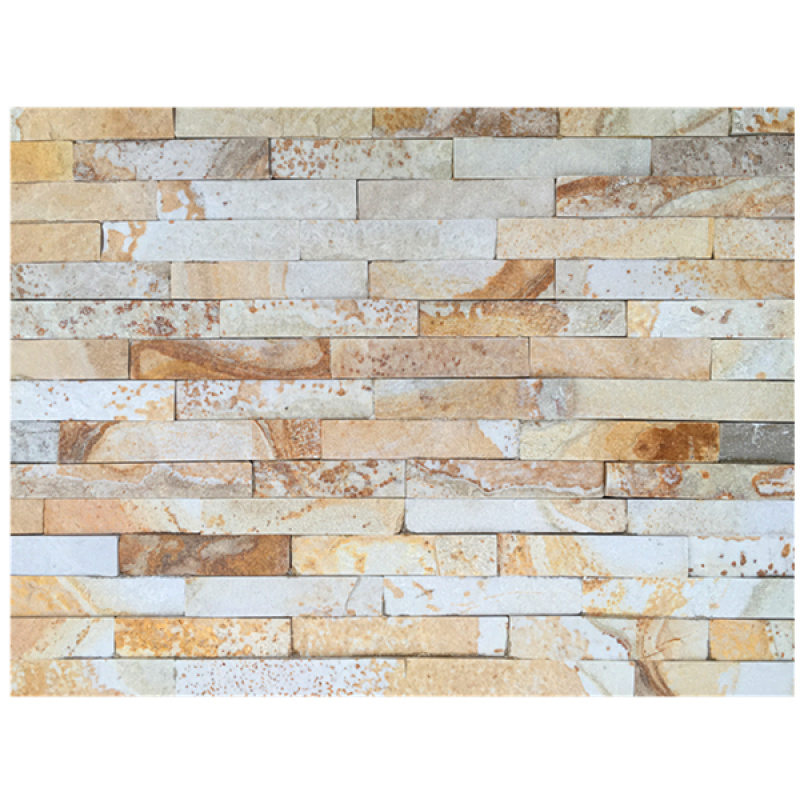
Flagstone is defined as a sedimentary rock that is cut into slabs for use in various applications. It comes in various colors, such as gray, red, and yellow, allowing you to achieve a specific aesthetic for your outdoor space. Common types of flagstone include sandstone, limestone, and slate, each offering distinct textures and durability.
2. Determining Your Needs
Before purchasing flagstone slabs, it’s essential to determine your specific needs. Think about the area where you plan to use the flagstone. Will it be in high-traffic areas, such as a walkway or patio, or in a backyard garden where foot traffic is minimal? Assess the climate in your region as well, as some types of flagstone are better suited for certain weather conditions than others.
3. Size and Thickness
Flagstone slabs come in various sizes and thicknesses. When buying, consider the dimensions that best suit your project. While thinner slabs are easier to work with, thicker slabs may provide greater durability and stability. It's common to find flagstone in sizes ranging from 1-2 inches thick, so identify the appropriate thickness for your intended use.
4. Styles and Patterns
Flagstone offers a myriad of styles and patterns. Whether you prefer a classic rectangular shape or a more rustic, irregular stone look, options abound. Consider whether you want a uniform pattern or a more relaxed, natural aesthetic that mixes sizes and shapes. The choice of style can greatly influence the final appearance of your project.
The cost of flagstone slabs can vary significantly based on factors such as type, size, and source. Generally, natural stone is more expensive than manufactured options. It's wise to shop around and compare prices from different suppliers or stone yards. Additionally, consider shipping costs if purchasing from a distant location, as these can add to the total expense.
6. Quality and Source
Quality is a crucial factor when buying flagstone. Make sure that you purchase from reputable suppliers who provide high-quality stones. Look for any signs of damage or flaws in the stones, as these can affect durability and aesthetics. If possible, view the stones in person to get a true sense of their colors and textures before making your purchase.
7. Installation Requirements
Once you have purchased your flagstone slabs, consider the installation process. Installing flagstone can be a DIY project if you have the necessary skills, but you may also want to hire professionals for larger or more complex projects. Make sure you understand any additional materials required, such as sand or gravel for base preparation and jointing.
8. Maintenance Tips
Flagstone is known for its durability, but it still requires maintenance to keep it looking its best. Regular cleaning and sealing will help prevent staining and maintain the stone's natural color. Be mindful of vegetation growing in between the slabs, as regular weeding is essential to preserve both the aesthetics and functionality of your paving.
Conclusion
In conclusion, buying flagstone slabs can enhance the beauty and functionality of your outdoor space. By understanding the materials, evaluating your needs, and considering the various aspects discussed in this article, you can make an informed purchasing decision. Whether you are creating a serene garden pathway or an inviting patio, flagstone slabs can provide a timeless and elegant solution. Don’t hesitate to explore your options and consult experts if needed to ensure your project is a success.





