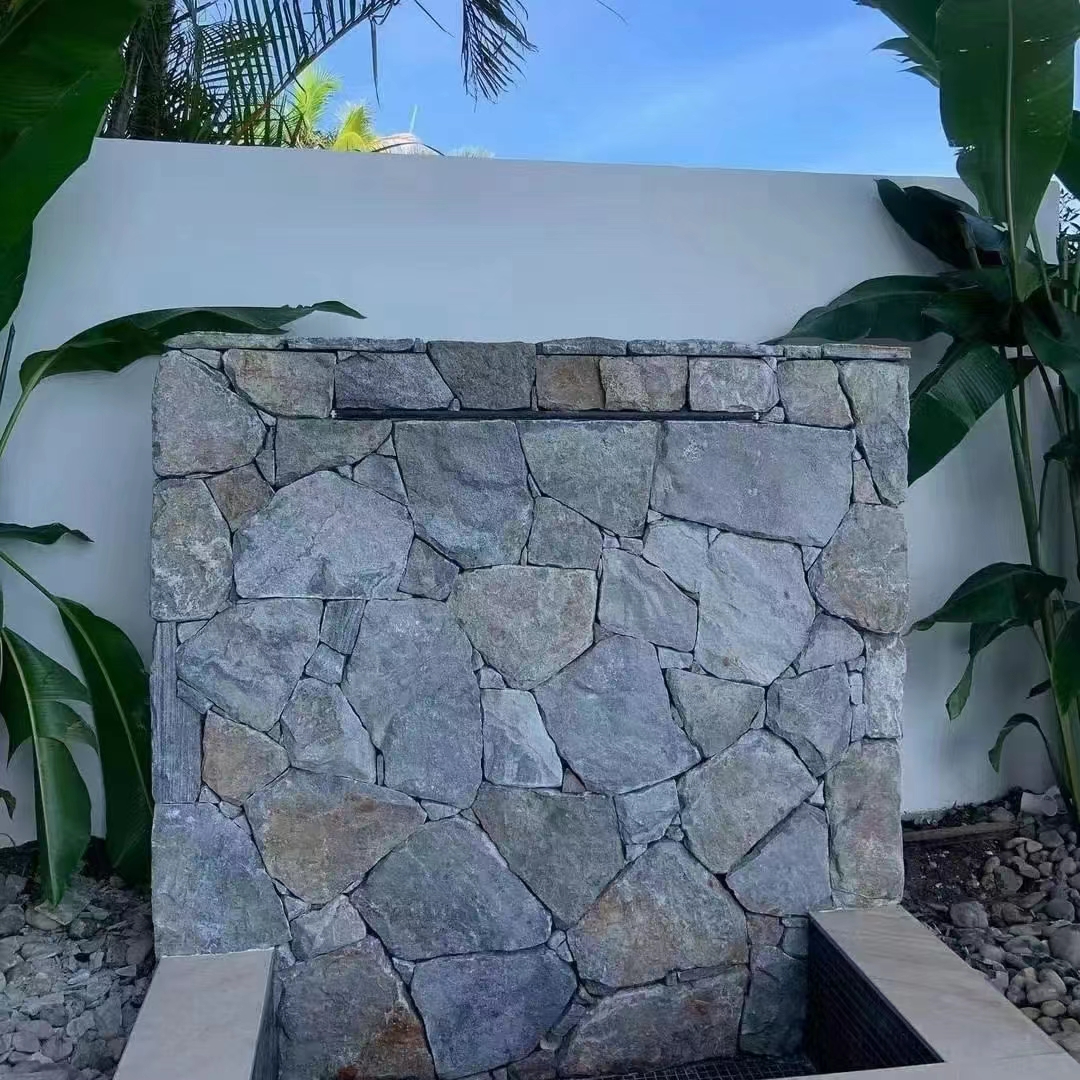
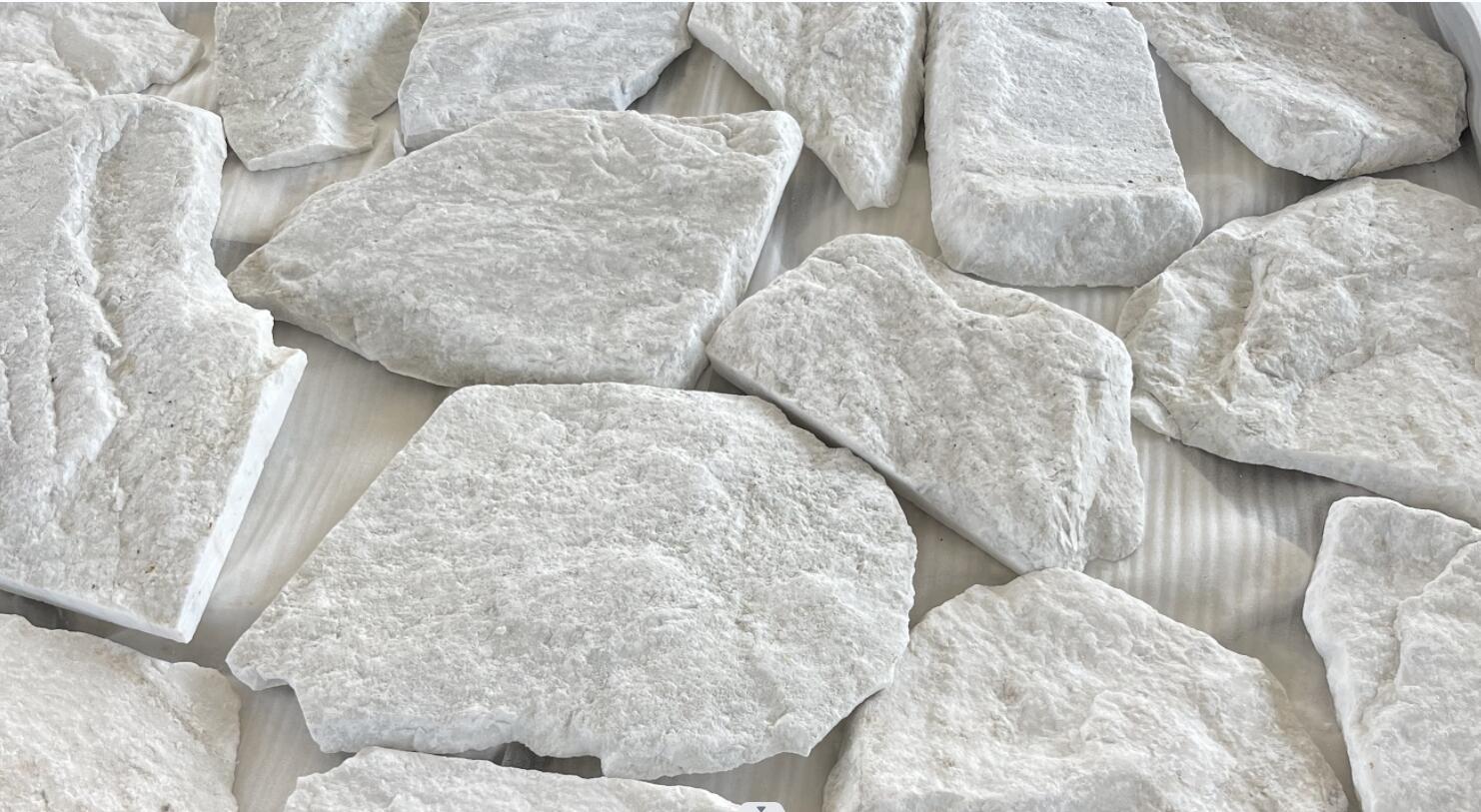
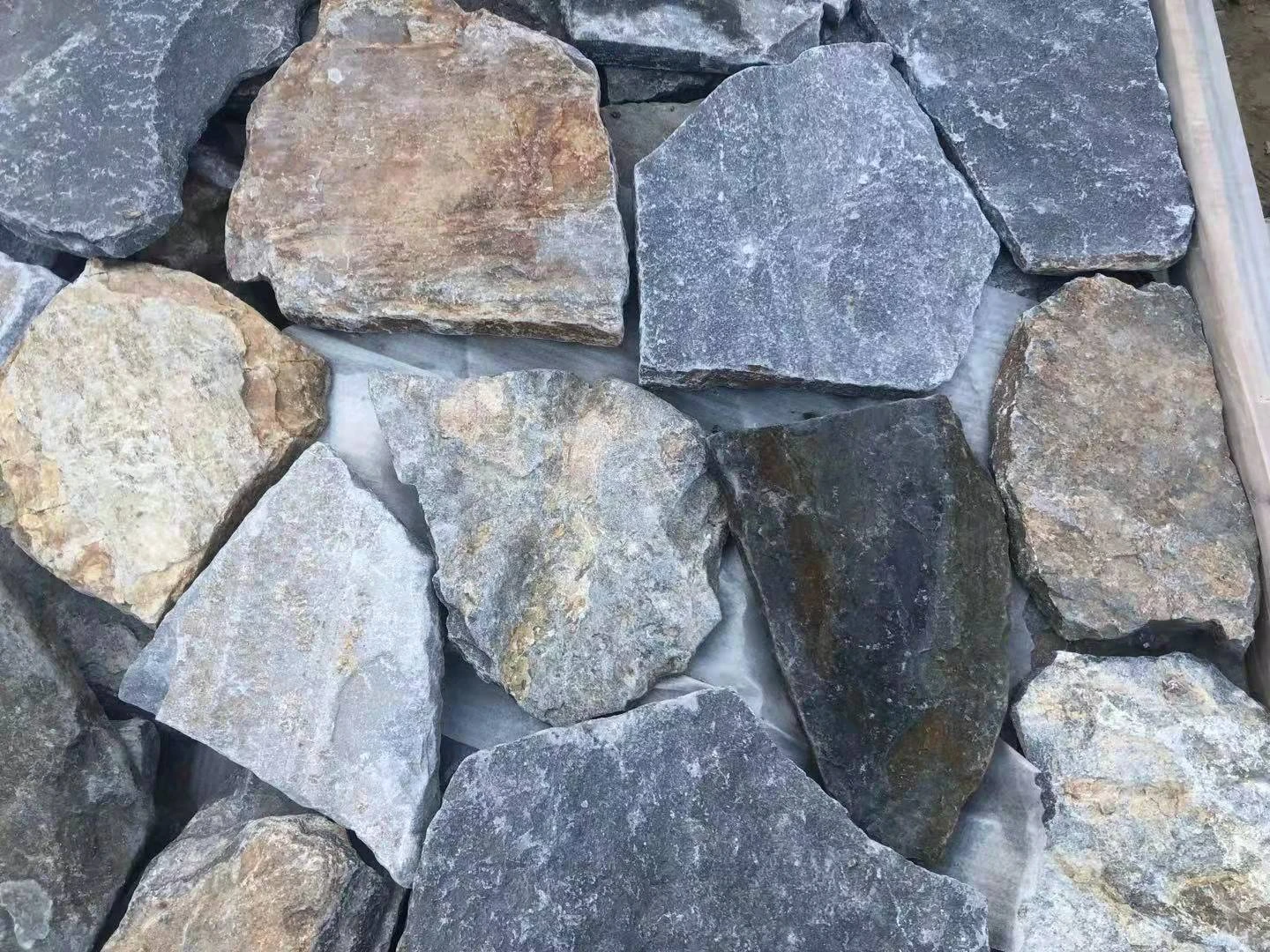
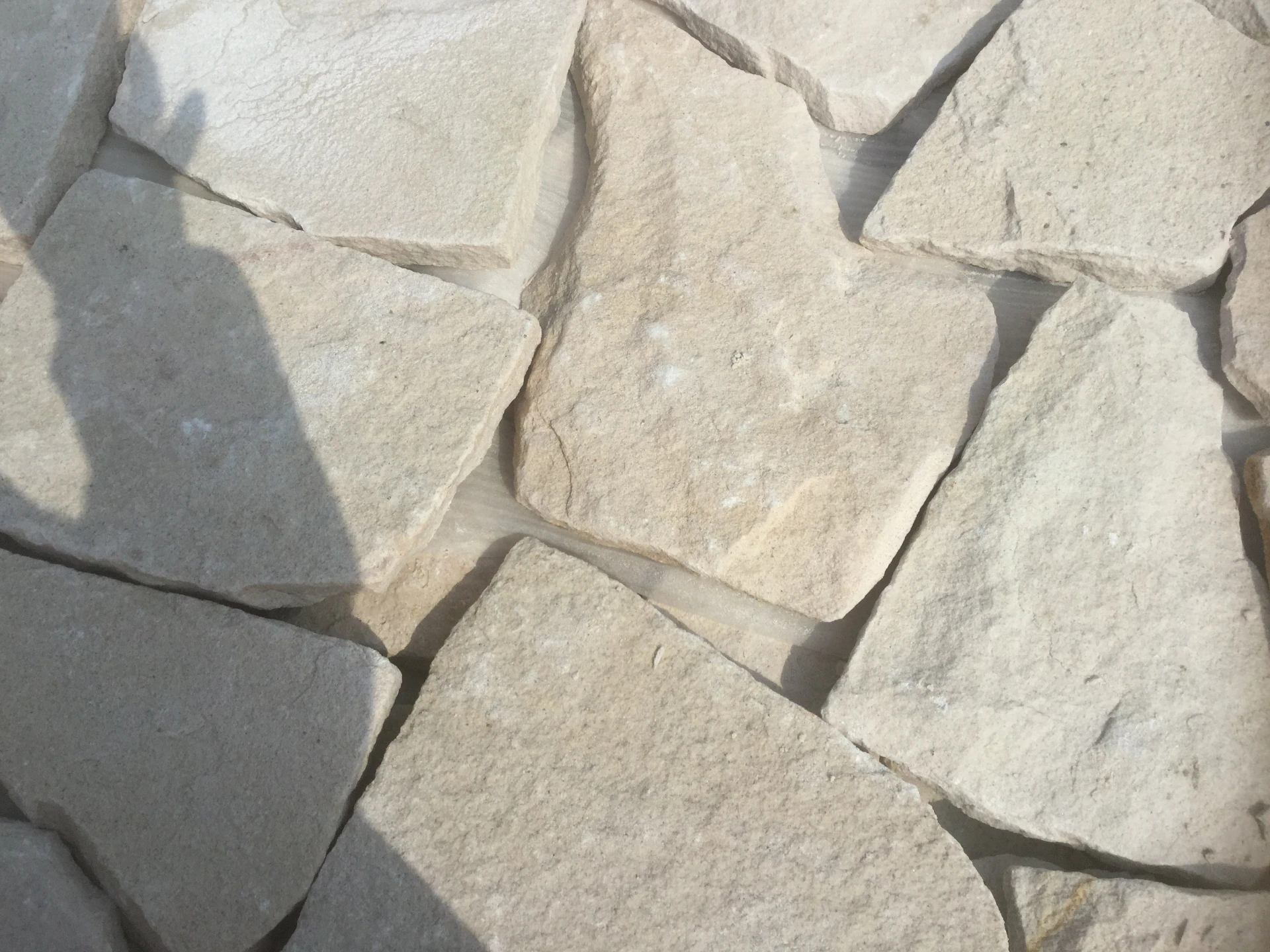
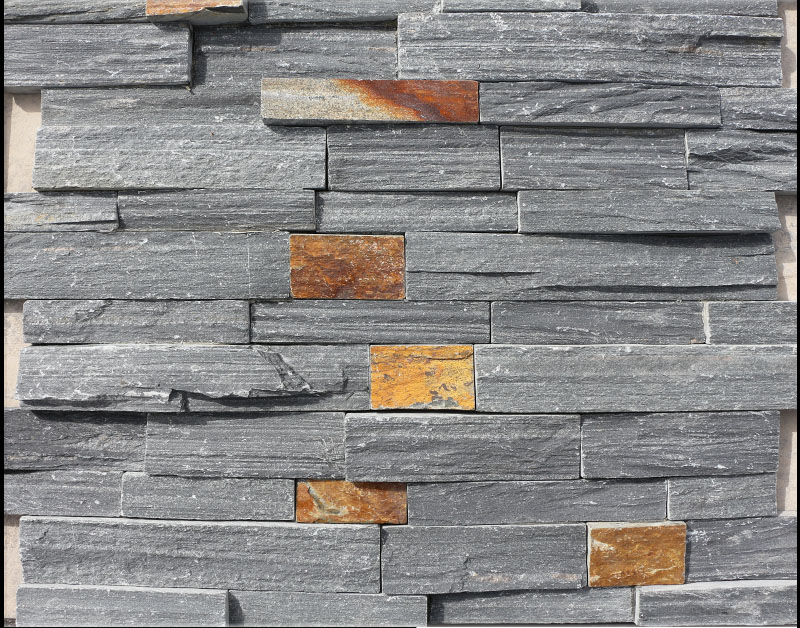
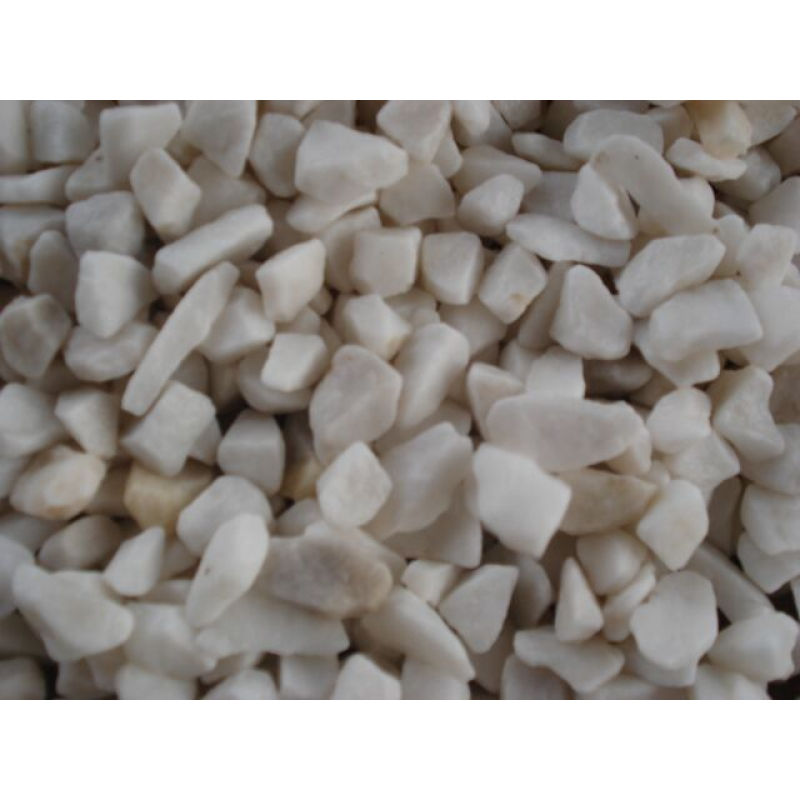
Exploring the cost of natural stone is akin to understanding the intricate layers of Earth's oldest formations. Each stone has a story etched in its surface, meticulously formed over millions of years. When considering incorporating natural stone into your project, it's essential to consider the interplay of several key factors that influence its price.
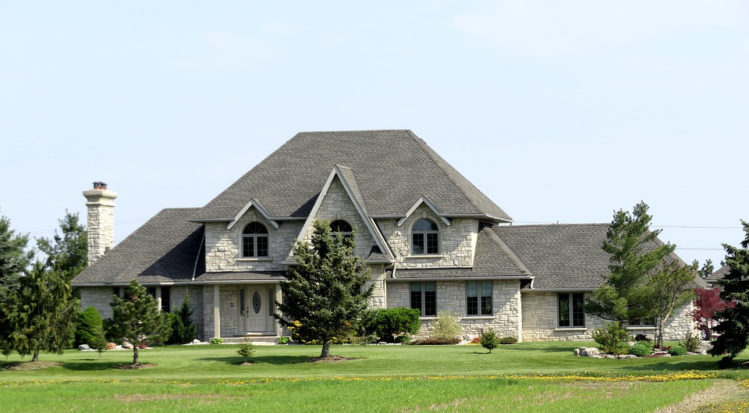
Firstly,
the type of natural stone is a primary determinant of cost. Stones such as granite, marble, limestone, and slate each have unique attributes, durability, and aesthetic appeal. Granite, celebrated for its robustness and variety in color, is generally more affordable compared to the luxurious veining found in marble, which often commands a premium price. Limestone offers a rustic charm, yet its susceptibility to scratches might influence long-term costs due to maintenance.
The quarrying process is another significant cost factor. Stones extracted from difficult-to-reach locations or those requiring extensive processing will naturally incur higher costs. The transportation from distant quarries to market adds layers of expense, influenced by geographic distance and logistical challenges. For this reason, sourcing local stones can sometimes provide a cost-effective solution without compromising on quality.
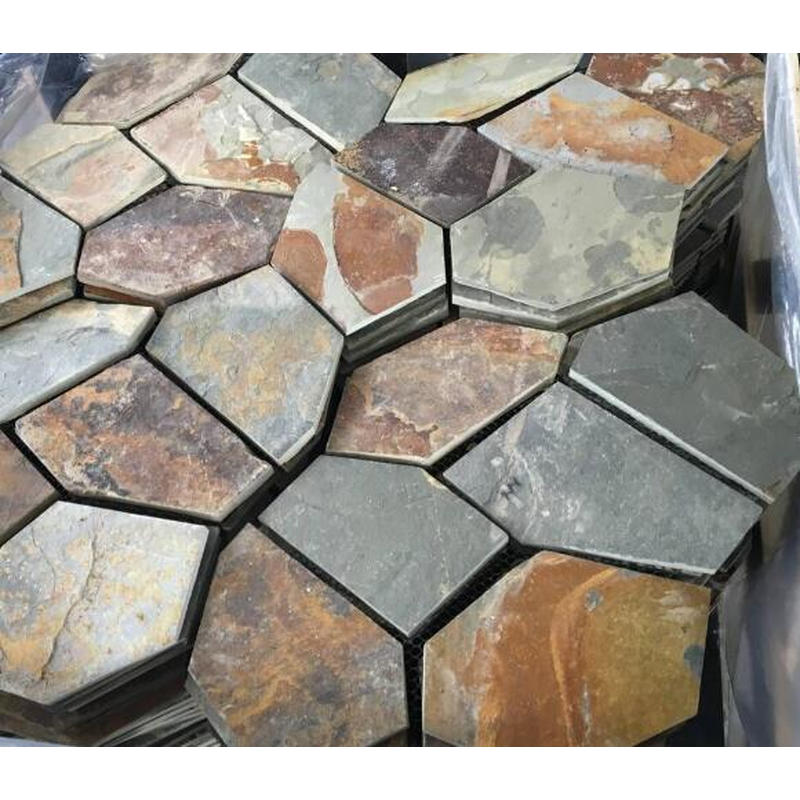
Installation expenses also contribute heavily to overall costs. The expertise required in handling and installing natural stone ensures that it remains a premium service. Skilled labor is crucial, particularly for intricate layouts or when working with delicate stone such as marble, which requires precision to prevent damage. The complexity of the installation design affects labor intensity and thereby cost.
nature stone cost
Moreover, the surface finish of the stone can influence pricing. Polished stones, with their high-gloss and mirror-like surfaces, often necessitate more intensive finishing processes compared to honed or tumbled stones, which offer a more subdued look. Each finish can change the stone's appearance and performance, impacting both visual appeal and budget.
In terms of long-term investment, natural stone offers undeniable value. Its durability ensures that while initial costs might seem high, maintenance costs are often lower compared to synthetic alternatives that require frequent replacement or repair. The timeless aesthetic of natural stone adds a unique character that can enhance property value, offering financial benefits down the line.
Sustainability also plays a crucial role in considering natural stone, making it an environmentally responsible choice for many projects. Its enduring qualities mean fewer resources are needed for future replacements. This ecological benefit positions natural stone as not just a cost-effective option, but a sustainable choice for those looking to minimize their environmental footprint.
Understanding natural stone costs requires evaluating these intertwined factors with a comprehensive, informed approach. Properly valuing enduring beauty, combined with practical considerations such as durability and local sourcing, empowers consumers to make informed decisions. Selecting the right natural stone for your project isn't just about cost—it's about investing in a piece of Earth's own maturation, ensuring that your space resonates with stories carved in stone.