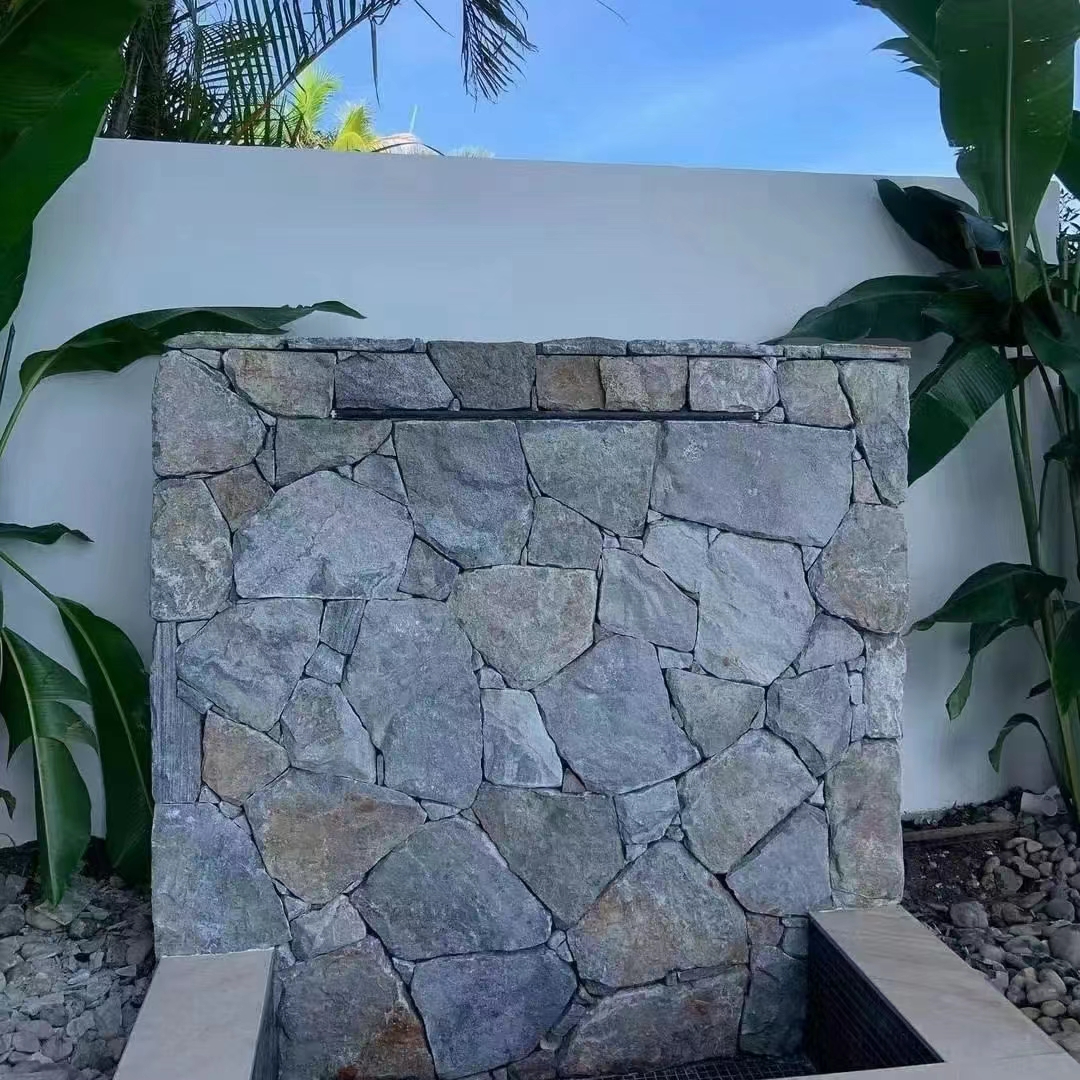
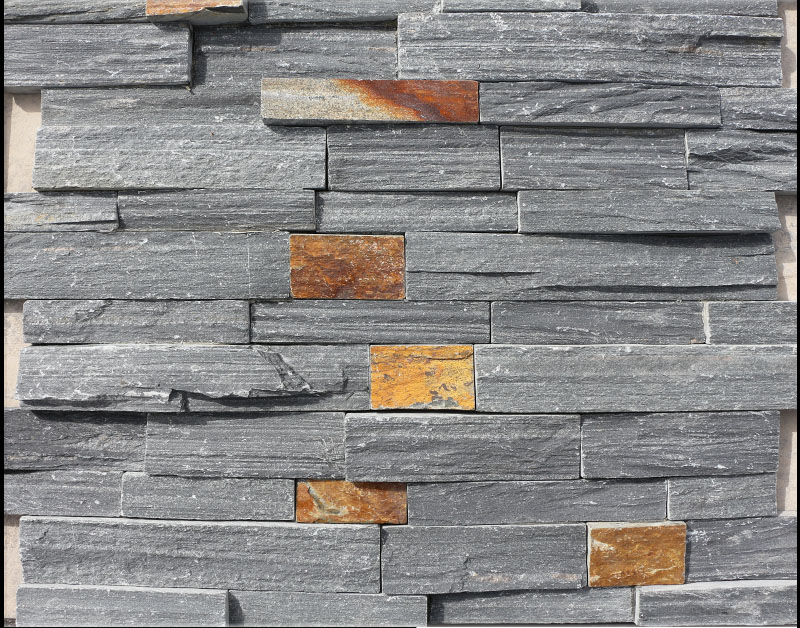
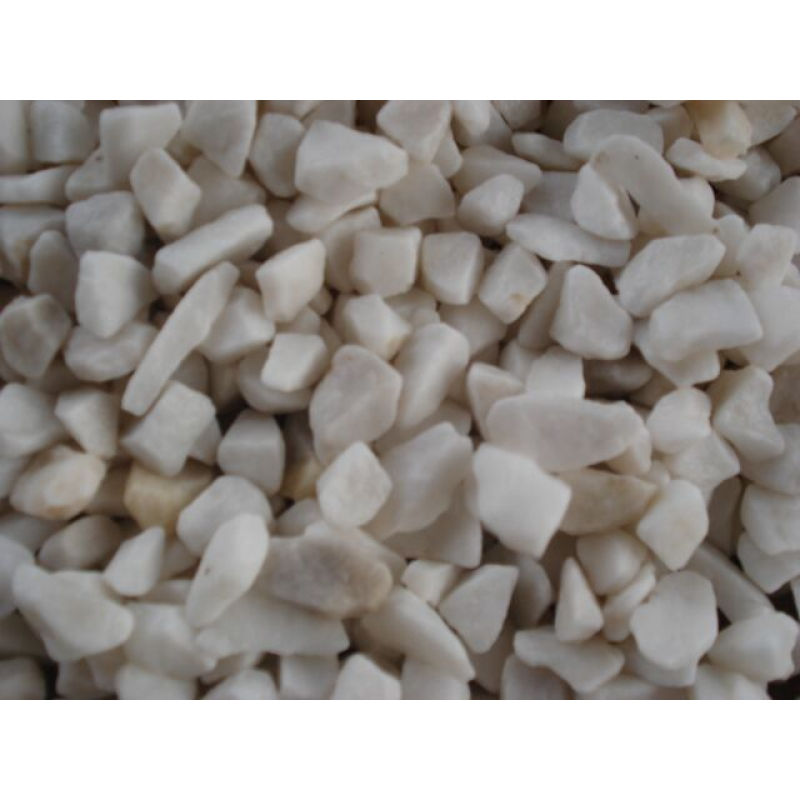
Outdoor crazy paving has become a popular choice for homeowners looking to enhance their garden or patio with a unique aesthetic. Drawing from years of landscaping expertise, I have witnessed the transformative power of selecting the right type of crazy paving and using it creatively to match the natural environment. The unique blend of irregular stones adds charm and character that linear, uniform paving simply cannot achieve.
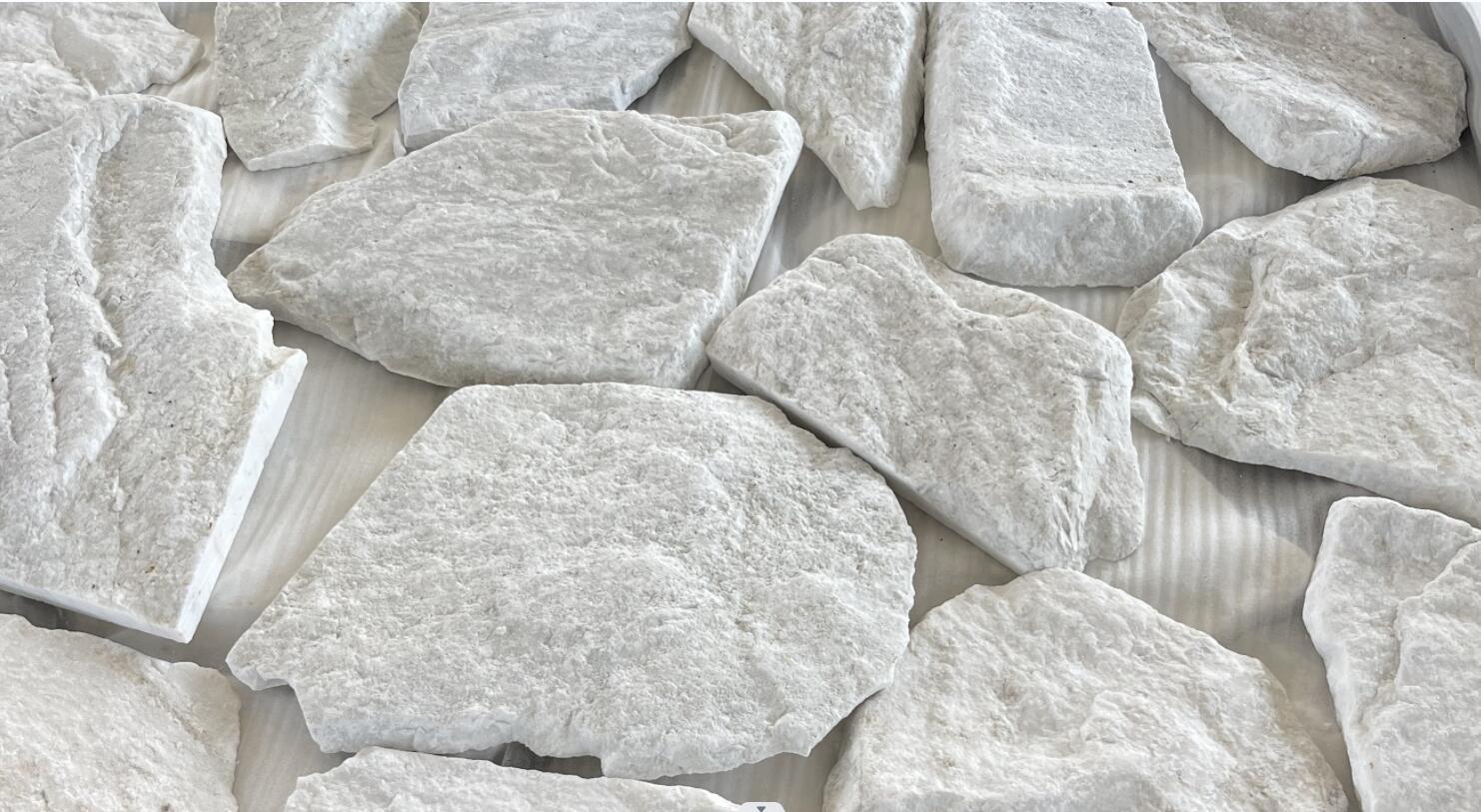
The history of crazy paving dates back to the Mediterranean landscapes where artisans utilized the uneven stones leftover from mining or quarrying. These naturally fractured stones were creatively arranged, providing a more organic look that matched the rustic beauty of natural surroundings. Today, the revival of this traditional approach with a modern twist is highly regarded among landscape designers for its artistic versatility.
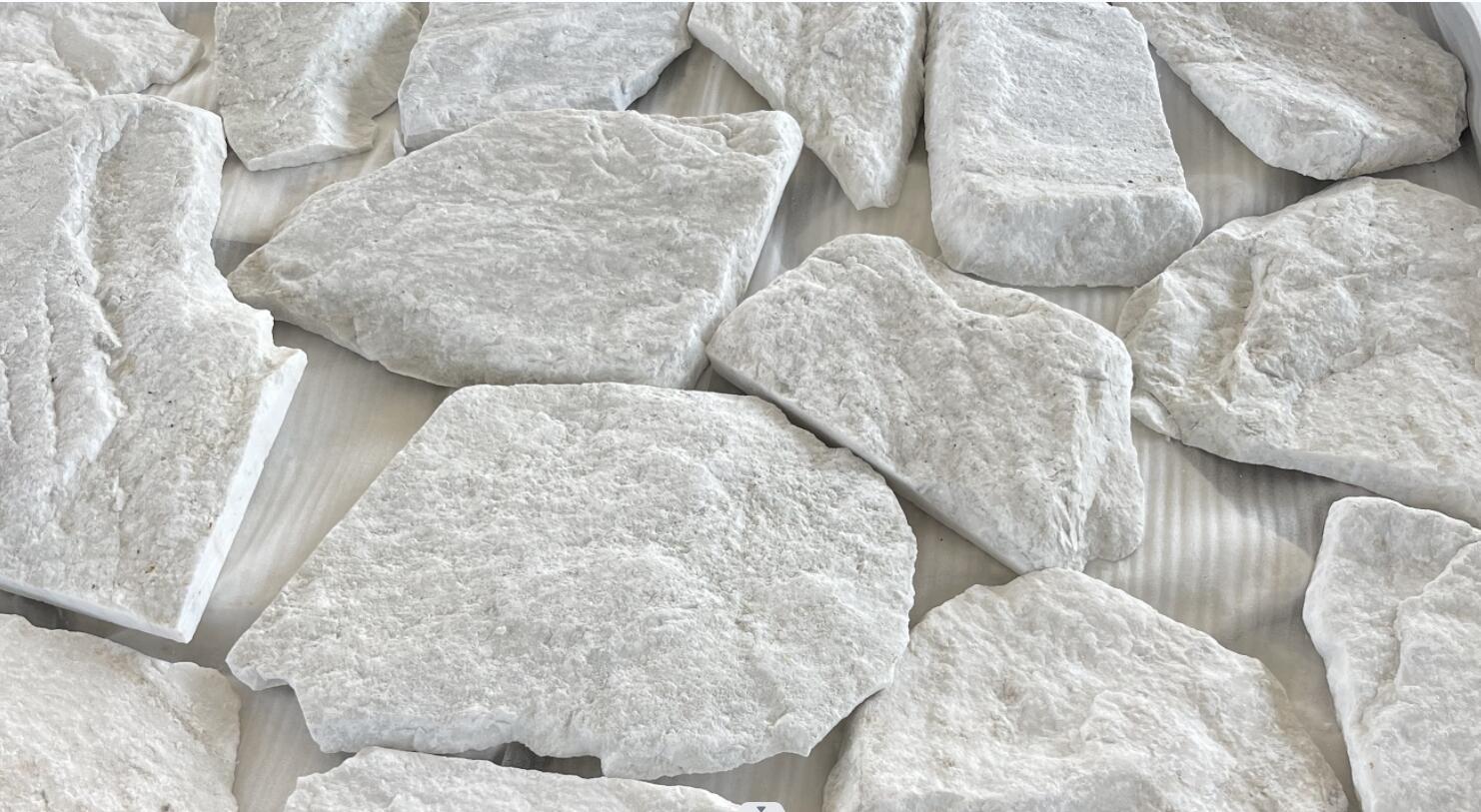
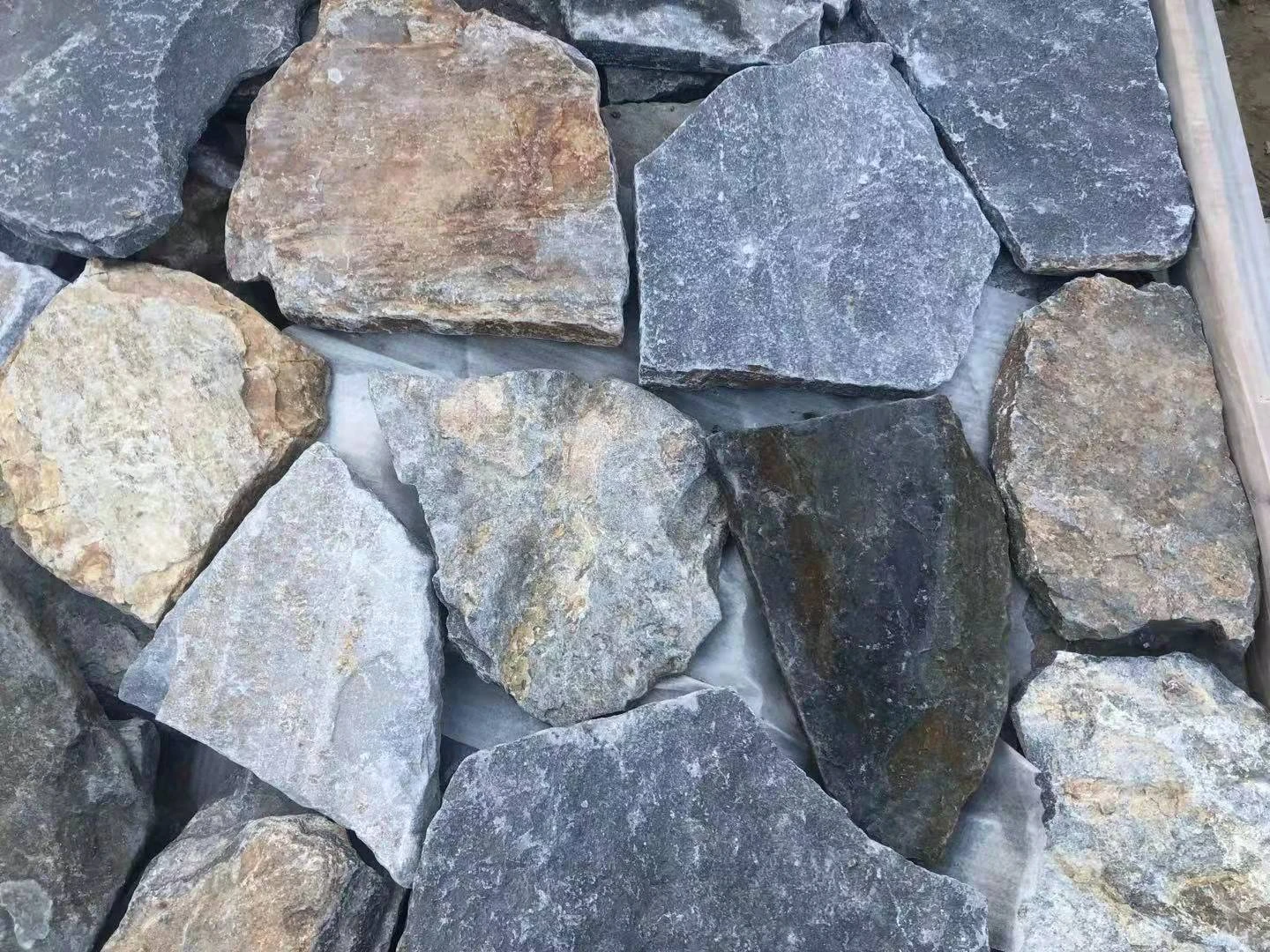
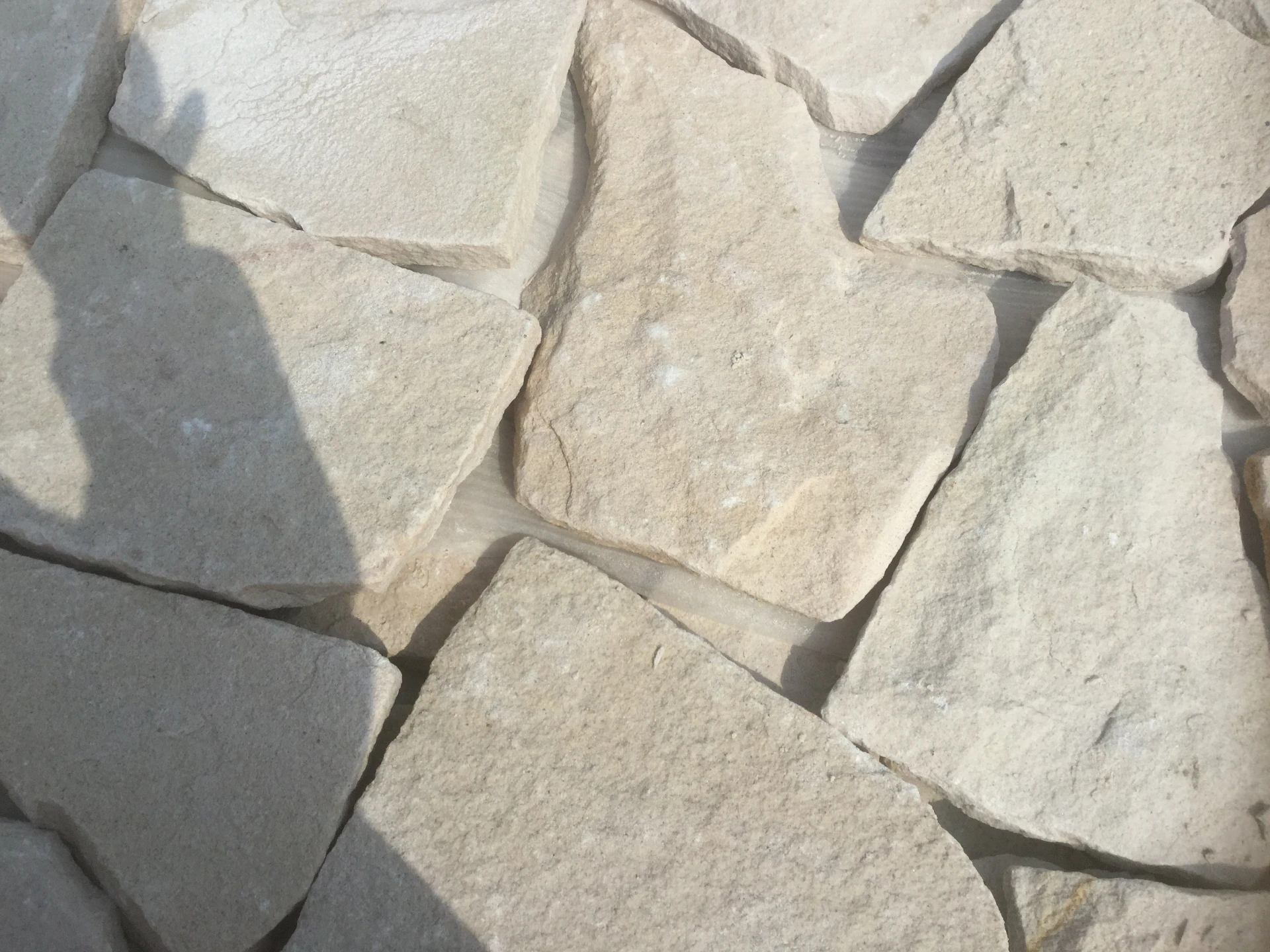
From an educational perspective, understanding the different materials is vital for any DIY enthusiast or professional landscaper. Classic options include slate, granite, and limestone, but more sustainable choices such as recycled concrete or locally sourced stone are growing in popularity. When selecting the material, consider both aesthetics and functionality. Slate offers a rich color palette and a naturally slip-resistant surface, making it optimal for pathways. Granite is known for its durability, suitable for driveways or areas with heavy foot traffic.
Expert advice emphasizes not only the selection of materials but the process of laying crazy paving. The process begins with a solid foundation—excavating the area to a sufficient depth, followed by laying a hardcore base and compacting it thoroughly. This step ensures longevity and prevents subsidence, a common issue in poorly constructed paving. The use of a mortar mixture specific for outdoor application will withstand harsh weather conditions, ensuring the paving remains intact across seasons.
outdoor crazy paving
A unique advantage of outdoor crazy paving is its flexibility in design. Irregular shapes encourage creativity—each piece is laid slightly different, providing a personalized touch. From a design perspective, crazy paving's non-linear style can be used to create focal points in gardens or serene pathways leading through lush, green spaces. Adding varying colors and textures blends the paving seamlessly with nature, turning an outdoor space into a tranquil retreat.
Trustworthiness in installation also plays a key role, especially in climates with extreme weather conditions. Always ensure that the paving structure has proper drainage channels and is slightly convex to prevent water pooling, which can lead to erosion and damage. Consulting with professional landscapers, especially those with a portfolio showcasing past projects, can ensure a high-quality finish.
In the realm of sustainable gardening,
crazy paving offers numerous eco-friendly advantages. By using repurposed materials or locally sourced stones, the carbon footprint of the construction is drastically reduced. Additionally, their porous nature allows water to permeate the ground, thereby promoting groundwater recharge and reducing runoff—a crucial factor in drought-prone areas.
In conclusion, mastering the art of outdoor crazy paving requires a blend of creative vision, proficient knowledge of materials, and skilled execution. It’s not merely a decorative addition but a sustainable choice that enhances the aesthetic value, functionality, and environmental impact of outdoor spaces. For those ready to embark on this artistic journey, the results can be immensely rewarding, offering a timeless landscape feature that stands as the centerpiece of any outdoor environment.