• Types of Stone Slabs Discover Durable & Stylish Stone Options for Walls and Flooring
Jul . 07, 2025 05:44 Back to list

Types of Stone Slabs Discover Durable & Stylish Stone Options for Walls and Flooring

  • Introduction to types of stone slabs
    and their broad applications
  • Understanding primary types of stone slabs and geological formation
  • Technical properties and advantages of stone slabs
  • Comparative analysis of leading manufacturers by product performance
  • Custom solutions: Tailoring stone slabs for specific requirements
  • Practical case studies demonstrating successful applications
  • Conclusion summarizing the importance of choosing the right types of stone slabs

types of stone slabs

(types of stone slabs)


Introduction: Exploring the Diversity of Types of Stone Slabs

Stone slabs are fundamental components in the construction and design sector, selected for their natural beauty, durability, and versatility. This overview examines the different types of stone slabs available, highlighting their use in everything from walls to upscale kitchen surfaces. Stone slabs have become a $20 billion global market, reflecting architectural trends and consumer preferences for natural materials. Distinguishing the suitable types of stone for walls or other projects is critical for ensuring both aesthetic harmony and structural integrity. As architectural standards rise and sustainability takes center stage, understanding the full spectrum of stone options—granite, marble, quartzite, slate, limestone, and beyond—provides a decisive edge in project planning and execution.

Classification and Formation: Core Types and Geological Background

Natural stone slabs are classified based on formation processes and mineral composition. The most prevalent types of stone slabs include:

  • Granite: An igneous rock with high quartz content, renowned for its hardness (score 6–7 on Mohs scale) and resistance to weathering. Its formation occurs deep within the earth, making each slab unique.
  • Marble: A metamorphic stone derived from limestone, identified by its delicate veining. Favoured for decorative applications, it is comparatively softer (Mohs 3–4), requiring regular maintenance.
  • Quartzite: Resulting from sandstone subjected to intense heat and pressure, quartzite offers hardness similar to granite but with intricate patterns akin to marble.
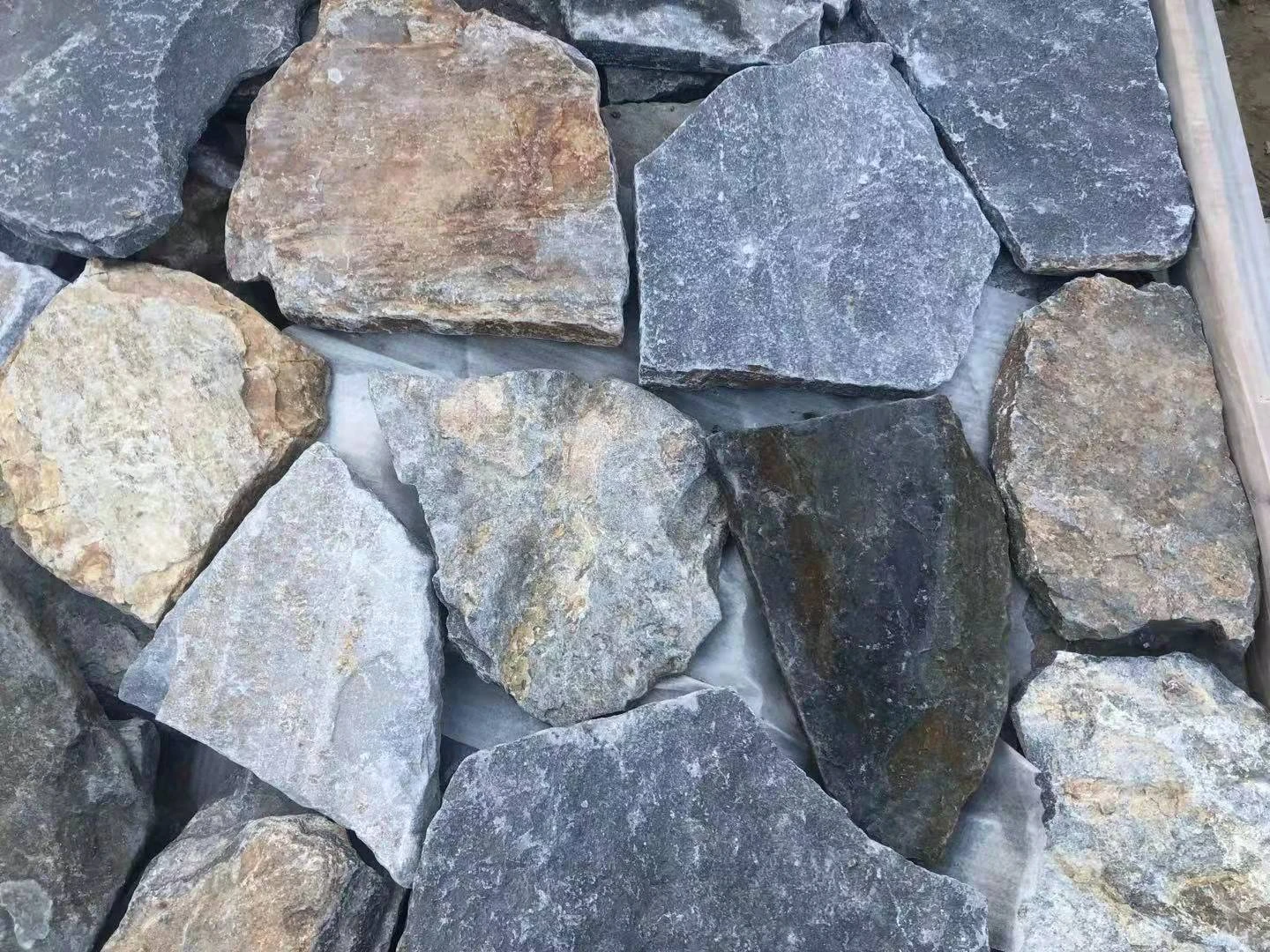
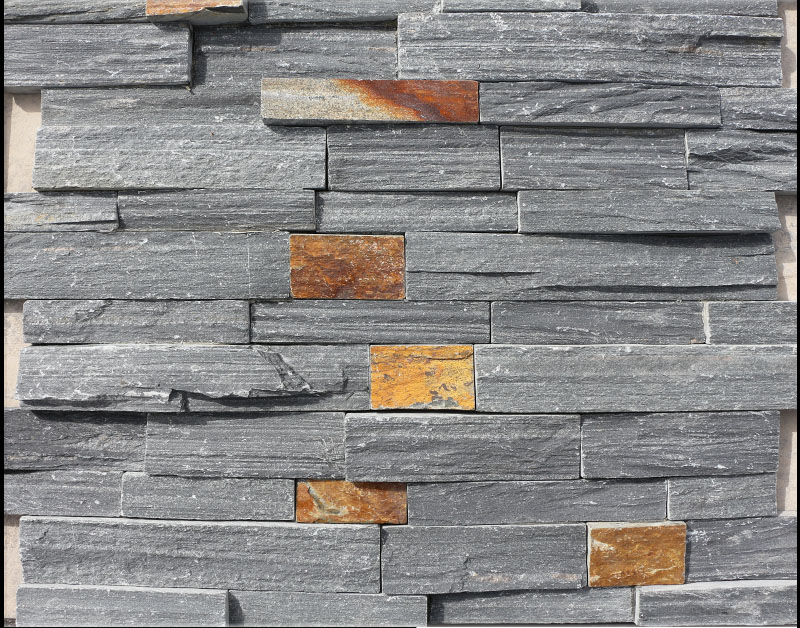
  • Slate: A fine-grained, foliated metamorphic rock ideal for wall cladding and flooring. Slate's layered structure allows for easy splitting into thin slabs, making it one of the most common types of slate stone used in architectural settings.
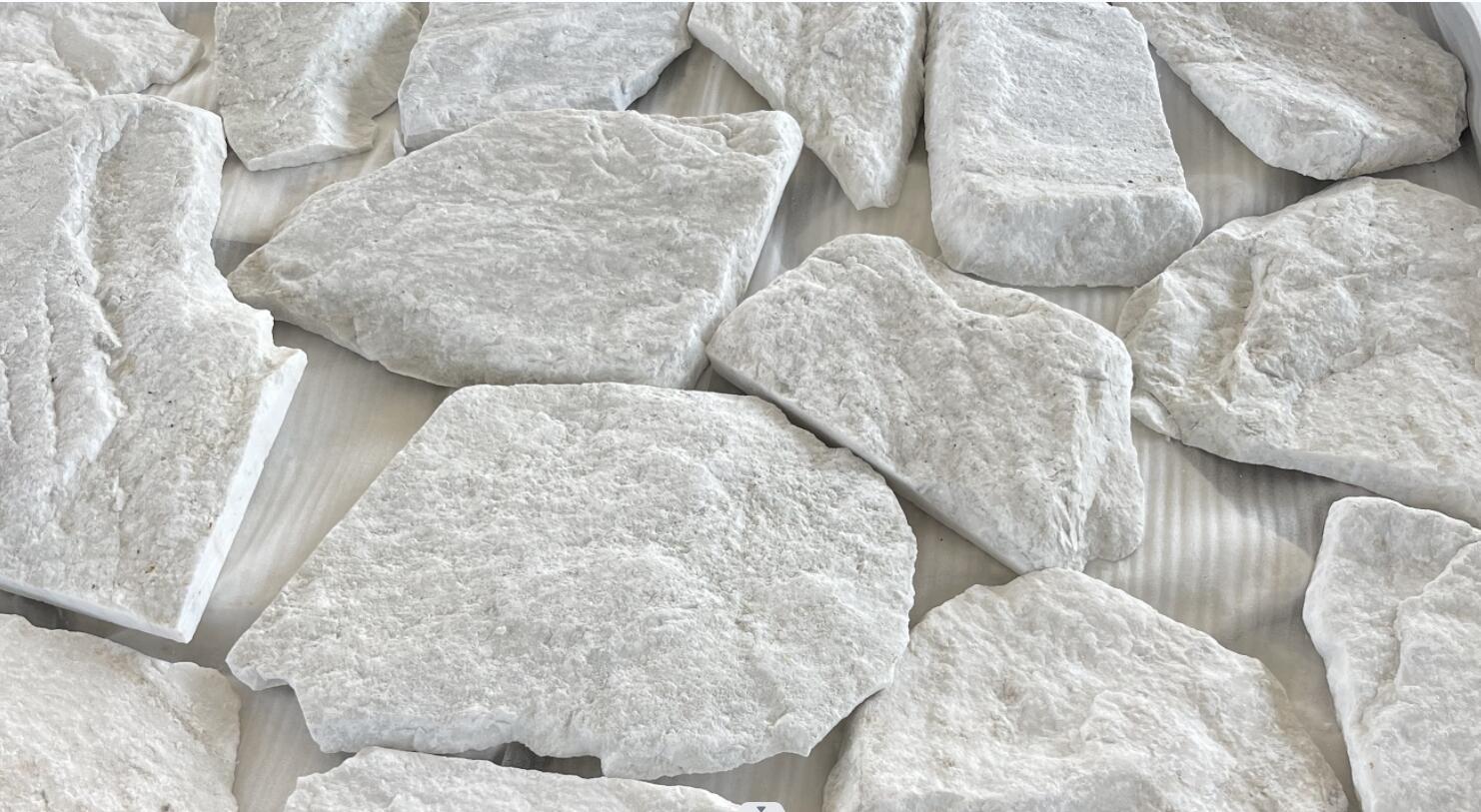
  • Limestone: A sedimentary stone, generally lighter in color, often used where a softer, more natural appearance is required. Its compressive strength ranges from 30–250 MPa.
Understanding these geological differences underpins informed decisions for both structural and decorative applications, impacting everything from wall systems to exterior facades.

Material Properties: Technical Advantages and Innovations

Selection of stone slabs is heavily influenced by technical performance criteria, including strength, density, porosity, abrasion resistance, and ease of fabrication. For instance, granite and quartzite excel in environments subject to high impact and abrasion, such as commercial kitchens or exterior walls. Recent innovations in surface treatment, like resin impregnation and thermal finishing, have increased the durability of traditionally softer stones like marble and limestone, expanding their applications into new realms.

According to the Natural Stone Institute, granite exhibits a compressive strength between 130–220 MPa and water absorption rates below 0.4%, making it optimal for high-traffic areas. Slate, although thinner, boasts a remarkable resistance to frost, showing less than 0.1% expansion in freeze-thaw cycles—a crucial property for outdoor wall cladding. These technical benchmarks guide architects toward combinations of performance and aesthetics that suit both classic and contemporary tastes.

Comparative Manufacturer Analysis: Performance Benchmarking

Reliable sourcing of stone slabs is equally as important as understanding their types. The table below compares four global stone suppliers, focusing on their best-selling slabs:

Manufacturer Product Range Compressive Strength (MPa) Water Absorption (%) Finish Options Global Distribution
Cosentino Granite, Quartzite, Marble 150–220 <0.4 Polished, Matte, Textured 70+ countries
Levantina Marble, Slate, Limestone 60–200 <1.0 Polished, Leathered Worldwide
Marazzi Group Slate, Porcelain, Granite 60–170 0.2–0.6 Textured, Honed 50+ countries
Arihant Stone Slate, Marble, Sandstone 45–120 0.5–1.2 Natural, Polished Asia, Europe, USA

The variations in compressive strength, absorption, and finish options illustrate why supplier due diligence is vital. For example, Cosentino's granite provides industry-leading strength for structural use, while Levantina's marble and slate offer premium finishes for high-end interiors.

Customized Solutions: Adapting Stone Slabs for Unique Projects

Advancements in CNC machining, water-jet cutting, and digital templating have empowered architects and fabricators to offer bespoke stone slab solutions. Custom thicknesses, edge profiles, and surface treatments allow stone to be tailored for demanding applications such as ventilated facades, curved wall features, and monolithic staircases.

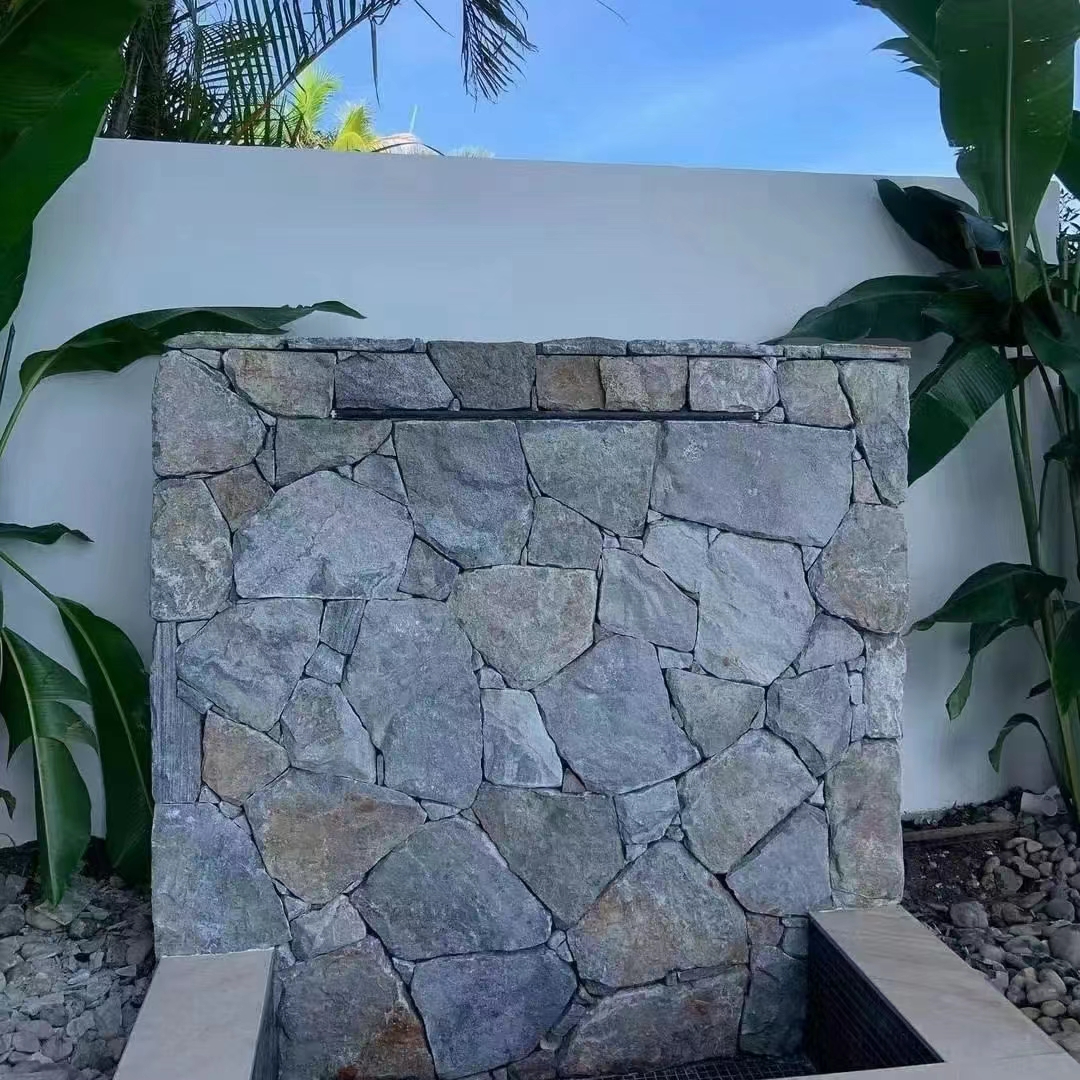
When working with types of stone for walls, a project-specific approach ensures the slab's technical characteristics align with load-bearing requirements, climate resilience, and design intent. Custom color-matching and bookmatching—where consecutive slabs mirror each other's veining—are essential in luxury spaces. The use of ultra-thin slabs (as little as 6mm) has grown by over 40% in modern commercial interiors due to reduced weight and enhanced installation flexibility.

Showcasing Success: Application Case Studies

High-profile architectural and interior projects underscore the transformative power of choosing the right stone slab. Examples include:

  • Luxury Hospitality: The Four Seasons Hotel in Miami showcased floor-to-ceiling limestone and marble slabs across public spaces, achieved through rigorous material selection and custom fabrication to withstand the region’s humidity.
  • Urban Residential: Innovative use of slate stone on building facades in London townhouses improved thermal efficiency while maintaining a heritage aesthetic, resulting in a 10% reduction in heating costs according to post-occupancy studies.
  • Civic Buildings: The Milan Convention Centre utilized bookmatched granite to create a visually continuous lobby wall spanning over 100 meters, exemplifying the dramatic impact of tailored slab solutions.
  • Retail Environments: A multi-national fashion retailer retrofitted over 15 flagship stores with quartzite countertops and accent walls, leading to increased durability and reduced annual maintenance by 30%.
These case studies exemplify how the informed selection of types of stone slabs can deliver both operational performance and design innovation.

Choosing the Right Types of Stone Slabs: Making Informed Decisions

In summary, understanding both the geological origins and technical properties of various types of stone slabs enables stakeholders to optimize performance, sustainability, and aesthetics for multiple applications. The growing palette of finishes, thicknesses, and custom options demands a nuanced approach to material specification, balancing engineering requirements with design vision. By staying abreast of supplier innovations and real-world application data, decision-makers ensure their projects benefit from the unique blend of durability, beauty, and functionality that only stone slabs can provide.

types of stone slabs

(types of stone slabs)


FAQS on types of stone slabs

Q: What are the main types of stone slabs used in construction?

A: The main types of stone slabs include granite, marble, limestone, sandstone, and slate. Each type offers unique characteristics in terms of appearance and durability. Granite and marble are especially popular for their strength and aesthetic appeal.

Q: Which types of stone are best for building walls?

A: Common types of stone for walls include limestone, granite, sandstone, and fieldstone. These stones provide strength, weather resistance, and appealing textures. Slate is also used for decorative and retaining walls.

Q: What varieties of slate stone are available for construction?

A: Types of slate stone include natural, calibrated, gauged, and honed. Each variety differs in texture, thickness, and finish. Slate is prized for its durability and distinct color variations.

Q: How do types of stone slabs differ in appearance?

A: Stone slabs vary in color, texture, and pattern depending on their type and origin. Marble slabs often have unique veining, while granite offers speckled patterns. Slate typically exhibits darker colors and layered textures.

Q: Are there specific stone slab types recommended for outdoor use?

A: Granite, sandstone, and slate are commonly recommended stone slabs for outdoor applications. They resist weathering and maintain their appearance over time. Limestone can also be used but may require sealing for added protection.
You have selected 0 products