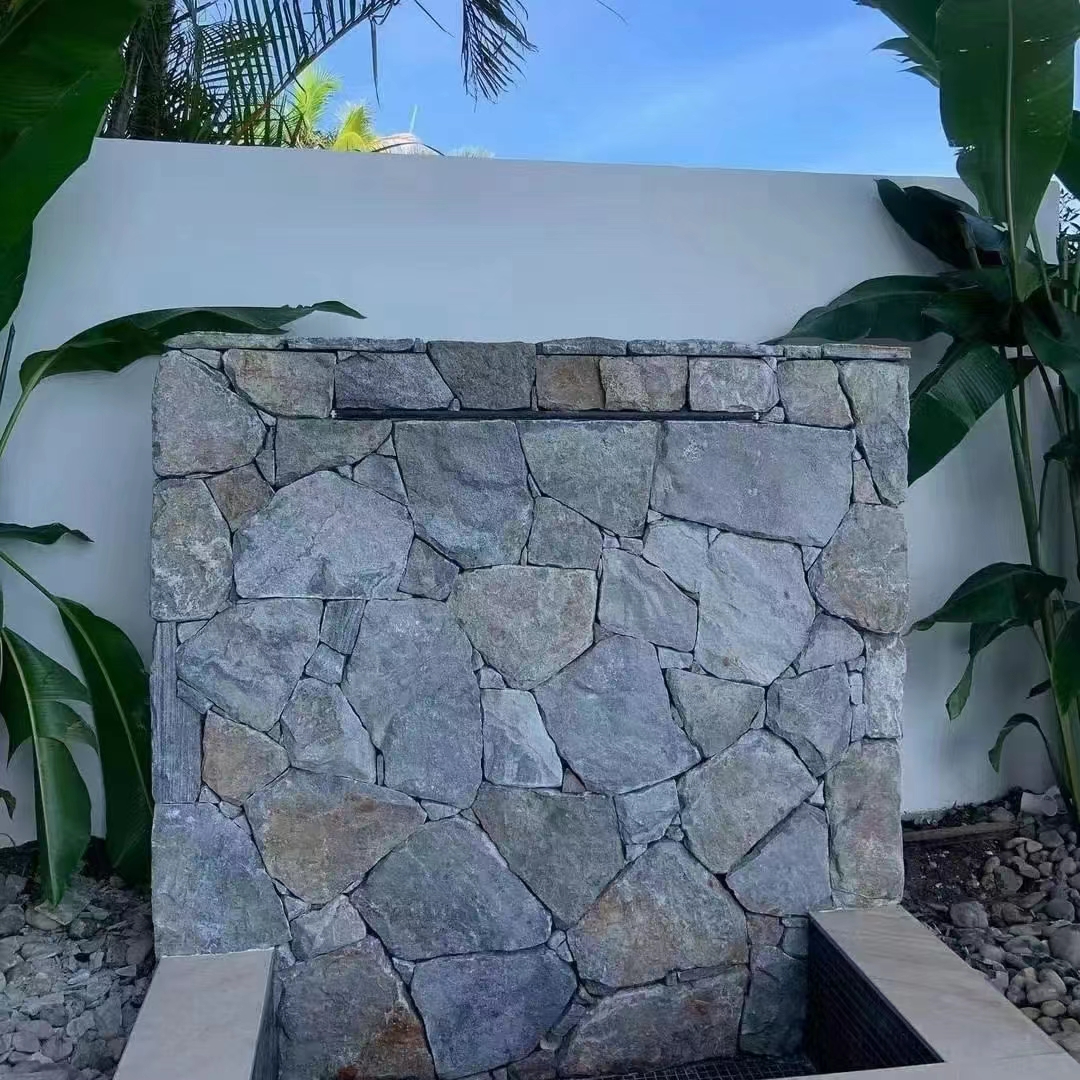
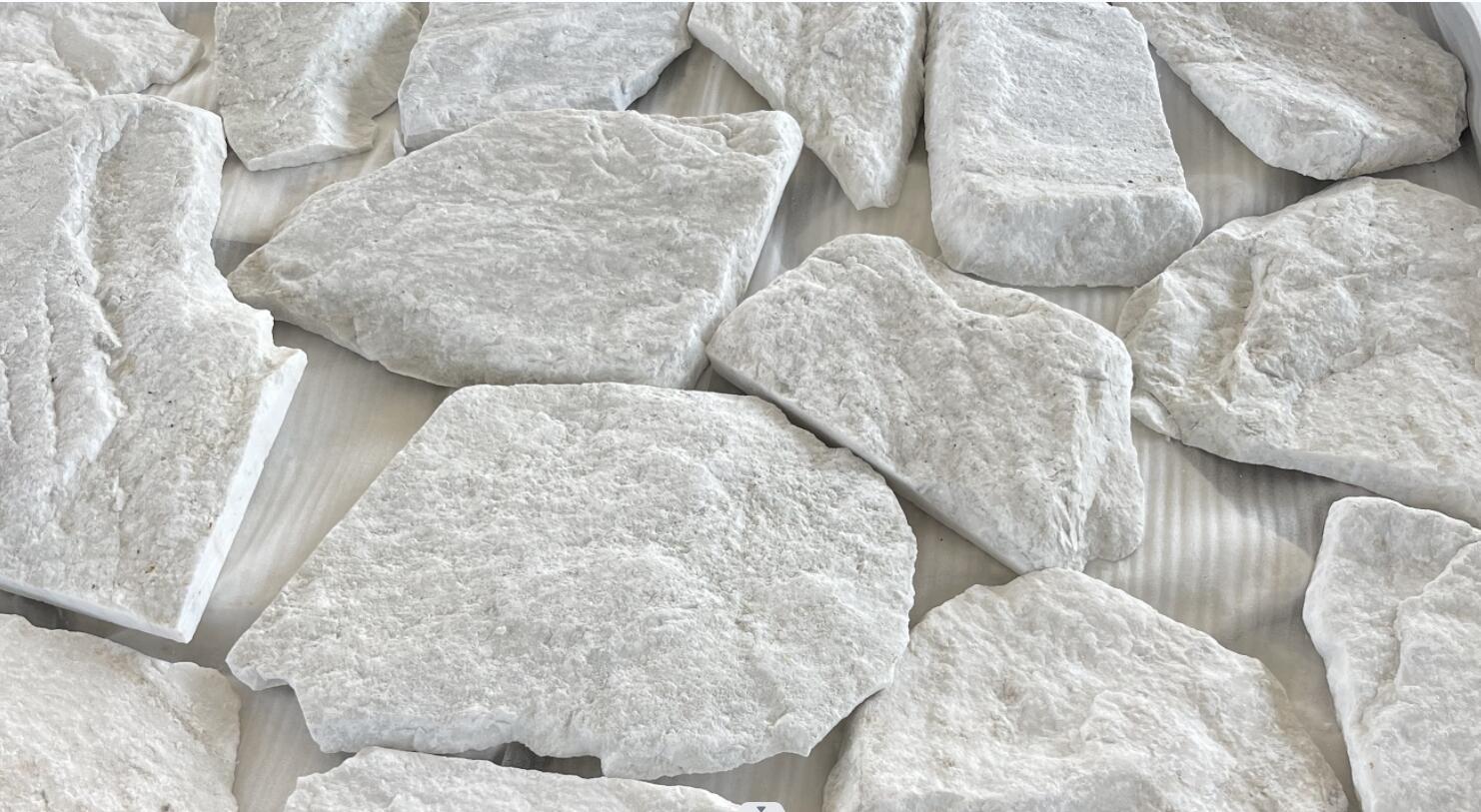
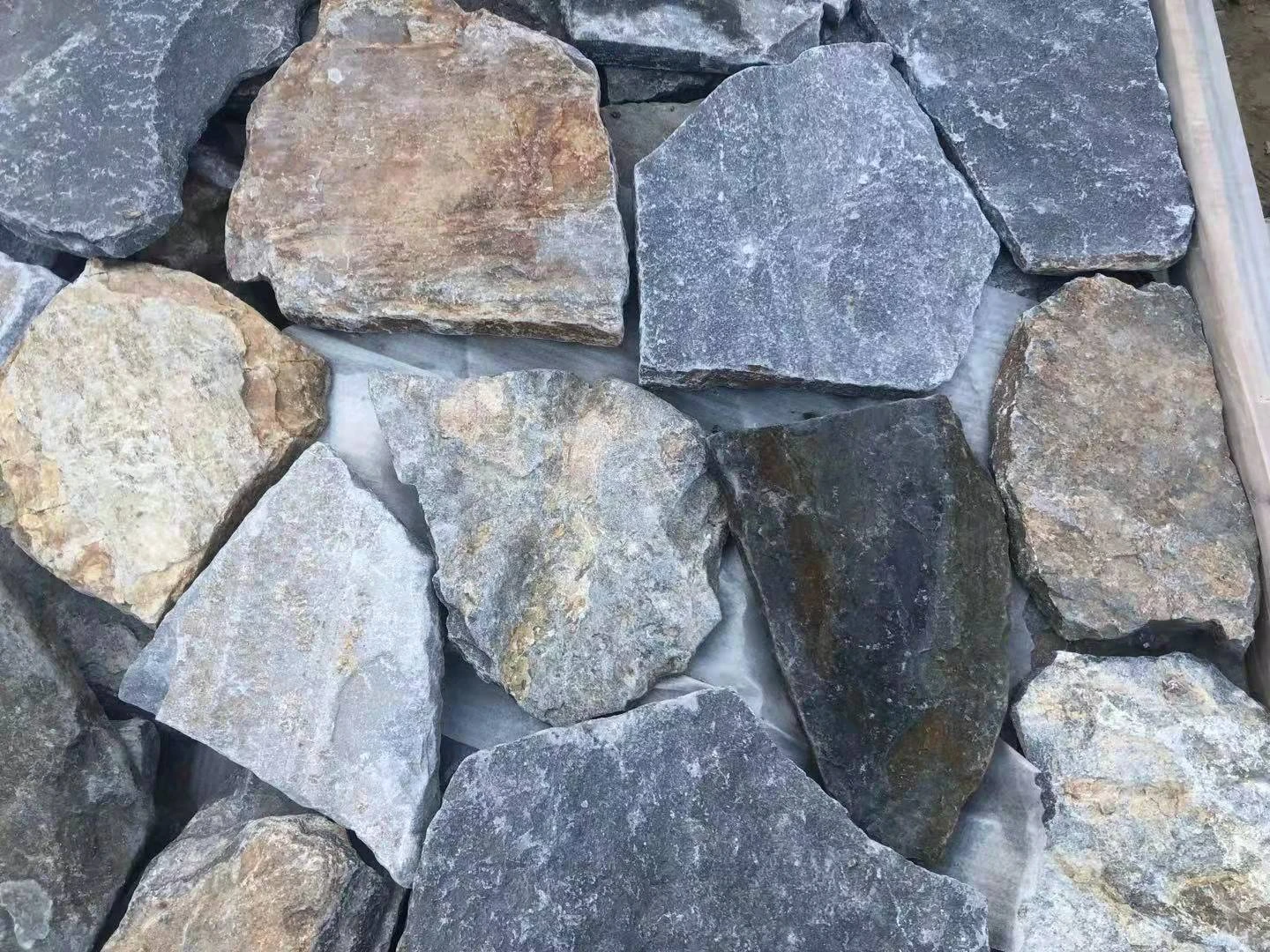
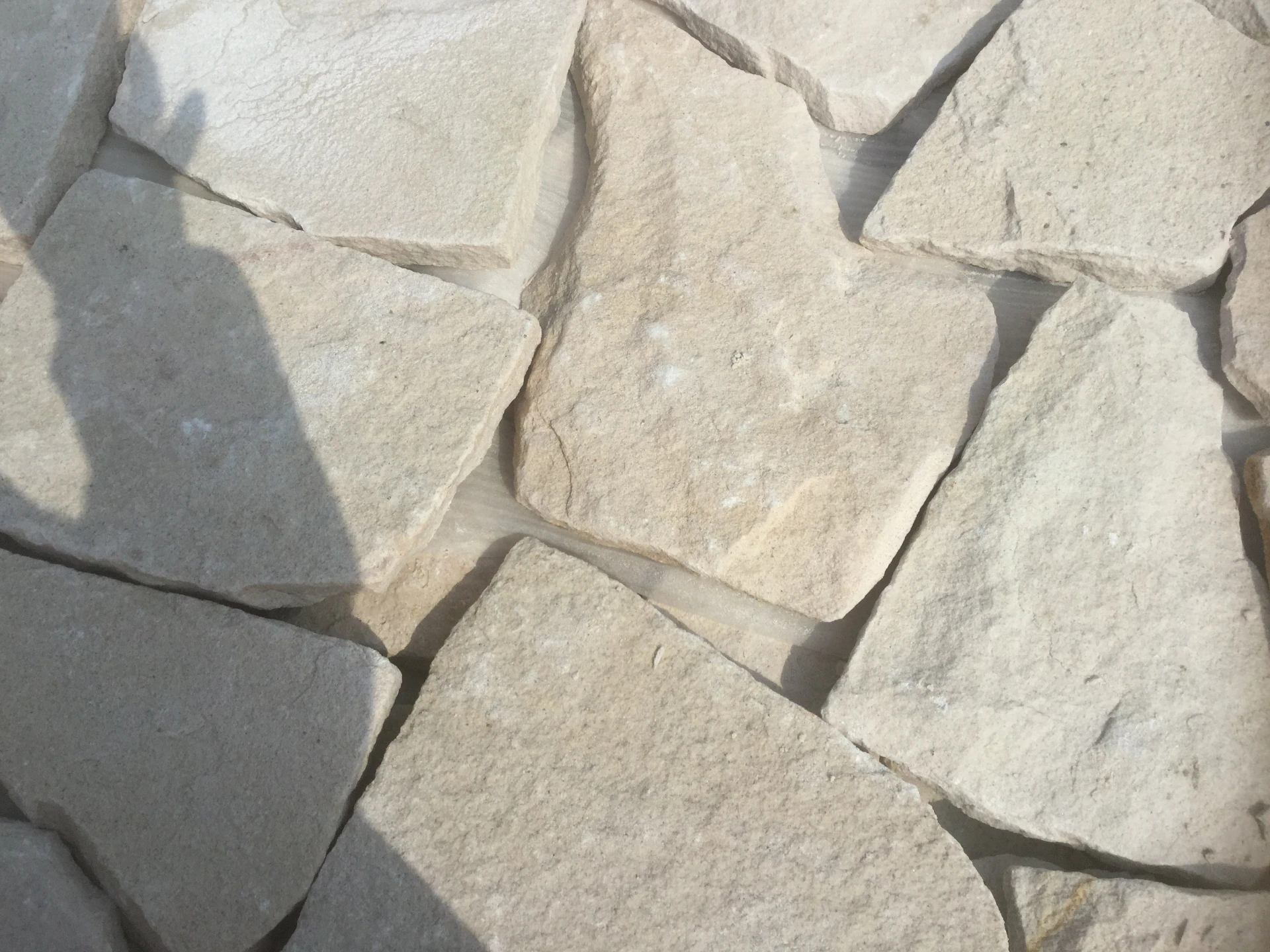
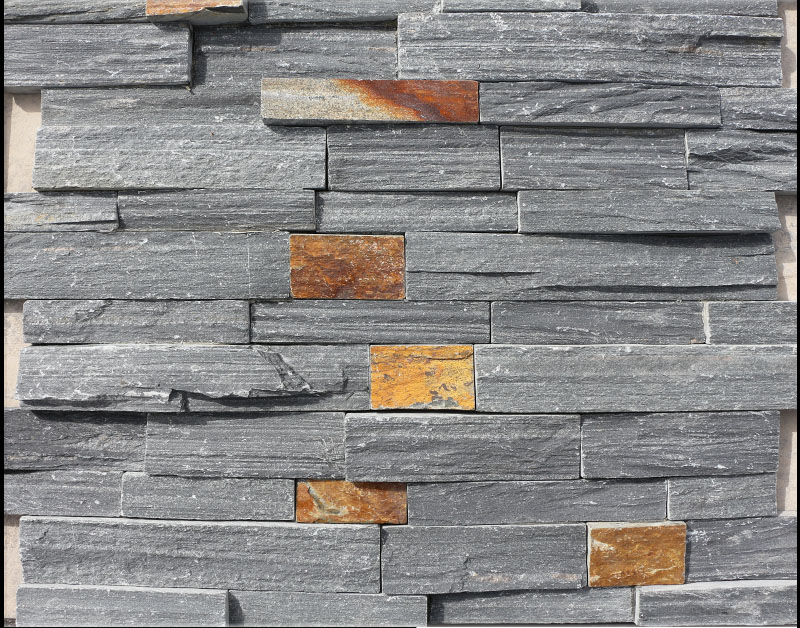
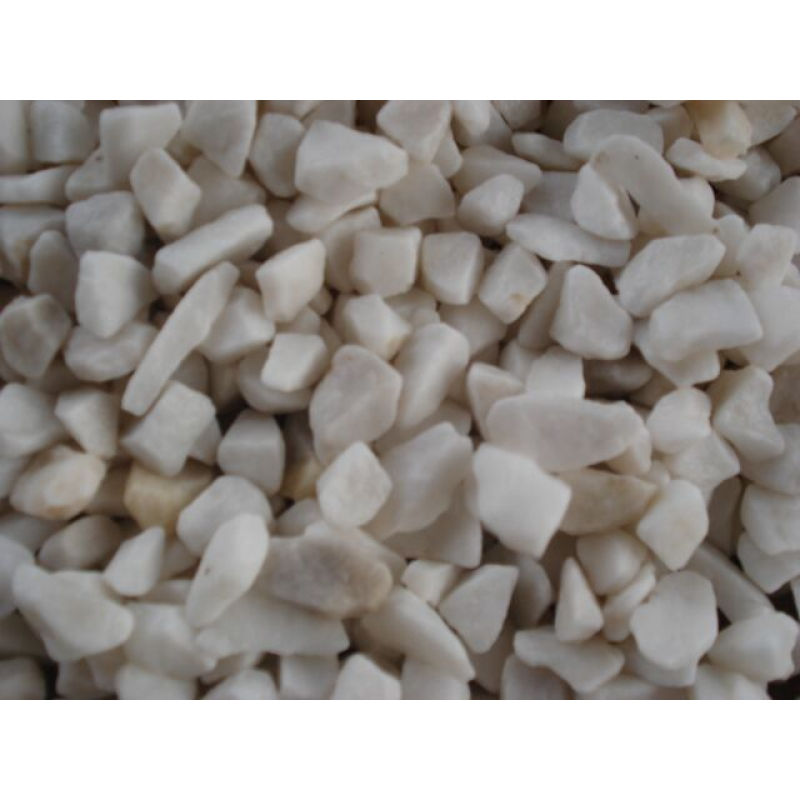
(slate look cladding)
Slate look cladding has become a cornerstone in contemporary building envelopes and interior spaces, offering the visual appeal of natural stone with the practicality of modern materials. This sleek surface solution has gained immense popularity among architects, designers, and builders seeking both performance and aesthetic flexibility. With advancements in manufacturing, slate look cladding now comes in a range of finishes, thicknesses, and dimensions to meet diverse project specifications. The drive toward low-maintenance and environmentally responsible materials has further propelled its widespread use.
Modern construction emphasizes sustainable and efficient materials. Slate look cladding, particularly in its porcelain and ceramic variants, aligns with these objectives. Its durability and weather resistance make it suitable for diverse climates, while its lightweight nature reduces the load on structural elements. Recent market data reflects a surge in demand: in 2023, the global facade cladding market was valued at over $80 billion, with slate-inspired solutions contributing nearly 17% of all new architectural facades, a 21% year-on-year increase since 2021 according to market analysts. This shows not only a design preference but also a strategic move towards cost-efficiency and sustainability.
Adoption of slate look cladding is demonstrably influenced by its competitive edge in longevity and appearance. Industry analysis reveals that black slate look porcelain tile saw a 28% increase in specification for commercial properties across Europe and North America in 2022. Its rise is attributed to improved slip ratings (R11 classification), UV stability (maintaining over 95% colorfastness after 5 years), and average lifecycle costs significantly lower than genuine slate or sandstone. Compared with traditional slate, porcelain alternatives consume 40% less energy during production and have a recyclability rate of up to 96%, directly addressing evolving environmental standards in construction.
The integration of anti-microbial glazes and stain-resistant technologies further boosts indoor and outdoor usability, especially in high-traffic or hygiene-sensitive applications. In hospitality and civic projects, slate look cladding ensures surfaces remain pristine and safe, while innovative panel systems facilitate rapid installation, reducing labor costs by up to 30%. By balancing pragmatic and aesthetic concerns, this product class continues to outpace old-fashioned cladding stones in both specification and end-user satisfaction.
The technical superiority of slate look cladding is multi-faceted. Firstly, black slate look tile and its porcelain variants deliver exceptional compressive strength, rated at 51 MPa, outperforming classic slate tiles at 35-45 MPa. This robust structure means the material resists cracking and breakage under both mechanical and environmental stress.
Water absorption rates are a crucial factor. While natural slate may absorb up to 2% of its mass, porcelain iterations of slate look cladding typically feature less than 0.5% absorption, making them virtually impervious to freeze-thaw cycles and staining. This is reflected in external testing where porcelain panels displayed no spalling or warping after repeated exposure to temperature swings of -20°C to 50°C.
These metrics make slate look cladding a logical choice for both new builds and refurbishments where performance is non-negotiable.
Manufacturers play a pivotal role in product differentiation. The table below outlines how leading brands position their slate look cladding, black slate look porcelain tile, and black slate look tile offerings against key performance indicators:
| Manufacturer | Material | Compressive Strength (MPa) | Water Absorption (%) | UV Resistance (Years) | Panel Thickness (mm) | Price Range (USD/m2) | Warranty (Years) |
|---|---|---|---|---|---|---|---|
| StoneVision Pro | Porcelain | 51 | 0.3 | 10 | 10 | 39–54 | 15 |
| UrbanSlab | Ceramic | 46 | 0.6 | 8 | 8 | 29–44 | 12 |
| NaturalStoneX | Natural Slate | 40 | 2.0 | 7 | 12 | 59–88 | 10 |
| ProClad Black | Porcelain | 49 | 0.4 | 10 | 9 | 41–50 | 15 |
This comparative analysis demonstrates that, while natural stone retains a prestige market, porcelain-based slate look cladding leads in performance, cost, and durability. Extended warranties and colorfastness further tip the balance towards engineered solutions, especially for projects demanding value over decades.
One of the principal attractions of opting for slate look cladding lies in its adaptability. Manufacturers offer extensive customization, allowing architects to specify surface texture, color tone, panel dimensions, and even edge treatments to match project-specific visual narratives. Customization is streamlined by digital fabrication and inkjet printing technologies, facilitating near-limitless patterns that rival quarried slate’s natural variation. With minimum order quantities typically from 100 sq meters, both boutique and large-scale developments find these solutions accessible.
For black slate look tiles, customization extends to matte, honed, or textured finishes, anti-graffiti coatings for urban settings, and anti-slip surfaces that meet ADA (Americans with Disabilities Act) regulations. Large format panels (up to 1200 x 600 mm) reduce on-site joins, creating clean, monolithic facades or interior feature walls. Designers increasingly leverage this flexibility to reinforce brand identities, create bold visual statements, or simply achieve greater technical harmony with adjacent materials.
Slate look cladding powers iconic designs across sectors. In Sydney, the West End Commercial Tower employed over 4,000 sq meters of black slate look porcelain tile on its exterior, chosen specifically for its resistance to urban pollutants and high-wind exposure. Maintenance reports confirm a 28% savings in cleaning logistics versus the previous natural stone cladding, affirming projected lifecycle advantages.
In residential contexts, custom slate look tiles transformed the interiors of the Riverside Lofts in London, uniting kitchen, bathroom, and corridor spaces with one cohesive yet tactile aesthetic. Owner feedback highlighted not just the ease of upkeep but also reduced heating bills, as porcelain’s low thermal mass supported underfloor systems. Hospitality venues, such as the Cascade Resort in Colorado, applied photorealistic slate look cladding for wet spa zones, capitalizing on slip-resistance and moisture-proof performance — guest satisfaction scores regarding facility cleanliness rose by 15% post-renovation.
Beyond interiors and facades, landscape architects select these claddings for outdoor kitchens, pool surrounds, and feature walls, where resilience to weather and foot traffic are paramount. Through continuous material innovation, slate look cladding has demonstrated its versatility across an array of design typologies, consistently outperforming natural stone when total cost of ownership and design latitude are considered.
Slate look cladding stands at the forefront of material technology, merging the timeless appeal of quarried slate with uncompromising modern performance. As construction standards tighten and client demands diversify, the role of adaptable, durable surfaces will only intensify. Independent estimates anticipate an additional 19% rise in slate look cladding installations by 2026, driven by urban regeneration, commercial expansion, and eco-conscious residential design. Whether specified for its technical robustness or curated aesthetic, slate look cladding—supported by black slate look porcelain tile and expertly engineered black slate look tile—will continue to redefine world-class architecture for decades to come.
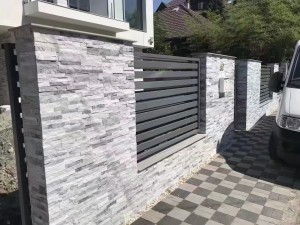
(slate look cladding)