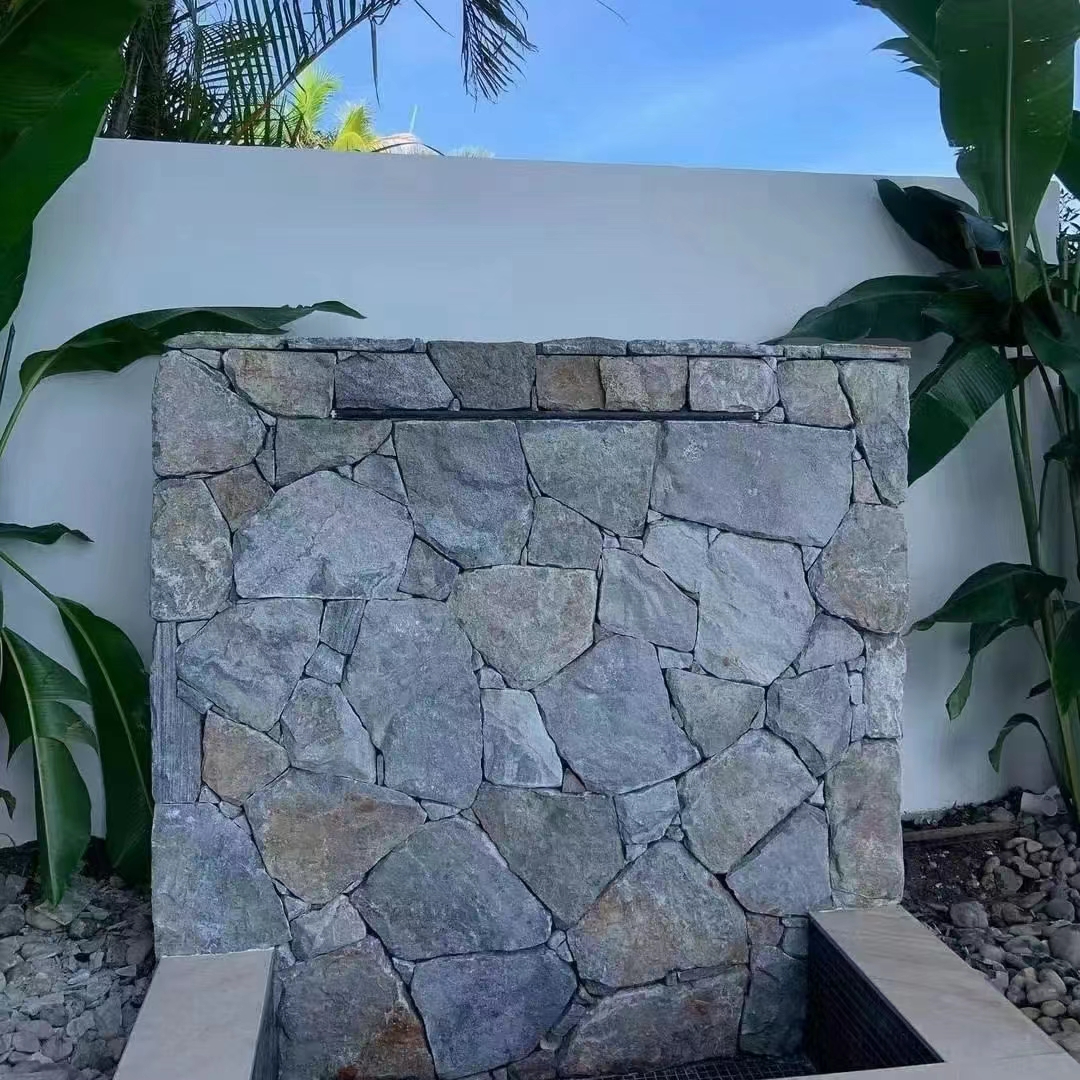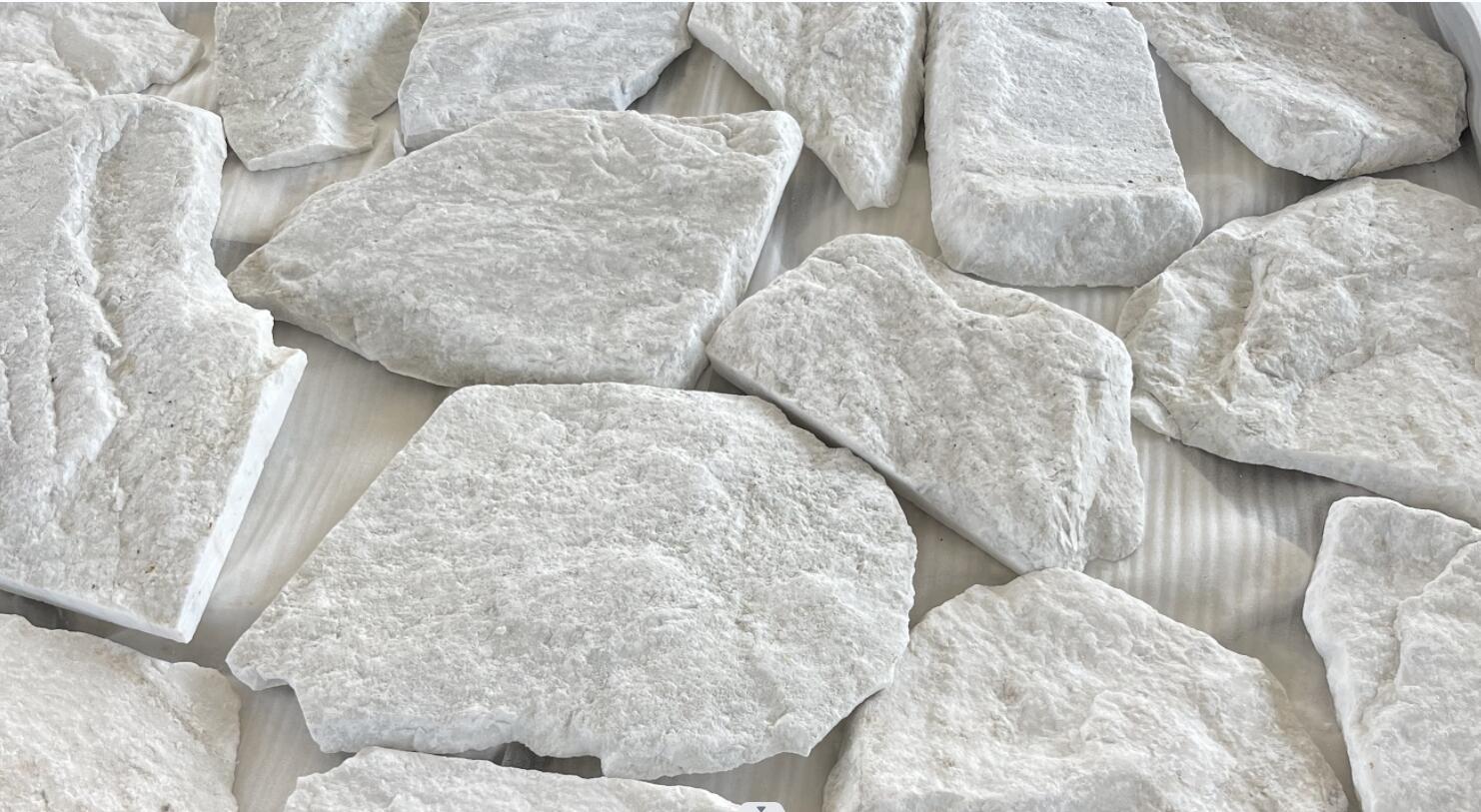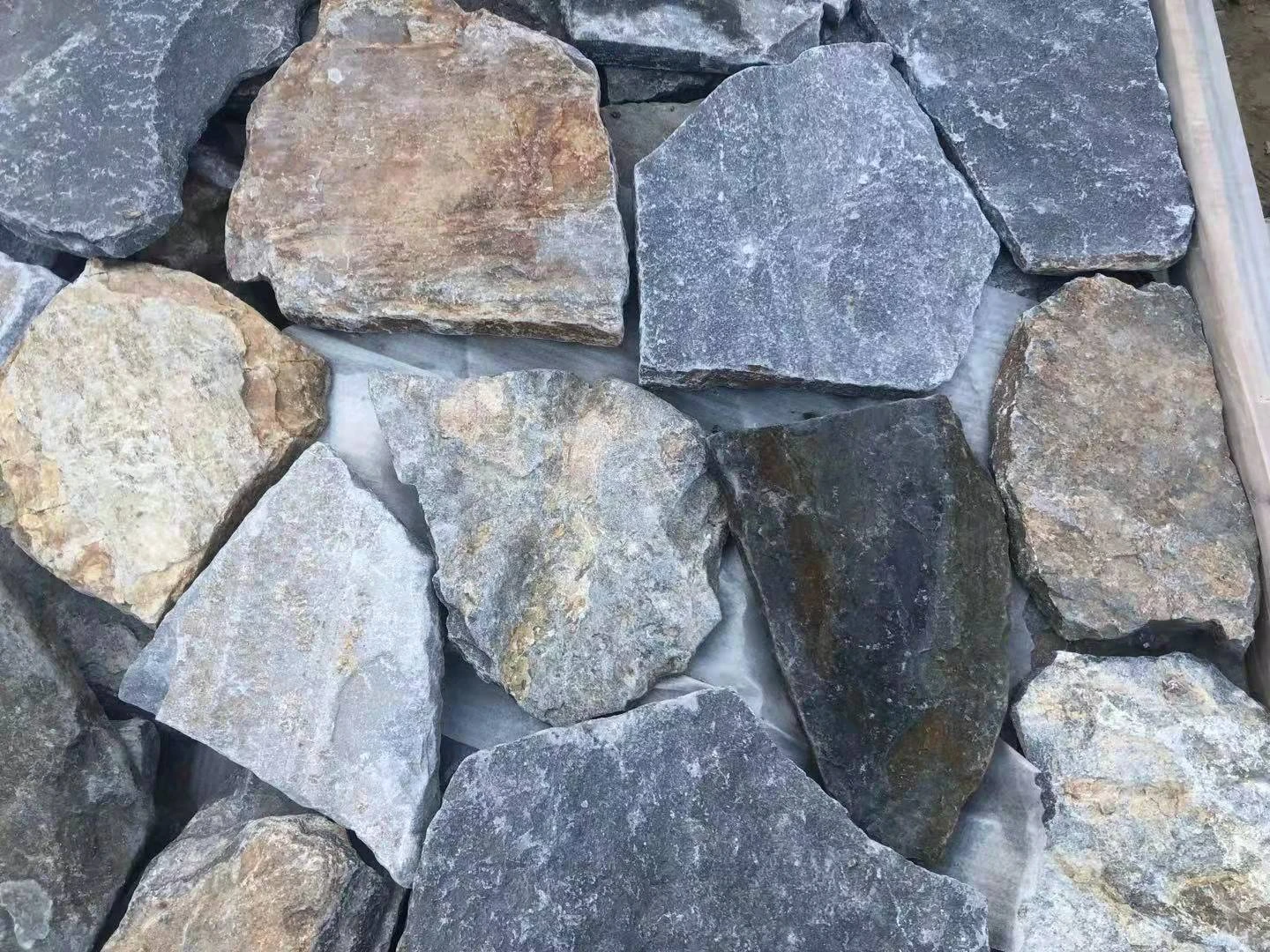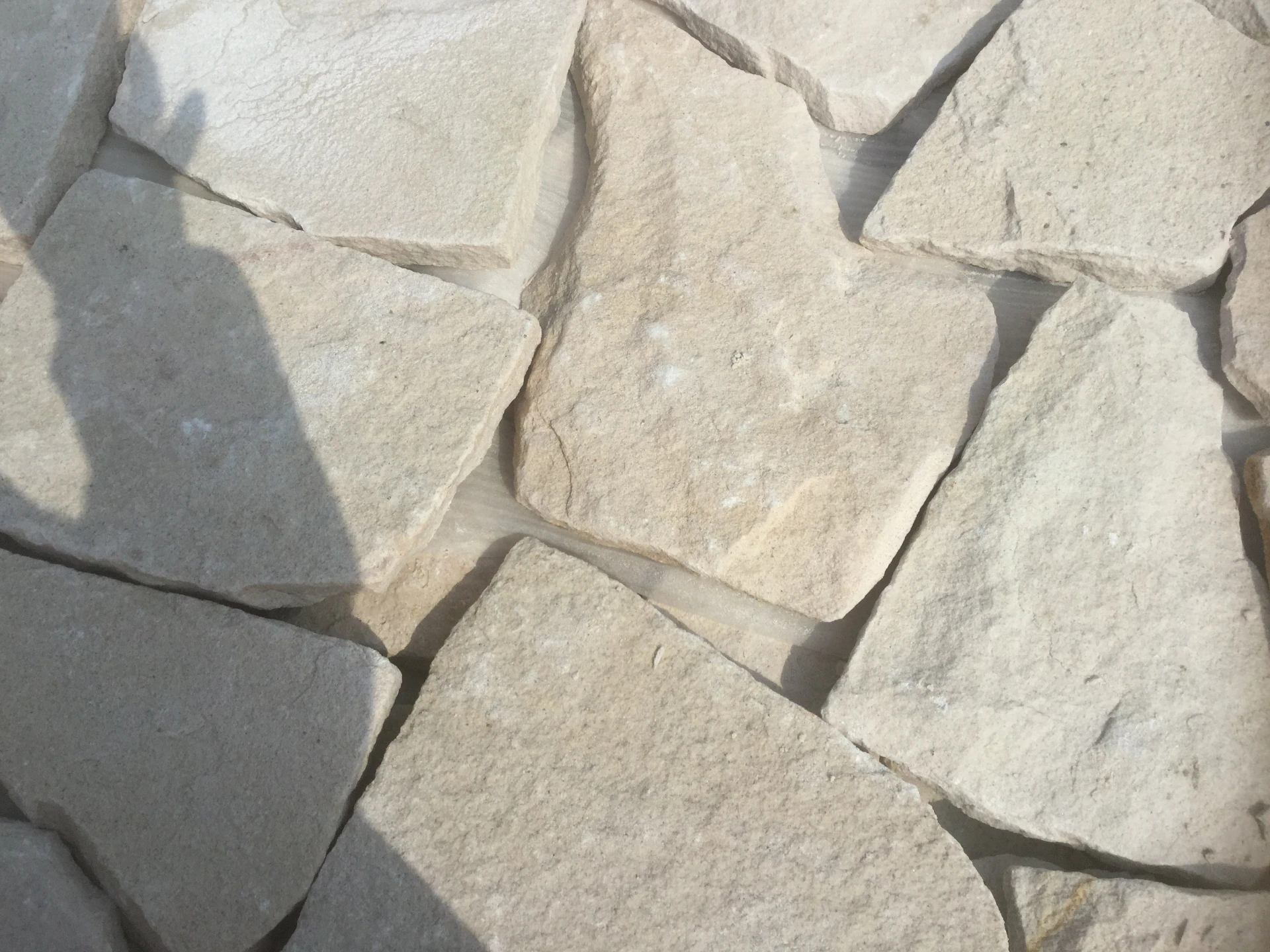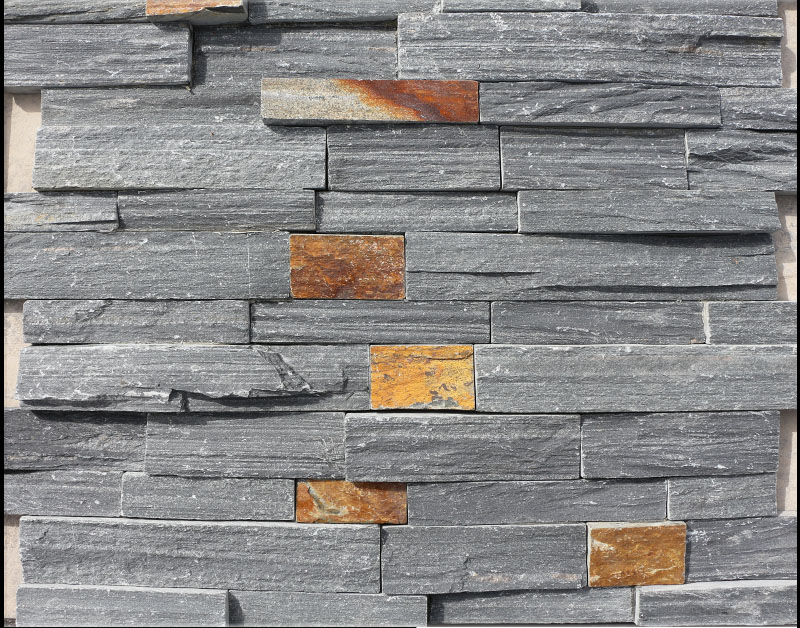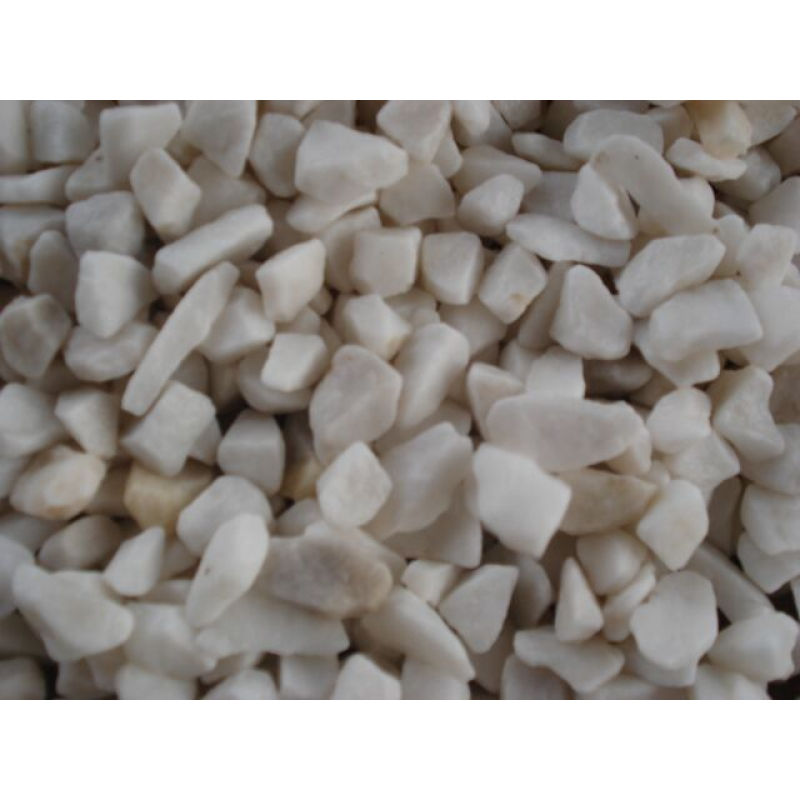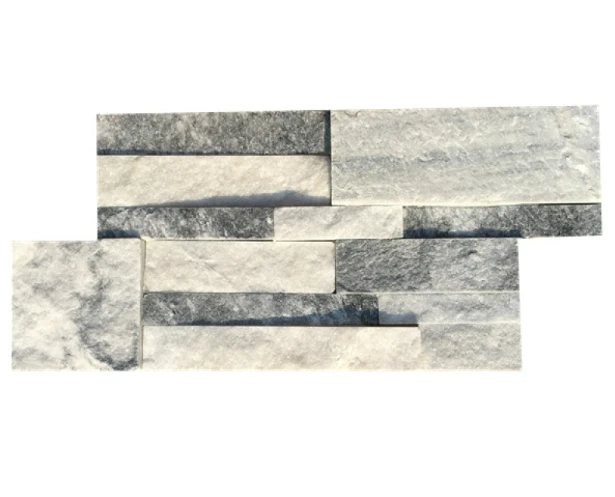
(flagstone garden wall)
Integrating a flagstone garden wall
into your landscape design provides more than just a visual upgrade; it combines structural resilience with natural elegance. Flagstone walls, commonly featuring local sandstone, limestone, or slate, create terraces, delineate garden beds, and offer erosion control, making them a favored solution in both contemporary and classic landscapes.
According to the National Association of Landscape Professionals, the use of natural stone like flagstone has increased by 18% in residential landscaping projects since 2020, attributed to the rising demand for durable and eco-friendly outdoor features.
Strategically placed, a flagstone garden wall transforms uneven terrain into usable space, provides seating, or secures perimeters. The wall’s inherent texture and earthy tones ensure it blends seamlessly with plants and architectural elements, promising long-lasting curb appeal.
The success of any garden wall begins with its materials and assembly methods. Flagstone, with its naturally cleft surfaces and assorted shapes, offers inherent slip resistance and resilience to frost-thaw cycles—a significant consideration for outdoor installations. Laboratory testing reveals that high-grade flagstone maintains compressive strengths ranging from 8,000 psi (pounds per square inch) to over 12,000 psi, surpassing many conventional paver products.
Due to its high density and low absorption rates (below 2% by weight), flagstone resists staining and degradation from irrigation or precipitation. This makes it particularly suitable for wet environments, including retaining walls adjacent to water features or sloped gardens. The mortarless (dry-stack) technique further enhances drainage and flexibility, reducing risks of frost heave or cracks during seasonal shifts—a primary advantage over poured concrete alternatives.
Maintenance is minimal; periodic inspection, occasional re-pointing (for mortared builds), and surface cleaning keep the structure immaculate for decades, with many installations showing minimal wear after 25+ years of use.
Building a stacked flagstone wall demands expertise, precision, and careful planning. There are two primary construction types: dry-stacked and mortared. Dry-stacked walls are assembled without binding agents, relying on weight and gravity. These systems create built-in drainage, essential for garden settings, and are more environmentally friendly, as they can be deconstructed and reused with minimal waste.
For extra stability, especially in retaining walls over 3 feet tall, mortared flagstone walls are recommended. These incorporate a cementitious binder to lock the stones in place and accommodate higher loads or steeper inclines.
Best practices include setting a deep base (minimum 6-12 inches of compacted crushed stone), staggering joints for optimal interlock, and inclining the wall backwards (batter) at roughly 1 inch per foot of height to combat soil pressure. For a retaining feature, the inclusion of filter fabric and perforated drain tile behind the wall reduces hydrostatic pressure and prolongs lifespan.
Choosing the right manufacturer or supplier impacts the performance, appearance, and value of your flagstone garden or retaining wall. Below is a comparative table of three reputable American manufacturers based on material sourcing, stone dimensions, price per square foot, and product guarantees.
| Manufacturer | Stone Source | Stone Dimensions | Price (per sq. ft.) | Warranty |
|---|---|---|---|---|
| RockSolid Supplies | Locally Quarried Granite & Sandstone | 1-2" thick, 8-20" wide, random lengths | $23–$29 | Lifetime on Structural Integrity |
| Flagstone Masters | Regional Blue Stone | 2-3" thick, 12-18" wide, calibrated | $28–$35 | 20 years |
| NaturalStone Direct | Imported Basalt & Slate | 1-1.5" thick, 6-16" wide, random lengths | $19–$25 | 10 years |
The data shows RockSolid Supplies offers the best warranty and robust local materials, making it ideal for high-resilience landscaping. Flagstone Masters provides mid-range pricing with calibrated stones, reducing labor, while NaturalStone Direct presents a budget-friendly option for projects with shorter timeframes or lower structural demands.
No two landscapes are identical, demanding personalized solutions for both visual and functional requirements. Leading installers and suppliers typically offer site consultations, material samples, and 3-D design previews to ensure accurate adaptation to each garden’s contours and client preferences.
Flagstone walls can be tailored for curved borders, tiered gardens, or integrated seating and planter elements. For urban yards, thin-profile stacked flagstone walls maximize space while retaining soil and supporting vegetation. In rural properties or estates, larger, more rugged stones evoke natural outcrops and provide additional sound barriers.
Customization extends to color blends (warm tan, cool gray, multicolor), surface finish (split-face, tumbled, honed), and capstone styles—all contributing to the wall’s overall harmony with the landscape. Modern CAD design software, now used by over 65% of on-site contractors, allows for digital modeling and precision cost estimation before ground is even broken.
Real-world evidence validates the enduring value of flagstone installations. In a 2023 project, the Smithfield Botanical Gardens replaced a deteriorating timber barrier with a 900-square-foot stacked flagstone retaining wall. The wall, using 2-inch-thick regional blue stone, increased planted area by 30% and reduced annual maintenance costs by $1,500.
Another residential project in Denver featured a curved flagstone garden wall alongside a sloped backyard, providing both safety and visual continuity. The property’s overall resale value increased by 8%, according to a post-project appraisal. Similarly, commercial properties have incorporated stacked flagstone walls in outdoor dining settings, observing a 25% rise in customer retention due to improved ambiance and seating.
These cases showcase how flagstone walls not only stabilize and beautify landscapes but also deliver measurable financial and functional benefits across residential, public, and commercial environments.
A flagstone garden wall is more than an architectural element—it is a foundational asset that elevates the utility and character of outdoor spaces. Whether realized as a stacked flagstone wall or a full-scale stacked flagstone retaining wall, the advantages include unmatched durability, easy customization, and lasting visual appeal. Manufacturer selection, technical detailing, and individualized design play pivotal roles in achieving the highest value.
With appropriate planning and expert installation, flagstone garden walls remain steadfast through decades, safeguarding landscapes and maximizing estate value for generations.
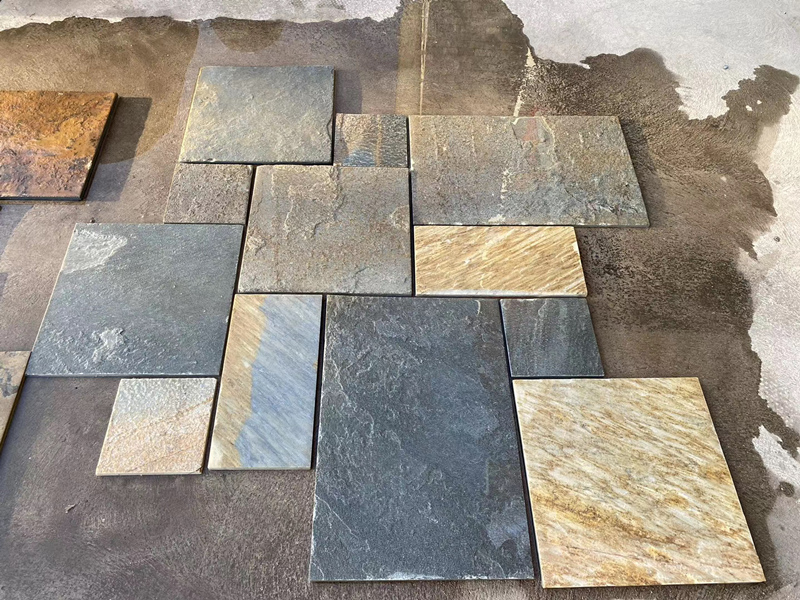
(flagstone garden wall)