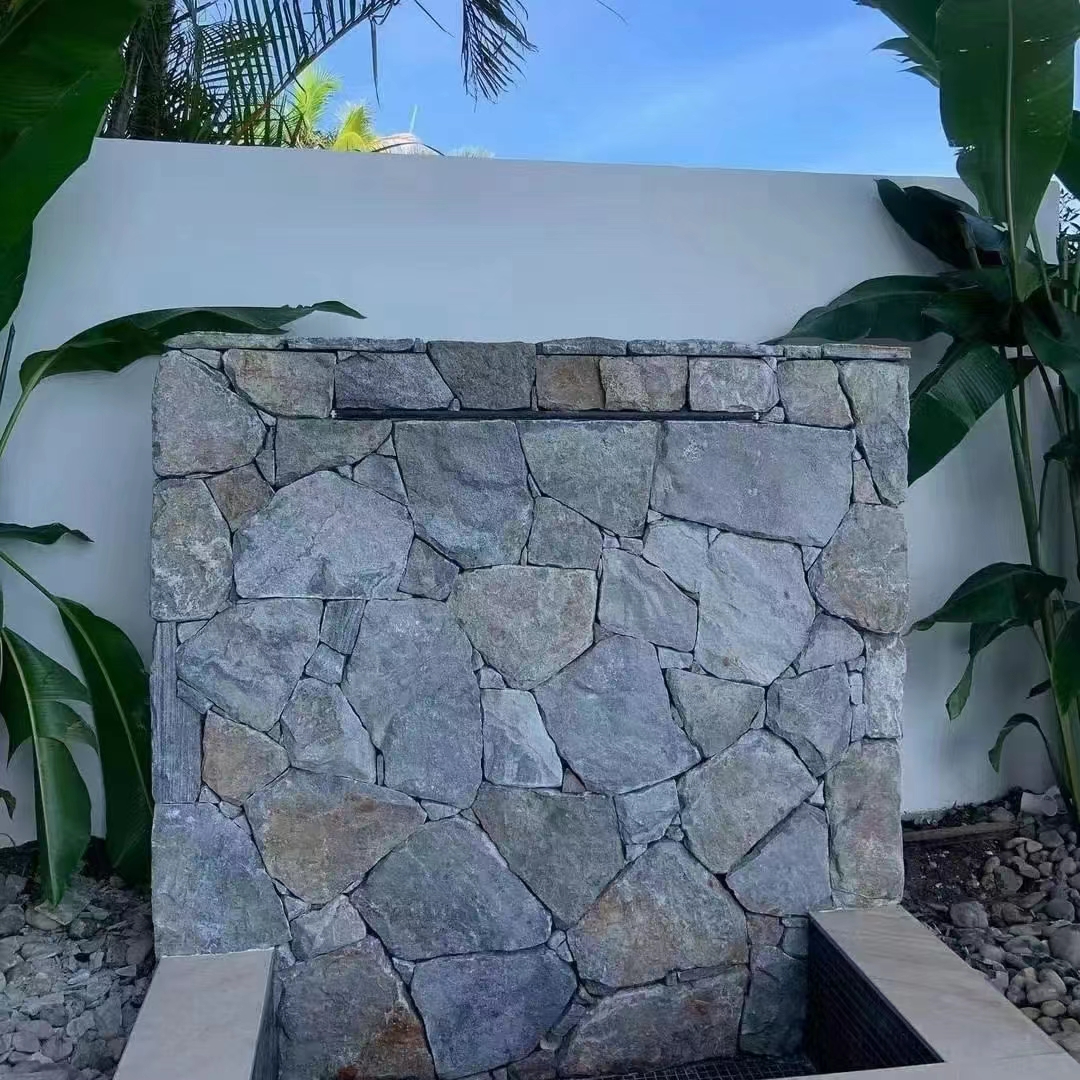
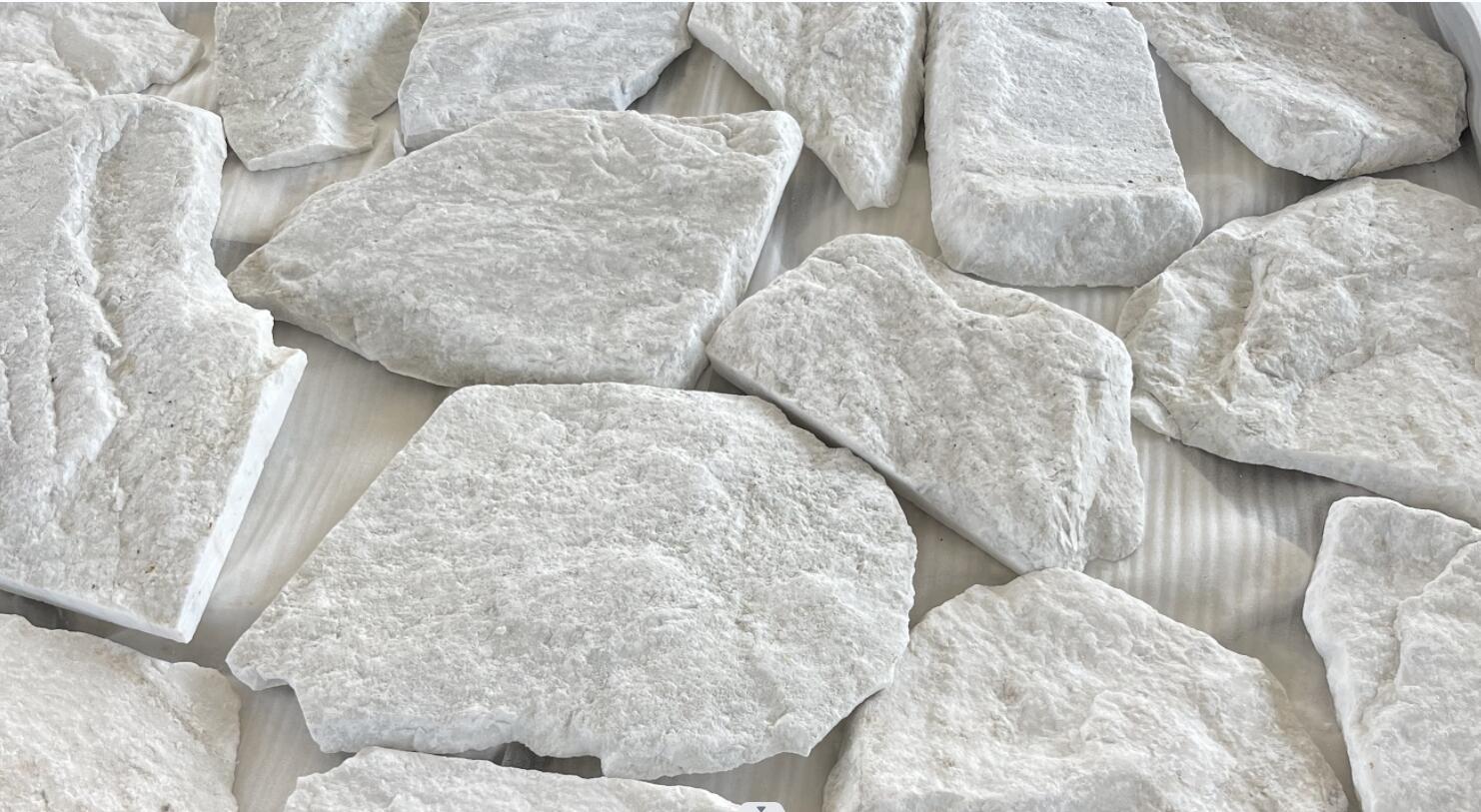
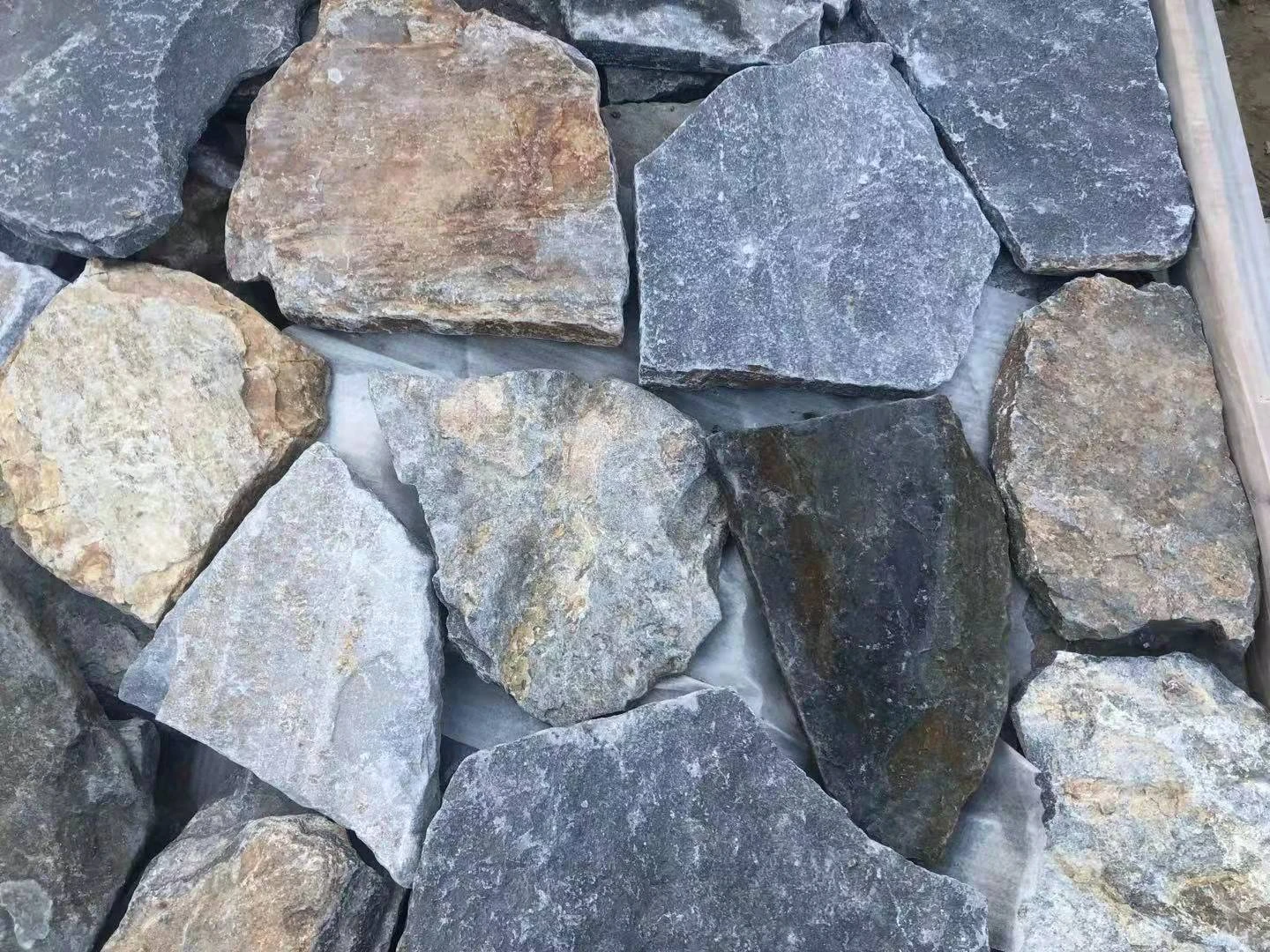
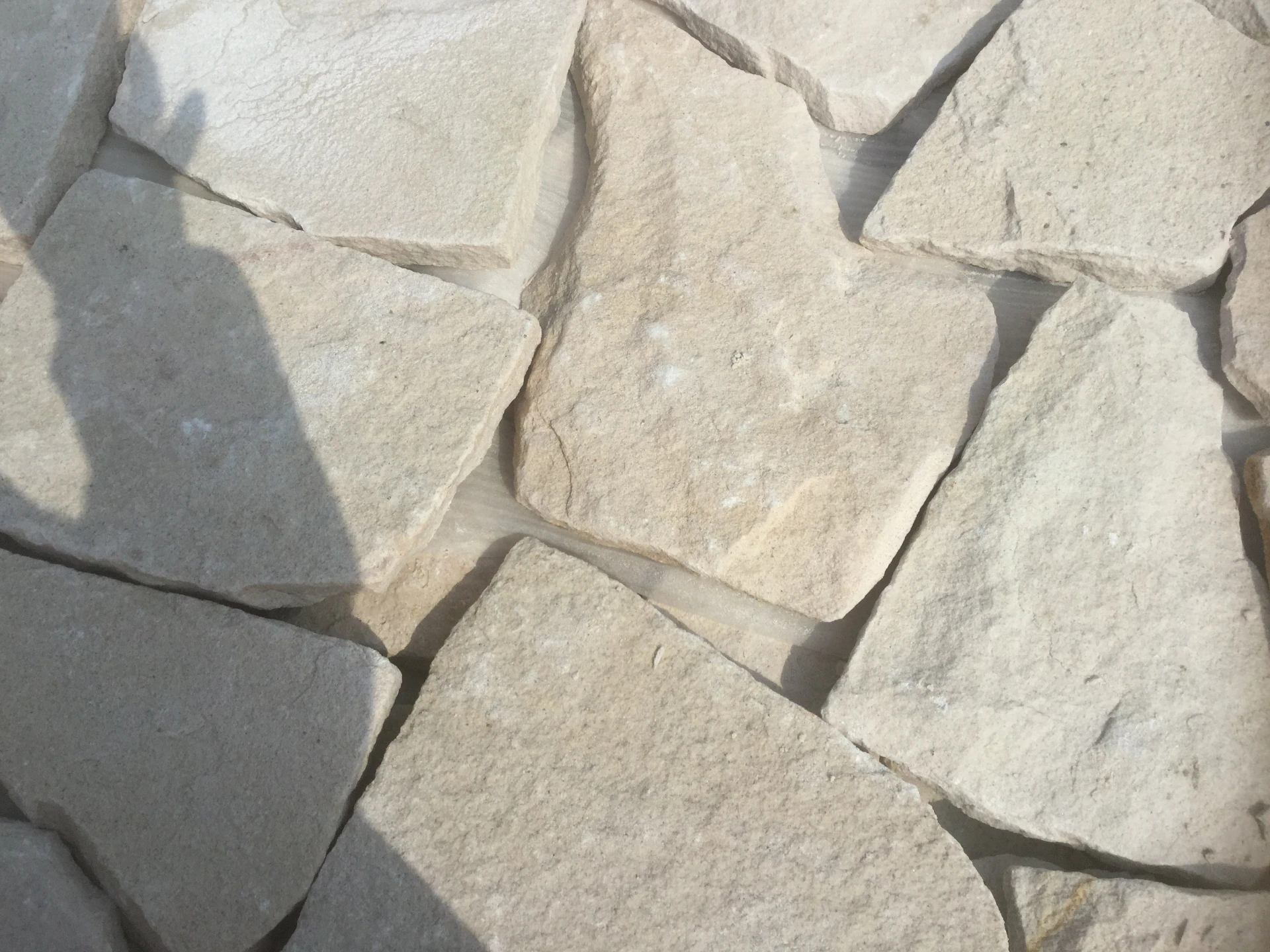
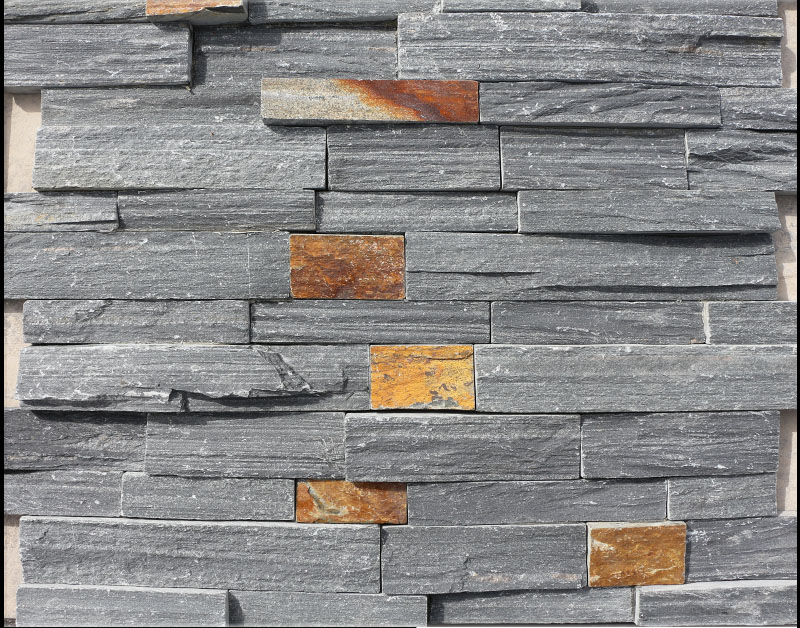
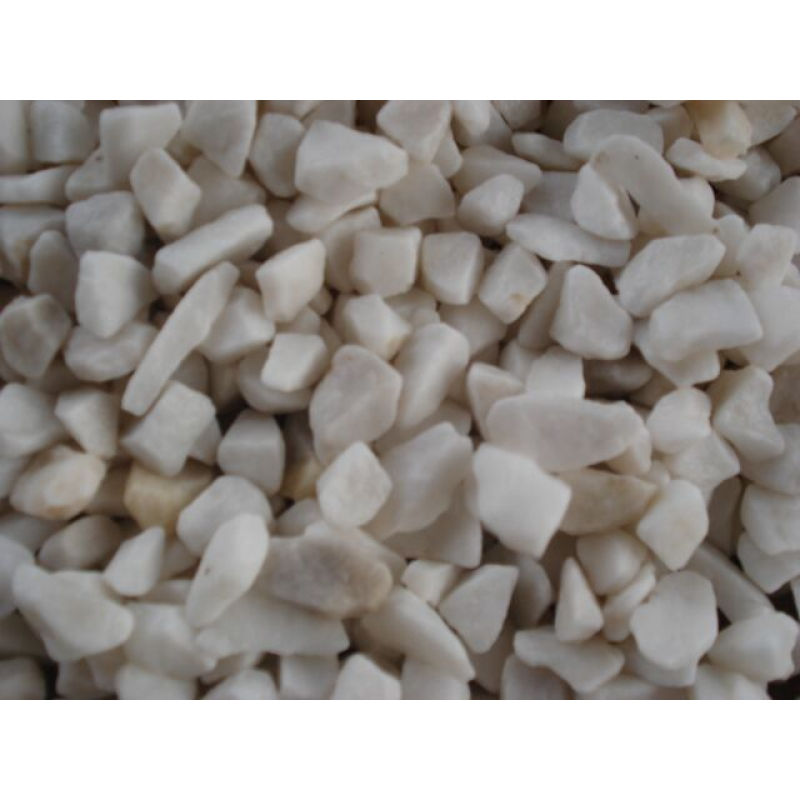
In hospitality fit-outs and modern homes, the quiet luxury trend is real. Rough-split quartzite slate—marketed here as Grey Rough Face Stacked Stone Cladding—lands that cool, tactile depth many clients are chasing. Actually, it reads “near-black” in low light, which is why people call it black mosaic for wall in specs. I’ve seen it go from mood-board crush to site-approved material in a week, which is rare.
Product: Grey Rough Face Stacked Stone Cladding (Quartzite Slate), split-face modules for interior/exterior feature walls. Origin: 1111-1112, Sinotrans Building, No.368, North Youyi Street, Shijiazhuang, 050071 China. To be honest, the hand-split texture is what sells it on-site—no two pieces look identical.
| Module size | ≈55 × 15 cm | Thickness | ≈3 cm |
| Material | Quartzite slate, split-face | Color | Grey (reads near-black in low light) |
| Water Absorption (ASTM C97) | ≈0.6–1.2% (real-world may vary) | Compressive Strength (C170) | ≈120–180 MPa |
| Flexural Strength (C880) | ≈10–18 MPa | Chemical Resistance | Antacid; suitable for urban exteriors |
| Certs | ISO 9001, EN 1469 guidance | Service life | 25–50 years with proper install |
Advantages designers cite: low visual noise, strong shadow lines, durable under foot traffic (on verticals it’s a tank), and it plays nicely with warm woods and brass. Many customers say maintenance is simpler than they expected—dusting and occasional pH-neutral wash.
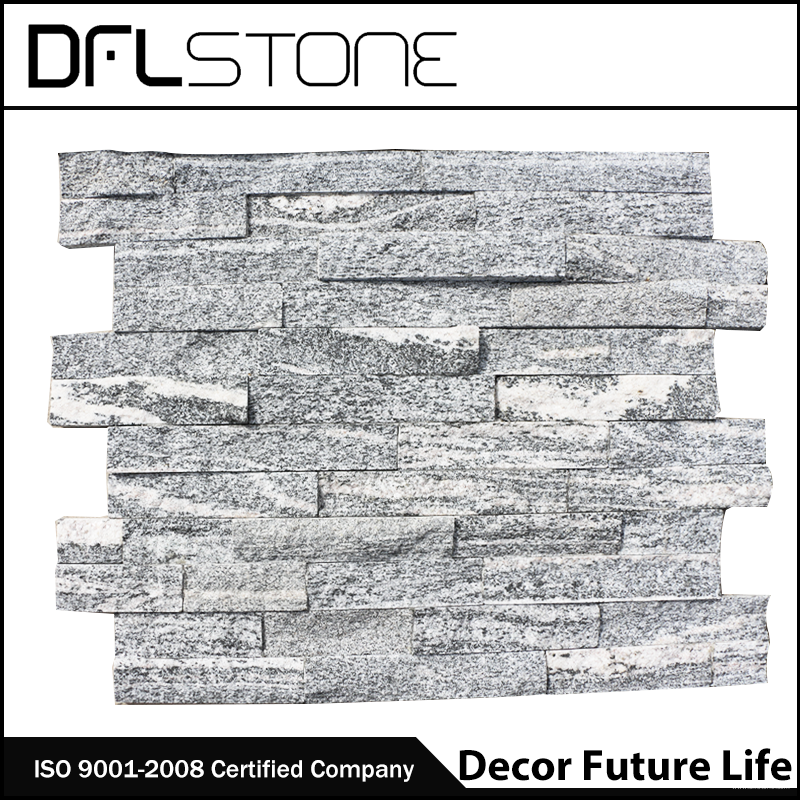
Materials are selected at the quarry, then slabs are cut, split-face finished, and calibrated to thickness. Modules are checked for dimensional tolerance (±1–2 mm), color sorting, and edge integrity. Testing typically references ASTM C97 (absorption), C170 (compressive), C880 (flexural), and EN 1469 for cladding practice. Final steps: shrink-wrap, crate, drop-test simulation, and batch traceability. Service life? With breathable sealers and proper drainage, decades. However, coastal sites should specify stainless anchors and back-ventilated substrates.
| Vendor | Certifications | Lead Time | Customization | Notes |
|---|---|---|---|---|
| DFL-Stones (China) | ISO 9001; ASTM/EN test reports | ≈3–5 weeks | Sizes, corner pieces, sealing | Stable color, strong crate packing |
| Vendor B (EU) | EN 1469 focus | ≈5–7 weeks | Limited formats | Higher price band |
| Vendor C (APAC) | Factory QC only | ≈4–6 weeks | Custom textures by request | Watch thickness variance |
Boutique hotel lobby, 85 m²: installed in 6 days; designer feedback—“shadow lines do the lighting work.” Urban café façade, 42 m²: passed winter freeze–thaw with no spalls. Private residence fireplace: homeowner said the black mosaic for wall vibe “anchors the room without shouting.” I guess that’s the point.
Bottom line: if you’re shortlisting a durable, architect-grade black mosaic for wall material that reads premium in person, this split-face quartzite belongs on the sample tray.