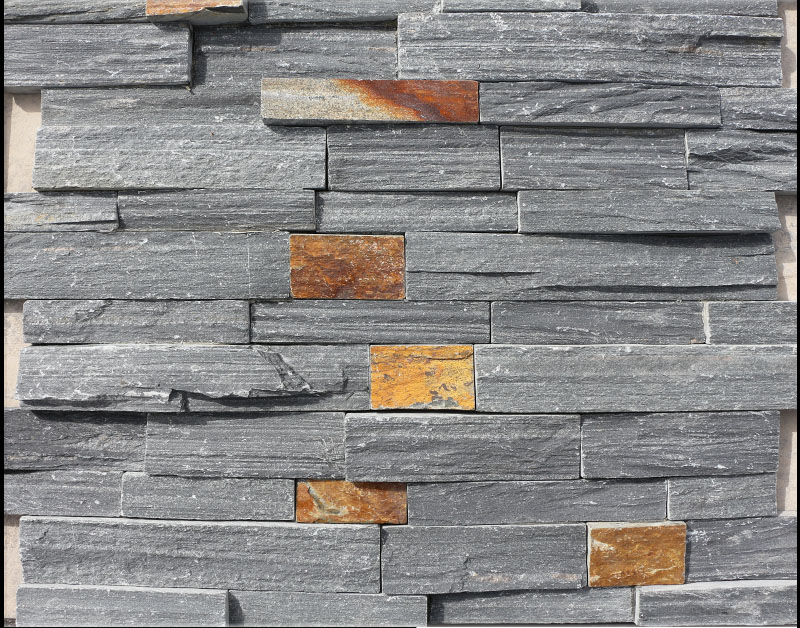
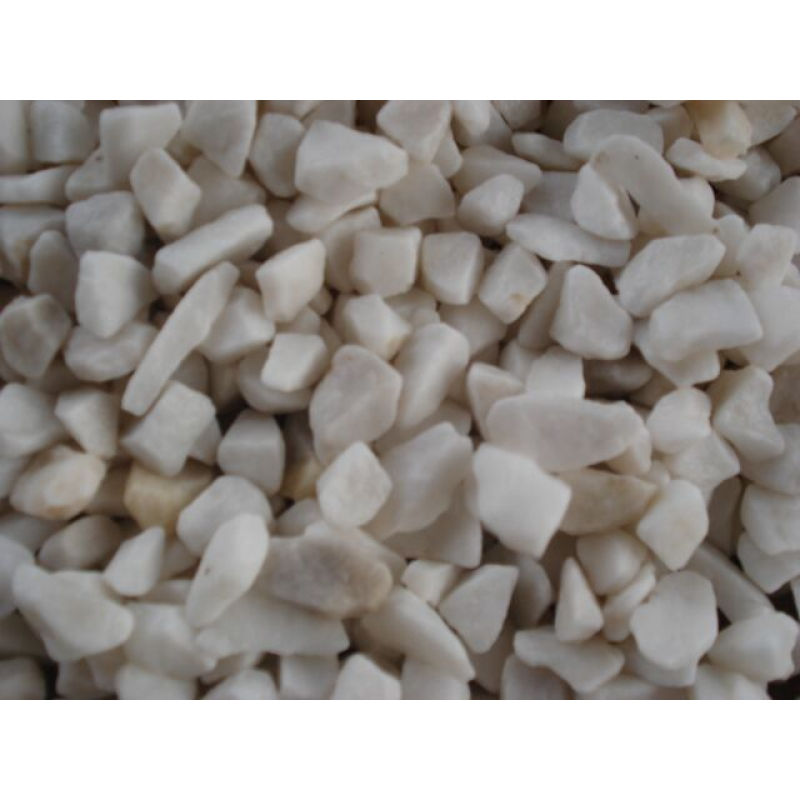
In contemporary architecture and high-end construction, the demand for distinctive, durable, and sustainable facade solutions is consistently rising. For discerning B2B stakeholders, selecting materials that offer both aesthetic appeal and robust performance is paramount. This article delves into the unique value proposition of natural irregular stone cladding, specifically highlighting the market for buy irregular blue quartz and similar premium stone systems. We explore its technical specifications, manufacturing processes, diverse applications, and competitive advantages that position it as a superior choice for a myriad of projects ranging from luxury residential complexes to demanding industrial installations.
The architectural landscape is witnessing a strong resurgence in the appreciation for natural materials, driven by a global push for sustainability, biophilic design, and long-term asset value. Clients are increasingly moving away from synthetic alternatives towards authentic stone that offers unparalleled character and longevity. The trend towards unique, non-uniform textures is particularly evident, elevating products like those providing the distinctive look of irregular blue quartz. This preference extends across various applications, from striking interior feature walls to robust house cladding stone and elaborate decorative wall cladding exterior solutions. Moreover, the ease of installation offered by systems like stacked slate cladding and pre-panelized z clad stone cladding continues to enhance their market penetration, streamlining construction timelines and reducing labor costs for developers and contractors.
Sustainability initiatives also heavily influence material selection. Natural stone, with its inherent durability and minimal processing requirements compared to engineered composites, aligns perfectly with green building certifications like LEED. This positions natural irregular stone, including varieties that echo the aesthetic of blue quartz, as a premium choice that enhances both property value and environmental stewardship. The market also shows significant demand for color versatility, with options ranging from elegant grey limestone cladding to dramatic black mosaic for wall applications, ensuring design flexibility for any project specification.
Understanding the material science behind irregular stone cladding is crucial for B2B decision-makers. While "blue quartz" refers to a specific mineral, the term "irregular blue quartz" in this context often represents a natural stone product with a distinctive blue-grey hue and an uncalibrated, organic shape, reminiscent of naturally fractured quartz deposits. These stones are typically sourced from metamorphic or igneous rock formations, which are known for their exceptional hardness and resistance to weathering.
Key technical parameters define the suitability of such materials for exterior and interior cladding. These include compressive strength, flexural strength, water absorption rate, density, and resistance to freeze-thaw cycles. For instance, a low water absorption rate (typically below 0.5% for high-grade stone) is critical for frost resistance and preventing biological growth. High compressive strength ensures the stone can withstand structural loads and impacts over its extensive service life, which can exceed 50 years with proper installation and maintenance.
| Parameter | Unit | Typical Range (Blue-Toned Natural Stone) | ASTM/ISO Standard |
|---|---|---|---|
| Compressive Strength | MPa | > 100 | ASTM C170, ISO 10545-4 |
| Flexural Strength | MPa | > 8 | ASTM C880, ISO 10545-4 |
| Water Absorption | % | < 0.5 | ASTM C97, ISO 10545-3 |
| Density | kg/m³ | 2600 - 2900 | ASTM C97 |
| Abrasion Resistance | mm | < 18 | ASTM C1353 |
| Freeze-Thaw Resistance | Cycles | > 100 | ASTM C666, EN 12371 |
These specifications are crucial for ensuring the cladding's long-term performance in diverse climatic conditions, offering significant advantages in terms of corrosion resistance and overall structural integrity compared to less robust materials.
The production of high-quality irregular natural stone cladding, including systems designed to emulate the appeal of irregular blue quartz, is a meticulous process that begins with careful quarrying and culminates in rigorous quality control. This process ensures the product meets the stringent demands of B2B applications across various target industries, including high-end residential, commercial, hospitality, and even specialized industrial facades (e.g., architectural elements in petrochemical or metallurgy administrative buildings where aesthetics and durability are both critical).
The emphasis on natural splitting and careful selection contributes significantly to the longevity of these materials. Their inherent resistance to environmental stressors means a prolonged service life, often extending well beyond 50 years, making them a sustainable and cost-effective solution for various applications, including critical infrastructure like water supply & drainage facilities that require durable, low-maintenance finishes.
The aesthetic versatility and structural integrity of irregular natural stone cladding make it an ideal choice for a wide array of B2B applications. Products such as irregular blue quartz contribute a unique, organic texture that can transform a building's facade or interior space into a distinctive architectural statement. Key application scenarios include:
The irregular shapes integrate harmoniously with modern architectural designs, providing a captivating interplay of light and shadow that changes with the day. This organic aesthetic is a powerful counterpoint to minimalist or industrial structures, infusing warmth and character. Additionally, the availability of specialized solutions like black mosaic or black mosaic for wall installations expands the creative palette for designers seeking bold contrasts or intricate patterns.
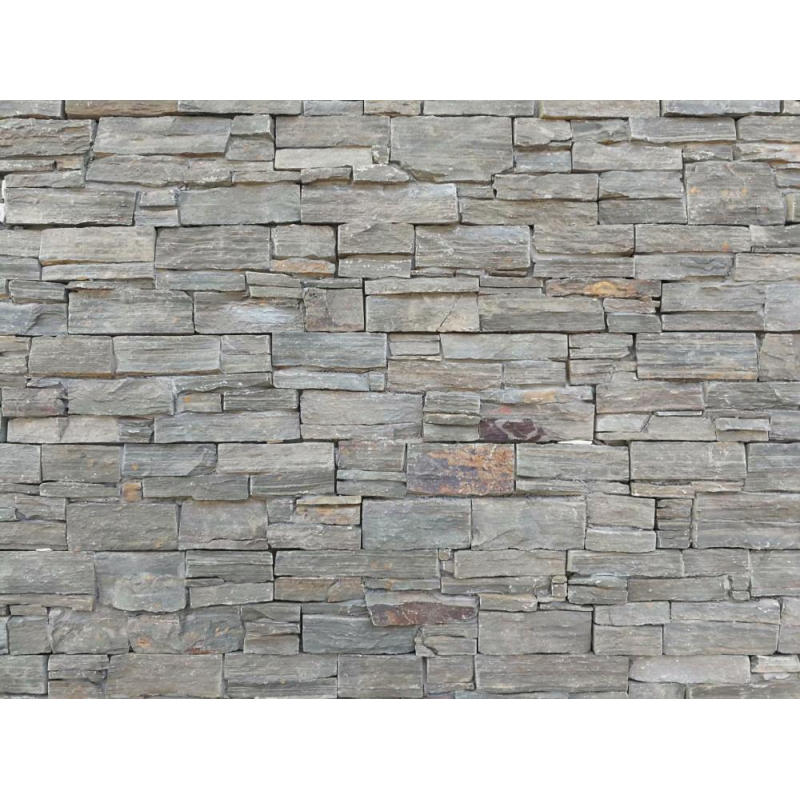
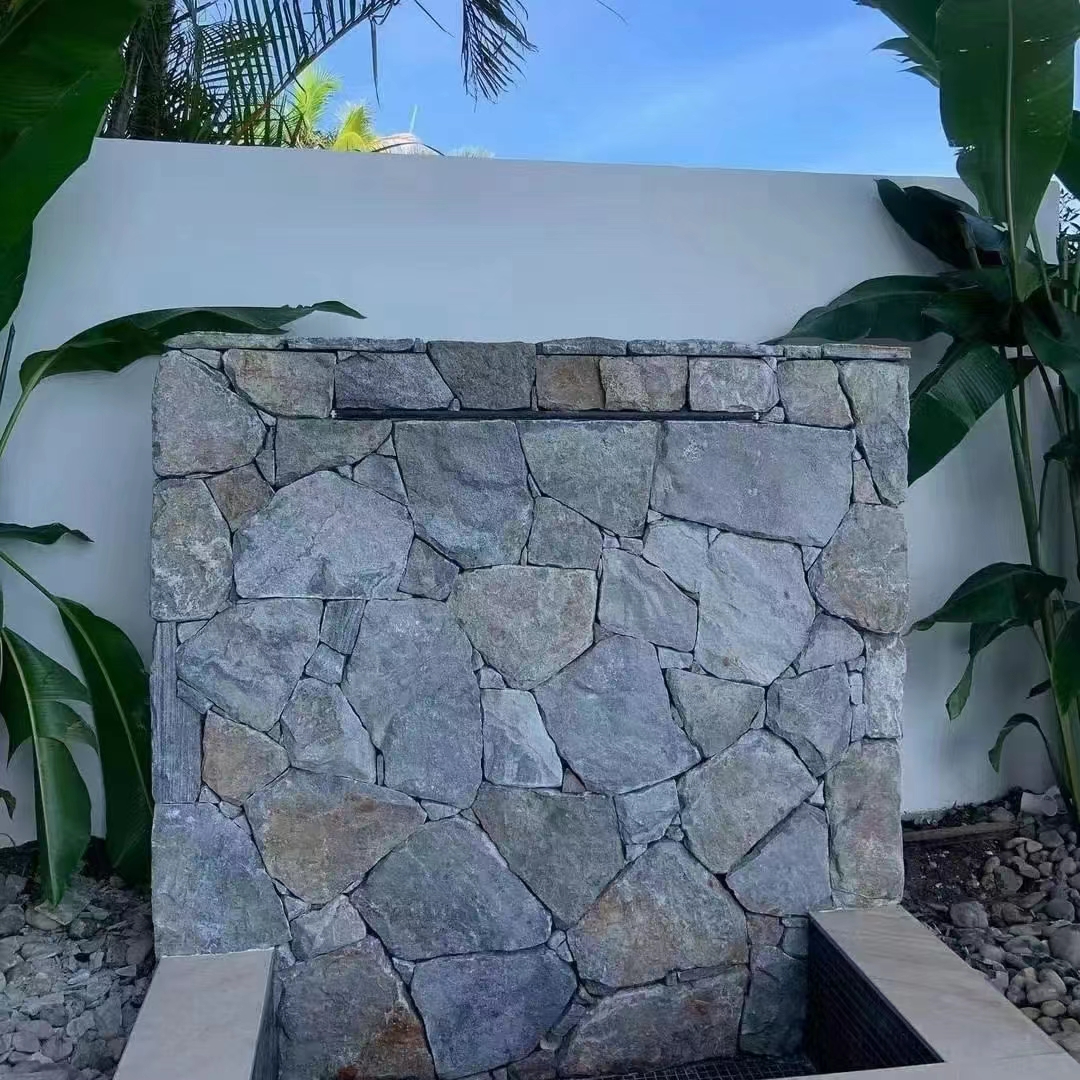
Image 1: Illustrating the unique aesthetic appeal of natural irregular stone cladding in a modern architectural context.
For B2B specifiers, the technical advantages of irregular natural stone cladding systems are manifold and significantly impact project longevity and operational costs. The inherent properties of natural stone, especially those found in formations yielding irregular blue quartz-like materials, provide superior performance compared to many synthetic or manufactured alternatives.
| Feature | Natural Irregular Stone (e.g., Quartz/Slate) | Fiber Cement Board | EIFS (Exterior Insulation and Finish System) |
|---|---|---|---|
| Aesthetic Authenticity | Unique, organic, timeless | Uniform, manufactured appearance | Smooth, painted finish, can mimic textures |
| Durability & Lifespan | Excellent, 50+ years, highly resistant to impact | Good, 25-40 years, can chip/crack | Moderate, 20-30 years, susceptible to impact damage |
| Weather Resistance | Superior (low absorption, high freeze-thaw) | Good (requires proper sealing/painting) | Good (relies on continuous membrane) |
| Maintenance Requirements | Very low (periodic cleaning) | Moderate (re-painting/sealing every 10-15 years) | Moderate-high (repair for impact damage, re-painting) |
| Fire Resistance | Non-combustible (Class A) | Good (non-combustible) | Variable (depends on insulation material, usually Class B/C) |
| Cost (Lifecycle) | Higher initial, very low long-term ROI | Moderate initial, moderate long-term | Lower initial, moderate-high long-term |
Choosing the right supplier for natural irregular stone cladding, especially for specific aesthetics like irregular blue quartz, is critical for project success. B2B decision-makers must evaluate vendors based on more than just price. Key criteria include:
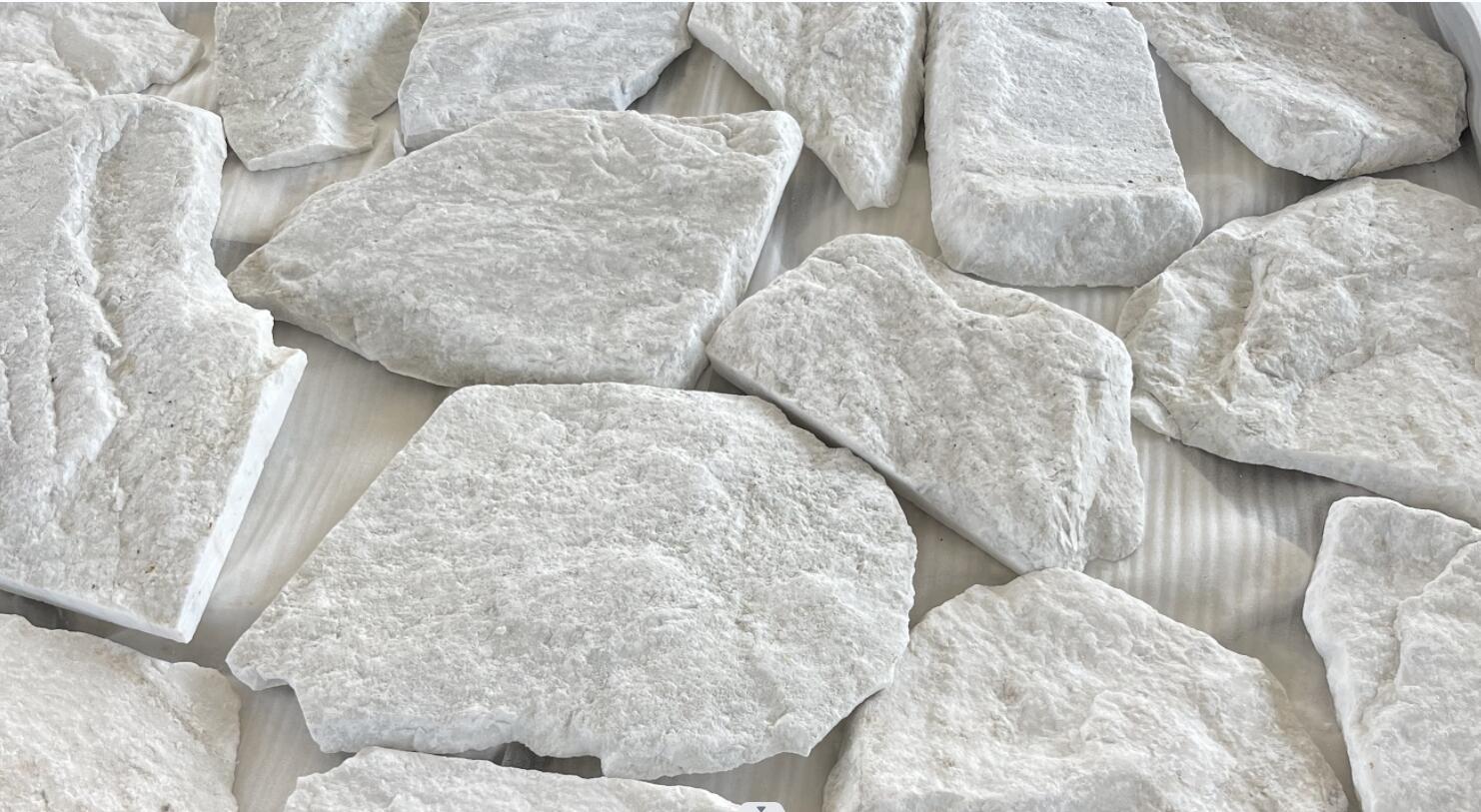
Image 2: An example of a well-executed irregular stone cladding project, showcasing material consistency and expert craftsmanship.
The beauty of natural stone, particularly irregular forms, lies in its adaptability to unique architectural requirements. Suppliers specializing in products like irregular blue quartz often provide extensive customization options to ensure perfect integration with any design vision. This includes:
This level of customization ensures that the natural character of the stone is maximized while adhering to stringent project specifications, offering architects unprecedented freedom in design.
A recent urban redevelopment project required a distinctive yet robust facade for a mixed-use commercial building. The architects selected a customized blend of irregular natural stone, including elements visually akin to irregular blue quartz, to create a textured, contemporary exterior. The pre-panelized format of the cladding system significantly accelerated installation, reducing labor costs and project timelines by 30% compared to traditional masonry. The project achieved LEED Gold certification, partly due to the stone's low environmental impact and thermal mass benefits, which contributed to reduced operational energy consumption. Client feedback highlighted the unique aesthetic and the long-term durability as key factors for tenant attraction and retention.
For a luxury resort located in a challenging coastal environment, a highly durable and aesthetically pleasing exterior was paramount. The design incorporated extensive house cladding stone and retaining walls using irregular black limestone for its dramatic contrast with the surrounding landscape and its proven resistance to salt spray and high humidity. The irregular forms harmonized with the natural setting, blurring the lines between built environment and nature. The stone's low water absorption and high frost-thaw resistance ensured its performance against extreme weather, with no signs of degradation after five years, surpassing the client's expectations for longevity and low maintenance.
Q: What makes natural irregular stone a superior choice over engineered stone for cladding?
A: Natural irregular stone offers unparalleled authenticity, unique aesthetic variations, and superior long-term durability and weather resistance without the need for periodic sealing or refinishing often required by engineered products. It also provides better thermal mass for energy efficiency.
Q: What is the typical lead time for a large order of irregular stone cladding?
A: Lead times can vary based on the specific stone type, quantity, and customization requirements. Generally, for bespoke or large-volume orders, a lead time of 6-10 weeks is typical from order confirmation to shipment, with rush options available for certain products. Project managers should coordinate directly with our sales team for precise timelines.
Q: Do you offer installation guidance or support for your products?
A: Yes, we provide comprehensive technical documentation, detailed installation guides, and direct consultation with our expert team to ensure proper application and maximum performance of our cladding systems.
Our natural stone cladding products are backed by a comprehensive limited warranty covering material defects for up to 25 years from the date of purchase. This commitment underscores our confidence in the quality and durability of our stone systems, providing peace of mind for B2B clients and ensuring long-term asset protection.
We believe in fostering long-term partnerships. Our dedicated customer support team is available from project inception through completion and beyond. This includes technical assistance, project management advice, logistics coordination, and after-sales service. For inquiries or support, please contact us at info@dfl-stones.com or call our corporate office during business hours.
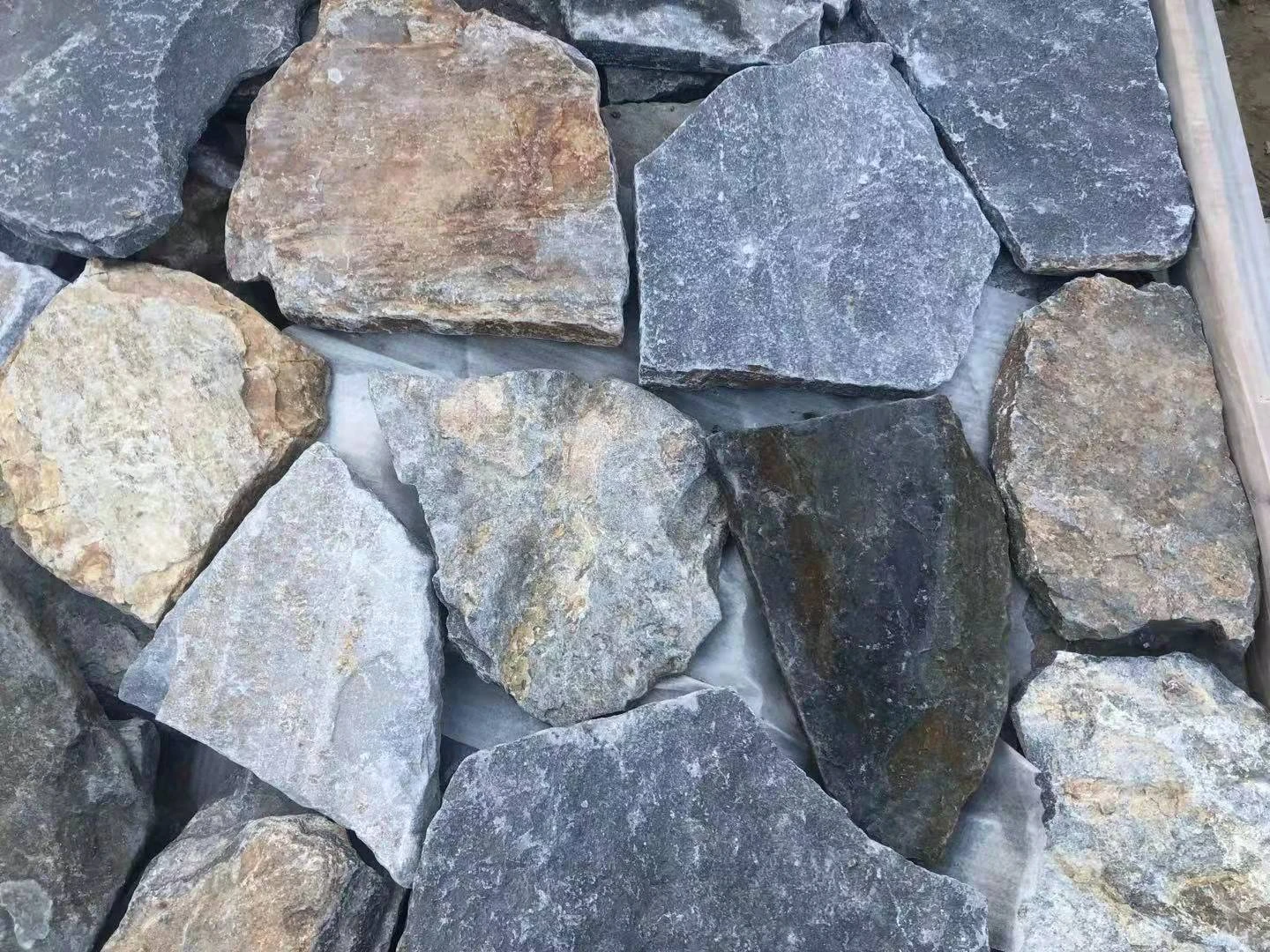
Image 3: Showcasing the quality and finish that builds trust with B2B clients.
The decision to integrate natural irregular stone cladding, particularly distinctive options like irregular blue quartz, into B2B projects represents a strategic investment in both aesthetics and long-term performance. Its unmatched durability, inherent sustainability, and unique visual appeal offer significant advantages over conventional materials. By partnering with a reputable supplier that emphasizes quality, customization, and robust technical support, B2B clients can unlock the full potential of these exceptional materials, creating architectural landmarks that stand the test of time while delivering superior operational efficiency and market value.