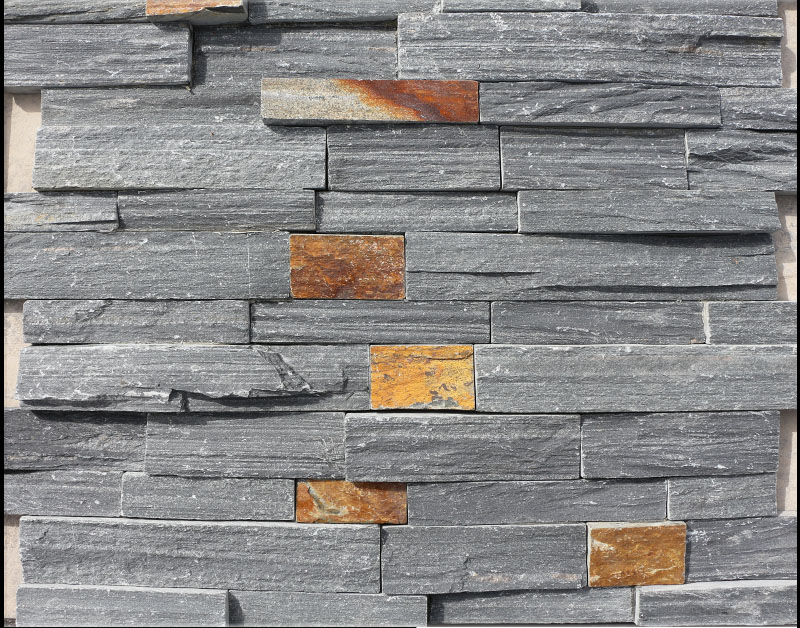
The Rise of Slate Cladding for Exterior Walls A Supplier's Perspective
In recent years, home and commercial building design has seen a significant shift toward natural materials, with slate cladding emerging as a popular choice for exterior walls. Suppliers of slate cladding are experiencing increased demand as architects, builders, and property owners recognize the numerous benefits that this classic material offers. From its aesthetic appeal to its durability and sustainability, slate is proving to be an exceptional option for modern construction.
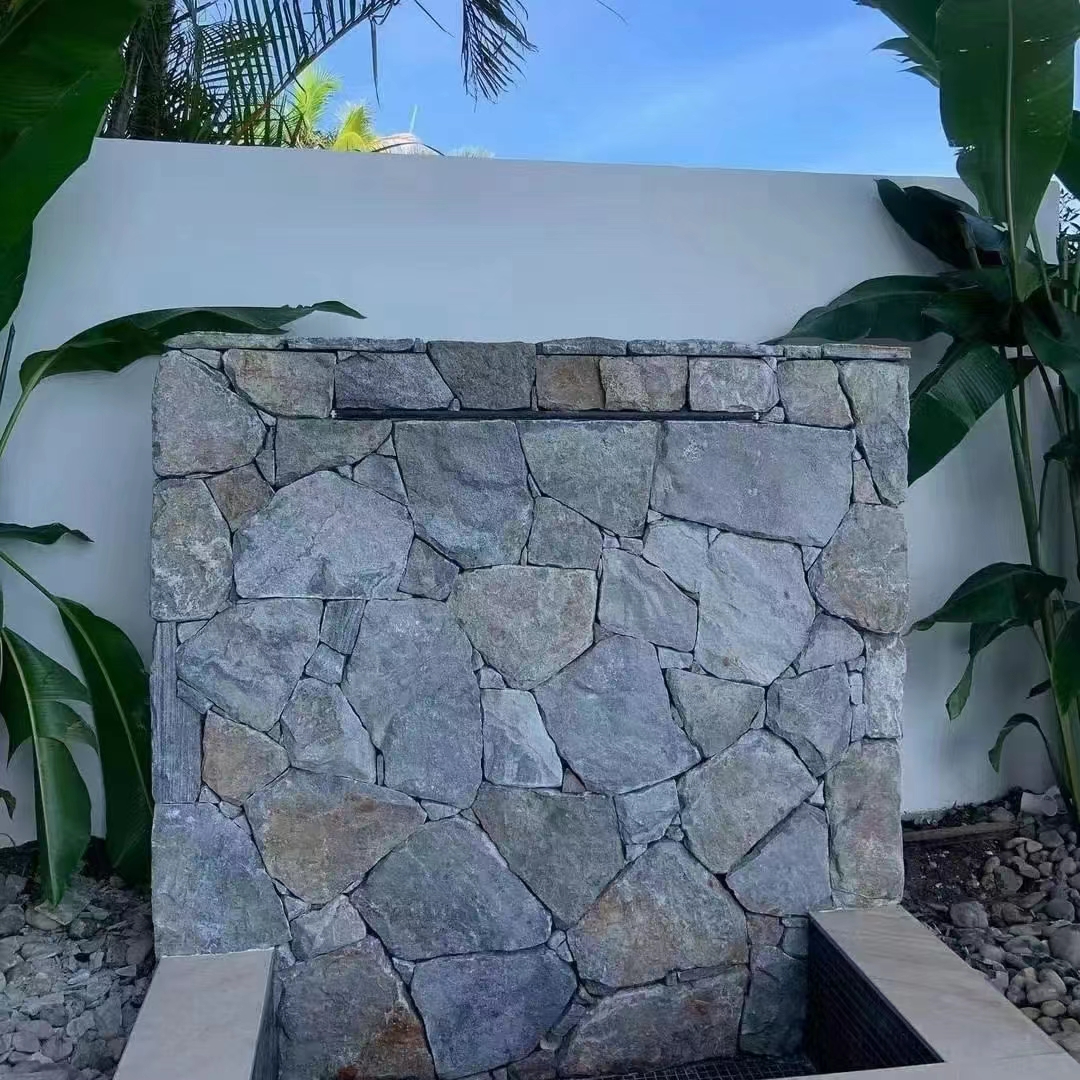
Slate is a fine-grained metamorphic rock that is formed from clay or volcanic ash. Its unique characteristics, such as its ability to retain color and its layered structure, make it ideal for use as cladding. The natural variations in slate not only enhance its visual appeal, but also ensure that no two installations are exactly alike. This variability allows designers to create stunning facades that stand out in a sea of conventional building materials.
One of the primary advantages of slate cladding is its durability. When properly installed and maintained, slate can last for over a century, significantly outlasting other materials like wood or vinyl. This resilience is particularly important for exterior applications, where exposure to harsh weather conditions can take a toll on less durable products. Slate is resistant to water, fire, and pests, making it an ideal choice for regions prone to extreme weather or environmental challenges.
Moreover, slate cladding is a sustainable option in an era where eco-friendliness is paramount. Sourced from quarries, slate is a natural material that requires minimal processing, reducing the carbon footprint associated with its production. Additionally, slate is fully recyclable at the end of its life cycle, contributing to a circular economy. For environmentally conscious builders and homeowners, slate offers a compelling choice that aligns with modern sustainability goals.
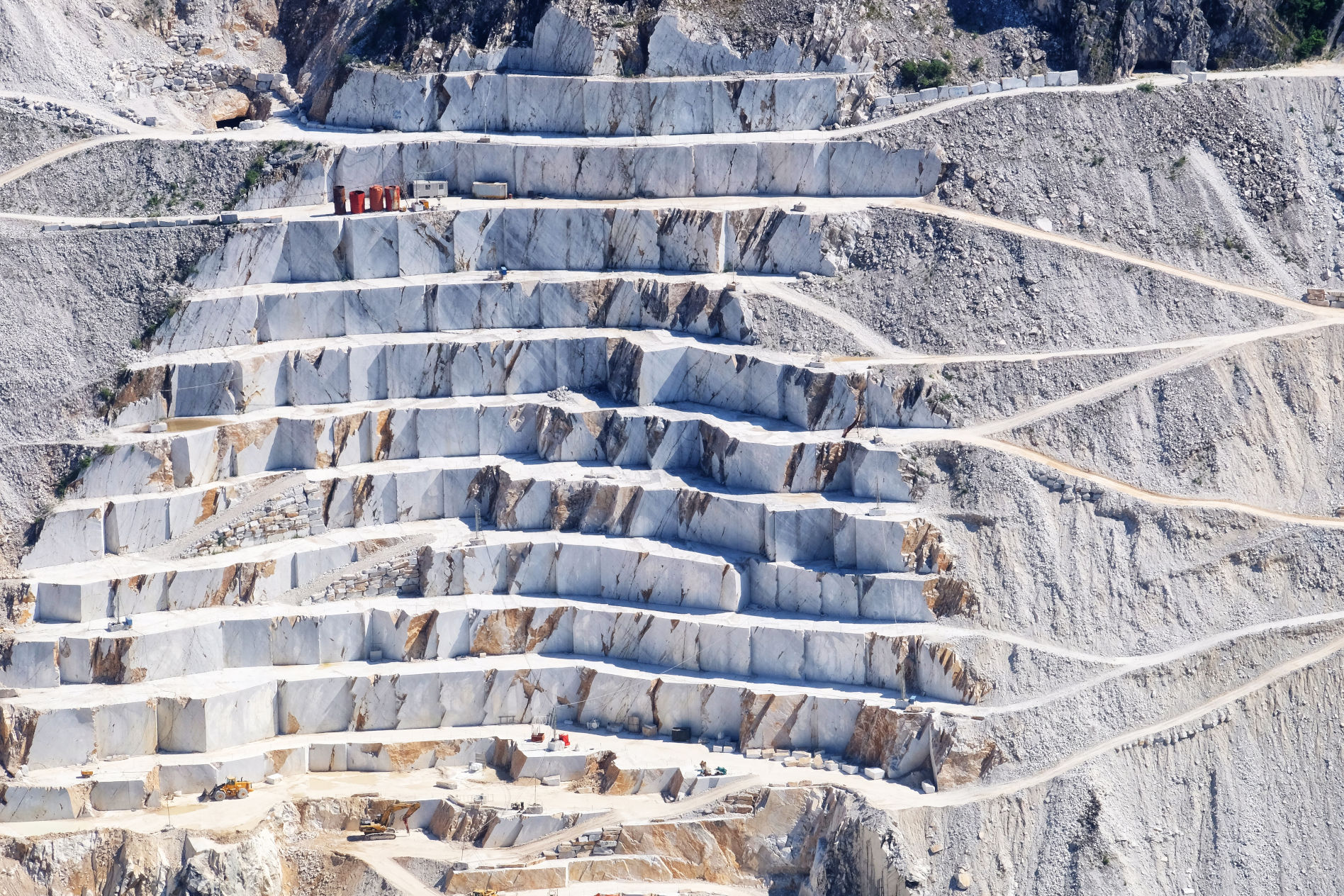
For suppliers of slate cladding, the market presents both opportunities and challenges. As demand grows, suppliers must ensure that they can provide high-quality materials that meet industry standards. This means establishing strong relationships with quarries to source top-grade slate, as well as investing in quality control processes to guarantee that the product delivered to customers is consistent and reliable.
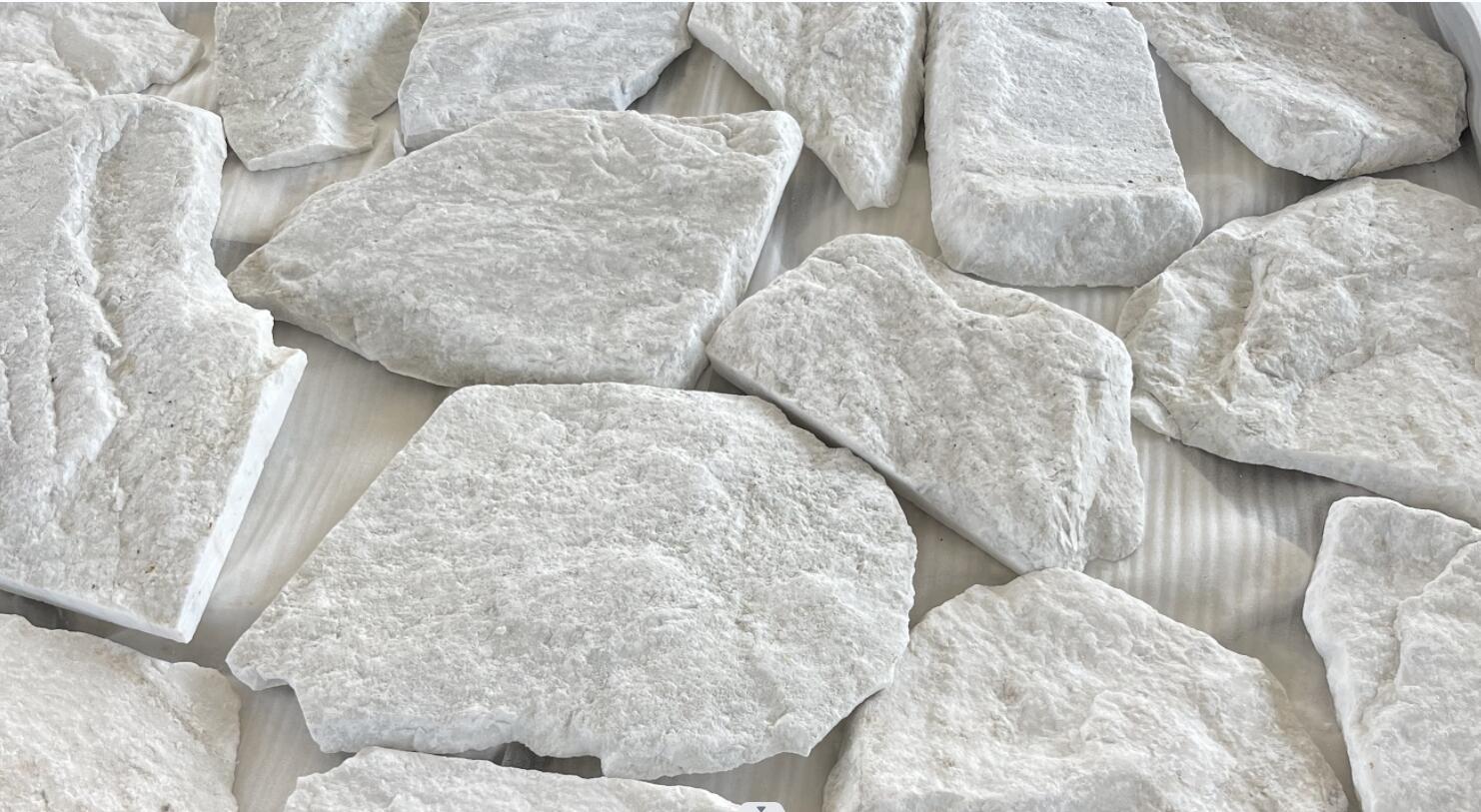
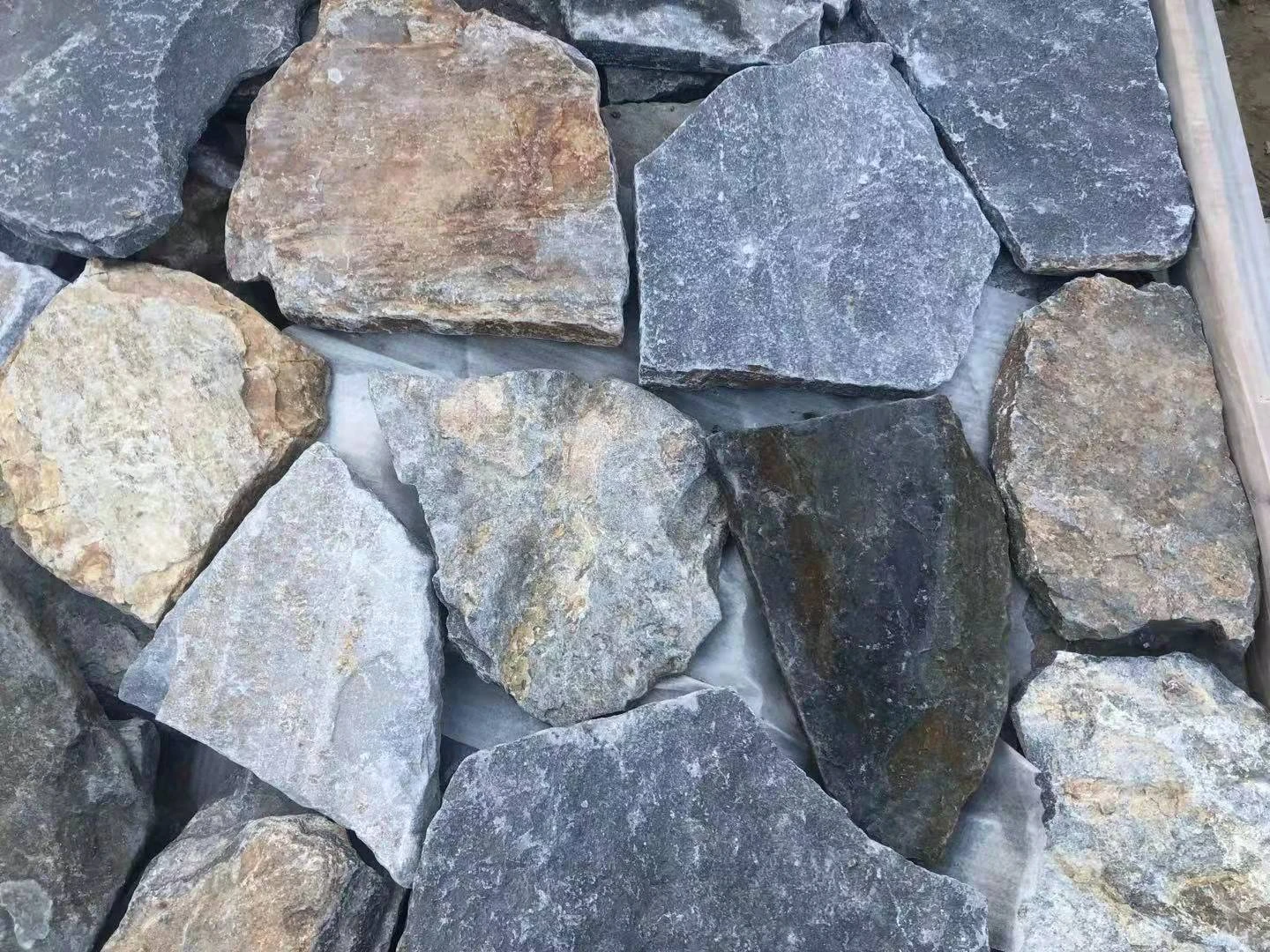
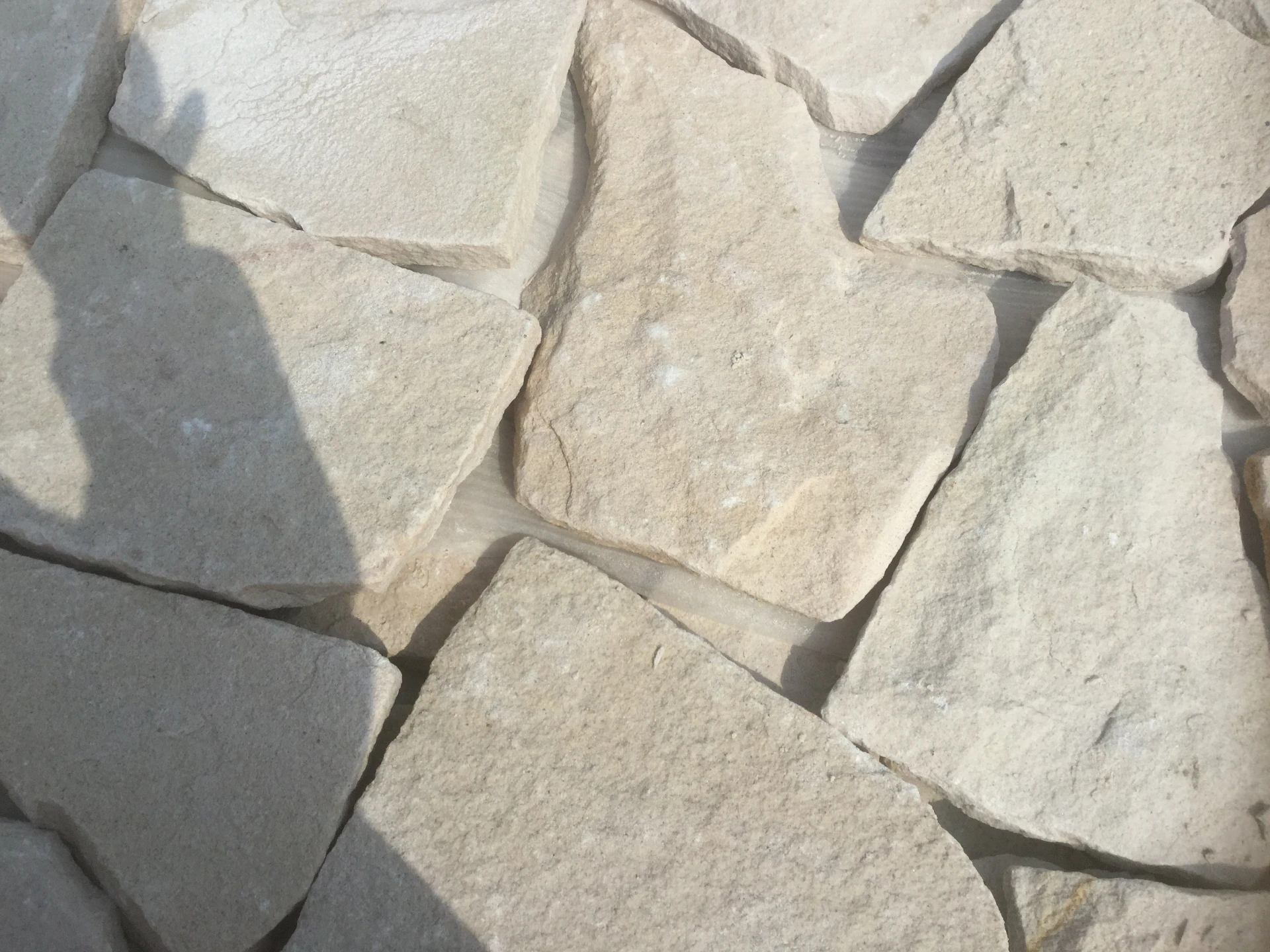
Furthermore, suppliers must also pay attention to the changing preferences of consumers. As the market evolves, there is an increasing expectation for diverse options in terms of colors, textures, and sizes. Suppliers who can offer a wide range of slate products will likely have a competitive edge. Providing design resources and inspiration can also enhance customer engagement, helping builders visualize the potential of slate cladding in their projects.
Marketing strategies also play a crucial role in the success of slate cladding suppliers. Utilizing online platforms and social media to showcase stunning installations can attract prospective buyers and influence purchasing decisions. Educating customers about the benefits of slate through informative content, such as articles and videos, can further reinforce a supplier's position as an industry leader.
In conclusion, slate cladding for exterior walls is more than just a trend; it represents a shift towards sustainable, durable, and aesthetically pleasing building materials. As this demand continues to rise, suppliers must adapt to the evolving landscape by ensuring high-quality products, diverse options, and effective marketing strategies. By doing so, they can not only meet the needs of their customers but also contribute to a more sustainable approach to construction. As the market expands, slate cladding is poised to become a staple in exterior design, making it an essential item on the list of modern building materials.