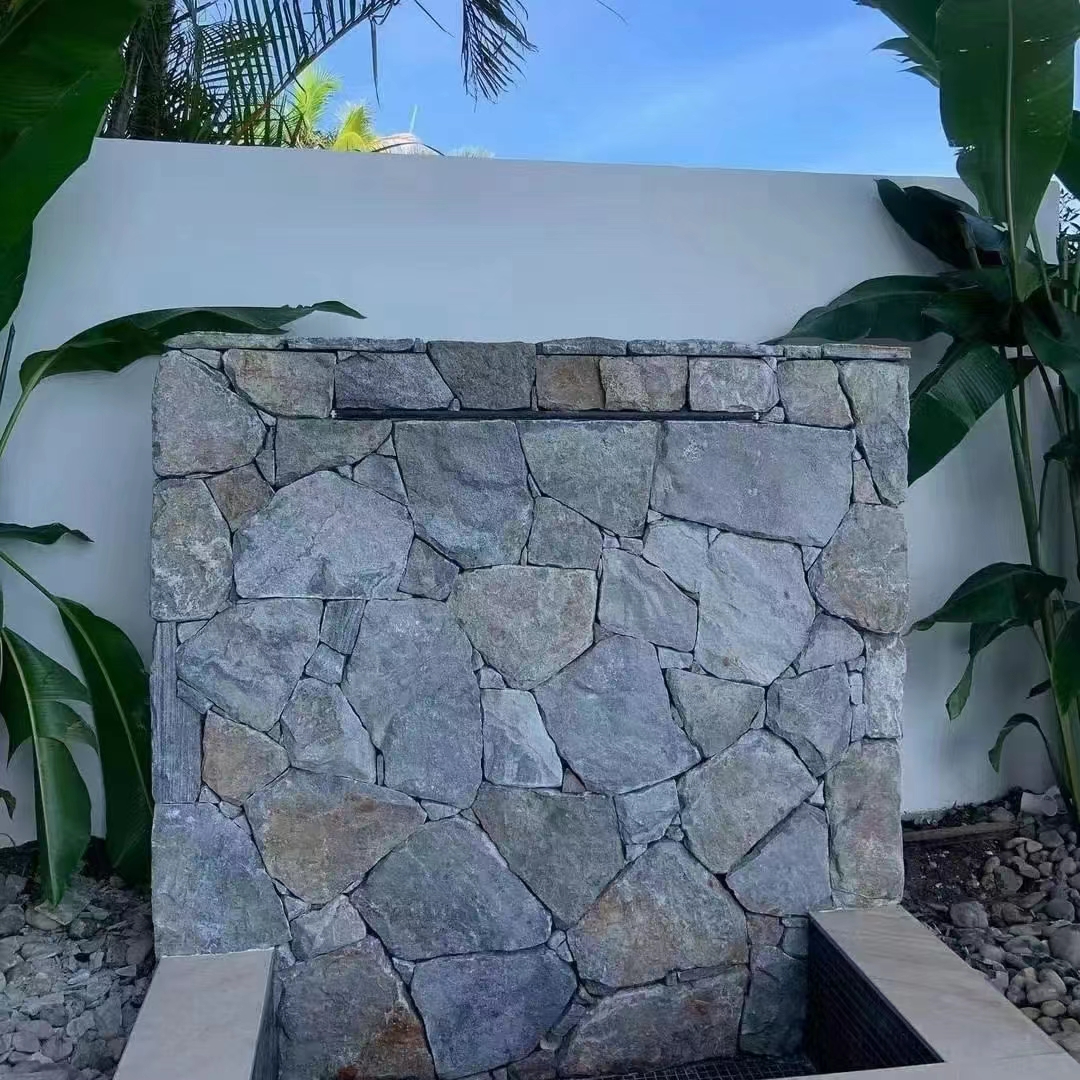
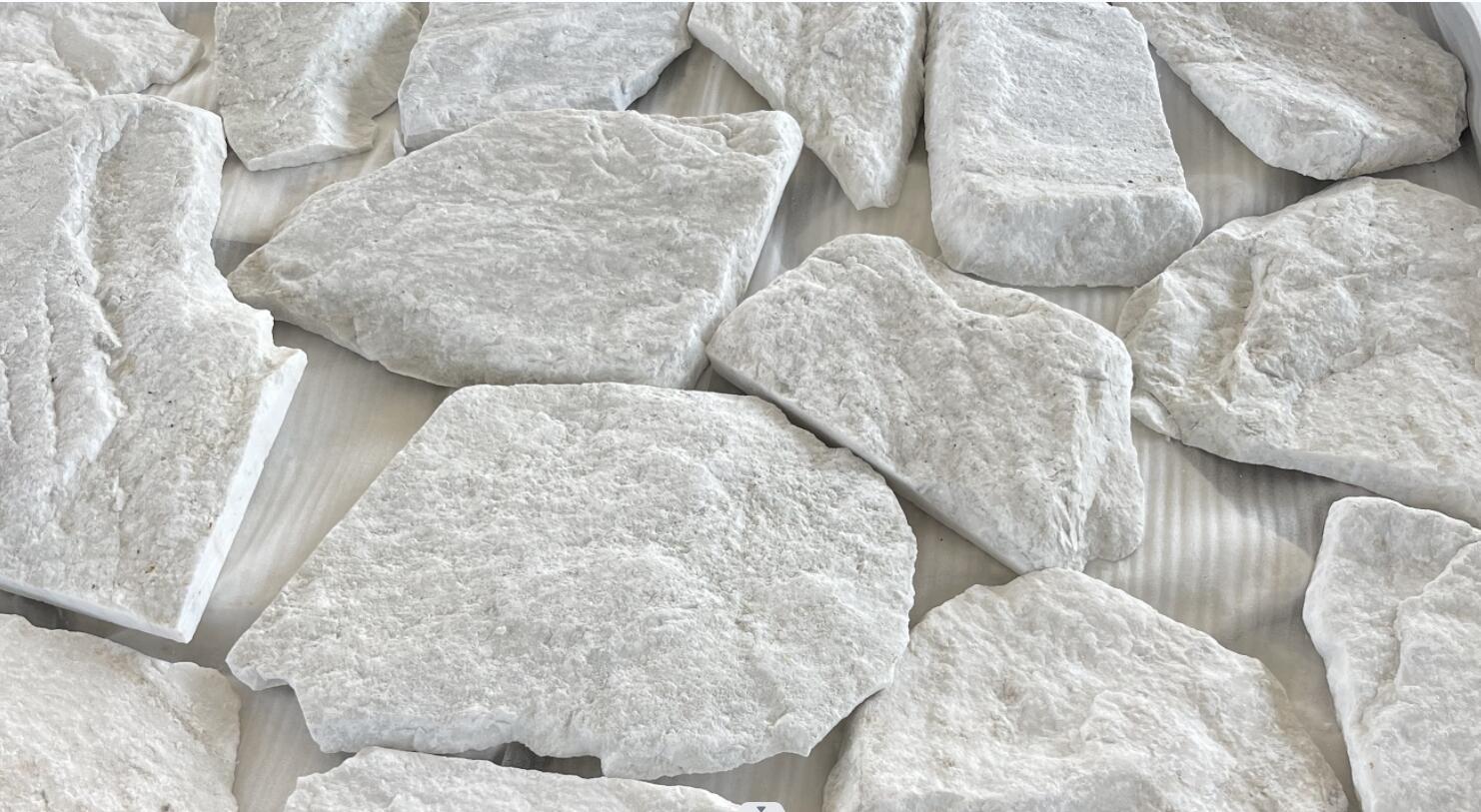
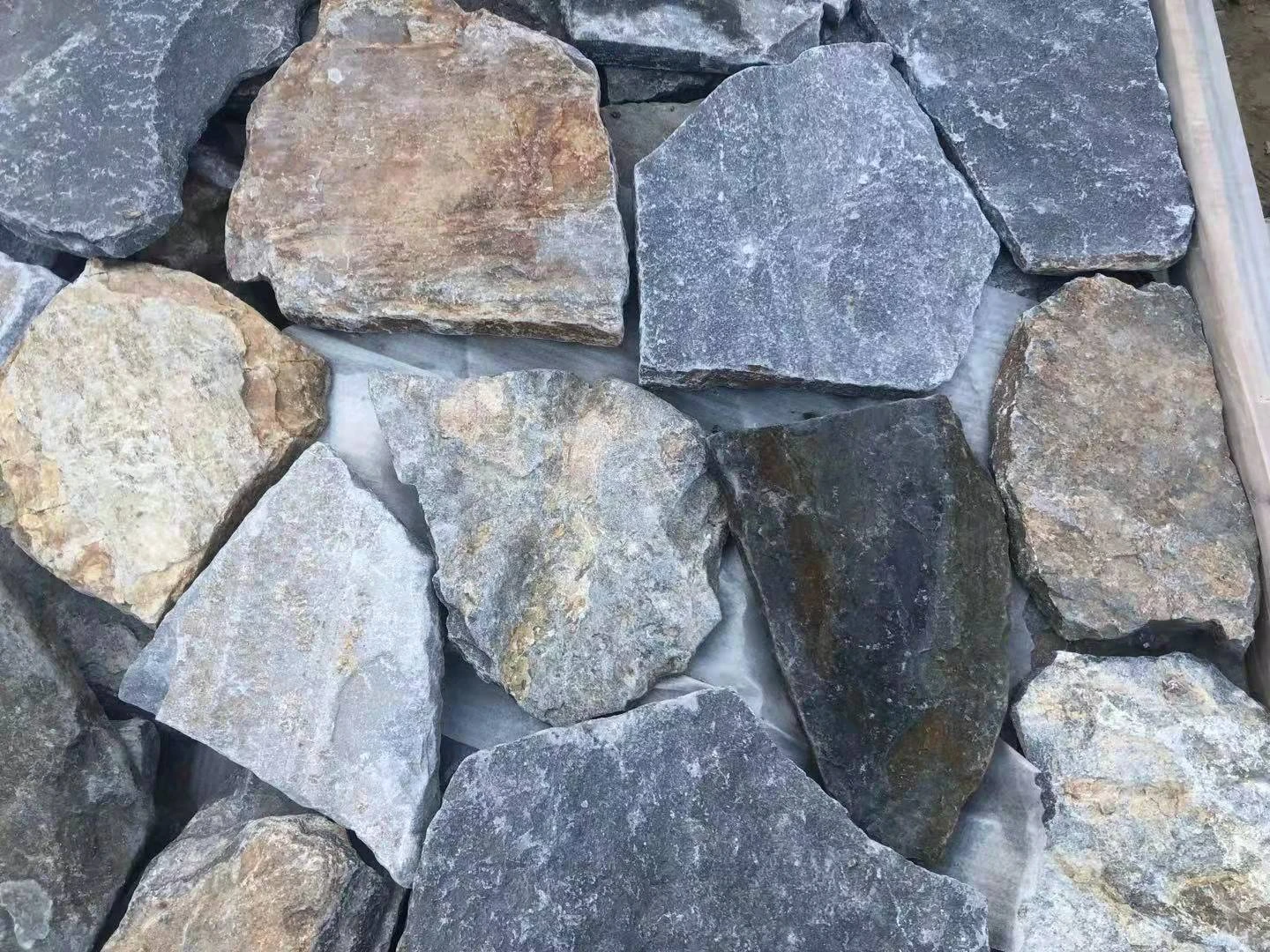
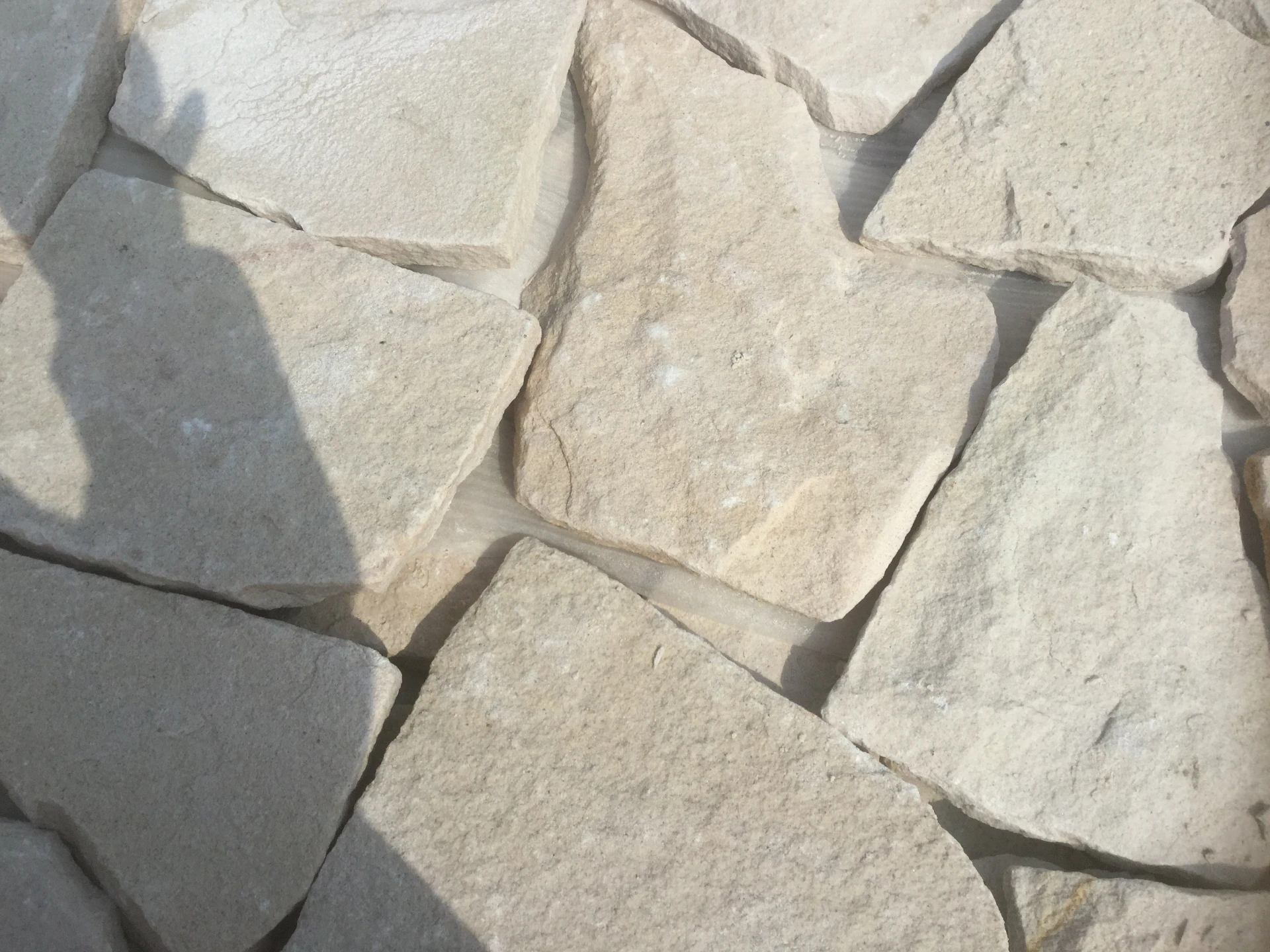
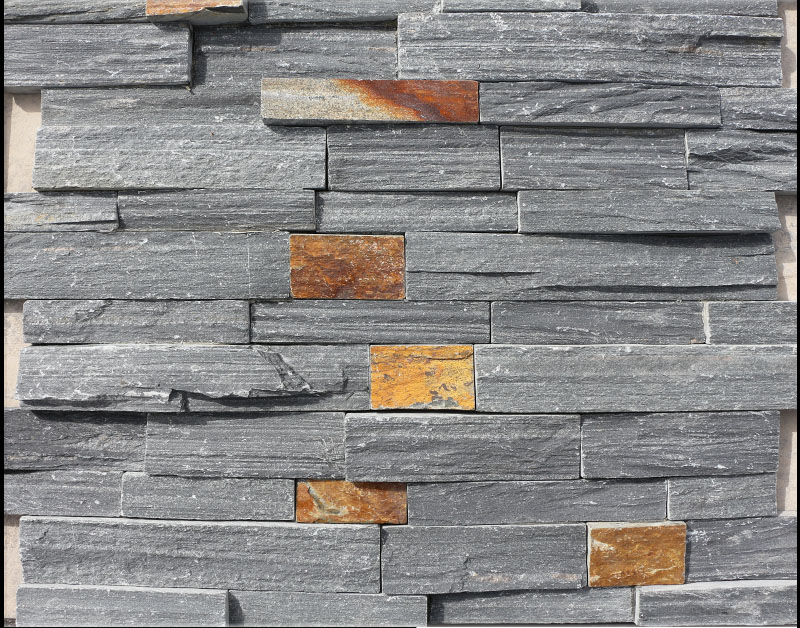
Having spent quite a few years navigating the industrial equipment landscape, I’ve seen my fair share of raw materials get put through the wringer. Slate, especially slate sourced from China, has this quiet reputation, and frankly, it deserves a closer look beyond just the surface sheen. China slate stone isn’t just a rock — it’s a nuanced product with an intriguing balance of natural beauty and robust industrial use.
Oddly enough, Chinese slate has gained traction not just because of competitive pricing, but also due to its varied geological formation across several provinces. The stone tends to have a tighter grain and a consistent cleavage, which means it splits uniformly — something engineers really appreciate when precision matters on-site. I remember a project years back where the local team swore by this slate’s durability after a brutal winter, noting minimal chipping compared to other sources.
When it comes to applications, China slate stone often finds itself at the crossroads of aesthetics and functionality. From roofing tiles and floor panels to more technical uses like acoustic insulation and laboratory surfaces, it flexes well across disciplines. It’s not just about looks — although the rich blues and greys are undeniably striking — it’s also the material’s inherent resilience and thermal stability that keep it in demand.
In real terms, one thing I’ve noticed is the variability in thickness and finish options offered by suppliers. The ability to customize dimensions and surface texture is a big deal for architects and designers who want something tailor-made — you know, not "off the rack." Most vendors nowadays also provide samples and quality assurance testing data, which frankly helps to cut down on surprises during installation.
Let’s zoom into some typical product specifications that you might encounter when sourcing Chinese slate. The table below gives a snapshot, kind of the bread-and-butter information everyone in the field ought to check before making decisions:
| Specification | Typical Range | Remarks |
|---|---|---|
| Thickness | 5–15 mm | Custom thickness available |
| Density | 2.7–2.9 g/cm³ | Good for load-bearing surfaces |
| Water Absorption | Limits damage in wet environments | |
| Flexural Strength | 25–35 MPa | Sufficient for roofing & decking |
| Color Range | Slate grey, blue, green hues | Natural variation adds character |
Of course, not all slate stones are created equal — and the Chinese supply market can be quite... layered, if you pardon the pun. Vendors vary widely in quality control, quarry management, and shipping reliability. To give you a quick rundown of how some leading suppliers measure up in key areas, here’s a simple comparison table:
| Vendor | Quality Control | Customization | Turnaround Time | Price Competitiveness |
|---|---|---|---|---|
| DFL Stones | High — certified lab tests | Excellent, tailored specs | 4–6 weeks typical | Moderate, good value |
| Shanxi Stone Co. | Medium — batch inspections | Limited options | 3–5 weeks | Low, budget-friendly |
| Guangxi Quarries | High — advanced inspection systems | Good, some customization | 5–7 weeks | Above average |
A small anecdote I often share: A client once told me that switching their roofing slate to a China slate stone supplier optimized their project costs without sacrificing performance. They were initially skeptical about quality but later appreciated the consistency and quick lead times. It’s examples like these where industry experience shows that the right vendor can make all the difference.
In closing, if you’re navigating the slate stone market, keep an eye on specification sheets, clarify your customization needs, and do a bit of due diligence on supplier reliability. Slate might be ancient in origin, but in industrial terms, its modern-day applications and sourcing are still very much a live conversation.
So yes, the next time “China slate stone” comes up in your specs, remember it’s not just cheaper stone — it’s a versatile, dependable material with a story worth knowing.
References: