

The Importance of High-Quality Building Stone in Modern Architecture
High-quality building stone has long been revered as a primary material in construction, celebrated for its durability, aesthetic appeal, and versatility. From historical monuments to contemporary residential projects, the use of stone reflects not only the craftsmanship of builders but also the lasting legacy of architectural design. As we navigate the demands of modern architecture, understanding the qualities and benefits of high-quality building stone becomes increasingly essential.
Characteristics of High-Quality Building Stone
High-quality building stone exhibits several key characteristics that contribute to its suitability for construction. Firstly, durability is paramount; a good building stone can withstand weathering, erosion, and other environmental challenges over time. This characteristic is critical for both structural integrity and aesthetic longevity. For instance, granite, known for its strength and resistance to wear, has been a favored choice for buildings, facades, and even monuments.
Secondly, the aesthetic versatility of natural stone allows architects and builders to create various styles, from classic to contemporary. Different stones possess unique colors, textures, and patterns, enabling creative designs that can suit any architectural vision. Marble, for example, is celebrated for its elegance and variety, making it a popular choice for luxury interiors and critical public buildings.
Lastly, the sustainability aspect of high-quality building stone is increasingly significant. Natural stone is a renewable resource that can have a minimal environmental impact when sourced responsibly. Moreover, its longevity reduces the need for frequent replacements, diminishing the overall ecological footprint of a construction project.
Applications in Architecture
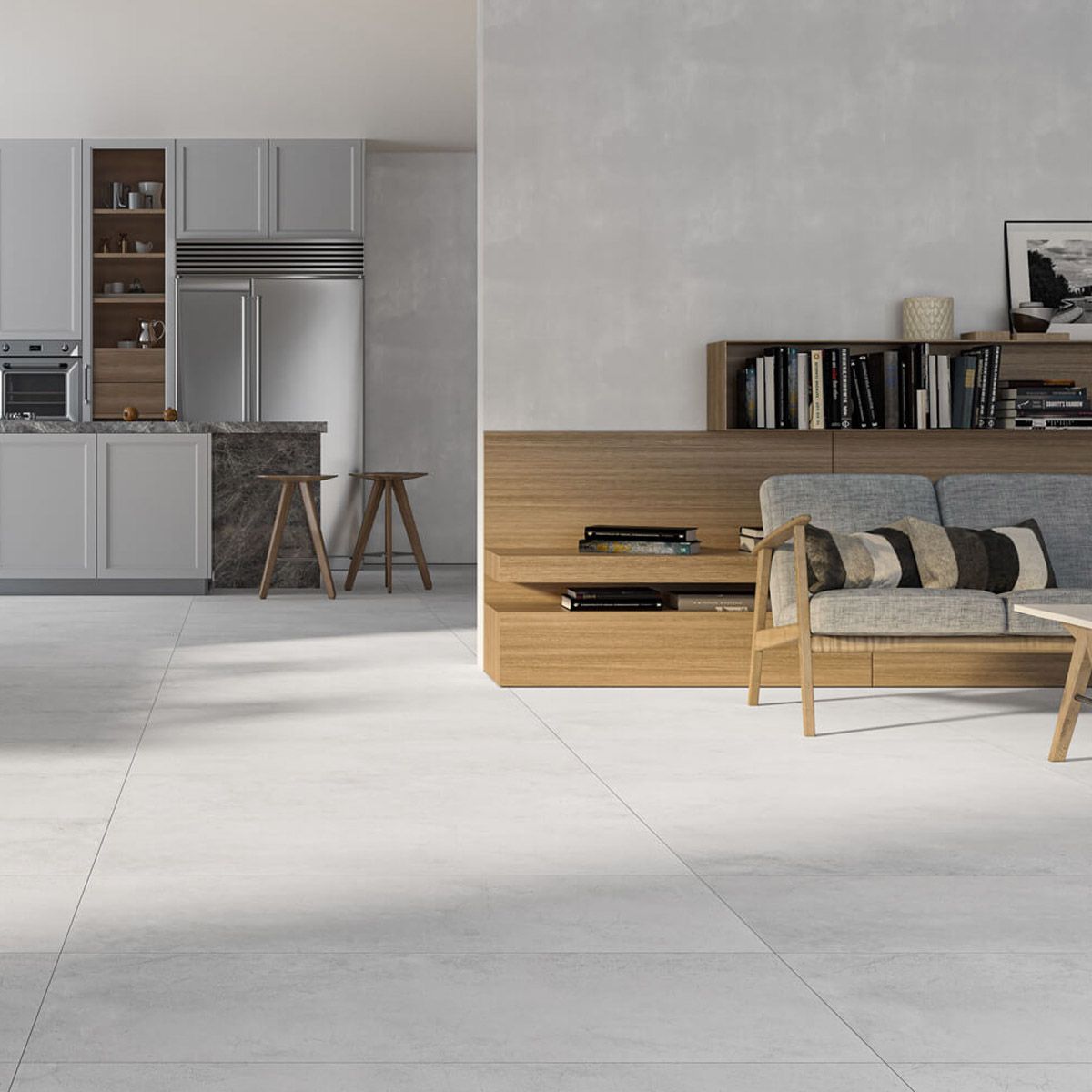
The applications of high-quality building stone are extensive. In residential construction, it can be used for everything from foundational walls to countertops, providing both practicality and beauty. Outdoor spaces benefit greatly from stone as well; patios, walkways, and retaining walls in natural stone not only enhance the landscape but also offer durability against the elements.
In commercial architecture, the use of stone can convey strength and reliability. High-profile buildings often utilize stone cladding to make a lasting first impression. Iconic structures such as museums, government buildings, and high-rise offices frequently feature high-quality stone to bring an air of prestige and timelessness.
Moreover, historical preservation projects rely heavily upon high-quality building stone. Restoring heritage sites often requires sourcing matching materials that withstand the test of time, ensuring that the essence of the original structure is maintained.
Challenges and Considerations
While the benefits of high-quality building stone are clear, there are also challenges to consider. The cost of natural stone can be significantly higher than manufactured alternatives, making it less accessible for some projects. Additionally, sourcing ethical and sustainable stone is essential to mitigate environmental concerns. Builders and architects must prioritize suppliers that adhere to sustainable quarrying practices and offer transparency about their sourcing.
Conclusion
In conclusion, high-quality building stone plays a pivotal role in shaping the built environment. Its unique characteristics enhance the durability, aesthetic appeal, and sustainability of architectural projects. As we continue to innovate in the field of construction, embracing the timeless attributes of high-quality stone can inspire creative designs while honoring the traditions of the past. By understanding its importance and addressing the challenges surrounding its use, we can ensure that this cherished material remains a cornerstone of modern architecture for generations to come.





