

The Significance of Building Stone in China's Architectural Landscape
Building stone has played a pivotal role in shaping the architectural landscape of China for centuries. As one of the oldest civilizations in the world, China boasts a rich history that is intricately linked with its use of various types of stone in construction. From ancient palaces and temples to modern skyscrapers, building stone has not only been a fundamental material but also a symbol of cultural heritage and technological advancement.
The Significance of Building Stone in China's Architectural Landscape
Building stone in China is not merely a construction material; it is imbued with cultural significance. Each type of stone carries its own symbolic meaning, which influences its use in various structures. For example, granite, often associated with solidity and permanence, is frequently used in important public buildings and memorials. Meanwhile, softer stones such as limestone or sandstone may be used for decorative elements, reflecting the aesthetic values of different eras in Chinese history.
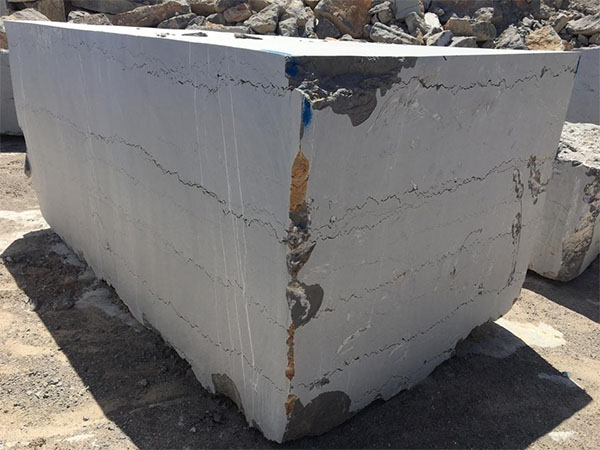
In modern times, China has witnessed a remarkable transformation in the world of architecture, where traditional practices blend seamlessly with contemporary design. The rapid urbanization of Chinese cities has fueled the demand for building materials, making it essential to source stone both locally and globally. Modern architects and builders often incorporate a variety of stones into their designs, using innovative techniques to meet aesthetic and functional requirements. This fusion of tradition and modernity is evident in structures such as the National Centre for the Performing Arts in Beijing, which features a striking facade made of titanium and glass, juxtaposed with traditional stone elements.
Moreover, the environmental impact of stone extraction and use has become a pressing concern in recent years. As the building industry seeks to balance economic growth with sustainable practices, the emphasis on eco-friendly materials has grown. This has led to the exploration of alternative stone sourcing options and recycling practices, ensuring that China's architectural evolution does not come at the cost of its natural heritage.
In addition to its significance in construction, building stone is also integral to various crafts and artistry in China. Stone carving, an ancient tradition, showcases the skill and creativity of artisans who transform raw stone into intricate sculptures, architectural elements, and decorative pieces. These crafts not only contribute to the aesthetic richness of buildings but also preserve cultural narratives and historical significance.
In conclusion, building stone remains a fundamental component of China's architectural identity, reflecting the country's rich history and cultural values. As China continues to evolve, the role of building stone will adapt, embodying the harmony between tradition and innovation. The enduring presence of stone in both historical and contemporary contexts serves as a testament to its importance in shaping not only the physical landscape but also the cultural heritage of this ancient civilization. As we look to the future, the challenge lies in finding sustainable ways to harness this resource, ensuring that the beauty and significance of building stone continue to inspire generations to come.





