Discovering the World of Mushroom Stones Suppliers and Their Offerings
In recent years, the demand for unique and sustainable building materials has surged significantly. Among these, mushroom stones have captured the attention of architects, designers, and eco-conscious homeowners. Often referred to as mycelium bricks, these innovative materials are gaining traction not only for their aesthetic appeal but also for their environmental benefits. In this exploration, we dive into the world of mushroom stones and the suppliers that are changing the game.
What Are Mushroom Stones?
Mushroom stones are bio-composite materials created from mycelium, the root structure of fungi, combined with agricultural waste products such as hemp, straw, or sawdust. This blend results in a lightweight, durable material that is both strong and environmentally friendly. The process of producing mushroom stones involves growing mycelium within a mold filled with the waste material. Over time, the mycelium binds the fibers together, creating a solid structure. Once it has matured, the mycelium is cured to ensure its longevity and stability.
The growing interest in sustainable building practices has catalyzed the growth of mushroom stone suppliers around the globe. These suppliers not only provide the material but also often educate their customers on why mushroom stones are a superior choice. From eco-friendly construction practices to aesthetic versatility, the benefits of using mushroom stones are compelling.
Environmental Benefits
One of the most significant advantages of mushroom stones is their minimal environmental impact. Traditional construction materials like concrete and brick require extensive resources and emit considerable greenhouse gases during production. In contrast, mushroom stones are made from renewable resources and can even be produced locally, reducing transportation emissions. Furthermore, the use of agricultural waste in their production helps to reduce waste in landfills.
Moreover, mushroom stones are biodegradable and can return to the earth without leaving harmful residues. This feature aligns perfectly with the principles of circular economy—providing an option for sustainable construction that minimizes carbon footprint while encouraging responsible resource use.
Aesthetic and Functional Versatility
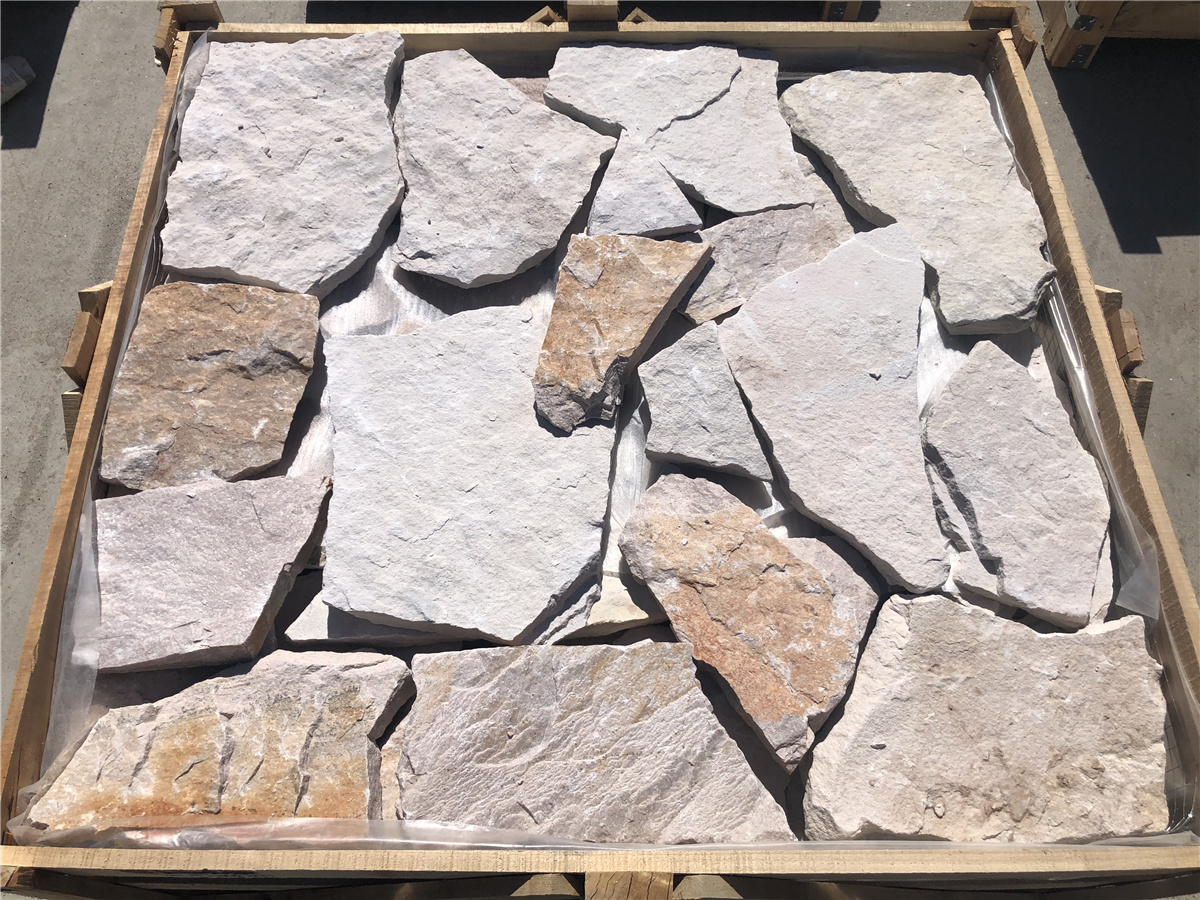
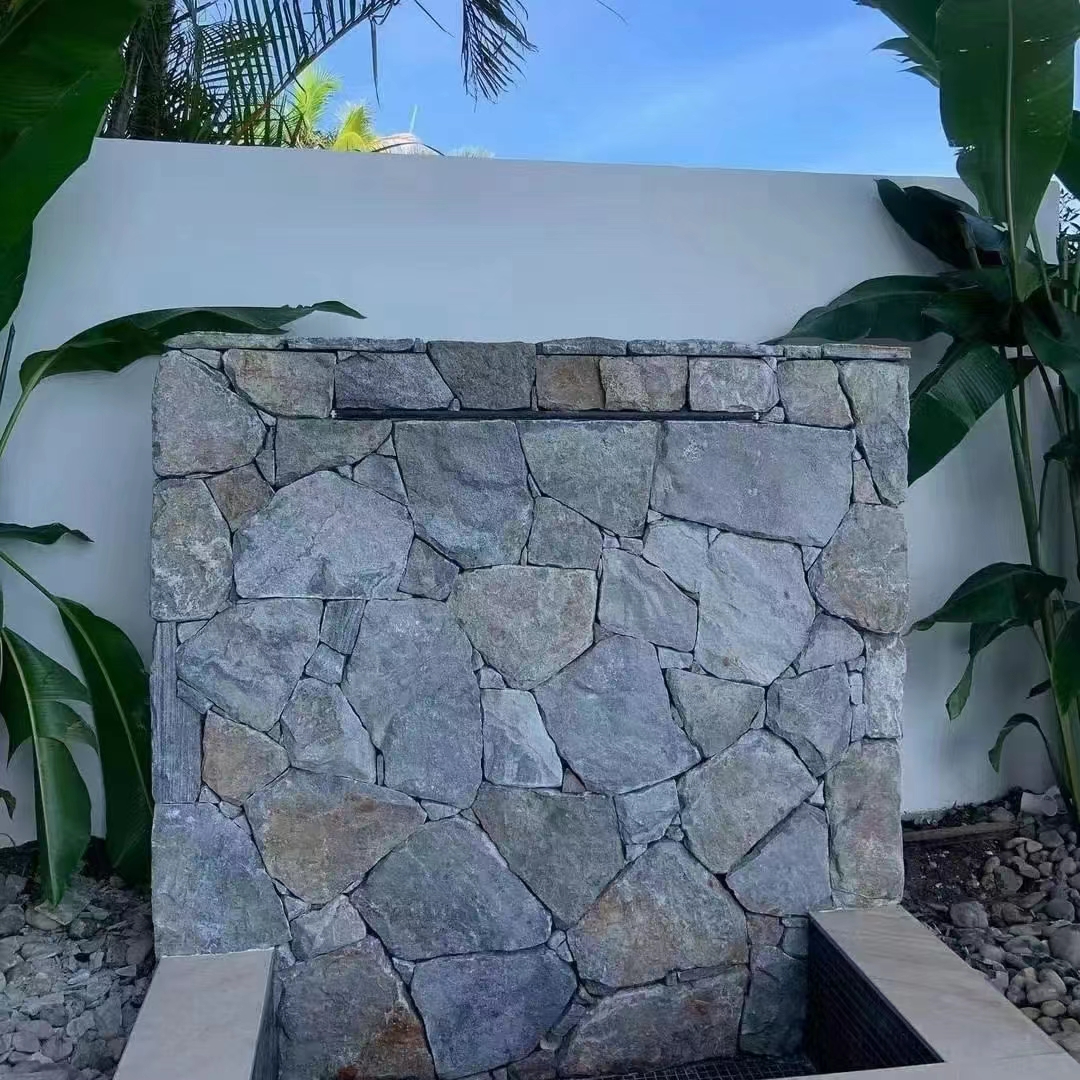
Mushroom stones are not only eco-friendly; they also offer a unique aesthetic that appeals to modern design sensibilities. The natural texture and organic appearance of mushroom stones make them an attractive choice for various applications, including wall cladding, acoustic panels, and even furniture. Their versatile nature allows designers and architects to incorporate them into a range of styles, from rustic to contemporary.
Additionally, mushroom stones boast excellent thermal and acoustic insulation properties. Their porous structure helps regulate temperature, making living spaces more comfortable. These qualities also contribute to energy savings, as less energy is required for heating and cooling. For urban designers looking to create more livable cities, incorporating such materials can lead to improved environmental conditions and overall quality of life.
Choosing the Right Supplier
When seeking mushroom stone suppliers, it's essential to consider a few key factors. First, look for suppliers with a commitment to sustainability. Many suppliers are transparent about their sourcing, production methods, and environmental impacts. Reviews and testimonials from previous clients can provide valuable insights into the quality of their products and customer service.
Additionally, consider the range of products the supplier offers. Some suppliers specialize in specific applications, while others may provide a broader selection. Working with a supplier that can meet your specific needs is crucial for achieving the desired outcome for your project.
The Future of Mushroom Stones
As awareness of environmental issues continues to grow, the popularity of mushroom stones is expected to rise. With technological advancements improving their production processes and expanding their applications, mushroom stones will likely become a staple in sustainable architecture and design. In a world where eco-friendly construction materials are increasingly vital, mushroom stones represent a promising and innovative solution.
In conclusion, mushroom stones are more than just a trend; they are at the forefront of a shift towards sustainable, responsible building practices. By choosing mushroom stone suppliers that prioritize quality and sustainability, consumers can contribute to a greener future while enjoying the benefits of this unique and beautiful material. Whether you are an architect, designer, or homeowner, exploring the world of mushroom stones opens up a plethora of possibilities for your next project.