The Differences Between Natural Quartzite and Engineered Quartz
Ready To Start Your Next Countertop Project?
Even though the name “quartz” refers to a natural mineral, engineered quartz (sometimes also called “engineered stone”) is a manufactured product. It’s made from quartz particles bonded together with resin, pigments, and other ingredients. Manufactured quartz is made in factories in the United States, Europe, and Asia, among other locations.
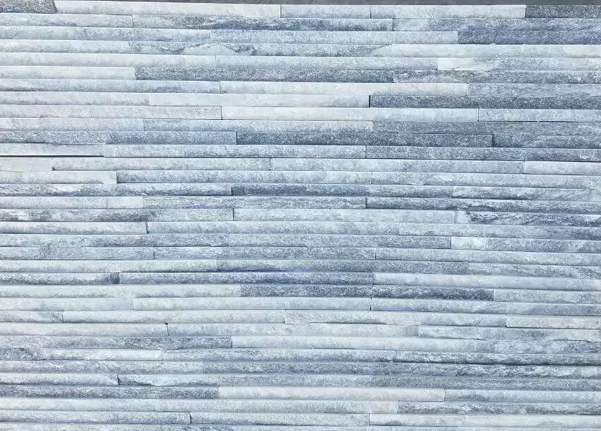
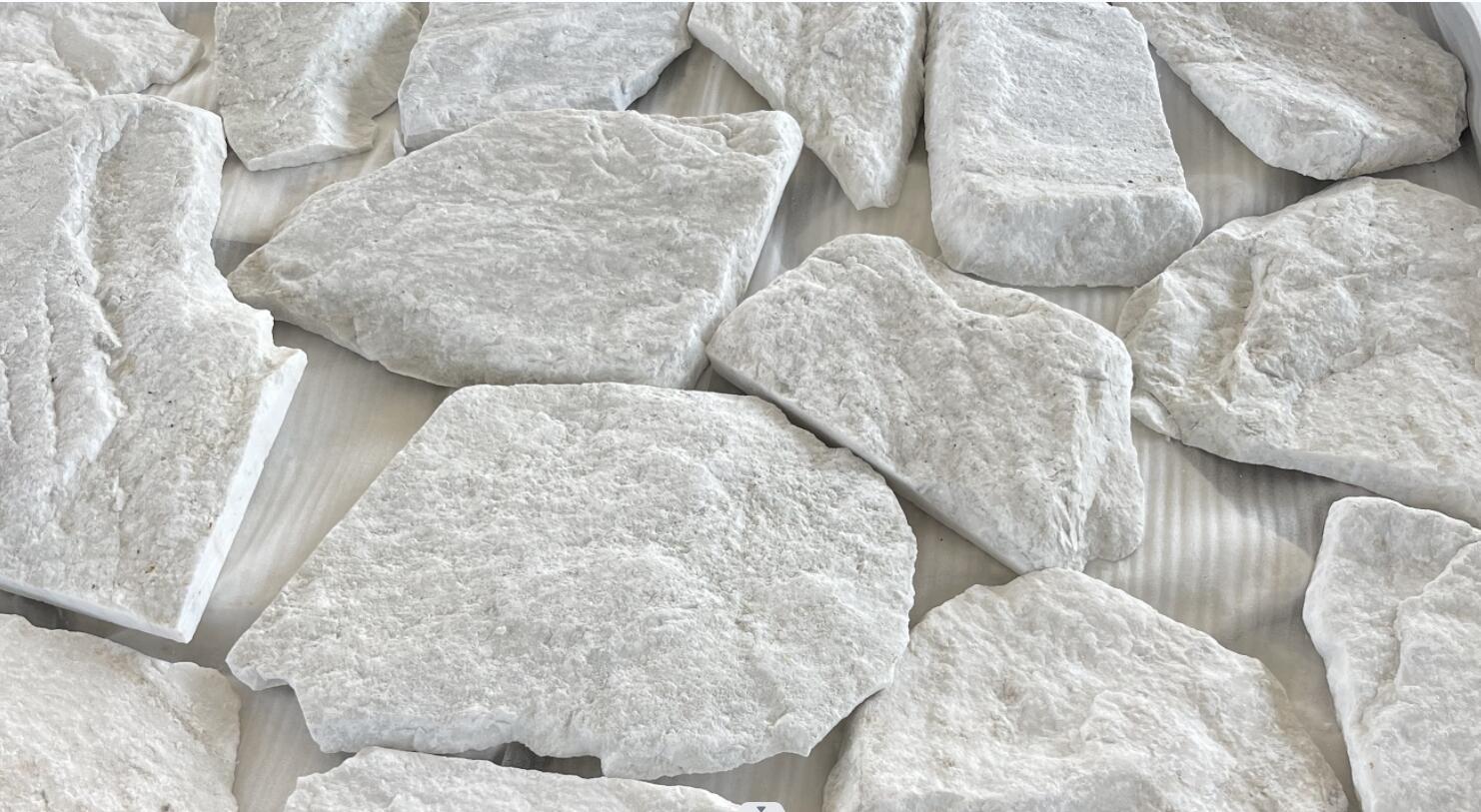
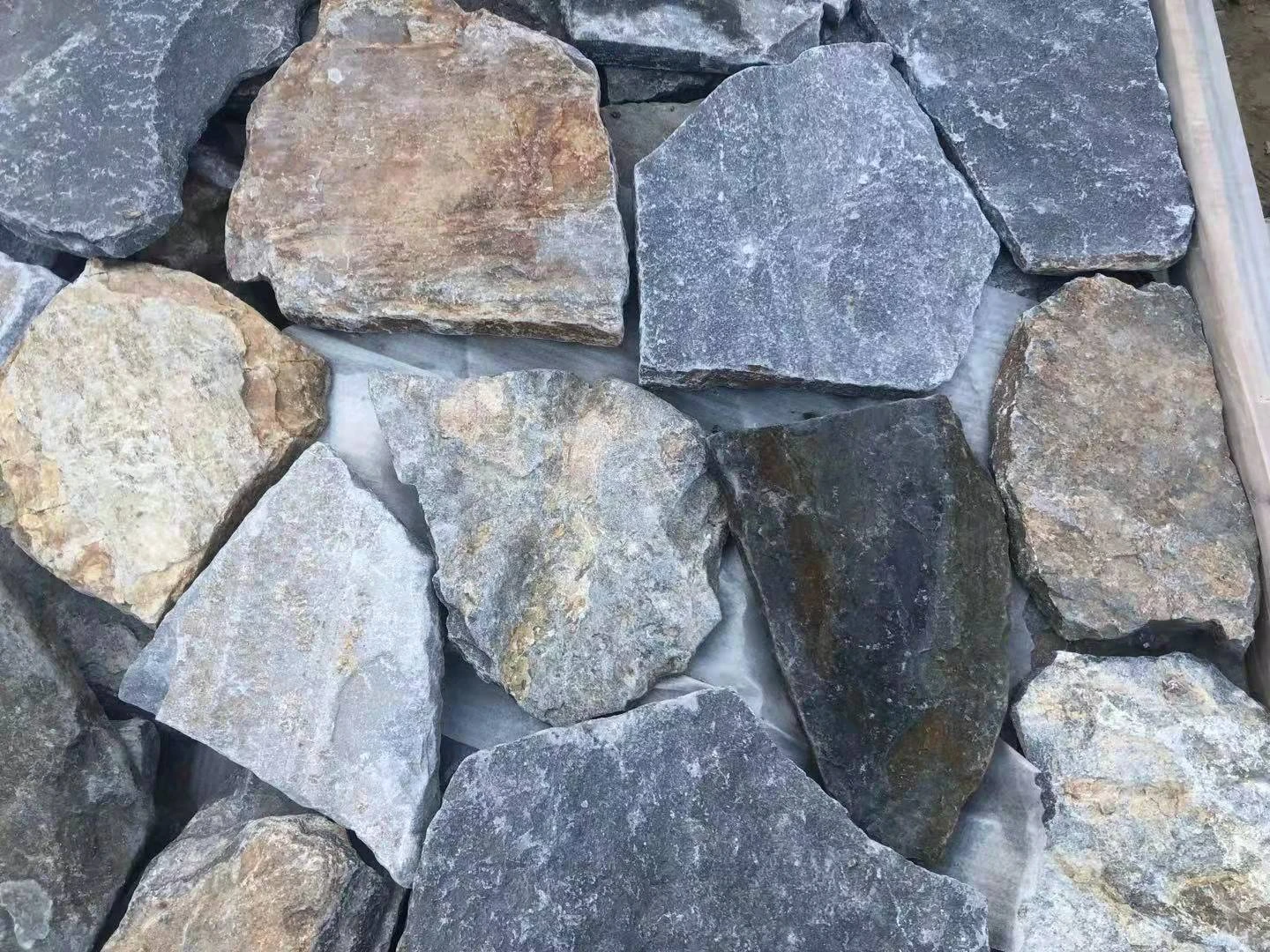
Natural quartzite contains minerals and nothing else.
All quartzites are made of 100% minerals and are purely a product of nature. Quartz (the mineral) is the main ingredient in all quartzites, and some types of quartzite contain smaller amounts of other minerals that give the stone color and character. Here are some examples of beautiful Quartzite StoneMark currently stocks in our stone yard inventory:
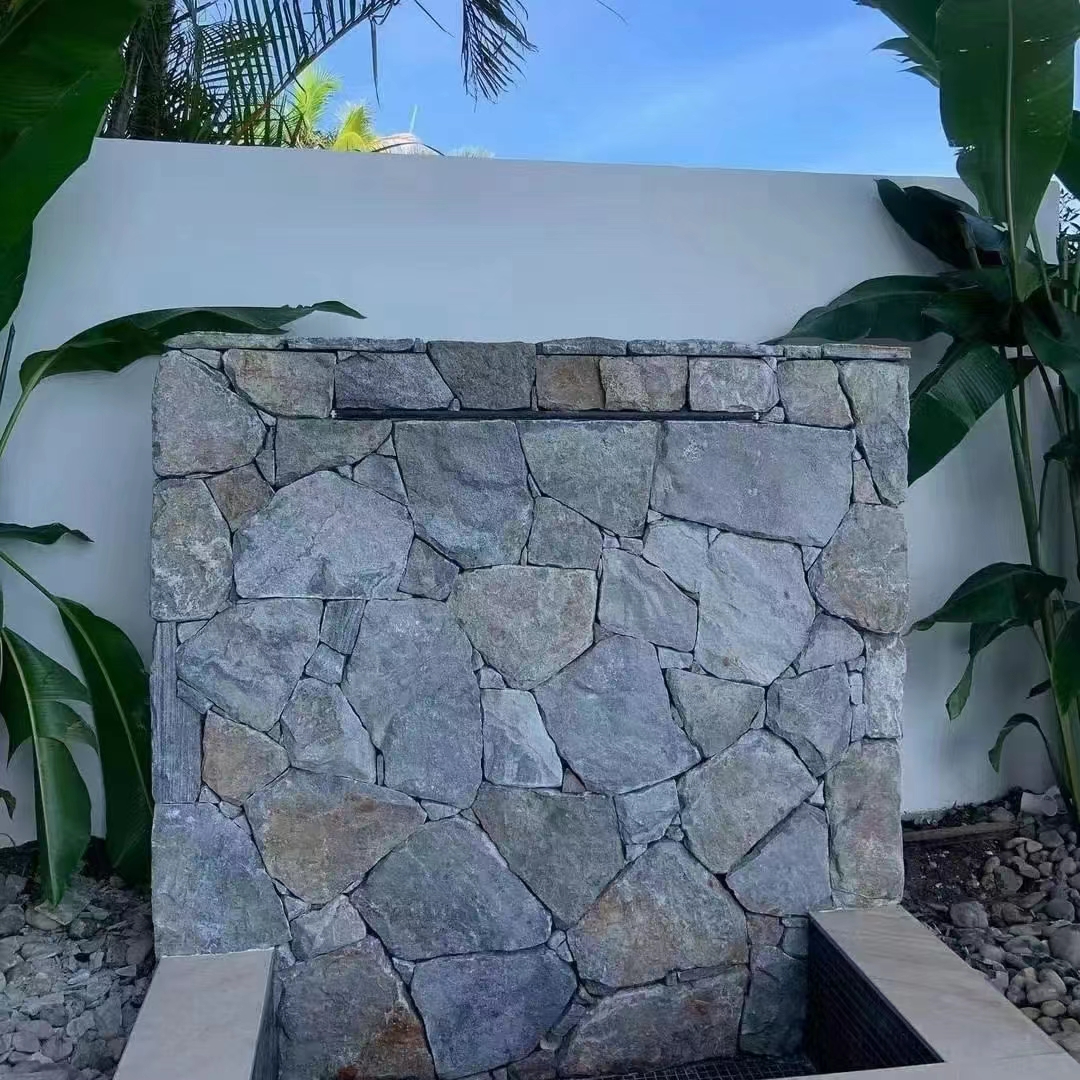
Natural quartzite is at home in many applications, from countertops and flooring, to outdoor kitchens and cladding. Harsh weather and UV light won’t affect the stone. However, Quartz should be left indoors since the resins in engineered stone will turn yellow in the sunlight.
Quartzite is often misrepresented.
An unfortunate side effect of the desirability of quartzite is the temptation to sell stones as quartzite when they are not quartzite. Thus, quartzite is commonly mislabeled, which has resulted in widespread confusion about the properties of the stone. So-called “soft quartzite” is usually marble, which has entirely different properties than real quartzite. And, some sandstones are sold as quartzite, which further adds to the mix-up. Sandstone and quartzite have the same mineral ingredients (quartz), but quartzite has much lower porosity.
Engineered quartz is misunderstood, too.
One well-known brand of manufactured quartz literally calls itself natural stone, which it isn’t. Manufactured quartz is sometimes thought to be maintenance-free, which would be nice, but engineered surfaces are not immune to staining, chipping, scratching, or damage from excessive heat. Just as with any other material, users of manufactured quartz surfaces need to be mindful of the properties of engineered quartz and the particular requirements for its care.
Quartzite needs sealing.
The most common problem with quartzites is inadequate sealing – particularly along the edges and cut surfaces. As described above, some quartzites are porous, and care must be taken to seal the stone. As fabricator who is experienced with quartzite, we understand how to seal all types of quartzite, and StoneMark countertops receive a 15-year guarantee.
Engineered quartz should be protected from heat and not scrubbed too hard.
In a series of tests, major brands of engineered quartz stood up reasonably well to staining but were damaged by scrubbing with abrasive cleaners or scouring pads. Additionally, exposure to hot, dirty cookware damaged some types of quartz.
Which should you use?
There is no simple answer to this question. Each material has its devoted fans and selling points. If you choose quartz, make sure you purchase a quality product and buy from a reputable source. Regardless of which surface you choose, we can help you make an informed decision so the stone you select is perfect for your kitchen and lifestyle.