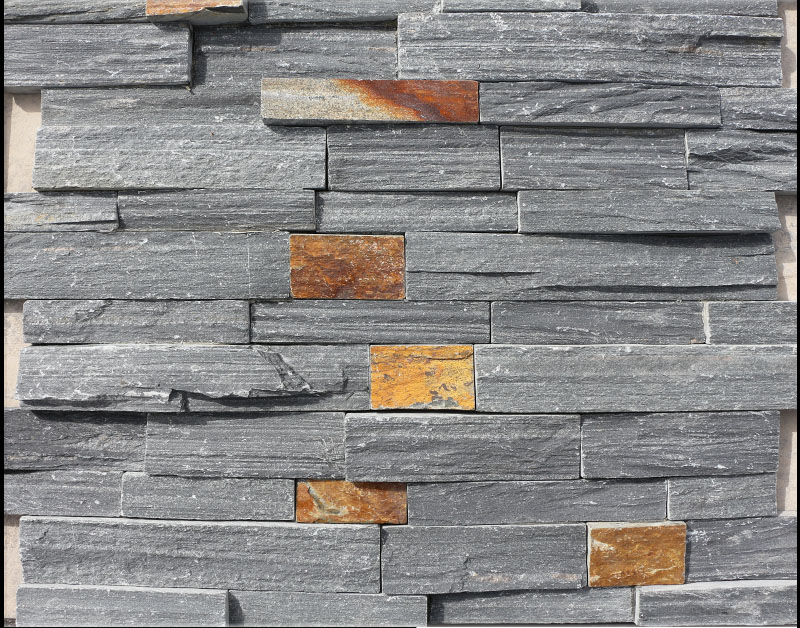
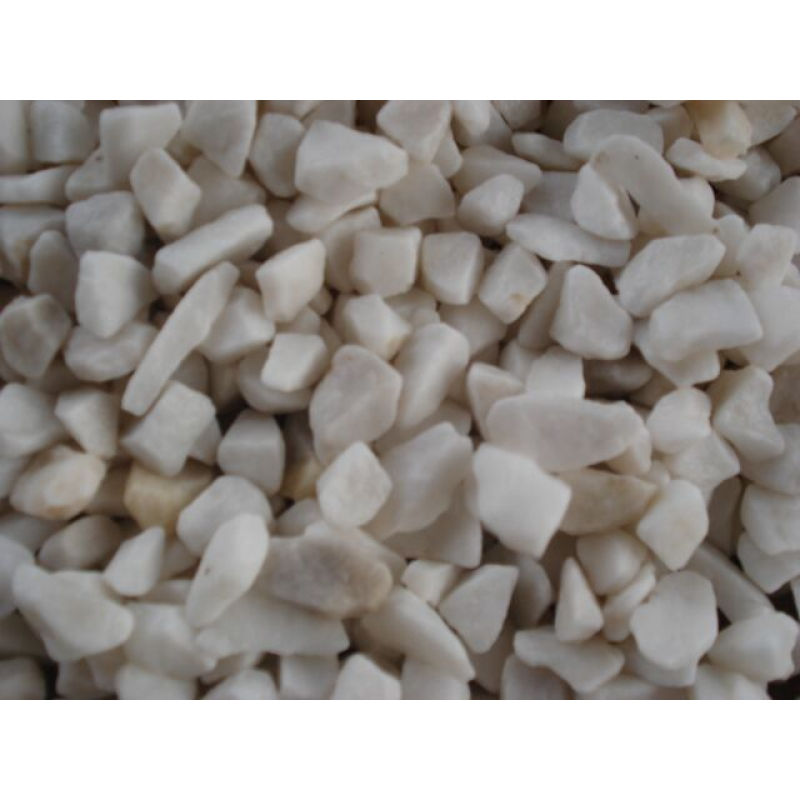
Quartzite Cladding Stone The Perfect Choice for Modern Architecture
In recent years, quartzite cladding stone has emerged as a popular choice for modern architectural designs, combining aesthetic appeal with durability and versatility. This natural stone is derived from sandstone, which undergoes significant metamorphism due to heat and pressure, resulting in a dense and resilient material. Its unique characteristics make it an excellent option for both interior and exterior applications, adding a touch of elegance and sophistication to any project.
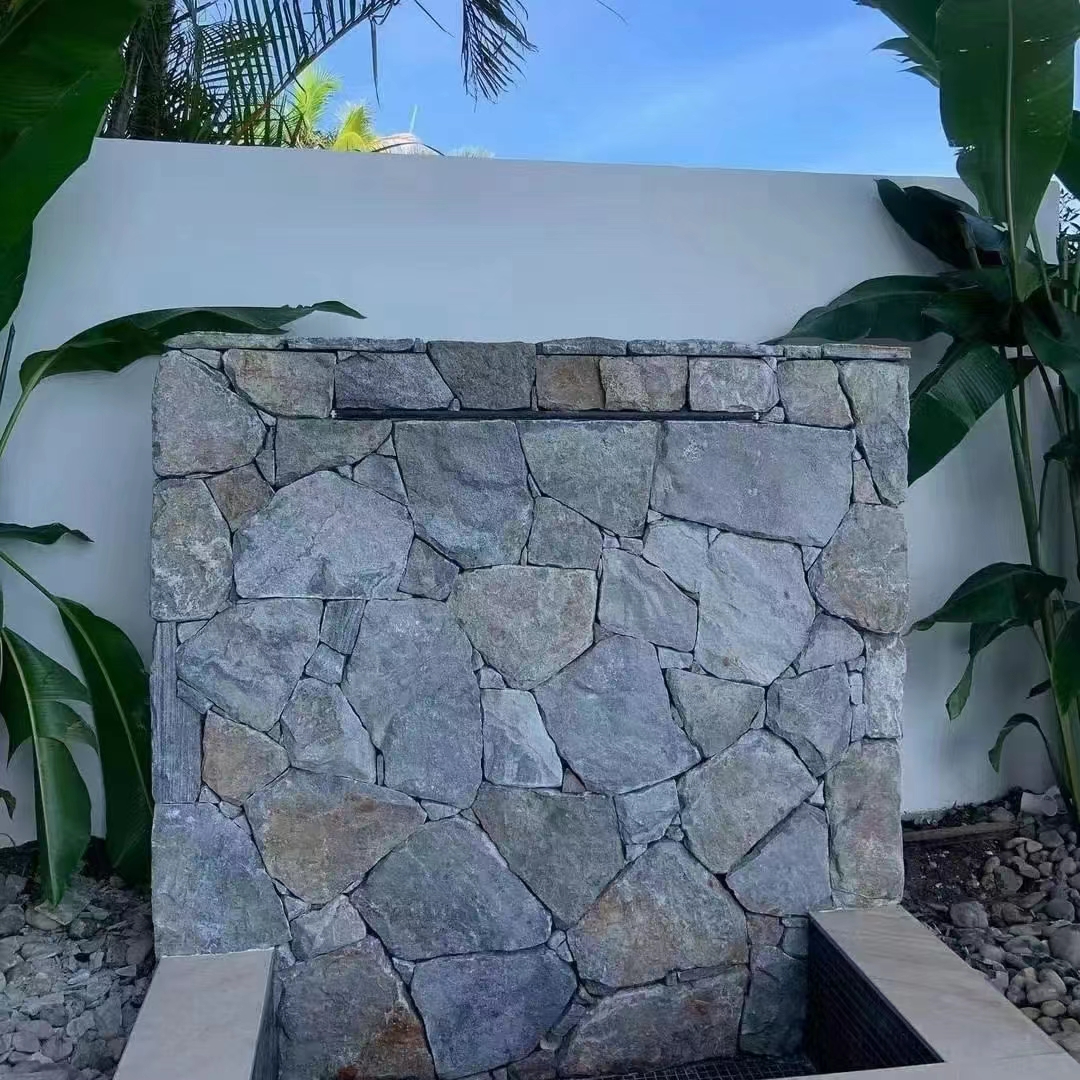
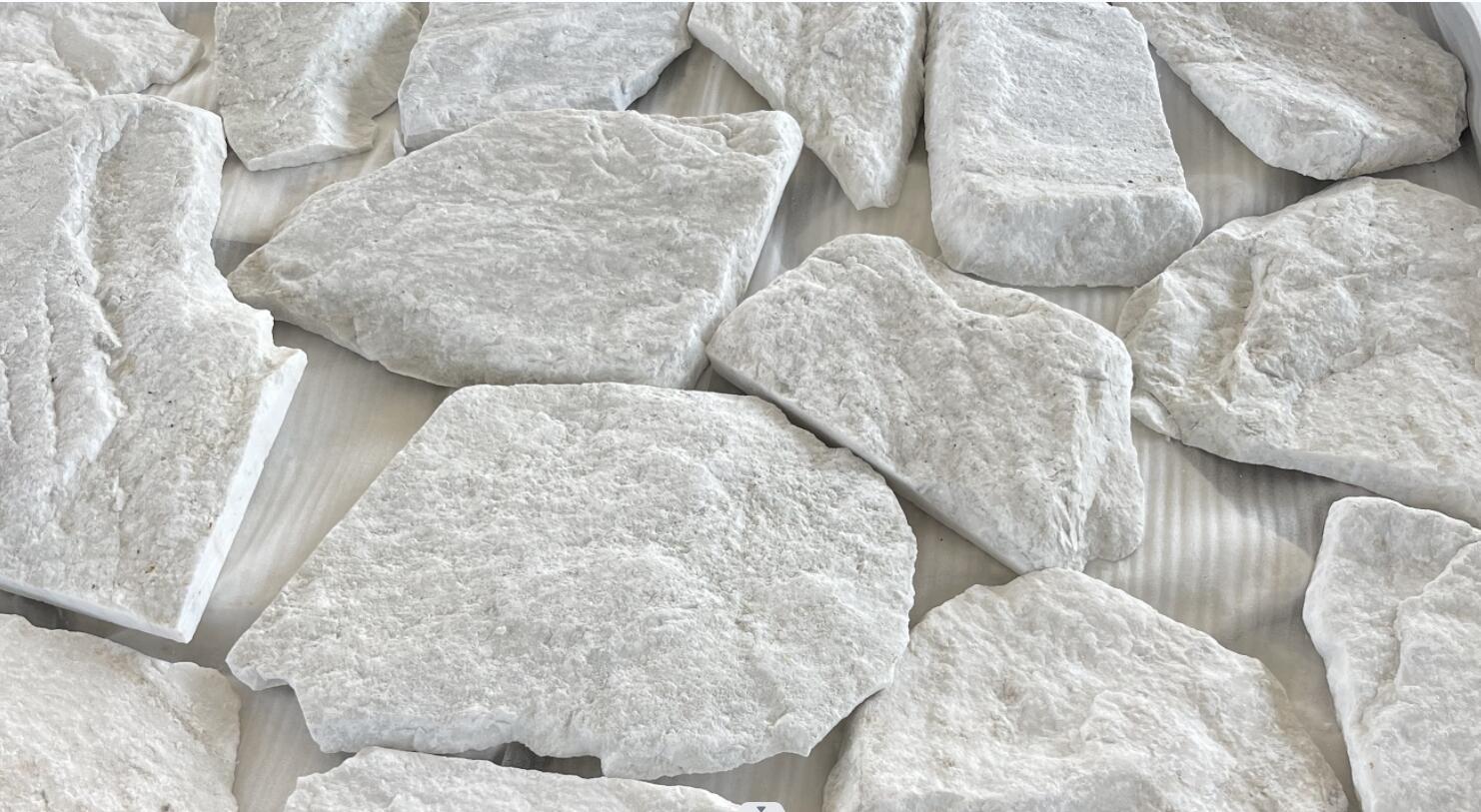
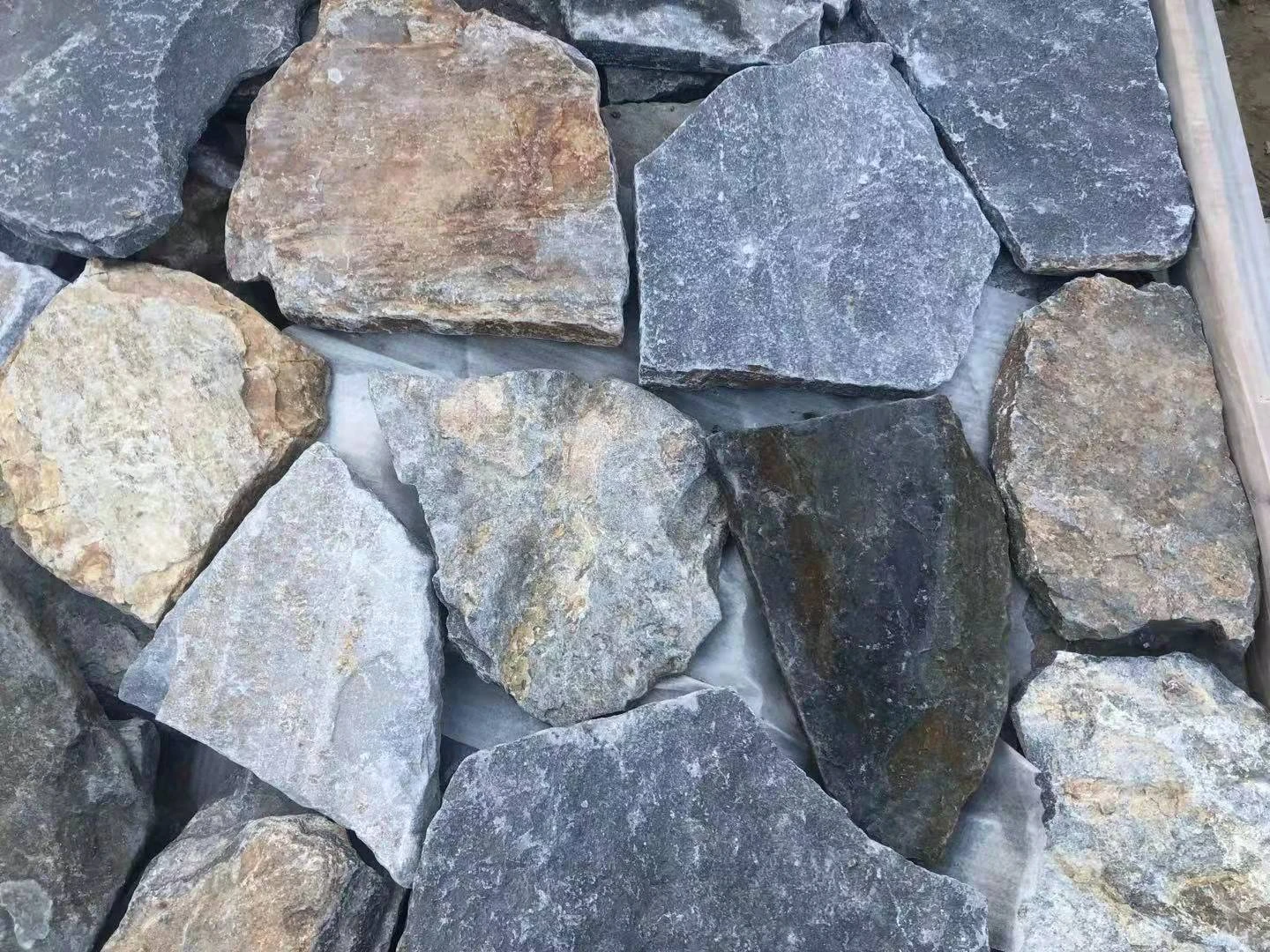
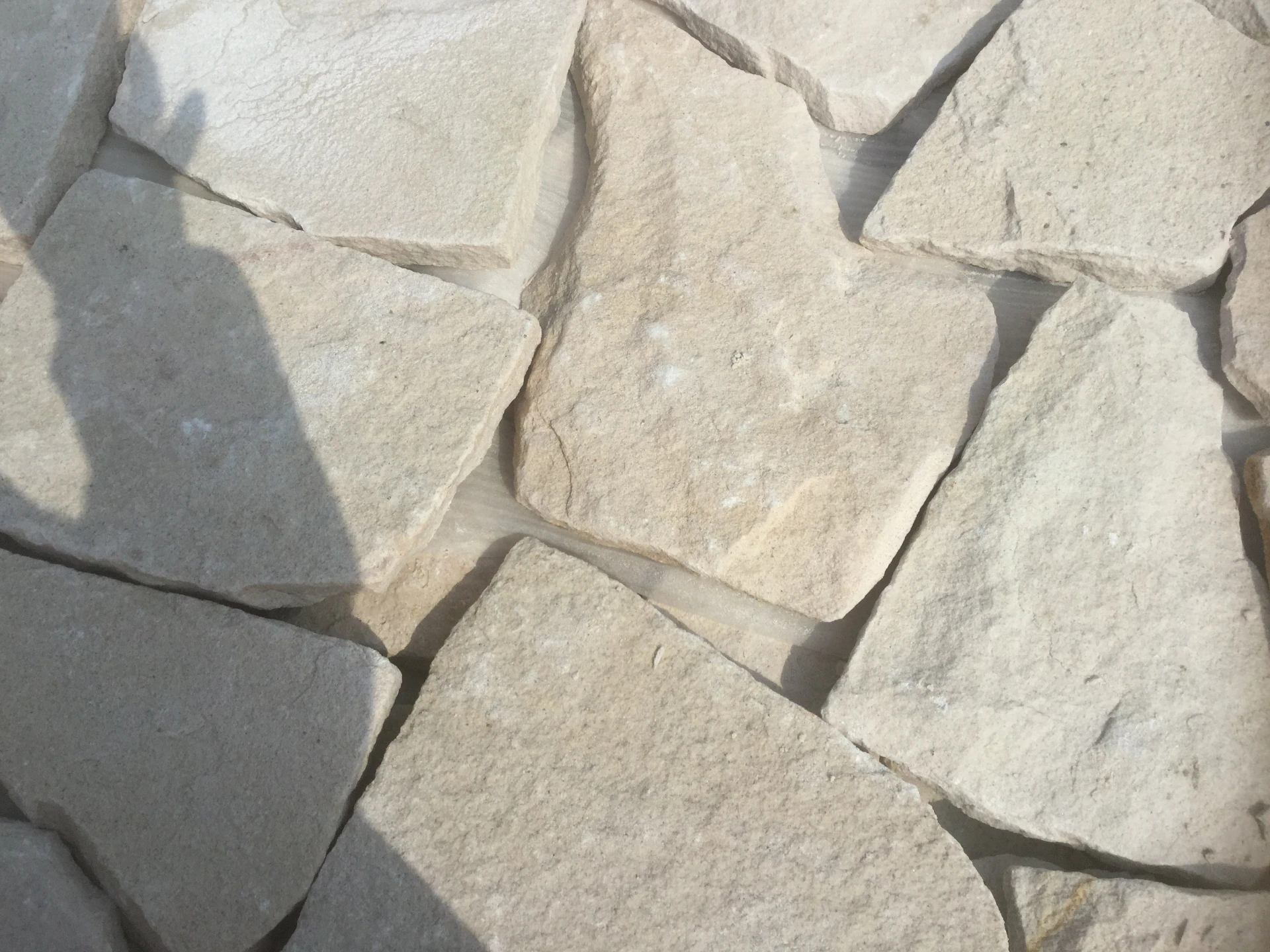
One of the standout features of quartzite cladding stone is its stunning visual appeal. Available in a wide range of colors, textures, and patterns, quartzite can complement various design styles, from rustic to contemporary. The natural variations found within each slab ensure that no two pieces are alike, allowing architects and designers to create unique finishes for their buildings. Whether used as a dramatic feature wall in a modern home or as cladding for a commercial space, quartzite can enhance the overall aesthetic while providing a sense of warmth and natural beauty.
Durability is another significant advantage of quartzite cladding stone. Known for its hardness, quartzite is highly resistant to wear, making it ideal for high-traffic areas and harsh weather conditions. Unlike other materials, such as limestone or marble, quartzite does not easily chip or scratch, ensuring that it retains its beauty over time. Additionally, it is less porous than many other stones, which means that it is more resistant to staining and moisture, making it a suitable choice for both indoor and outdoor spaces.
The versatility of quartzite cladding stone also extends to the methods of application. It can be installed using various techniques, including traditional mortar setting or modern adhesive systems, allowing for flexibility in design and construction. Whether used in large slabs to create a sleek, modern look or in smaller pieces for a more textured effect, quartzite can adapt to meet the specific needs of any project. Its lightweight nature also makes it easier to handle and install compared to heavier stones, streamlining the construction process.
Another aspect to consider is the eco-friendliness of quartzite. As a natural stone, quartzite is a sustainable choice for environmentally conscious builders and homeowners. It is sourced from quarries and requires minimal processing, which reduces its carbon footprint compared to man-made materials. Furthermore, its longevity means that it does not need to be replaced frequently, contributing to a lower environmental impact over the long term.
Beyond its practical benefits, quartzite cladding stone also contributes to energy efficiency in buildings. Its thermal mass properties allow it to regulate indoor temperatures, absorbing heat during the day and releasing it at night. This feature can help reduce heating and cooling costs, making it an energy-efficient option for residential and commercial structures.
In conclusion, quartzite cladding stone stands out as a premier choice for modern architecture, offering a harmonious blend of beauty, durability, and sustainability. With its vast array of colors and textures, architects and builders can elevate their designs while ensuring the longevity and performance of their projects. Whether used in new constructions or renovations, quartzite not only enhances the visual allure of a space but also supports responsible building practices. As trends continue to evolve in the architectural world, quartzite cladding stone is poised to remain a timeless asset for years to come.