

Stone cladding is durable, attractive, and low maintenance. Here’s what you need to know about this stone alternative.
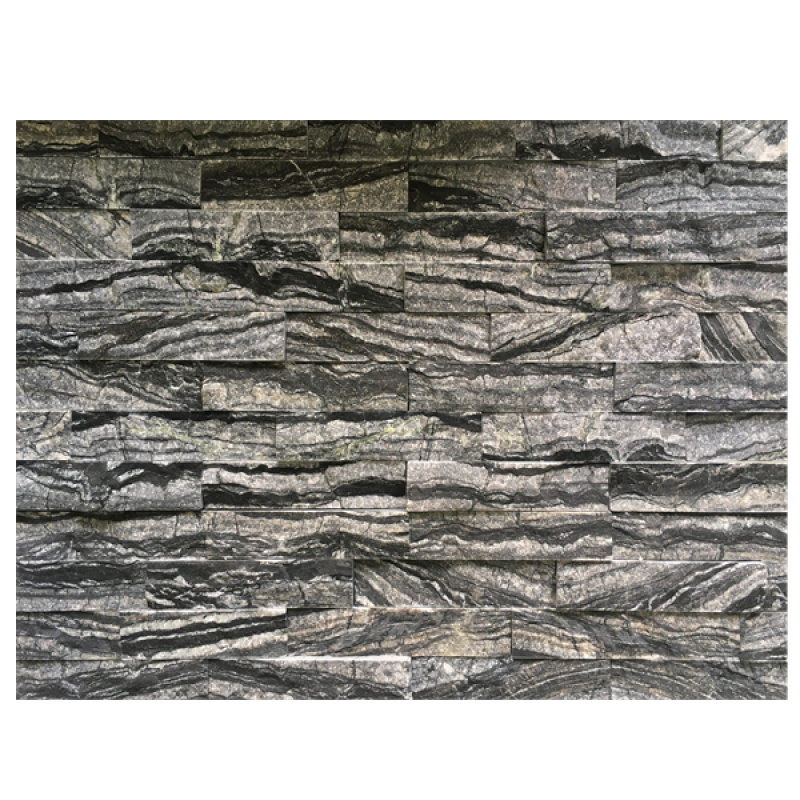
Stone cladding is also known as stacked stone or stone veneer. It can be made from actual stone or artificial, so-called engineered stone. It’s available in a wide variety of finishes that look like slate, brick, and many other stones. It’s a fast and affordable way to get the look of stone on a wall without the cost or time of a masonry installation.
Kuyika miyala kuli ndi zabwino zambiri kuposa zida zina zomangira ndipo, nthawi zina, kumangomanga mwala.
• Lightness: Stone cladding is easier to carry and install than natural stone, and it places less pressure on the existing structure. It generally weighs considerably less than natural stone.
• Insulation: Stone cladding is weather-resistant and protective. It helps a building stay warm in winter and cool in summer. Reinforcing the cladding with a steel or aluminum framework, called a honeycomb, makes it able to resist earthquakes and high winds.
• Minimal maintenance: Like stone, stone cladding requires little upkeep to look good for many years.
• Ease of installation: Lightweight cladding is easier to install than stone. It doesn’t require the same heavy equipment that a masonry installation does. This doesn’t mean you can install it yourself, however. Hanging stone cladding requires experience and skill.
• Esthetics: Stone gives any building an elegant look. Cladding can look like quartz, granite, marble, or any natural stone. It also comes in a wide choice of colors. Because you can install it anywhere, stone cladding gives you endless ways to design with stone.
Nangula zapansi
Iyi ndi njira yanthawi zonse pakuyika kwakukulu. M'kati mwa nangula, oyikapo amabowola mabowo kumbuyo kwa mwala, kuyika bawuti ndikukonza zotchingirazo mopingasa. Iyi ndi njira yabwino kwa soffits ndi mapanelo thicker.
Njira ya Kerf
Mwanjira imeneyi, oyikapo amadula mizati pamwamba ndi pansi pa mwalawo. Malo amiyala pa clasp pansi pa gulu la cladding ndi cholumikizira chachiwiri pamwamba. Iyi ndi njira yachangu, yosavuta yoyika yomwe ndi yabwino kwambiri pamakhazikitsidwe ang'onoang'ono ndi mapanelo owonda.
Njira zonse ziwiri zoyika zimagwiritsa ntchito mapangidwe otseguka. Kuti atsanzire maonekedwe a miyala yeniyeni, oyikapo amaloza mipata pakati pa zolumikizira ndi miyala ya miyala.
• Entry areas
• Bathrooms
• Kitchens
• Sheds
• Freestanding garages
• Patios
• Mailboxes
Ngakhale kuyika miyala ndikwabwino nthawi zambiri, sikuli koyenera pakuyika kulikonse. Ilinso ndi zovuta zina zomwe mwala ulibe.
• It’s not as durable as a masonry installation.
• Some veneers allow moisture to seep into the joints.
• It can crack under repeated freeze-and-thaw cycles.,
• Unlike natural stone, it is not a sustainable building material.
 Afirika
  Chialubaniya
  Chiamharic
  Chiarabu
  Chiameniya
  Chiazerbaijani
  Basque
  Chibelarusi
  Chibengali
  Chibosnia
  Chibugariya
  Chikatalani
  Cebuano
  China
China  China (Taiwan)
  Chikosikani
  Chikroatia
  Chicheki
  Chidanishi
  Chidatchi
  Chingerezi
  Chiesperanto
  Chiestonia
  Chifinishi
  Chifalansa
  Chifrisian
  Chigalikiya
  Chijojiya
  Chijeremani
  Chigriki
  Chigujarati
  Chikiliyo cha ku Haiti
  hausa
hausa  Hawaii
  Chiheberi
  Ayi
Ayi  Miao
Miao  Chihangare
  Chi Icelandic
  igbo
igbo  Chi Indonesian
  ayi
ayi  Chitaliyana
  Chijapani
  Chijavani
  Kanada
  kazakh
  Khmer
Khmer  Rwanda
  Chikorea
  Chikurdi
  Kyrgyz
  TB
TB  Chilatini
  Chilativiya
  Chilithuania
  ChiLuxembourgish
  Chimakedoniya
  Malgashi
  Chimalayi
  Malayalam
  Chimalta
  Chimaori
  Chimarathi
  Chimongoliya
  Myanmar
  Chinepali
  Chinorwe
  Chinorwe
  Occitan
  Pashto
  Chiperisi
  Chipolishi
  Chipwitikizi
  Chipunjabi
  Chiromania
  Chirasha
  Chisamoa
  Scottish Gaelic
  Chisebiya
  Chingerezi
  Chishona
  Sindi
Sindi  Sinhala
  Chisilovaki
  Chisiloveniya
  Somalia
  Chisipanishi
  Chisundanese
  Swahili
  Chiswidishi
  Chitagalogi
  Tajiki
  Tamil
Tamil  Chitata
  Telugu
  Thai
Thai  Turkey
  Turkmen
  Chiyukireniya
  Chiurdu
  Uighur
  Chiuzbeki
  Vietnamese
  Chiwelesi




